Jewellery that does not wait for a wedding
Smaller hoops, a single jhumka, a chain for office and mehndi: everyday gold and jewellery choices beyond the wedding cupboard.
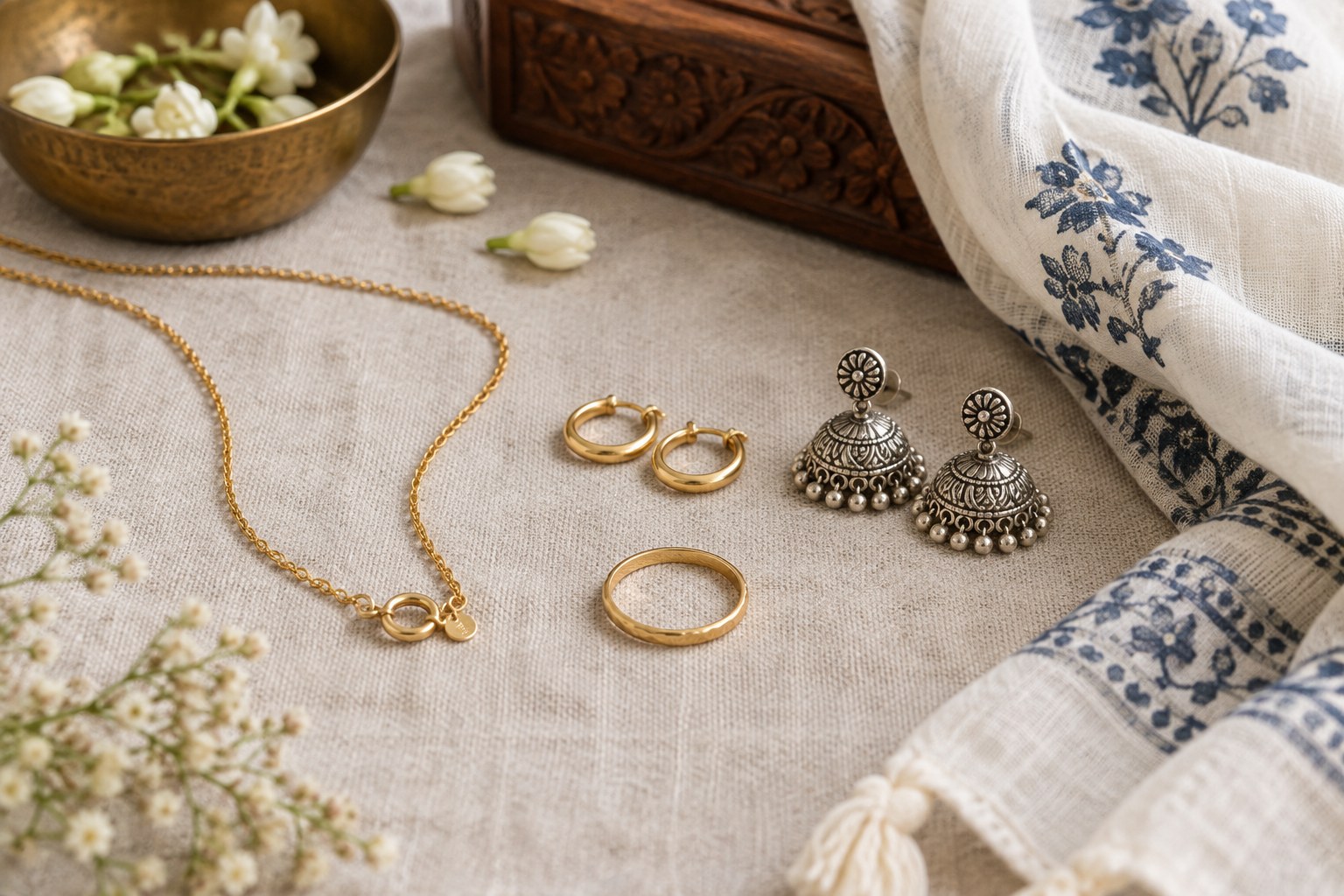
Gold still leads in many Pakistani jewellery wardrobes. The shift worth understanding is scale and timing: smaller hoops, a single jhumka, a chain you can wear to a Lahore office and a mehndi in the same week—pieces that do not wait for a wedding to leave the cupboard.
This guide covers everyday and semi-formal jewellery choices, hallmarking and purity questions, snag risks with modern clothing, and how to avoid treating women as mobile vaults at times when street safety and travel matter. It does not invent prices or endorse particular shops.
Everyday scale beats cupboard maximalism
Wedding sets are engineered for events. Daily jewellery must survive handbags, dupatta edges, motorcycle rides, childcare and ablution. A single well-made bangle that you actually wear outperforms a dozen locked away. Choose edges that do not cut, clasps that do not fail, and weight you forget until someone compliments it.
Jhumkas can be everyday if size and weight respect your ear and your scarf. Oversized ceremonial jhumkas belong to ceremonial hours. Studs and small hoops cover more of a working week than most people admit when they are busy buying statement pieces for photos.
Purity, hallmarking and trust
Pakistan has developed assaying and hallmarking infrastructure through institutions such as the Pakistan Gems and Jewellery Development Company (PGJDC), which describes hallmarking centres in Lahore and Karachi intended as third-party assurance. Ask sellers what marks mean on a piece, and whether independent assay is available for significant purchases. Do not treat a verbal “twenty-two only” as documentation.
Standards and consumer-protection context also sit within broader quality institutions such as PSQCA. Hallmarking practices and shop norms vary; verify locally rather than assuming every market stall follows the same process. For high-value buys, get written specifications for weight, purity and making charges.
Gold, gold-plated and alternatives
Gold-plated jewellery can look right for a season and then flake. That is not moral failure; it is chemistry and wear. If you want plating, ask about micron thickness and avoid abrasive cleaning. Sterling silver and high-quality artificial pieces have legitimate everyday roles—especially for travel—provided skin sensitivity is tested.
Making charges and design premiums can dominate cost as much as metal. A lighter, better-designed piece may cost more than a heavier crude one. Decide whether you are buying metal weight, craft, or both.
| Use | Safer choices | Think twice |
|---|---|---|
| Office | Small hoops, slim chain, secure studs | Heavy bridal chokers |
| Mehndi guest | One statement earring or stack, coordinated metal | Wearing entire wedding locker |
| Travel | Minimal or non-precious looks | Irreplaceable heirlooms in checked bags |
| Daily scarf wear | Smooth edges, secure backs | Open hooks that catch fabric |
Styling with contemporary clothes
Heavy embroidery plus heavy jewellery erases faces in photographs and feels noisy in person. If the kameez is busy, calm the jewellery; if the jewellery is heirloom-busy, calm the neckline. Mixed metals can work when intentional; accidental mixing often reads as unfinished.
Men’s jewellery—rings, light chains, bracelets—follows the same everyday logic: secure, proportionate, workplace-aware. Wedding turbans and ceremonial male jewellery are different briefs.
- Insure or inventory significant pieces if your circumstances justify it.
- Photograph jewellery at purchase with any hallmark visible.
- Repair chains before they fail on the road.
- Teach young wearers clasp safety rather than only aesthetics.
- Do not confuse karat stamps alone with independent assay where stakes are high.
Jewellery that does not wait for a wedding is jewellery designed for a life. Scale down, verify metal claims where it matters, and let one excellent everyday piece do more work than a cupboard of fear.
Heirlooms without guilt
Families transmit jewellery as memory, security and sometimes pressure. You may inherit pieces you will not wear in their original form. Ethical options include respectful restyling by a trusted jeweller, selective wearing of one element, or secure storage without forcing an aesthetic that is not yours. Restyling should be discussed with family stakeholders when ownership is shared—do not create a kinship crisis over a border design.
Bride-to-everyday conversion is a common need: shorten a necklace, convert a heavy set element into lighter earrings, polish scratches after the event cycle. Budget for that conversion when buying bridal jewellery if you hope to wear it again.
Street safety practices are local and personal. Some women prefer not to display high-value gold on certain routes or at night; that preference is prudence, not anti-fashion. Carry pieces in inner bags, vary routes when possible, and treat flashy unboxing videos as entertainment rather than a template for public transit.
For diaspora purchases in Pakistan before flying, understand airline and customs realities for precious metal, and never pack irreplaceable items in checked luggage. Wear them or carry them according to current airline and legal guidance.
Cleaning and storage
Use cloths and solutions appropriate to the metal and stones; abrasive pastes destroy finishes. Store chains fastened to prevent knots. Keep silica gel in jewellery boxes in humid cities. Separate pieces that tangle. Ultrasonic cleaners are not universally safe for all settings—ask a jeweller before experimenting with heirloom stones.
Stones and settings
Everyday wear punishes high-claw settings. Bezel settings often survive bags and scarves better. Synthetic stones are legitimate for daily colour; disclose them honestly if selling or gifting onward. Pearl and soft stones need different care from hard faceted stones—do not soak first and research later.
Earrings backs: secure locking backs for active days; standard push backs fail on motorcycles. Test before you leave the house. A lost earring in traffic is both emotional and financial.
Bangles and kadas can mark wrists and catch on cooking pots. Remove for serious kitchen work. Cultural celebration and burn safety can coexist with a two-minute habit.
When buying for someone else, ask about metal allergies, workplace rules and whether they prefer yellow, white or rose tones. Surprise jewellery that cannot be worn becomes awkward furniture.
Ethics and labour
Jewellery craft involves specialised labour. Cheap prices sometimes mean squeezed makers. You may not be able to audit every chain of production, but you can avoid bargaining that treats skilled work as worthless and you can pay deposits on time for custom work. For gemstone claims, demand clarity rather than mystical stories.
Detail check 1 for 06: compare stitching on both sides of a garment or shoe, ask how it should be cleaned, and walk for ten minutes before committing. Small verification habits prevent expensive mistakes more reliably than waiting for a seasonal trend article to validate your choice.
Keep a small repair kit: spare backs, a jumper ring, and the jeweller’s phone number. The difference between everyday jewellery and cupboard jewellery is often whether repair feels easy.
If you are building a first independent jewellery wardrobe after relying on family pieces, start with ears and one chain—not with a bridal-scale set bought on credit for ordinary life.
Sources and official profiles
Was this helpful?
Keep reading
Related stories
More from this desk, this beat, and the tags on this piece.
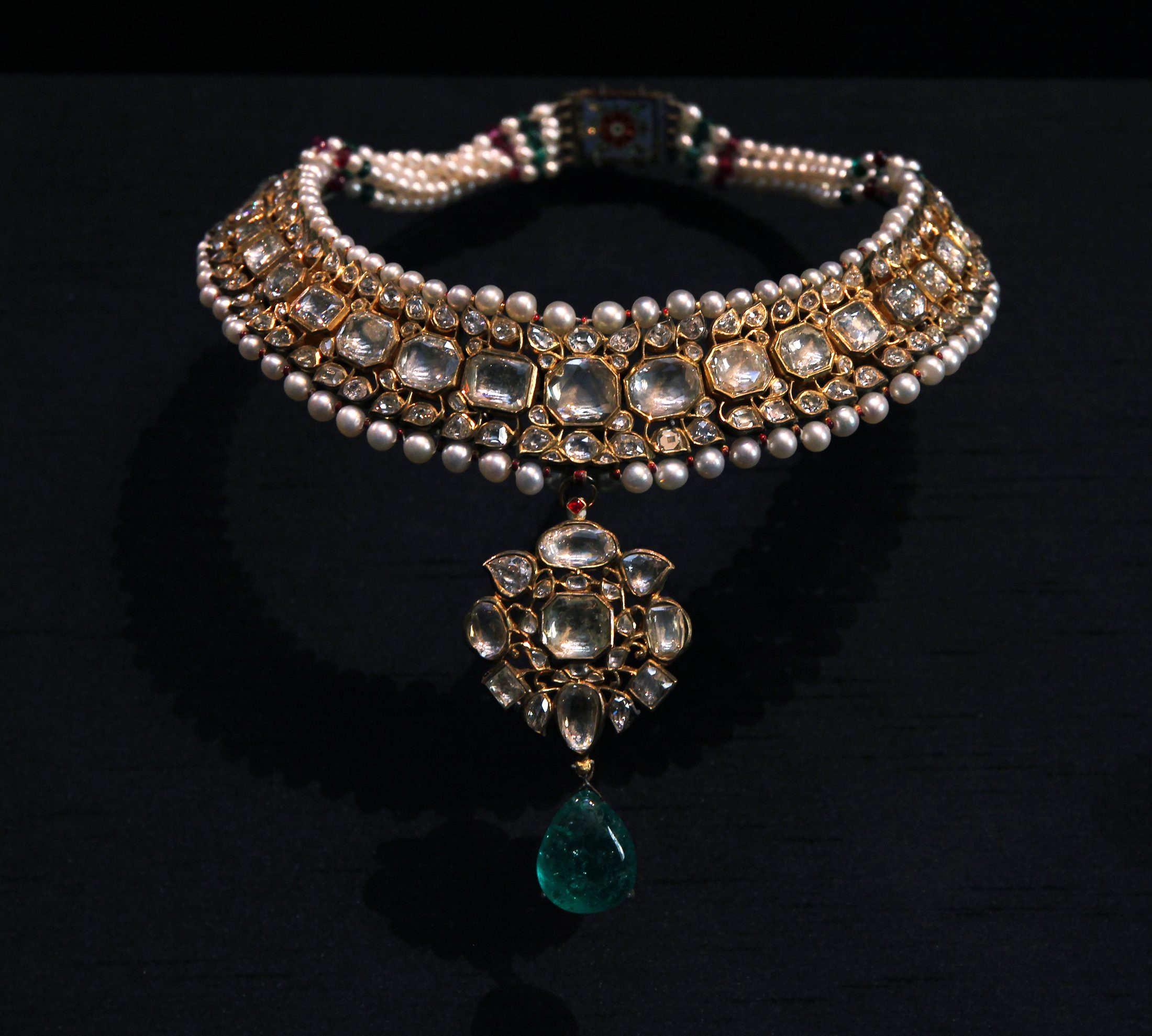
Pakistani bridal jewellery names: tikka, jhoomar, matha patti and what each piece does
Zainab Noor · 13 Oct 2026
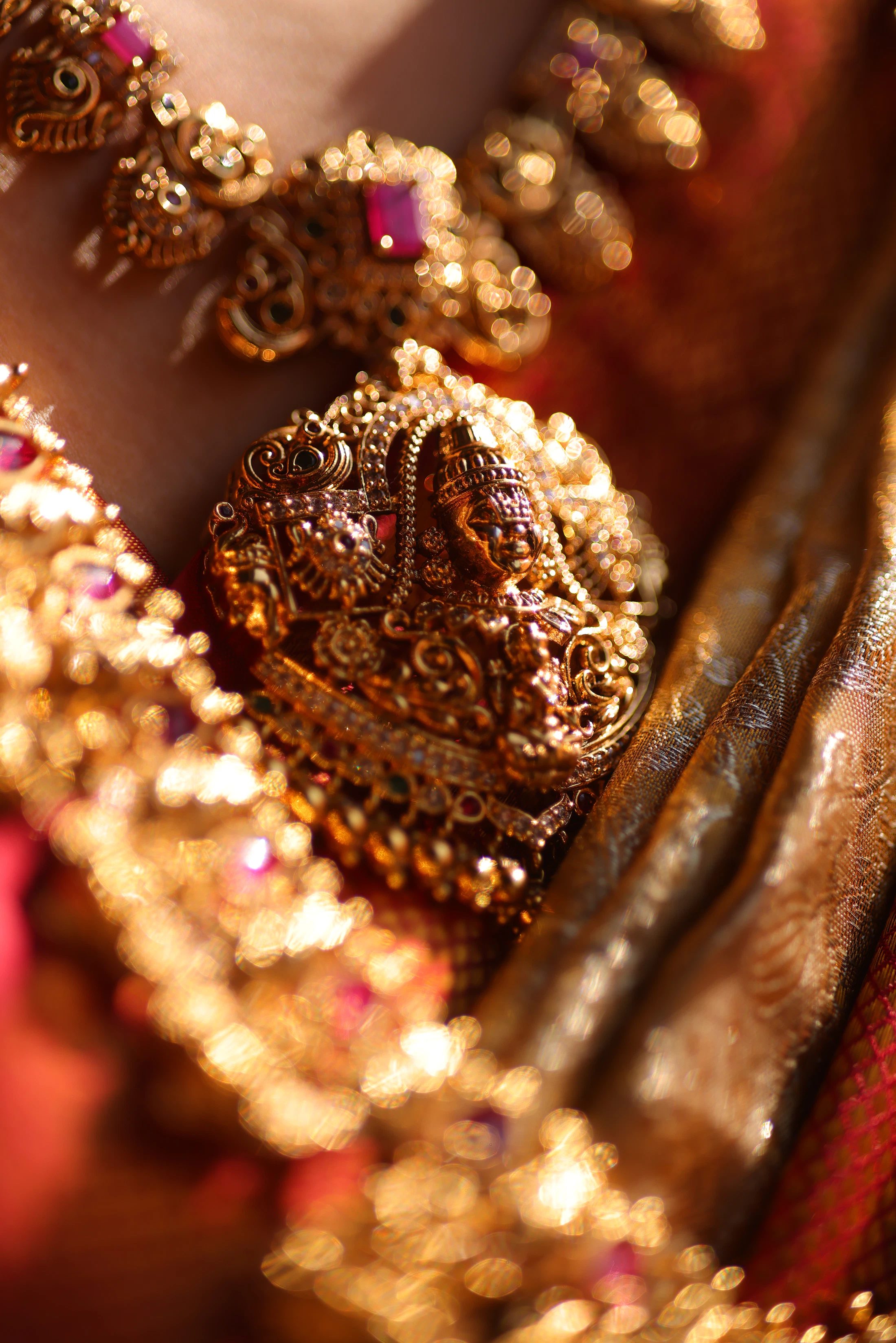
Buying Pakistani gold jewellery in the UK: read the hallmark before the receipt
Zainab Noor · 13 Oct 2026


Readers
The conversation
0 notes
Anyone can leave a note. Guests add a name and email — no account required, and the email is never published.
No notes yet. Yours would be the first.