North
How to stay in a Karakoram guest house without making it a stage
Manners for a Karakoram family guest house: confirm rates, pay fairly, treat courtyards as rooms, and separate highway risk advice from house rules.
By Mehreen Ali
Travel editor
7 min read
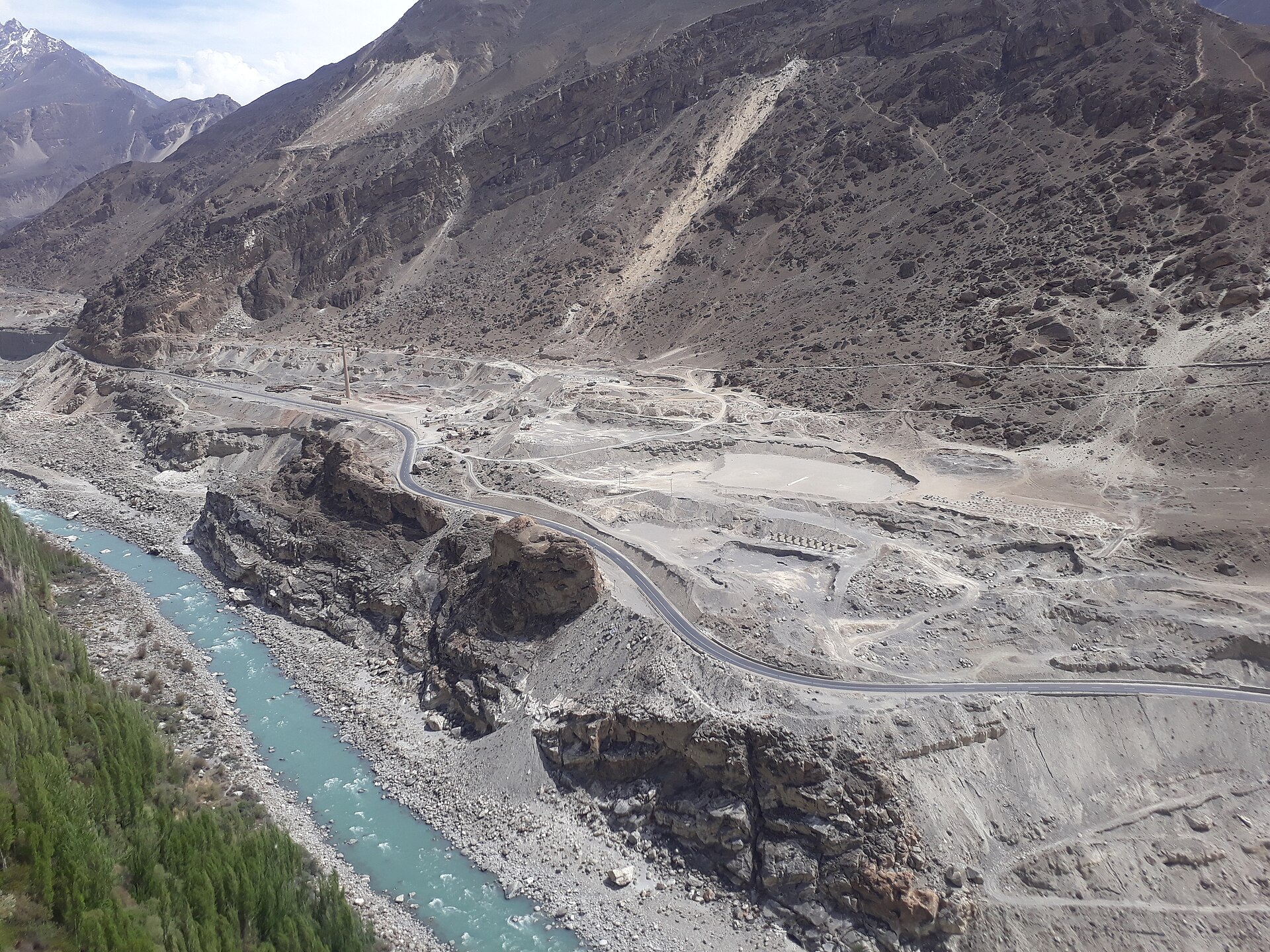
A guest house on the Karakoram road is usually a household that has added rooms, not a boutique that has added a mountain. You sleep beside a family, a kitchen that starts early, and a courtyard that is not a lounge. The view is real. So are the people who live there when you have gone. Manners are the trip; scenery is what you look at if you have paid and kept quiet.
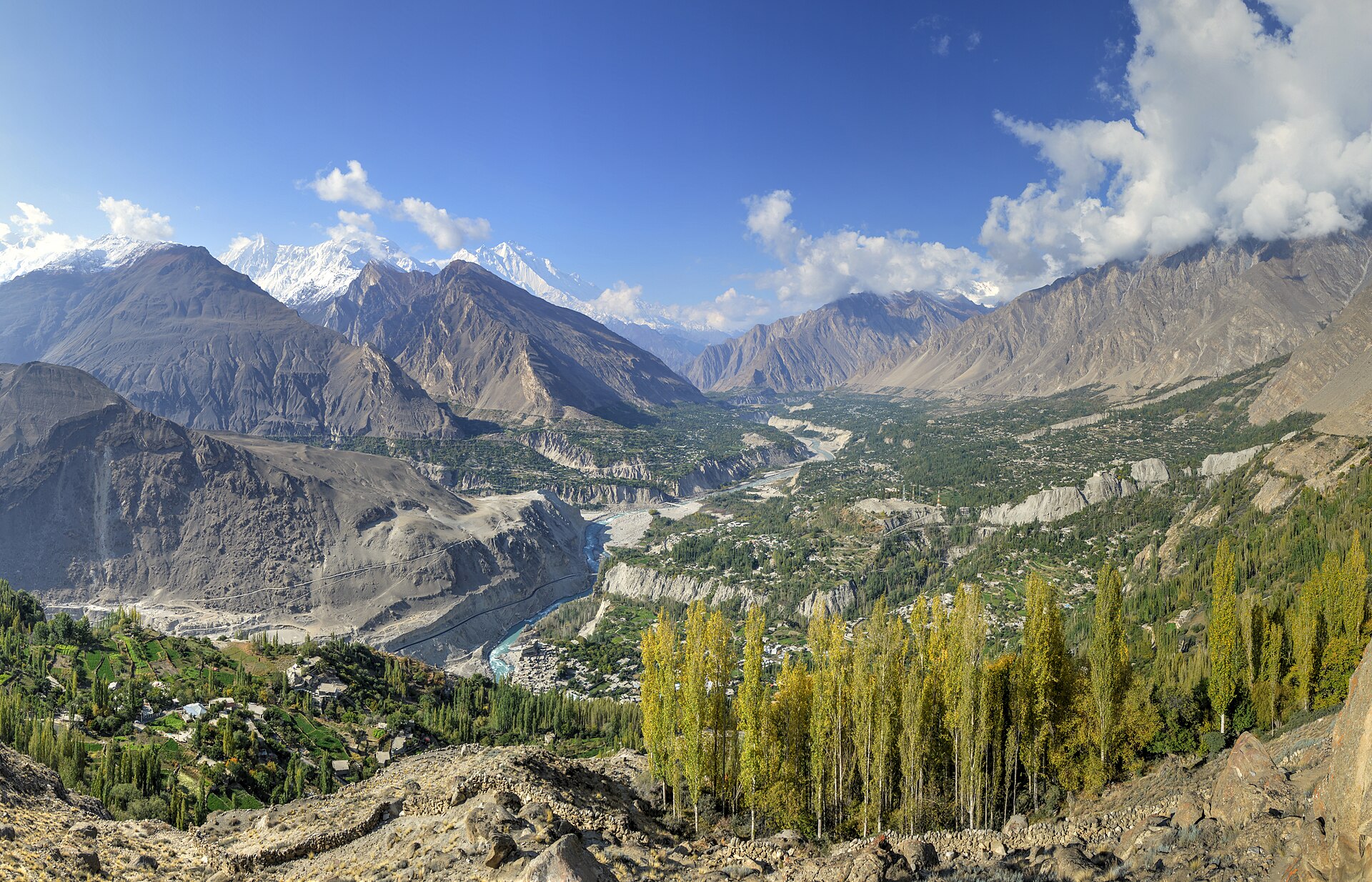
Confirm the house before you unload
Confirm the rate, whether meals are included, and whether hot water is a morning fact or a rumour, before bags leave the jeep. Family houses in Hunza, Gilgit, and along the highway often quote a number that already includes breakfast. Hotels publish tariffs. Pakistan’s tourism department still describes PTDC motels as a historic network; whether a particular building is open this season is a question for the office and for the building, not for a blog list from years ago. If you want hotel-chain rules, book one—Serena lists northern properties on its own site—and stop asking a family house to imitate a concierge.
Do not arrive unannounced in peak months and expect the room from someone else’s story. Phone ahead. If nobody speaks your preferred language, speak slowly or travel with someone who can. The house is not obliged to perform English for your comfort. You are obliged to know where you are sleeping before dark on that road.
Ask practical questions that protect both sides: Is the room for single occupancy or shared? Are meals family-style or ordered? Is laundry possible, and at what price? Will someone meet a late jeep, or should you plan daylight arrival only? Write the answers down; memory after a long transfer is a poor contract.
Pay the rate you were given
Bargaining a family down by a few hundred rupees so you can feel seasoned is not craft. If the room is too expensive, choose another house. If it is fair, pay it, and pay for meals you ate. Guides, jeeps, and porters are separate livelihoods—do not fold them into a guest-house argument, and do not offer a “shout-out” in place of cash.
Electricity will cut. Generators are loud and they keep a fridge alive. Complaining about generator noise while charging a phone from that power is a visitor’s contradiction. Charge what you must while power exists. Carry a torch. Do not treat a rural circuit like a mall bathroom.
Tip for service that was actually given—meals carried to a sick guest, a thermos left out before a dawn departure—not as a performance of generosity after you made the kitchen wait. Cash settles more cleanly than promises of online reviews.
Courtyards, drones, and other people’s night
Courtyards are rooms. Children do homework in them. Women work in them. Leave drones in the bag unless you have explicit permission and a legal right you have actually checked. Music after the house has gone quiet is not atmosphere; it is occupation of someone else’s night. If you want a late lobby, you wanted a hotel.
Dress as a guest in a conservative valley, not as a campaign. Ask where you may walk in the morning. A path through an orchard is not a right of way because it photographs well. If you are offered tea, sit for it. If you are not offered a tour of private rooms, do not take one.
Photographing people requires consent that is specific, not implied by a smile at breakfast. Children are not props for “local colour.” If a family asks you not to post faces, that request outranks your content calendar.
Road risk is not house manners
How you reach the house is a safety question that changes with landslides and weather. Local drivers usually know faster than a caption. The UK FCDO Pakistan advice has warned against all travel on listed stretches of the highway (including areas between Mansehra and Chilas among other notes). That is a British government risk assessment for its travellers and for some insurance policies—not a ban on Pakistani domestic movement, and not a substitute for asking in Besham or Gilgit what the road is doing this week. Read the current page if UK advice governs you; ask the driver if the mountain governs you.
Eat what the kitchen is making. A guest-house karahi or daal is how the house feeds itself. Tell them about allergies before they shop, not at the table. Leave the room as a room: rubbish packed, wet towels off carpets, no “souvenir” from a windowsill. The test of manners is whether the family would take your booking again.
A quieter packing list
- Torch or headlamp, power bank, and a plug adapter that matches local sockets.
- Cash for rooms and meals when card machines fail after a cut.
- Layered clothing for evening cool after daytime heat on the road.
- Basic medicines you already tolerate; do not expect a full pharmacy at every stop.
- Earplugs if generators bother you—buy them before you demand silence.
Peak season (often summer school holidays and clear-weather windows) fills rooms. Shoulder seasons can be kinder to hosts and to you, but road risk and heating questions change. Ask about blankets and water pressure as calmly as you ask about the view.
Meals, water, and the morning departure
Breakfast timing often follows the household, not a hotel menu board. Ask the night before if you need an early plate for a jeep to Passu or a flight connection via Gilgit. Do not assume the kitchen will open because your itinerary is ambitious. Shared bathrooms need the same courtesy: short showers when tanks are low, hair in the drain trap if one exists, and no dyeing experiments in a family sink.
Filtered or boiled water policies vary. Clarify what is safe to drink from the house and what you should buy sealed. Altitude and dry air increase fluid needs even when nights feel cool. A guest who empties the family’s drinking stock without replacing it has already failed the manners test before the view arrives.
If you fall ill, tell the hosts early so they can adjust meals and help with pharmacy runs—do not hide vomiting until you need a midnight crisis. Carry your own oral rehydration salts when possible. Gratitude after help should include payment for transport and medicine, not only thanks.
Leaving without extracting a performance
Check out without staging a farewell shoot unless the family clearly wants photographs together. Pay outstanding meals. Return borrowed items. If you promised to send pictures, send them—or do not promise. The Karakoram does not need you to complete it. A guest house needs you to pay, eat, sleep, and leave the courtyard to the people who live there. Do that, and you were a guest.
- Confirm rate, meals, and water before you unpack.
- Pay without turning the bill into sport.
- Treat courtyards as private rooms that happen to have sky.
- Separate road-risk advice from house manners, and follow both.
Sources
Sources and official profiles
Filed under
Keep reading
Related stories
More from this desk, this beat, and the tags on this piece.
Skardu travel guide: valleys, lakes, and high-altitude logistics
Mehreen Ali · 11 Aug 2026 · 2 min
Readers
The conversation
0 notes
Anyone can leave a note. Guests add a name and email — no account required, and the email is never published.
No notes yet. Yours would be the first.