How to host iftar for a small group without cooking twelve dishes
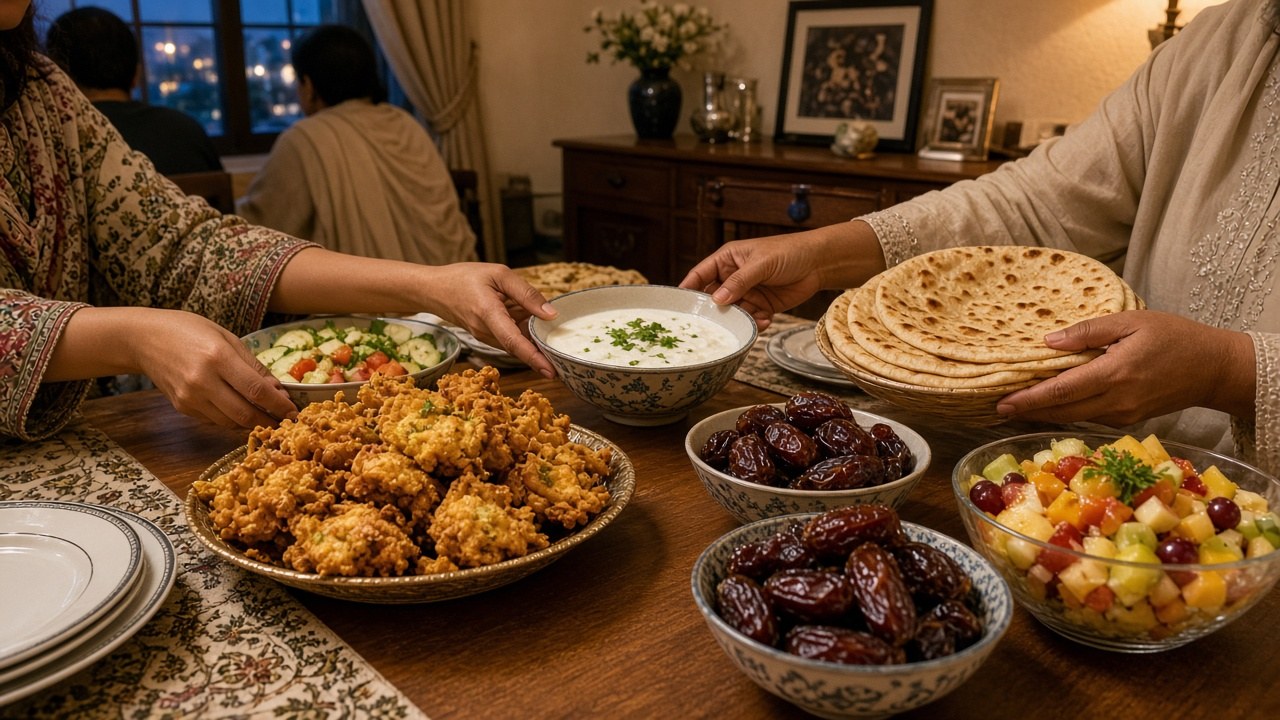
A generous iftar does not need a buffet. Dates, water, one fresh item, one main dish and something sweet can feed guests warmly without exhausting the host.

Pakistani hospitality can turn six iftar guests into a menu designed for sixty. Samosas, pakoras, fruit chaat, dahi baray, chana chaat, biryani, curry, kebabs and three desserts are all lovely. They do not all need to appear on the same table.
Build the menu in five jobs
- something to break the fast: dates and water
- one fresh item: fruit chaat, salad or soup
- one savoury snack, if you want it
- one proper main dish
- one dessert or chai moment
That is already dinner.
Choose a main that waits well
Chicken pulao, daal with rice, qorma or a tray-baked dish is easier to hold than food that requires last-minute frying. The host should not be standing over oil while everybody else breaks the fast.
Make only one fried thing
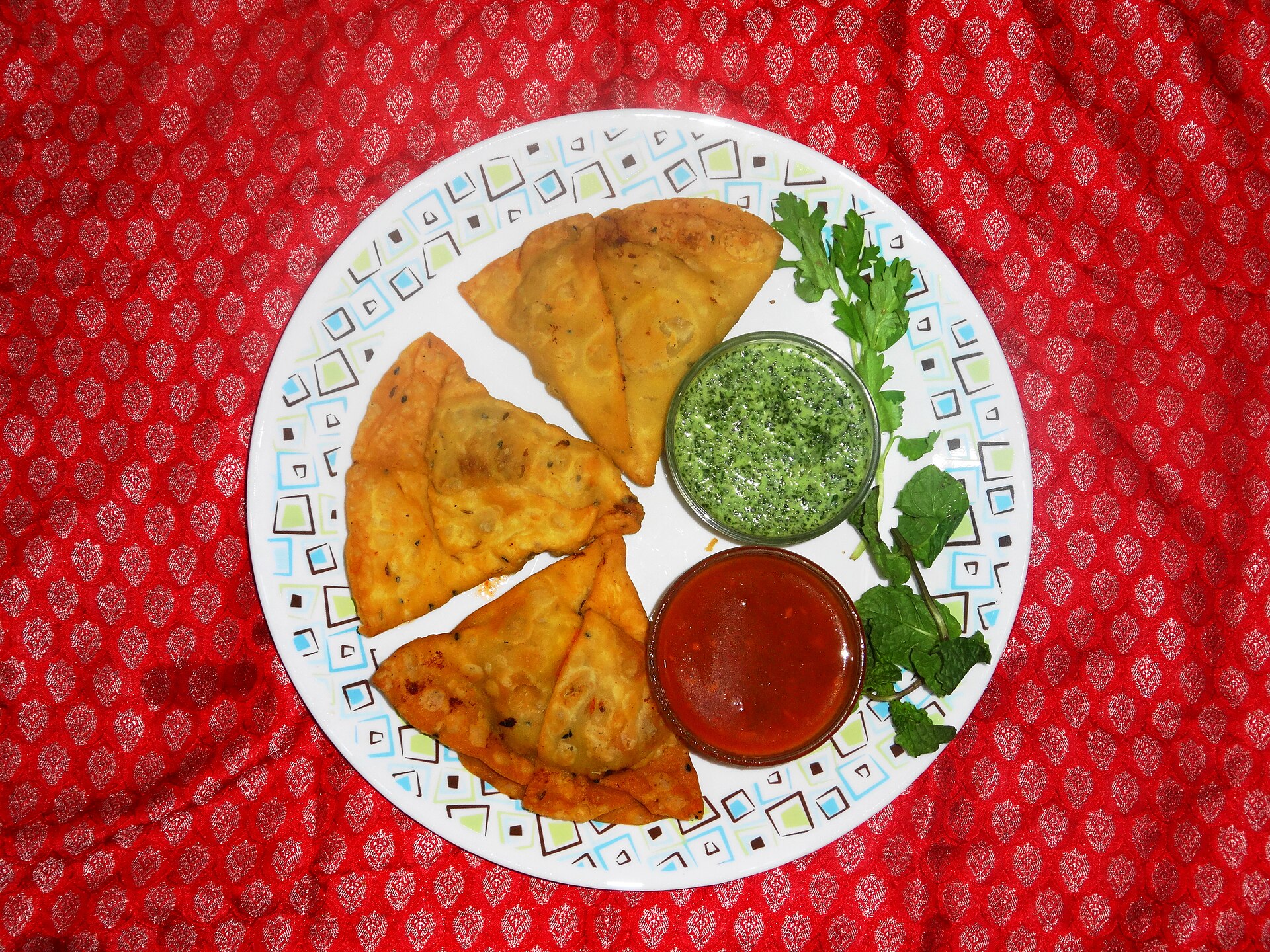
If pakoras are the family's Ramadan favourite, make pakoras. The presence of a samosa does not create a legal obligation to also serve spring rolls.
Put water where people sit
NHS Ramadan guidance emphasises hydration during non-fasting hours. Give guests easy access to water rather than making sweet drinks the only option on the table.
Ask about health and dietary needs quietly
One guest may have diabetes, allergies or another condition that changes what they can eat. A private message before the meal is kinder than announcing dietary questions across the table.
Serve the main after a short pause if your household prefers
Some families break the fast with dates, water and a light snack, pray, then return for dinner. That naturally reduces the pressure to put every dish on the table at sunset.
Buy one component without apology
Bakery samosas, shop-bought chutney or dessert from a local mithai shop can be part of a home iftar. Hospitality is not invalidated because one item has a receipt.
End before the washing-up becomes the memory
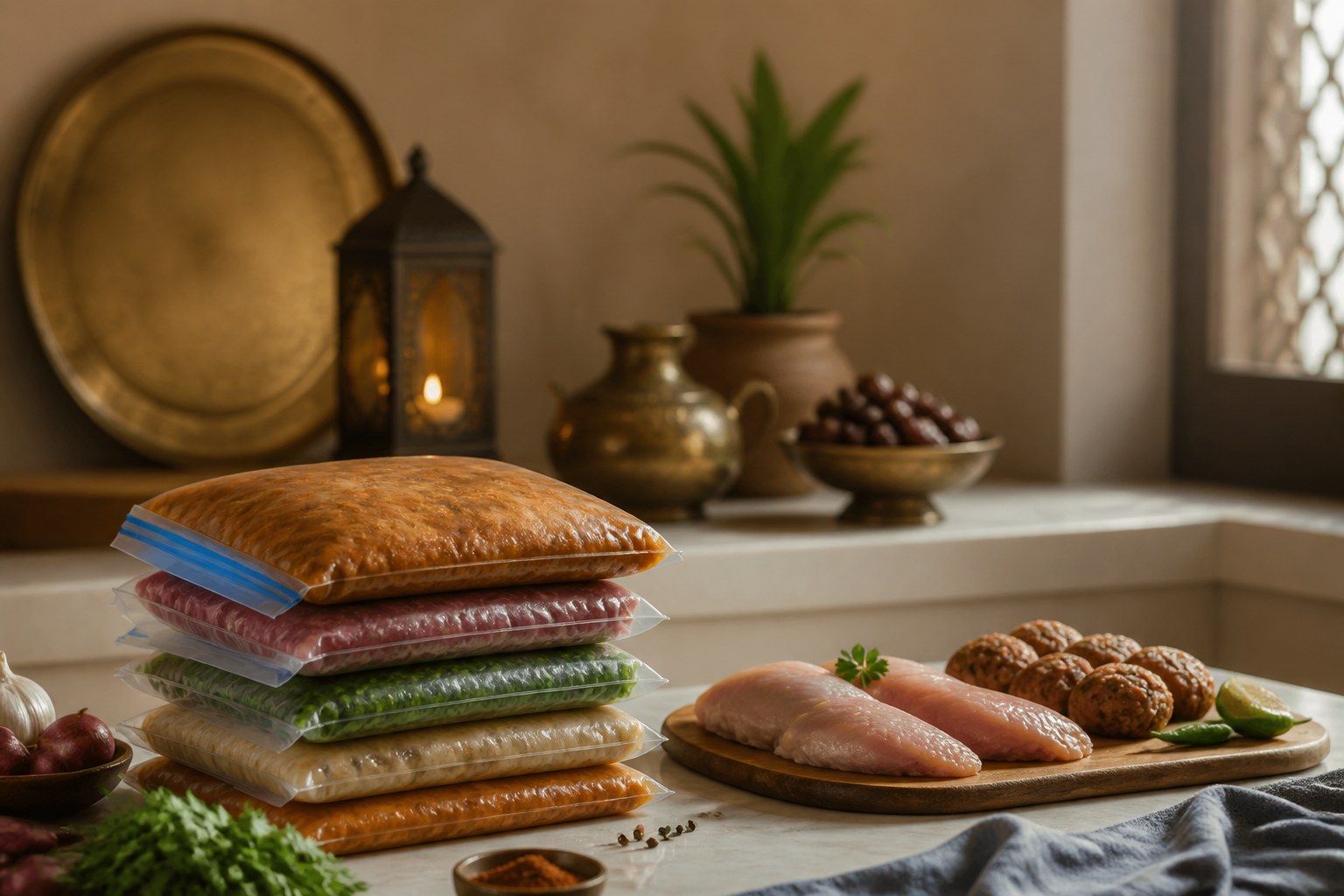
Use serving dishes you can actually clean. Send leftovers home. Freeze what keeps well.
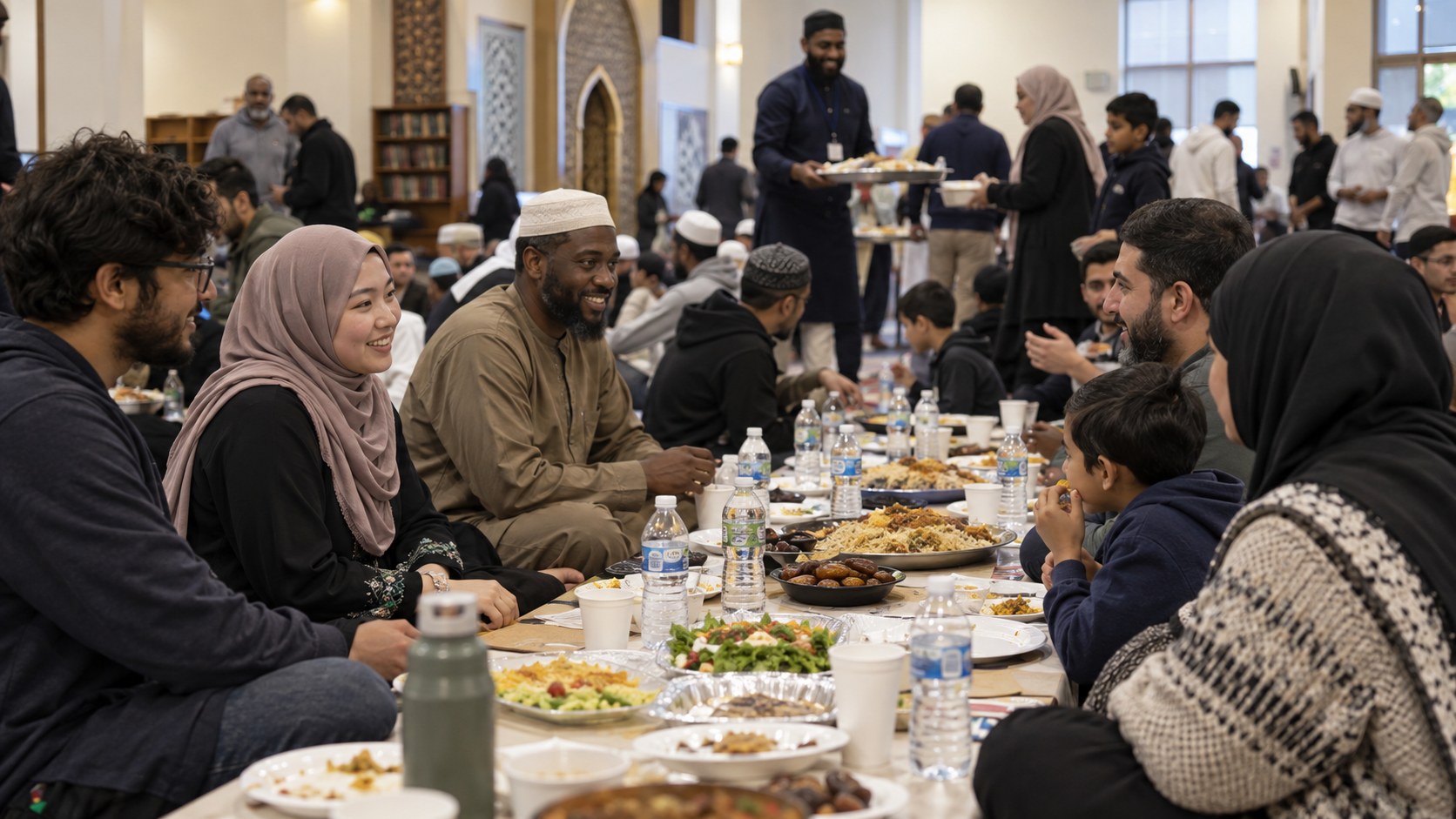
The host deserves Ramadan too. A smaller table where everyone eats together is more generous than a huge spread that leaves one person in the kitchen until taraweeh.
Assume there is more than one Pakistani version: How to host iftar for a small group without cooking twelve dishes
How to host iftar for a small group without cooking twelve dishes can look different across Punjabi, Urdu-speaking, Sindhi, Pashtun, Kashmiri and other families, and diaspora life adds another layer. Describe common practice without turning one household's version into a national rule.
Words such as “traditionally” and “in many families” are not evasive when variation is real; they are more accurate.
Keep the human purpose visible: How to host iftar for a small group without cooking twelve dishes
Behind small iftar menu ideas is usually hospitality, commitment, family connection or marking a transition. Return to that purpose when logistics become overwhelming.
A tradition is strongest when the people inside it still have room to consent, afford it and understand why it matters.
Final practical check
Before acting on small iftar menu ideas, recheck the part that carries the most cost, risk or time pressure and make sure the advice still matches your circumstances. Save the source, receipt, booking, product directions or family agreement where it may matter later.
Give every dish a job
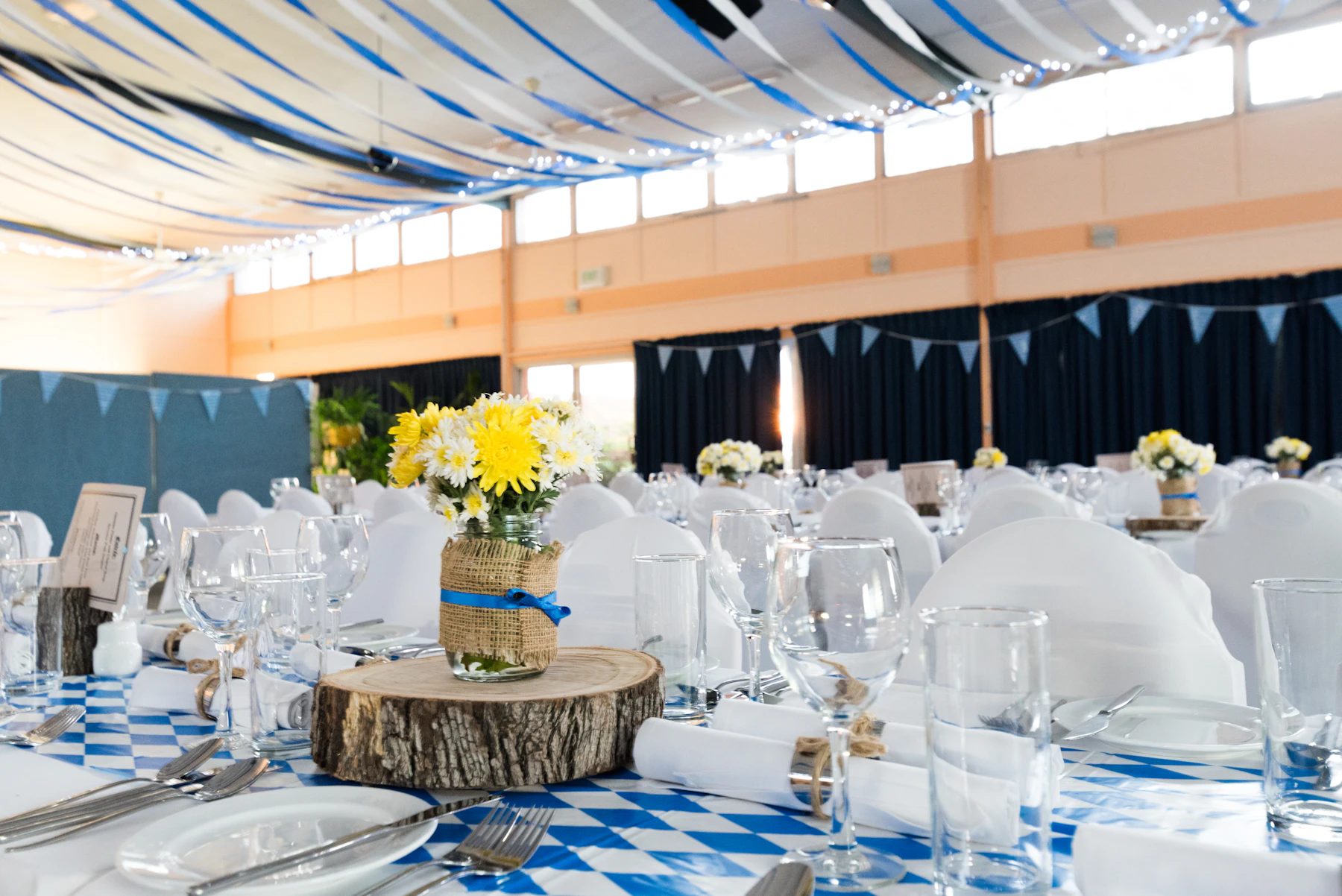
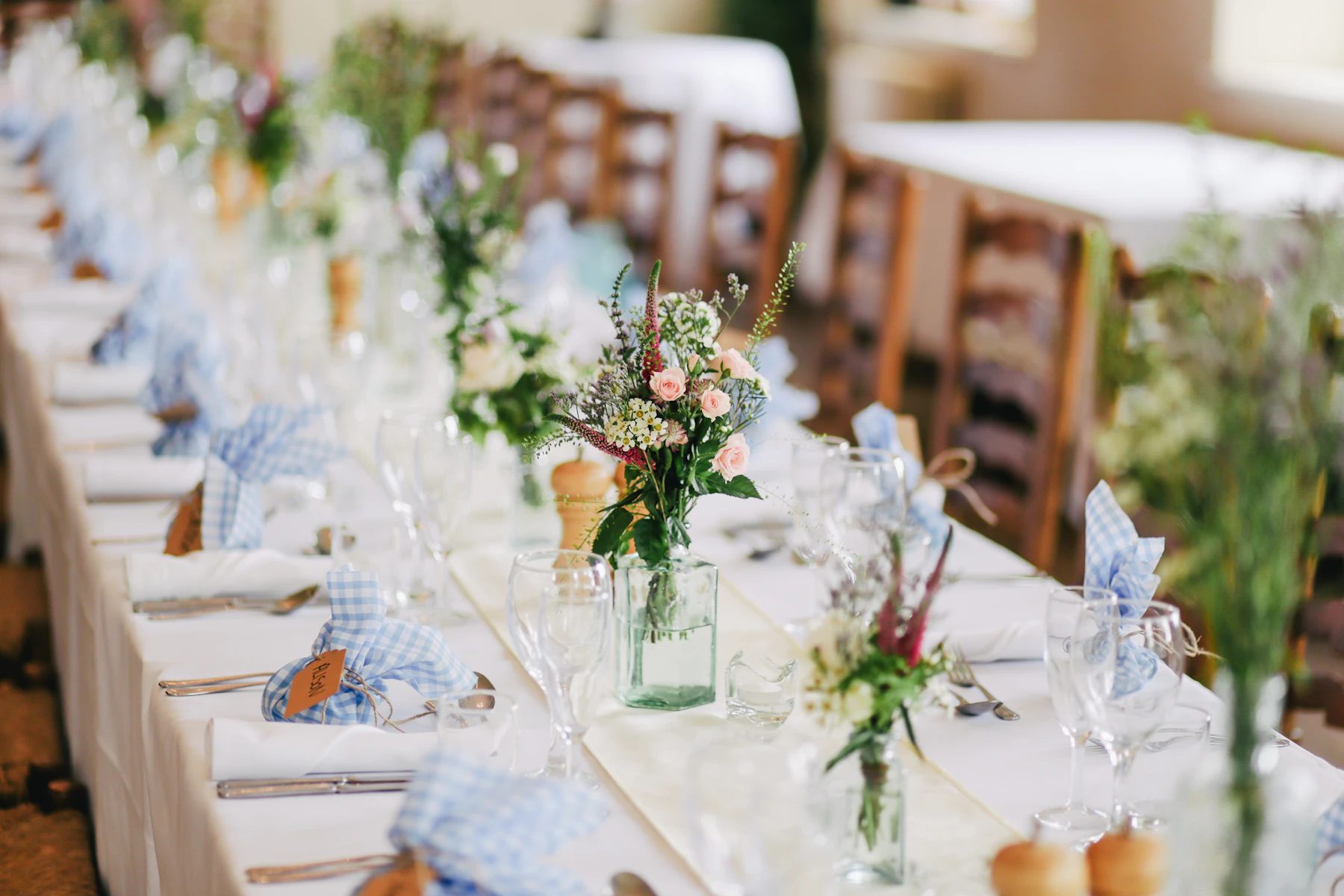
For a small group, a useful menu can be five things: water and dates, one light starter, one main dish, one fresh side and one dessert or fruit option. That is enough variety without creating six half-eaten trays. Add more only when a guest need or family tradition gives the dish a clear purpose.
Choose a main that tolerates waiting
Dishes such as biryani, pulao, daal, qorma or baked chicken can be held more gracefully than food that depends on being crisp at one exact minute. If you want pakoras or samosas, make that the one last-minute item rather than building the whole evening around the fryer.
Stage the kitchen backwards from sunset
Write the iftar time at the bottom of a short prep list. Work backwards: table and drinks first, cold items next, main dish reheated or finished with margin, then the one fragile item last. The goal is for the host to sit down before the fast opens rather than still chopping salad while everybody else waits.
Hydration should be visible and easy
Put water on the table before guests arrive. Sweet drinks can be part of the meal, but they should not be the only fluid available. For older guests, children or anyone with a medical condition, quietly ask what they need rather than assuming one menu works for everyone.
Plan leftovers on purpose
Use containers that can go straight into the fridge, and decide in advance which dishes will be sent home with guests. A smaller first serving plus easy seconds usually wastes less than loading every plate at once.
A six-person iftar does not need banquet maths
Start with portions for the people actually coming, then add a modest margin rather than cooking as though every guest will eat a full serving of every dish. Dates, water, one starter, one main, a fresh side and one sweet element already create a complete table. If relatives are bringing food, ask what they plan to bring before adding another tray “just in case”.
The main dish should tolerate a short delay because people may pray, arrive late or want a pause after opening the fast. Rice dishes, daal, qorma or baked food usually cope better with that rhythm than several items that must leave hot oil at exactly the same minute.
Give the host a stopping point
Set a kitchen deadline before sunset. At that point, the table, drinks and reheatable food should be ready, and only one last-minute task should remain. That protects the host from spending the opening of the fast standing over the hob while everybody else sits down.
Plan storage at the same time as serving. Use containers that can take leftovers straight to the fridge, and send food home only when it can be transported safely. The success of a small iftar is not measured by the number of dishes left over; it is whether people were fed comfortably and the host was able to be part of the evening.
Make the shopping list from the finished menu, not from Ramadan appetite
Shopping while fasting can make every snack feel necessary. Write the menu first, count guests and buy for those dishes. If dates, fruit, pakoras, samosas, chaat and three mains all appear because each feels traditional, ask which one will actually be missed. Removing two competing starters often improves the meal more than adding another tray.
Keep a few flexible ingredients—yoghurt, cucumber, fruit, bread or salad components—that can become extra food if numbers change without creating a second full main course. This gives the host margin without building waste into the plan from the beginning.
Hospitality includes the host
If the menu is so complex that the person cooking cannot sit for iftar, the design has failed. Choose food that lets most work finish early, accept a good shop-bought component when useful, and let guests bring something when they genuinely want to. A smaller table shared calmly can be more hospitable than an impressive spread produced at the cost of the entire evening.
Use the guide in real life: How to host iftar for a small group without cooking twelve dishes
For how to host iftar for a small group without cooking twelve dishes, separate the useful convention from the idea that every Pakistani family follows one fixed rule. Region, language, generation, religious practice, budget and diaspora life can all change how the same event or habit looks. Use the guide to understand the logic, then ask the people directly involved how their household handles the detail.
With how to host iftar for a small group without cooking twelve dishes, that approach also makes disagreements easier to manage. Instead of arguing over which version is “authentic”, identify the practical decision—who is invited, what is expected, what a term means in this family, or what must happen before the day. Clear information protects relationships better than turning a flexible custom into a test of belonging.
Sources and official profiles
Filed under
Was this helpful?
Keep reading
Related stories
More from this desk, this beat, and the tags on this piece.
Ramadan fruit chaat: choose fruit for texture, then add banana last
Hassan Raza · 2 Oct 2026
Readers
The conversation
0 notes
Anyone can leave a note. Guests add a name and email — no account required, and the email is never published.
No notes yet. Yours would be the first.