Ramadan
What Pakistani homes actually cook in Ramadan
A kitchen-table account of Ramadan food after the first pakora photograph and before the next ordinary suhoor.
By Hassan Raza
Food editor
2 min read
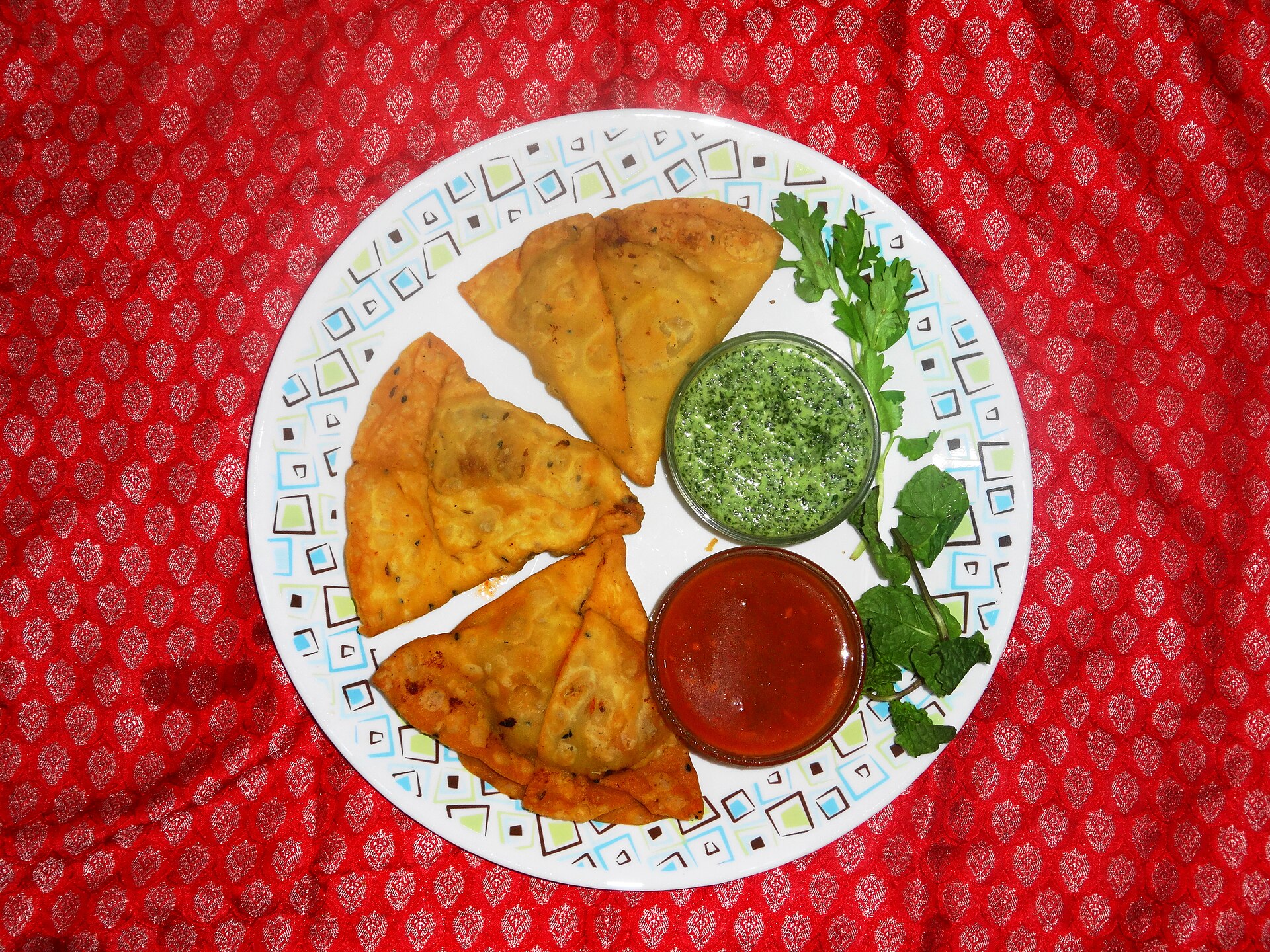
The public image of Ramadan food is caught at 6:47 p.m.: pakoras piled high, fruit chaat shining, dates aligned, Rooh Afza pink enough for the camera. At 4:12 a.m., the same household may be eating yesterday’s daal with roti while somebody searches for the water bottle. Both meals belong to the month.
Homes cook according to work shifts, school, health, region, budget and who has the energy to stand. Some families want a fried snack every day; others reserve it for weekends. Some eat a full meal immediately after dates and water, while others pray first and return to rice or salan later. There is no single Pakistani iftar timetable hiding beneath these choices.
The useful foods are often quiet
Chana can become chaat tonight and breakfast beside an egg tomorrow. A pot of daal moves between rice, roti and soup-like leftovers. Keema becomes paratha filling. Yoghurt cools a plate, stretches fruit and supports a rushed suhoor. The freezer holds cooked bases and shaped kebabs, but it also holds the decision not to cook from zero.
Suhoor needs food people can tolerate while half awake. Eggs, leftover salan, paratha, oats, fruit and yoghurt appear in different homes without cancelling one another’s cultural legitimacy. Hydration happens between iftar and sleep, not through one heroic glass before dawn.
Invitations change the week, so sensible households leave blank nights and use leftovers intentionally. Food shared with neighbours may matter more than adding another dish at home. People managing health conditions, pregnancy or medication need appropriate clinical and religious guidance rather than pressure from a communal plate.
What Pakistani homes actually cook is therefore not a definitive menu. It is adaptation: a beloved snack made less often, a mother’s fruit chaat adjusted by her children, an emergency freezer daal that saves the evening. Ramadan tradition stays alive because households keep deciding what helps them fast, pray, work and sit together.
Children often remember the repeated domestic foods more clearly than the centrepiece: cold milk at suhoor, a particular chutney, the dates kept in one bowl. Those small continuities deserve space beside celebration dishes.
Filed under
Keep reading
Related stories
More from this desk, this beat, and the tags on this piece.
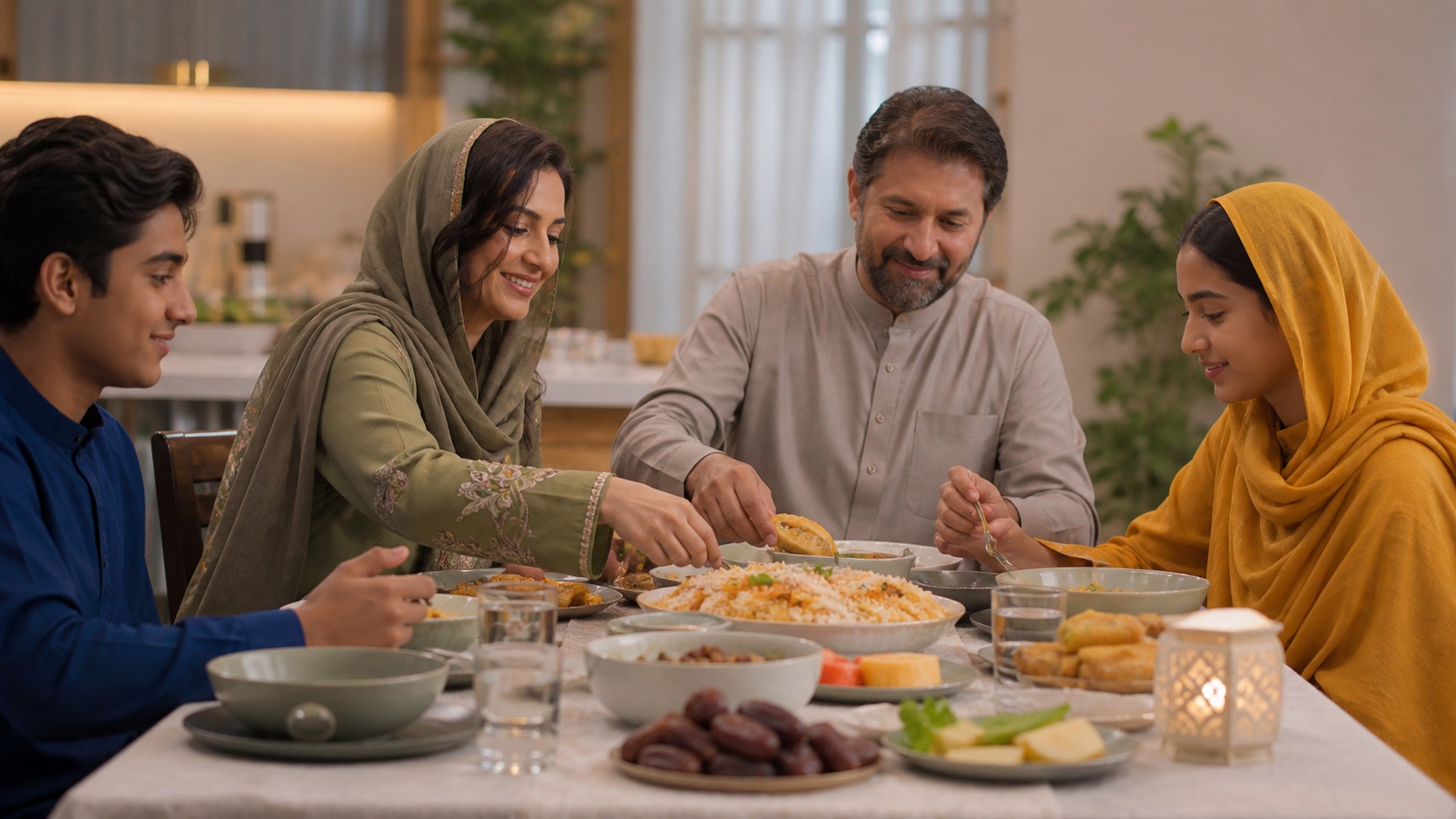
A Pakistani Ramadan meal plan that avoids daily exhaustion
Hassan Raza · 19 Jul 2026 · 2 min
Ramadan freezer prep: what freezes well and what does not
Hassan Raza · 13 Sep 2026 · 16 min
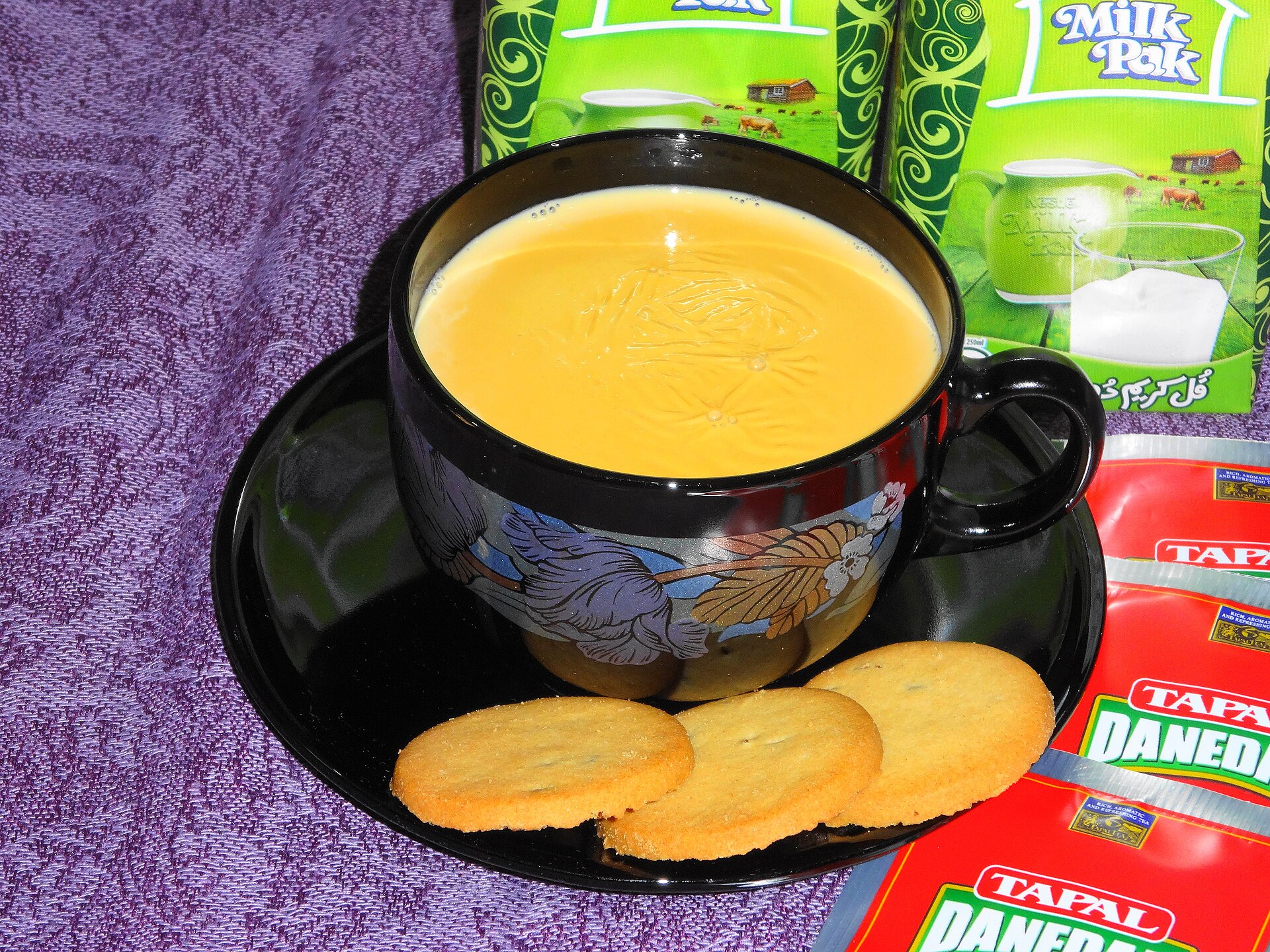
Family iftar timing when everyone comes home at a different hour
Hassan Raza · 13 Sep 2026 · 15 min
Readers
The conversation
0 notes
Anyone can leave a note. Guests add a name and email — no account required, and the email is never published.
No notes yet. Yours would be the first.