Recipes
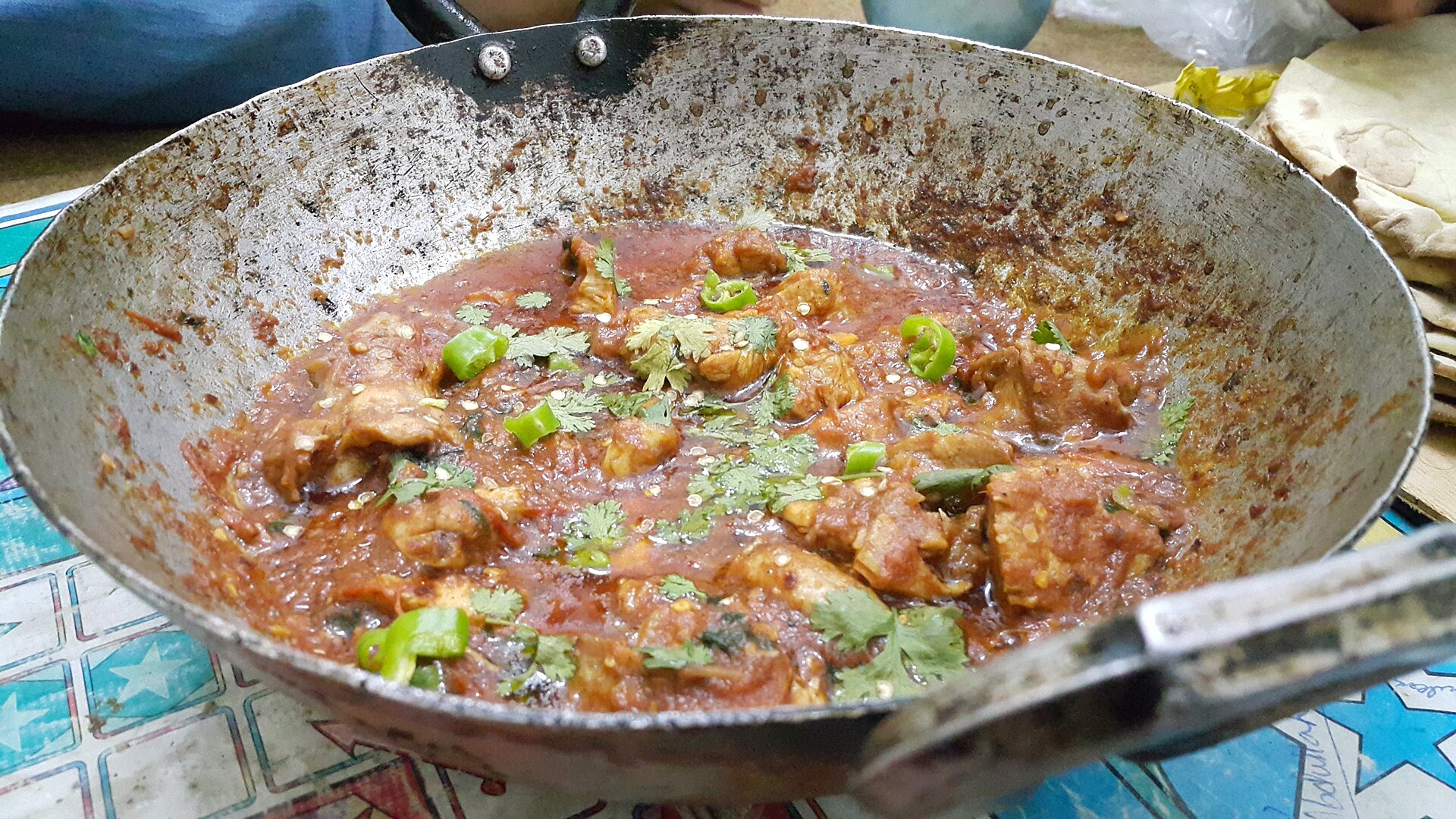
Authentic chicken karahi without a jar sauce
A chicken karahi method driven by tomato reduction, fierce heat and a finish that stays fresh.
By Hassan Raza
Food editor
2 min read
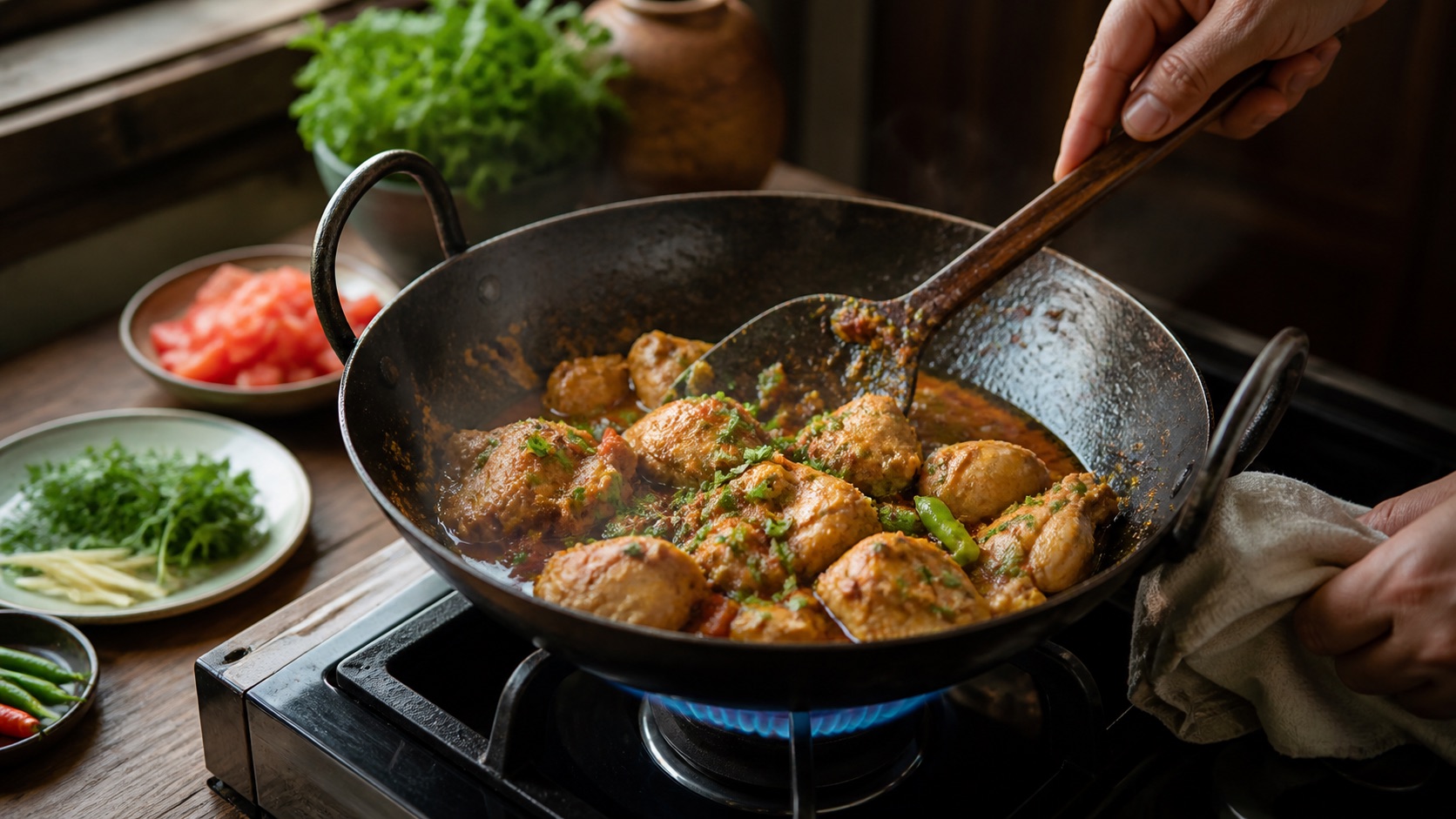
Karahi is not improved by hiding it beneath a longer spice list. Its confidence comes from chicken, tomato, ginger, chilli and fat being cooked until each is louder because the others are present.
Use a wide pan that gives steam somewhere to escape. Heat oil or ghee, brown bone-in chicken in batches if necessary, and season it. The surface need not become roast-chicken dark, but the raw exterior should disappear before tomatoes flood the pan.
Tomatoes must become sauce, not remain pieces
Add ripe chopped tomatoes and cook hard enough to collapse them. Cover briefly only if they need help softening, then uncover. Press skins out if that is your household’s preference. The important stage is bhunai: water evaporates, the sound sharpens and fat begins to appear around a thick masala that grips the chicken.
Crushed coriander and black pepper can provide warmth without turning the gravy muddy. Add ginger in two moments—some while cooking, fine matchsticks at the end—so it contributes both depth and brightness. Green chillies also change character with timing; cooked chilli integrates, fresh chilli announces itself.
Cook until the thickest chicken pieces reach a safe internal temperature, checking without relying on gravy colour. Rest briefly so juices settle. Finish with fresh coriander, ginger and chilli after lowering the heat. Lemon is optional and should correct heaviness, not make the dish sour.
Serve immediately with naan or roti from a dish wide enough to keep the chicken coated. For a crowd, use two pans rather than doubling depth in one vessel; evaporation is the technique, and a stockpot changes it. The finished karahi should leave streaks when bread crosses the pan. That concentrated last spoonful is why no jar was needed.
Make the first batch on an ordinary evening. Karahi rewards attention, and attention is easier to learn when nobody is waiting beside a decorated table.
Use the same pan again while the lesson is fresh.
Filed under
Keep reading
Related stories
More from this desk, this beat, and the tags on this piece.
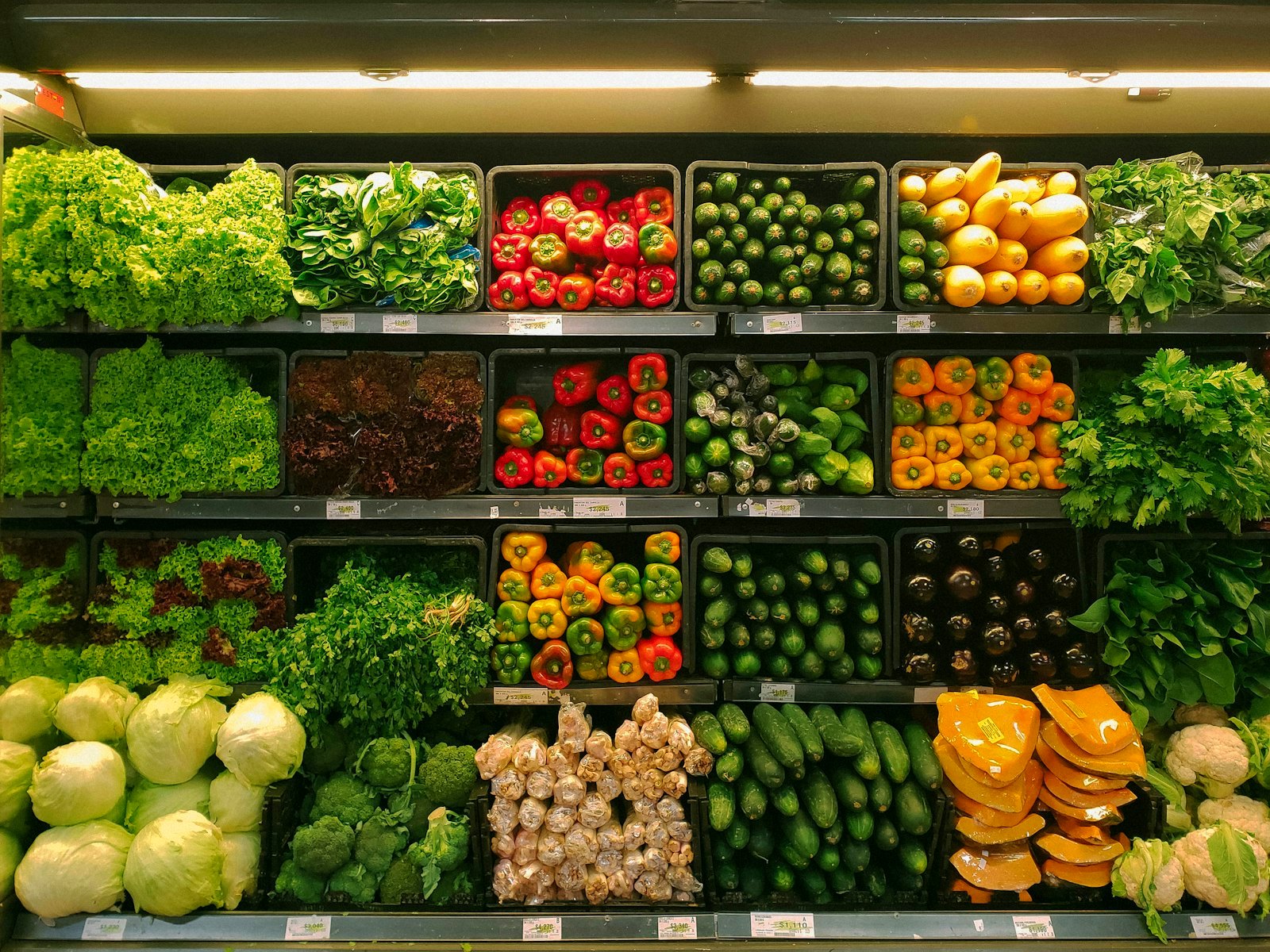
Pakistani freezer cooking: 12 components that save a weeknight
Hassan Raza · 18 Jul 2026 · 2 min
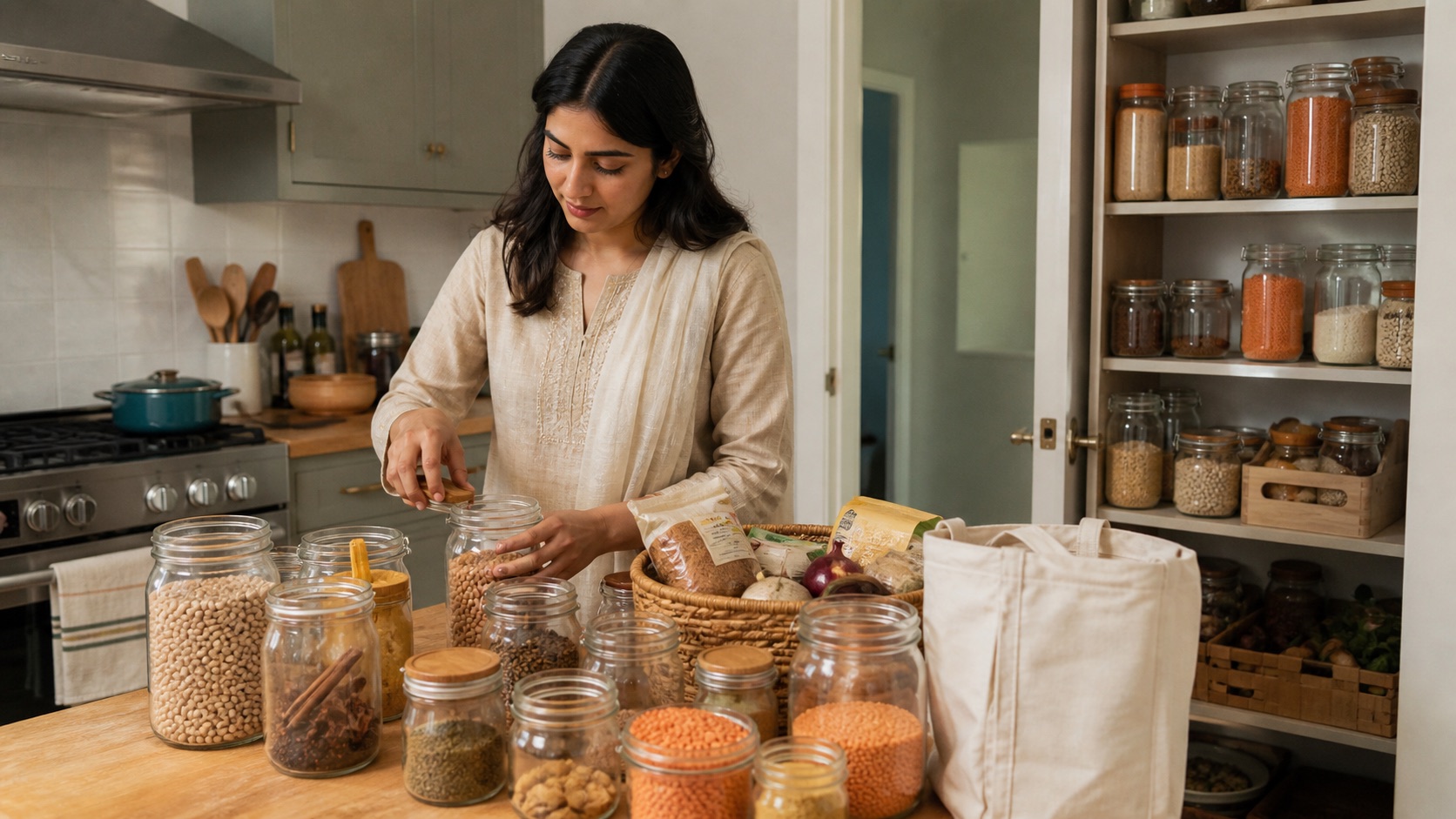
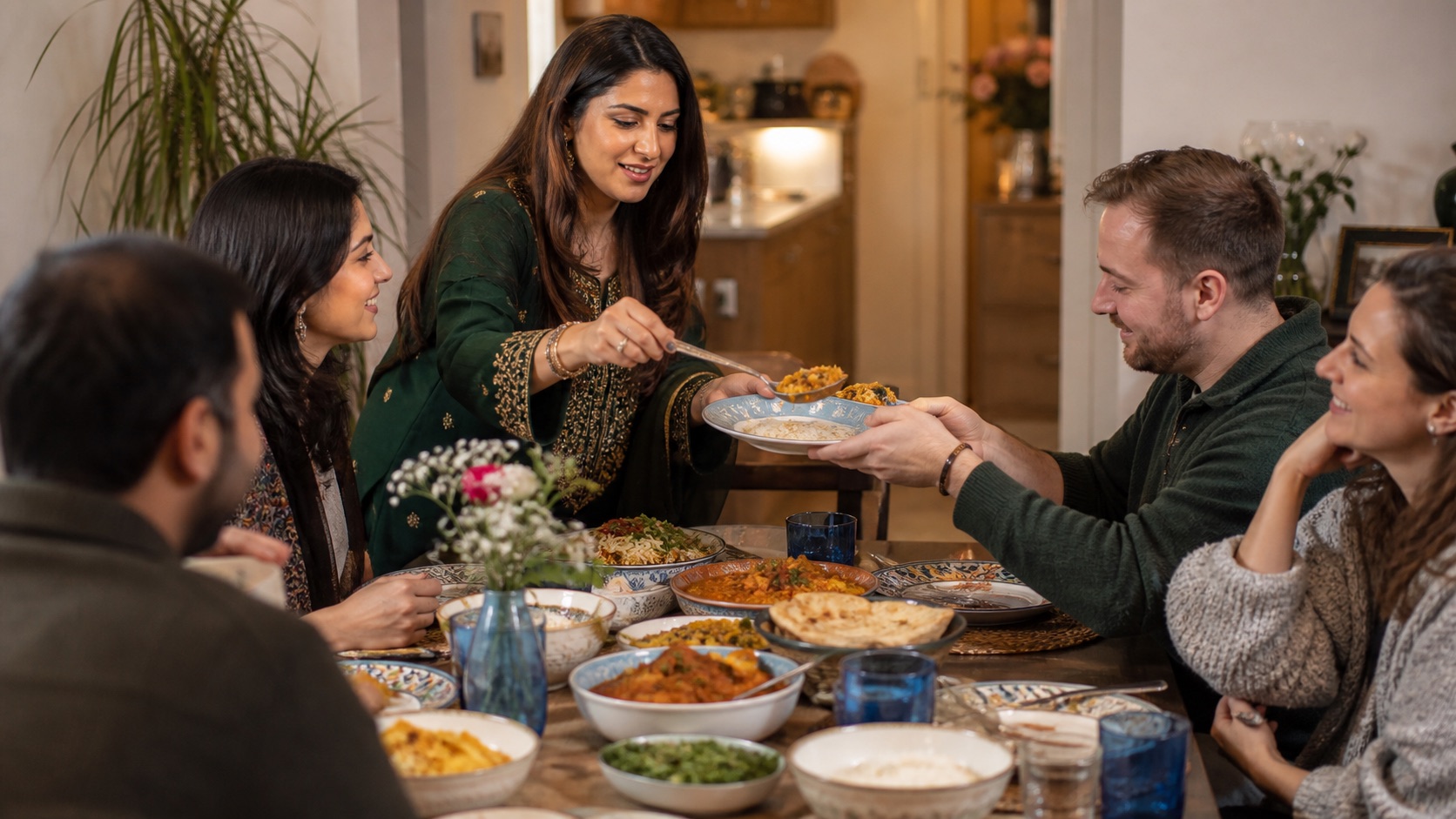
How to host a Pakistani dinner for guests new to the cuisine
Hassan Raza · 20 Jul 2026 · 2 min
Palak gosht: keeping spinach bright enough and meat tender
Hassan Raza · 13 Sep 2026 · 15 min
Pakistani chicken patties with crisp pastry and a dry filling
Hassan Raza · 13 Sep 2026 · 14 min
Readers
The conversation
0 notes
Anyone can leave a note. Guests add a name and email — no account required, and the email is never published.
No notes yet. Yours would be the first.