Recipes
How to build a Pakistani pantry from scratch
A meal-led Pakistani pantry that starts small, turns ingredients over and avoids buying every spice at once.
By Hassan Raza
Food editor
2 min read
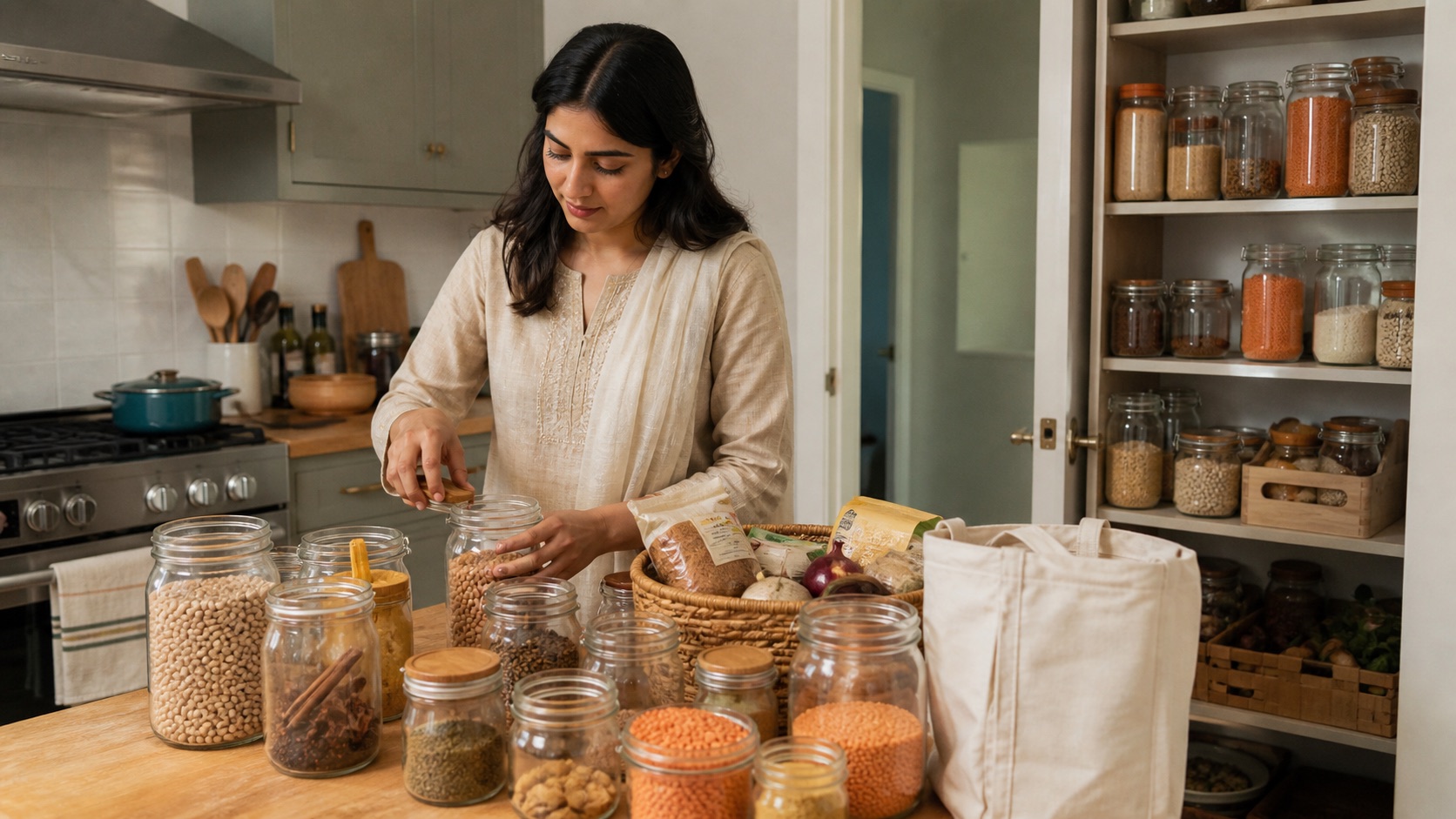
Build the pantry from six dinners, not from an alphabet of spices. Choose dishes your household will cook this month, circle their shared ingredients and buy those first. A smaller jar used while aromatic is more valuable than a bargain sack ageing above the fridge.
The first shelf
- Basmati or the rice required by your regular dishes.
- Masoor plus one slower lentil such as chana dal.
- Whole cumin and coriander, turmeric, chilli and garam masala.
- Tinned tomatoes, chickpeas, salt and a cooking fat.
- Ginger, garlic and green chilli bought fresh or prepared and frozen safely.
| Add later | When it earns space |
|---|---|
| Ajwain | You cook pakora, paratha or dishes that use its specific aroma |
| Black cardamom | You make pulao, yakhni or slow meat dishes |
| Amchur/anardana | Your chaat and kebab recipes need dry acidity |
| Special rice/flour | A named recipe enters the monthly plan |
Label for the next cook
Date opened spices and decanted dry goods. Keep ingredients dry, sealed and off the floor; use older stock first. Write the local and English name where confusion is possible. If allergies matter, retain original packaging and ingredient information rather than relying on an unlabelled jar.
Review after a month. Replace what ran out, remove what nobody enjoyed and add one ingredient tied to one planned dish. A pantry becomes Pakistani through the cooking it enables, not the number of packets displaying familiar typography.
Buy whole spices from a shop with visible turnover and compare unit price, not package price. Transfer only into clean, fully dry containers. Keep a marker beside the shelf so dates are easy rather than aspirational.
Plan a rescue meal for tired evenings: daal from the freezer, rice, achar and yoghurt, or chickpeas with a quick tarka. This prevents ingredients and money being abandoned for emergency delivery. If half a bunch of coriander dies each week, buy less or freeze a prepared component.
Keep one empty shelf section. A pantry needs room for circulation, cleaning and the ingredients of next month’s cooking.
Filed under
Keep reading
Related stories
More from this desk, this beat, and the tags on this piece.
Pakistani freezer cooking: 12 components that save a weeknight
Hassan Raza · 18 Jul 2026 · 2 min
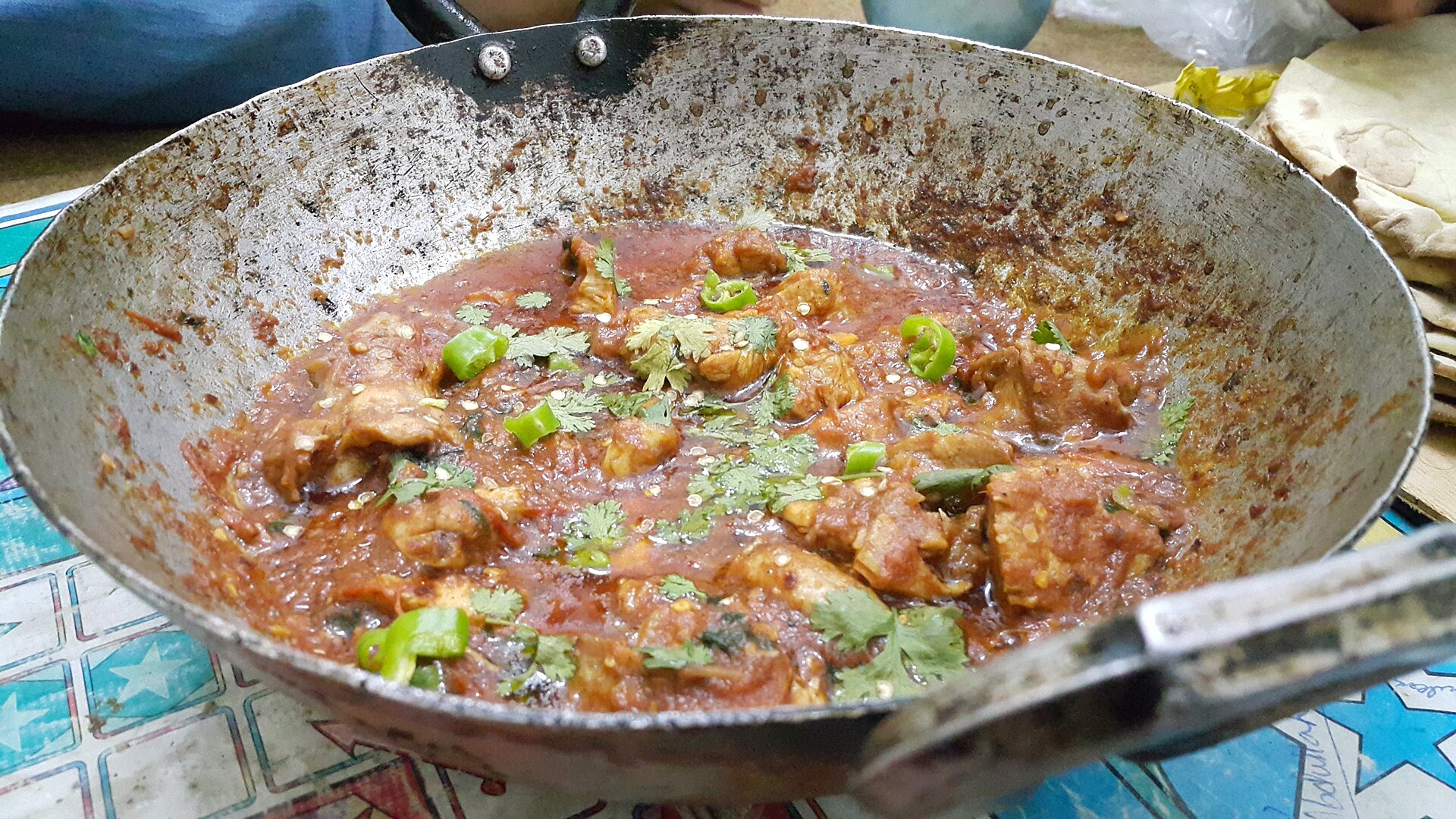
Palak gosht: keeping spinach bright enough and meat tender
Hassan Raza · 13 Sep 2026 · 15 min
Pakistani chicken patties with crisp pastry and a dry filling
Hassan Raza · 13 Sep 2026 · 14 min
Readers
The conversation
0 notes
Anyone can leave a note. Guests add a name and email — no account required, and the email is never published.
No notes yet. Yours would be the first.