Recipes
How to host a Pakistani dinner for guests new to the cuisine
A welcoming Pakistani dinner that explains just enough and lets the food do the rest.
By Hassan Raza
Food editor
2 min read
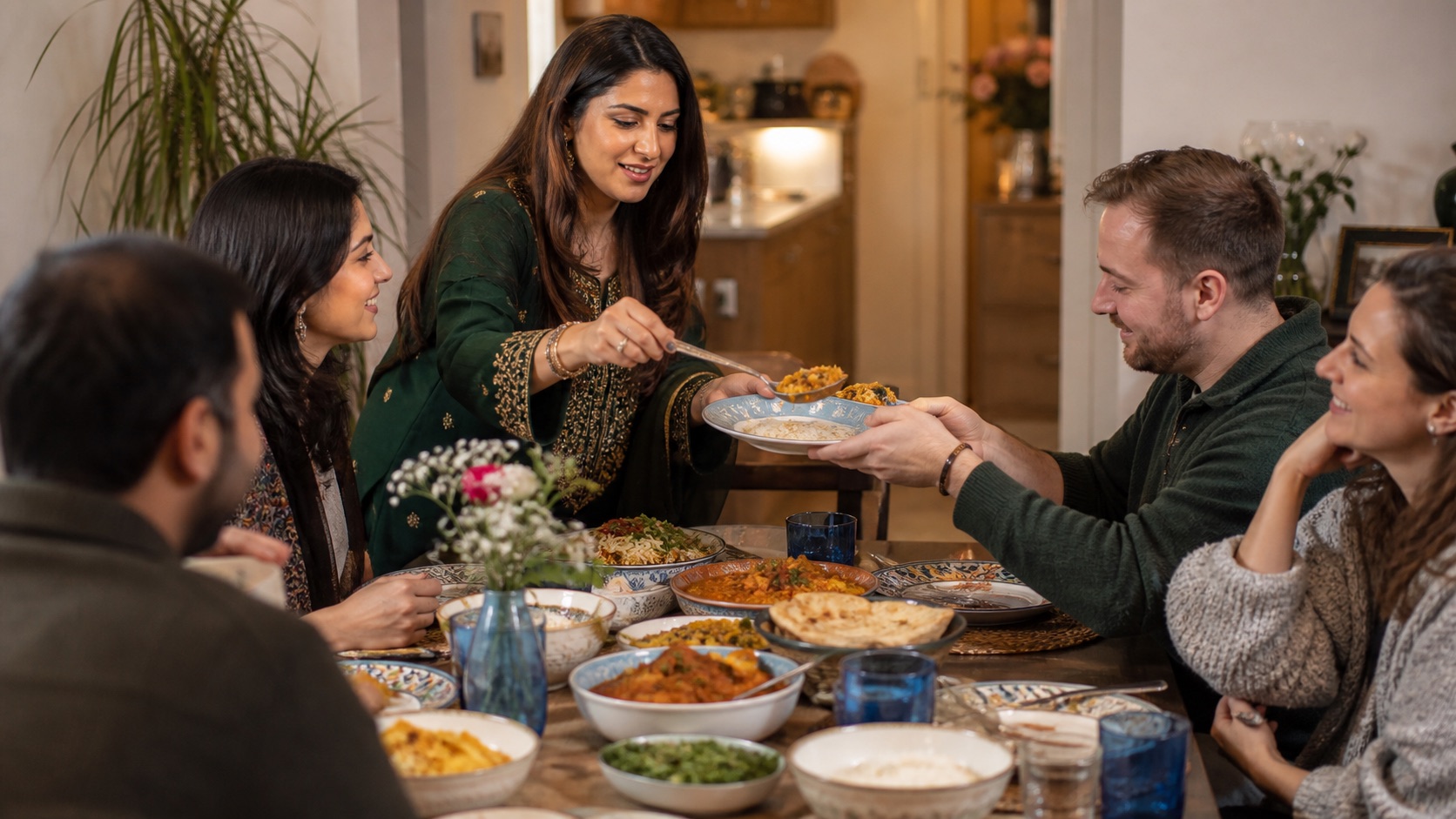
Your guests do not need a lecture before they are allowed to eat. They need to know what contains nuts, which dish is hot with chilli, how the bread is shared and that asking for another spoon is welcome.
Build the menu around contrast rather than quantity. One rice dish or bread, one main salan, one daal or vegetable, something cold and something sharp can tell a fuller story than two biryanis, three gravies and an anxious host. Choose dishes you have cooked before. Representation is a poor reason to attempt haleem for the first time at six o’clock.
Write a menu people can use
Name each dish and describe it in one ordinary line: “chana dal, a split-chickpea stew with cumin and garlic.” Mark allergens accurately and discuss serious allergies with the guest before planning; do not promise a safe version when your kitchen cannot control cross-contact. Keep serving spoons separate.
Tell people whether dinner is plated, passed or self-served. Put rice before gravy in the serving direction, breads in a cloth-lined basket and condiments where they can be reached without leaning over hot dishes. Offer small first portions. Guests can return once they understand the flavours.
Give one sentence of context when it adds pleasure: this pulao is made from your father’s method, or this karhi is the food your family cooks on rainy days. Avoid declaring a regional or household version the only authentic one. Pakistani cooking contains arguments because it contains people.
Serve dessert after the table has breathed. Chai can arrive in smaller fresh pots rather than waiting cooked on the stove. Package leftovers only if they were handled safely, and send reheating instructions when useful. A successful first Pakistani dinner ends with guests remembering a taste and a story—not worrying that they used the wrong hand for the spoon.
Before guests arrive, taste the dishes together and remove anything redundant. Set aside clearly labelled dietary portions before serving spoons travel. Then close the kitchen long enough to greet people properly.
Filed under
Keep reading
Related stories
More from this desk, this beat, and the tags on this piece.
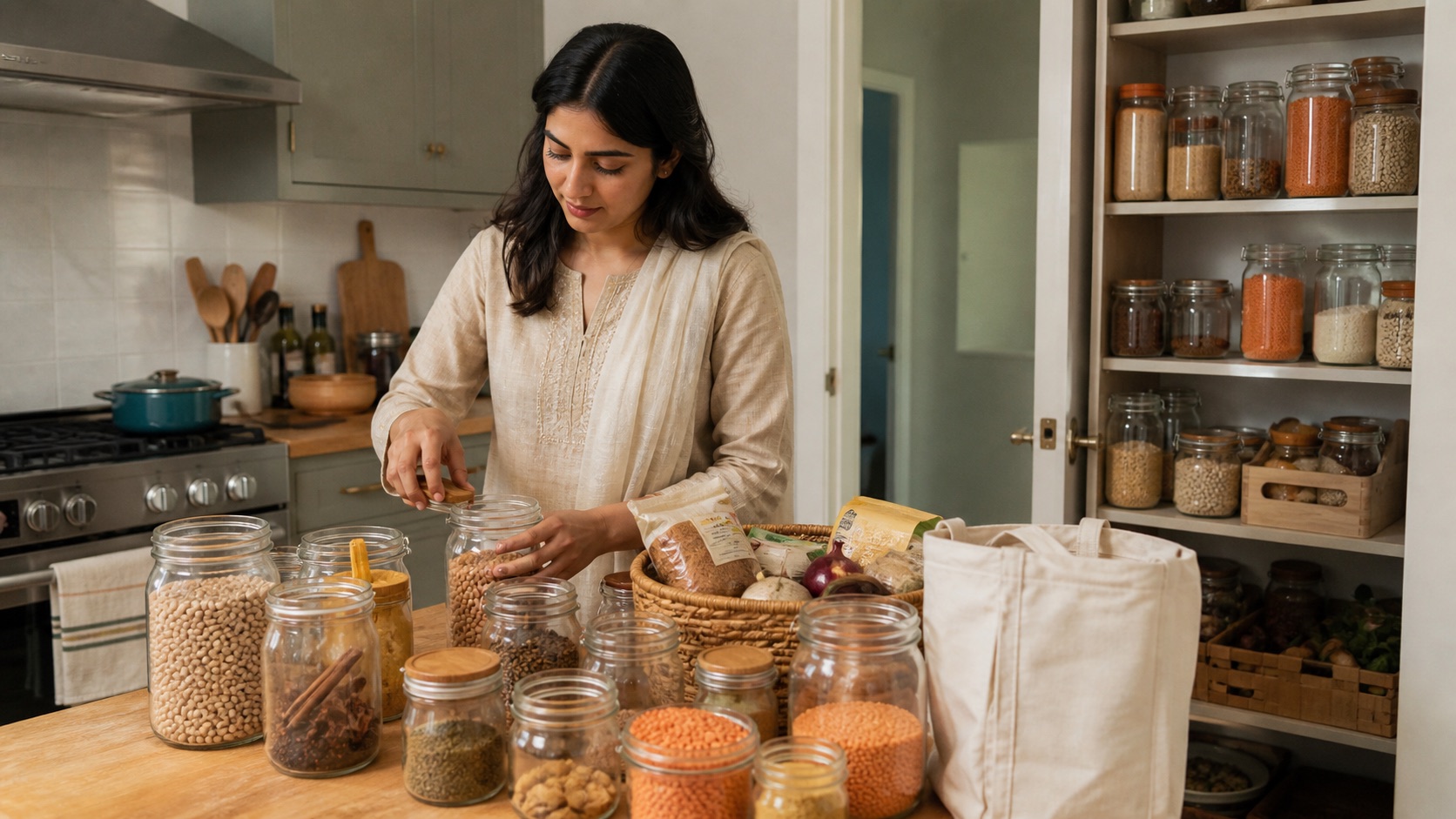
Pakistani freezer cooking: 12 components that save a weeknight
Hassan Raza · 18 Jul 2026 · 2 min
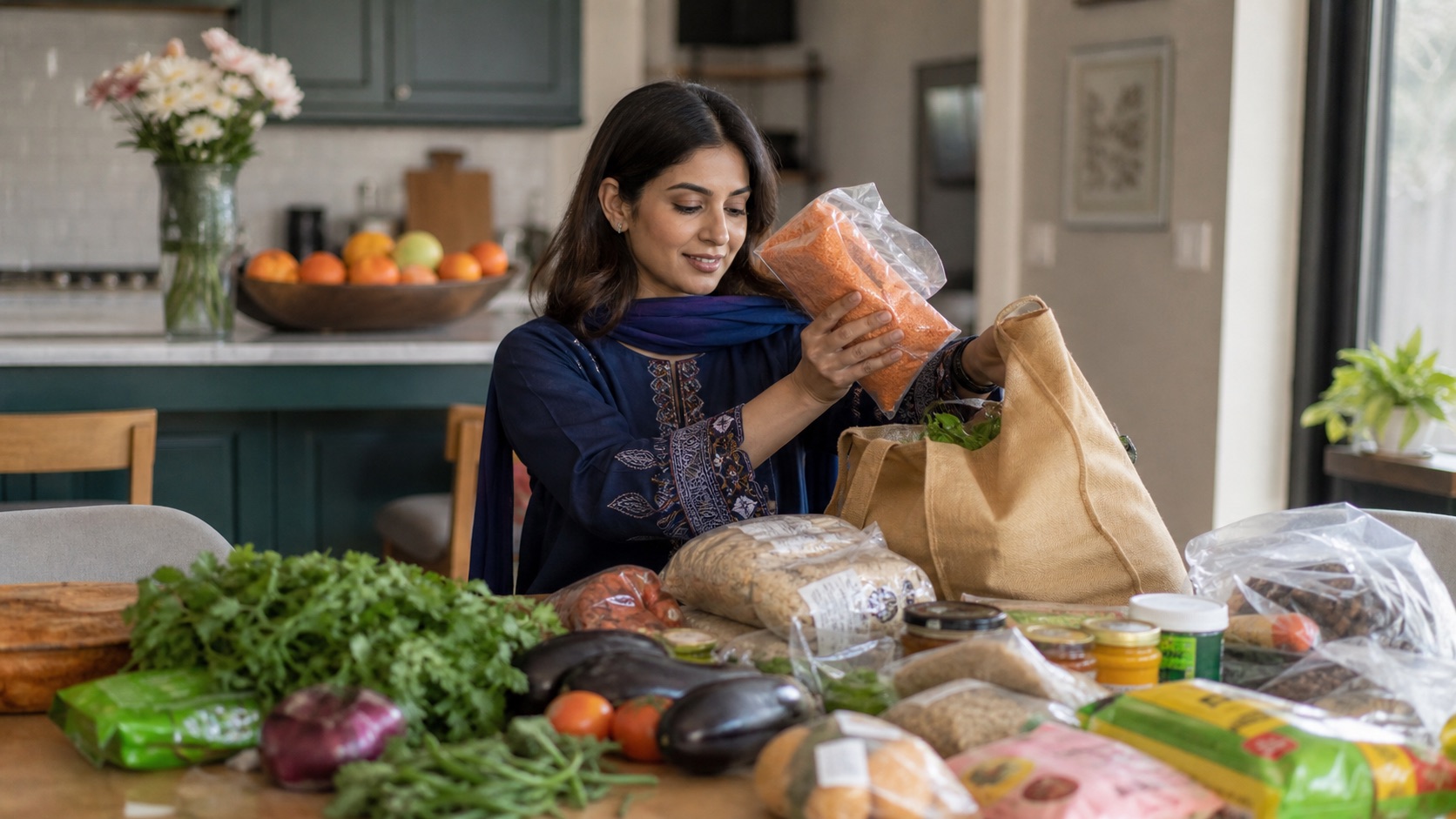
Pakistani grocery shopping in the USA: a complete pantry guide
Hassan Raza · 21 Aug 2026 · 2 min
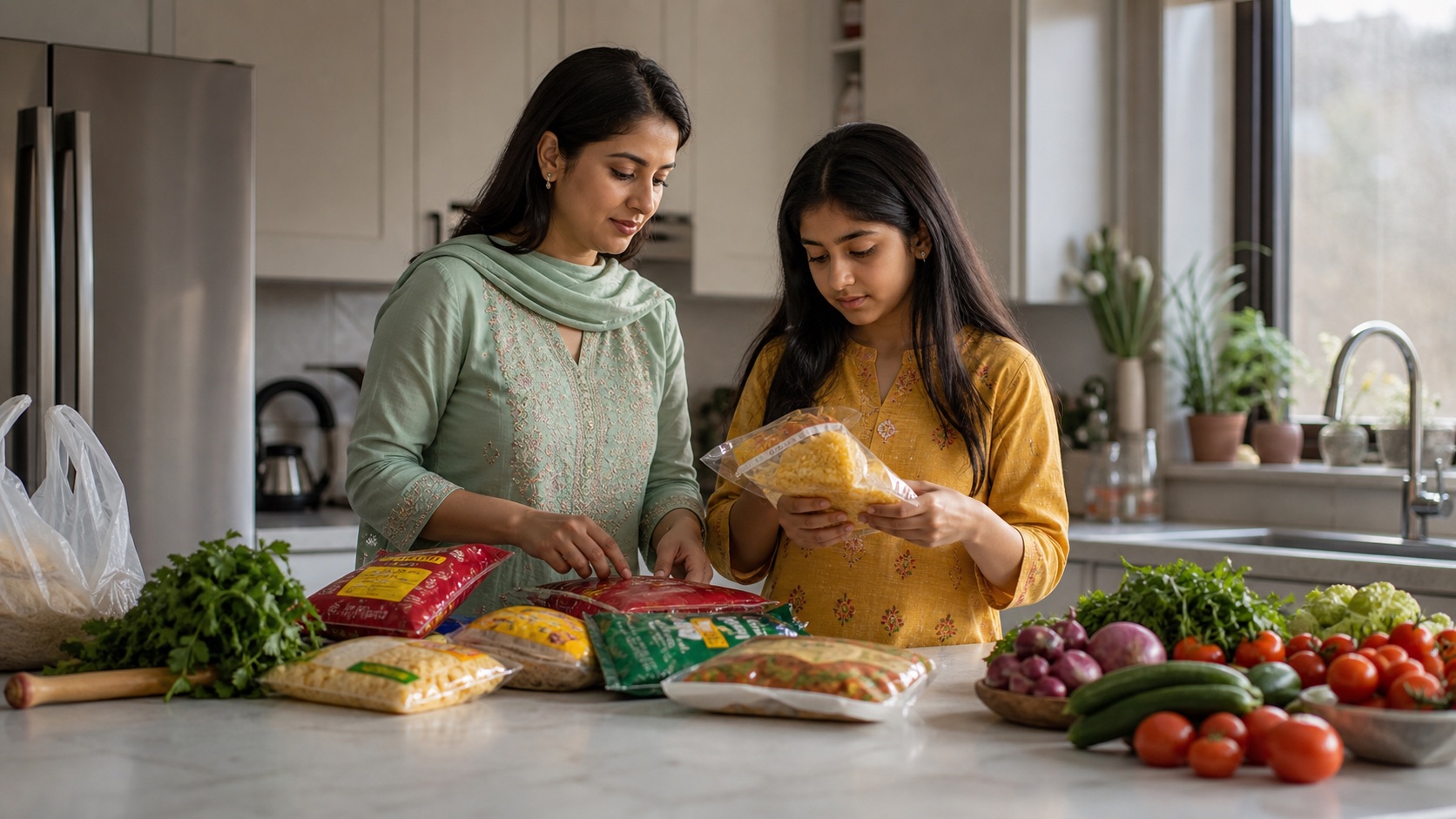
Pakistani grocery shopping in the UK: pantry, freezer, and fresh food
Hassan Raza · 20 Aug 2026 · 2 min
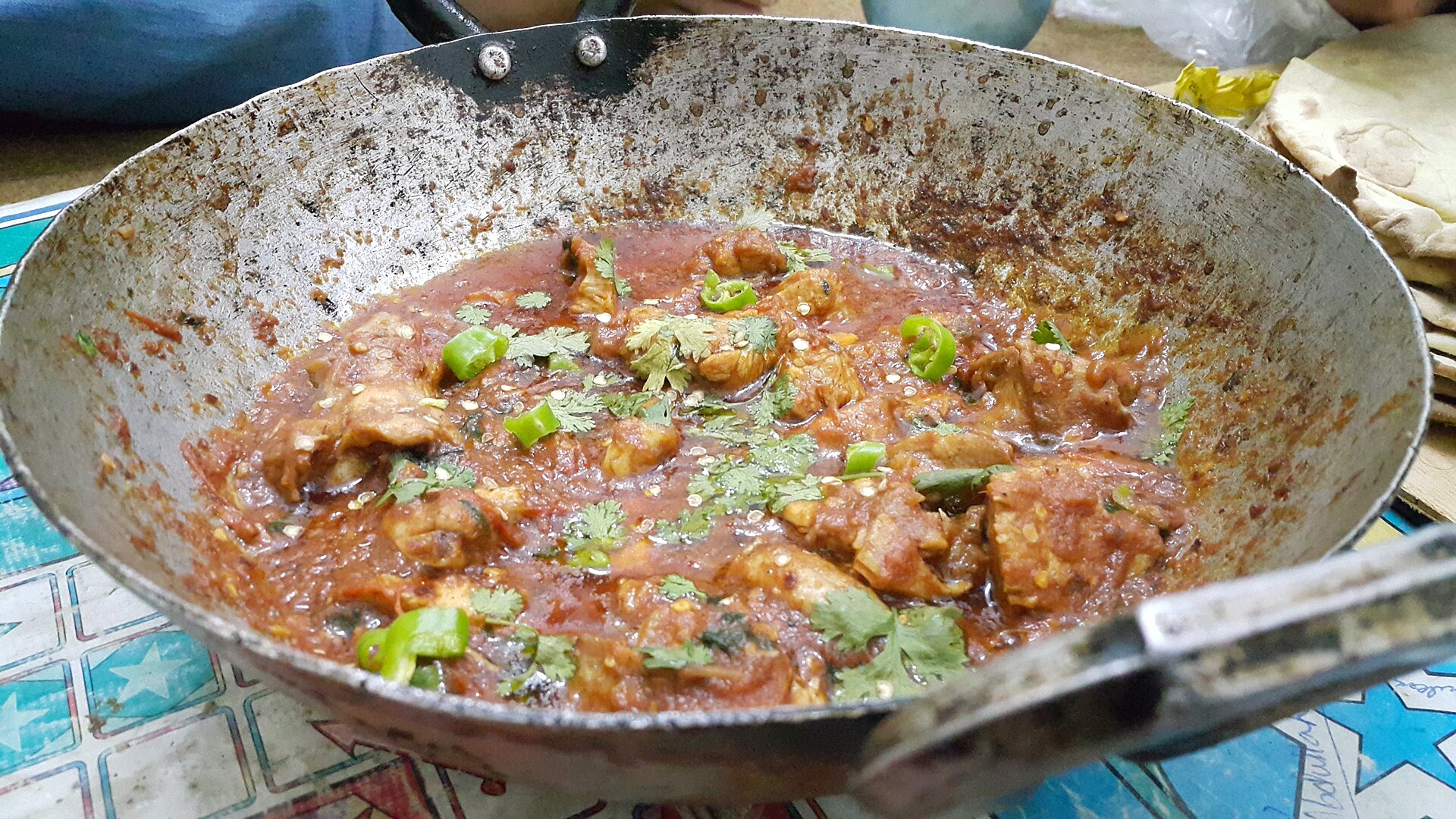
Palak gosht: keeping spinach bright enough and meat tender
Hassan Raza · 13 Sep 2026 · 15 min
Readers
The conversation
0 notes
Anyone can leave a note. Guests add a name and email — no account required, and the email is never published.
No notes yet. Yours would be the first.