Road trips
Pakistan road-trip planning: drivers, distances, and daylight
Plan a Pakistan road trip around driver agreements, daylight arrivals, cabin kit, and morning go/no-go calls—not map kilometres alone.
By Mehreen Ali
Travel editor
7 min read
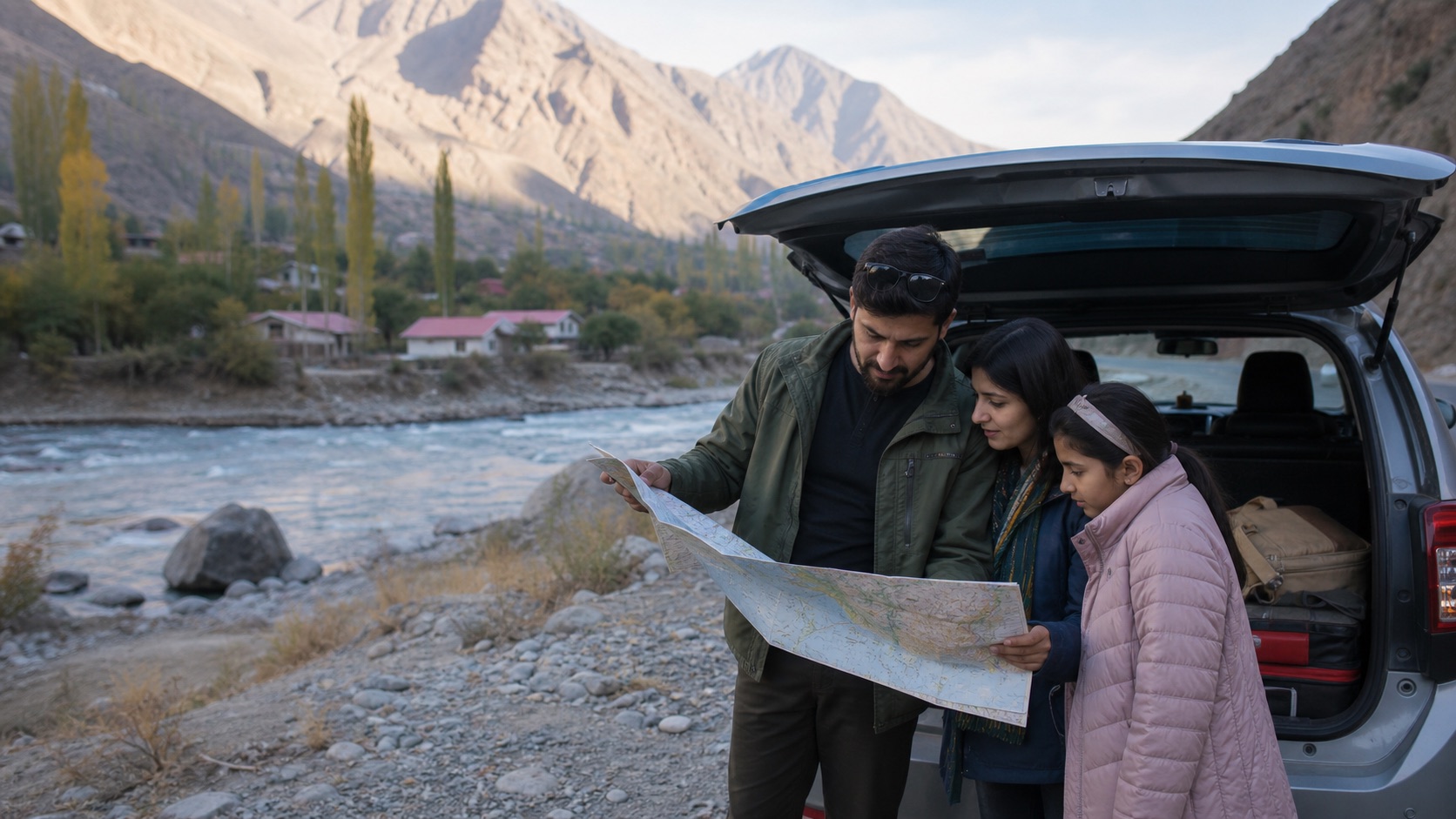
A distance in kilometres is not a journey time. City exits, construction, checkpoints, weather, fuel stops, and mountain traffic can turn a short map line into the entire day. Plan a Pakistan road trip around driver welfare and daylight arrivals—not around the fantasy that the road will behave like a brochure.
This framework covers hired drivers and self-drive travellers alike. Routes, advisories, and road conditions change. Check current official advice for the specific districts you intend to enter before you lock hotels or prepaid activities. Travellers using UK guidance as a baseline should start with the current FCDO Pakistan travel advice. For motorway and national-highway corridor context inside Pakistan, monitor notices from the National Highway Authority rather than relying on a static map screenshot.
Write a driver agreement, not an assumption
Confirm the named driver, vehicle type, seat belts for every passenger, luggage space, fuel responsibility, tolls, meals, overnight accommodation, maximum working hours, and rest breaks. Ask who decides when weather, fatigue, or a blocked road makes progress unsafe. If the answer is always “the paying passenger,” choose another arrangement.
- Named driver and vehicle type in writing before the first morning.
- Seat belts for every seat that will be occupied.
- Who pays fuel, tolls, meals, and overnight lodging—and when.
- A daily kilometre or hour ceiling with a genuine rest break built in.
- A clear rule that darkness, fog, or fatigue ends the day’s driving.
Agree a daily kilometre or hour ceiling that leaves margin. A driver who has already worked a full day in city traffic is not fresh for a night mountain transfer because a WhatsApp message says the road is fine. Schedule a genuine rest day after two demanding road days. Never ask a driver to race a closing attraction or recover a delayed start by driving into darkness.
Translate distance into daylight
Plan to arrive in daylight, particularly on an unfamiliar or mountain road. Work backward from sunset with buffers for tea stops, punctures, and slow trucks. An Islamabad–Murree climb, a northern valley transfer, or a long motorway exit into an unfamiliar city each punish dusk differently: glare, fog, animals on the verge, and limited shoulders are ordinary risks.
Motorway segments can look efficient on a map and still lose hours at city exits, fog, or construction. Mountain roads can look short and still demand a full day when landslide clearance or single-lane holds appear. Write the day’s destination as a town you can reach early enough to check in, eat, and stop—not as a viewpoint timed to the last photograph.
As a planning habit, treat “map hours plus 30–50%” as a starting buffer on mixed city-and-hill days until you know the corridor. If sunset is at 6:30 p.m., a destination that “should” take five hours needs a morning departure that assumes closer to seven once stops and delays appear.
Corridor types, not one speed
| Corridor type | What usually steals time | Planning habit |
|---|---|---|
| Motorway / expressway | City exits, fog, construction, toll queues | Protect the exit hour, not only the cruise |
| National highway through towns | Local traffic, markets, slow vehicles | Avoid peak bazaar hours when you can |
| Hill / northern valley roads | Landslip holds, single-lane stops, weather | Daylight arrival non-negotiable |
| Long desert or sparse stretches | Fuel gaps, heat, limited services | Fuel early; cabin water non-optional |
Cabin kit that matches delays
- Water, food, and medicine in the cabin—delays do not follow meal times.
- Offline map plus a written destination when signal and batteries fail.
- Warm and waterproof layers; altitude and weather change quickly.
- Power bank and emergency contacts that do not depend on one phone.
- Paper copies of hotel phone numbers when screens die.
Check NHA travel-advisory style notices for fog, maintenance, and corridor updates when your route uses national highways or motorways. Those notices will not replace local judgement on a hill road, but they beat a screenshot from last year.
Prepare the passengers
Discuss motion sickness, toilet needs, and meal timing before setting out. Secure luggage so sudden braking does not turn bags into hazards, and keep the rear window clear. Photograph the vehicle and registration for your private trip record. Children need water, snacks, and a realistic stop plan; “we’ll find something” is not a plan on a sparse stretch.
Tell someone outside the vehicle the route and expected arrival, but avoid broadcasting live location publicly. At checkpoints, follow lawful instructions and keep photography equipment away unless permission is explicit. A driver’s willingness does not change your insurance cover; some routes may fall within government warnings or policy exclusions. Read the FCDO warnings and insurance notes for the districts on your itinerary before you prepay activities you cannot safely reach.
Make every morning a go/no-go decision
- Check the driver’s rest, weather, local road reports, fuel range, and expected daylight before bags enter the vehicle.
- Agree the next safe stopping point and an alternative town if progress slows.
- Confirm where the first-aid kit, spare tyre, and documents are—without pretending those supplies replace professional help.
- At day’s end, set tomorrow’s departure only after the driver has assessed conditions and had a protected rest period.
“Available all day” should never mean continuously behind the wheel. Missing a stop is cheaper than converting fatigue, darkness, or weather into a test of courage. The road trip succeeds when every person arrives alert enough to experience the destination.
Hotels, prepaid activities, and the sunk-cost trap
Prepaid ziplines, jeep segments, and non-refundable rooms create pressure to “make the day” after a slow morning. Build cancellation or moveable booking habits where you can, and decide in advance which prepaid item you will abandon if the go/no-go call fails. A driver who knows you will not punish them for an honest stop is safer than a driver managing your sunk costs.
Arrive with enough daylight to check into the hotel, confirm tomorrow’s road notes, and eat without rushing. Evening planning meetings in a tired car park produce optimistic schedules. Do the planning after rest, with the offline map open and the FCDO district list checked against the actual towns on tomorrow’s line.
If your group includes elders or young children, shorten the daily ambition further. The scenic overlook is not worth a dusk descent on a road you have not driven before. Photograph less; arrive earlier.
Self-drive specifics without bravado
If you are driving yourself, add licence, permit, and local traffic-rule checks to the same go/no-go list. Do not assume a familiar motorway habit from another country transfers cleanly to mixed national-highway behaviour. Night driving on unfamiliar hill roads is not a badge; it is a common way to erase the next day’s plans. Hire locally when fatigue or route complexity exceeds your honest capacity.
Keep fuel strategy conservative on sparse stretches: top up earlier than the warning light, and do not treat a scenic detour as free when it burns the margin you needed for daylight arrival. Share the go/no-go criteria with every adult in the car before day one so the decision is not renegotiated under peer pressure at a scenic pull-off. Write the next safe town on paper before you leave each morning. The discipline is dull on paper and protective on the road.
Sources and official profiles
Filed under
Keep reading
Related stories
More from this desk, this beat, and the tags on this piece.
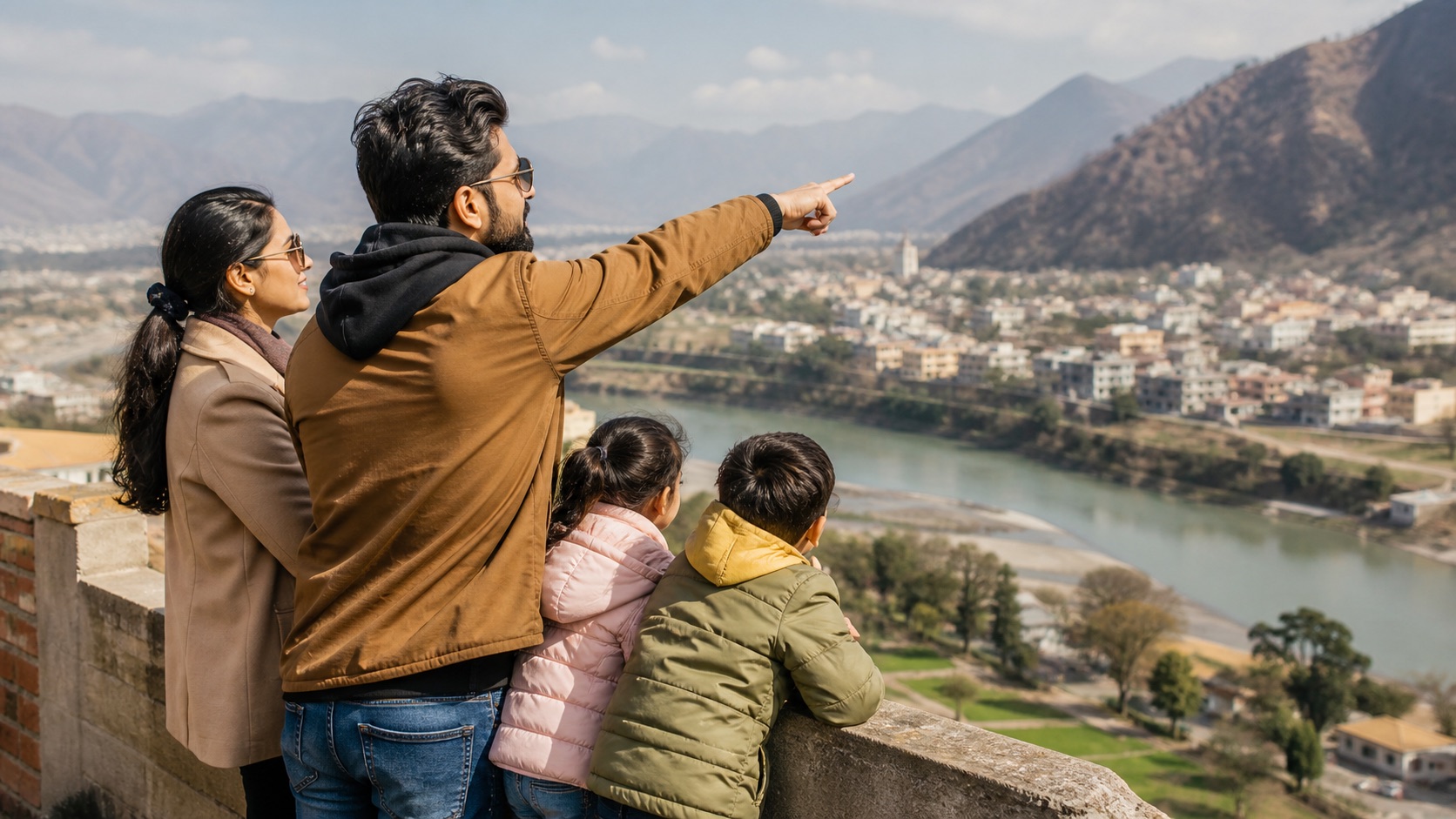
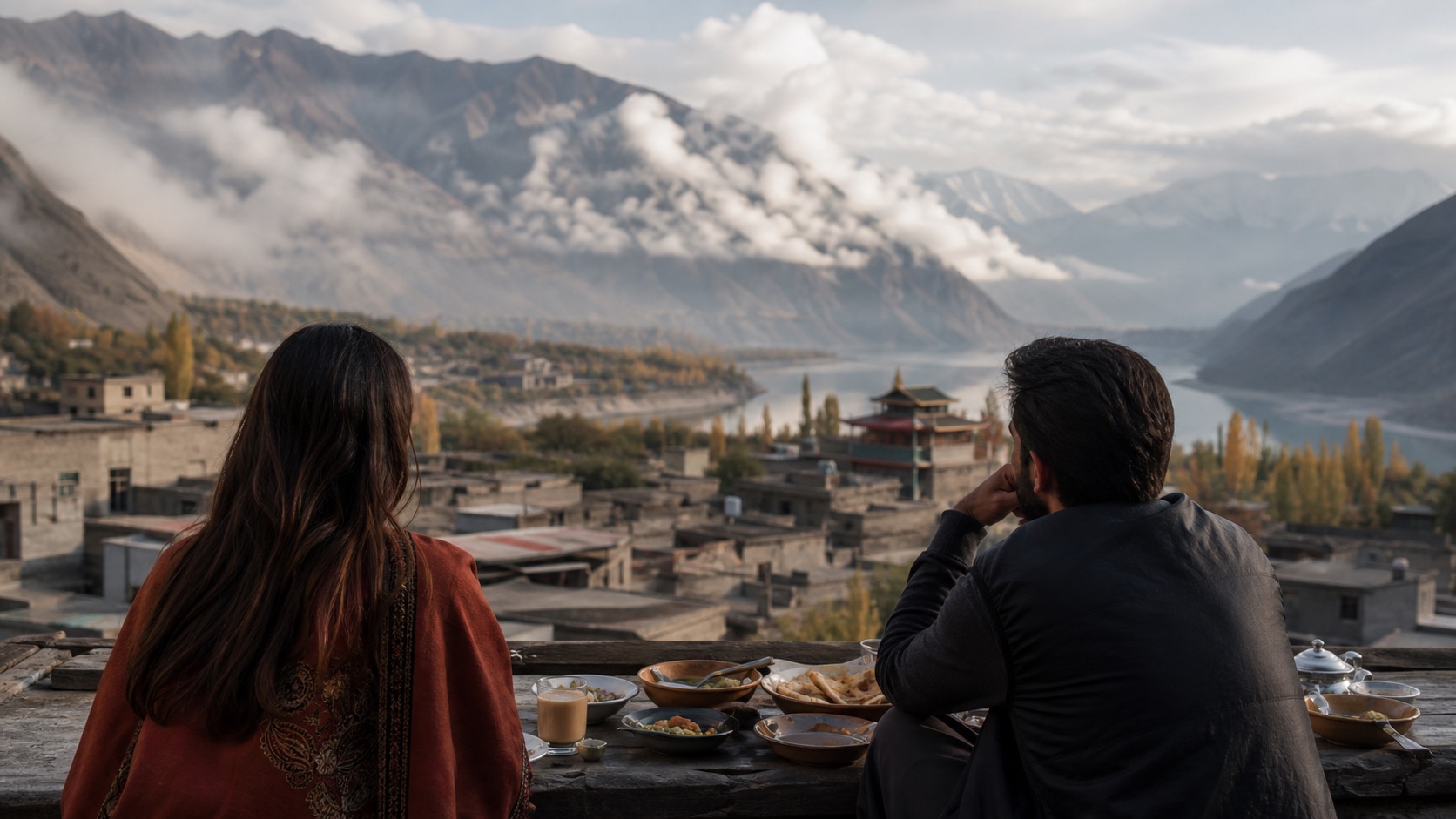
Two weeks in Pakistan: an itinerary that does not rush the country
Mehreen Ali · 6 Aug 2026 · 2 min
Pakistan family road-trip checklist: car, food, prayer and boredom
Mehreen Ali · 13 Sep 2026 · 17 min
Multan to Bahawalpur and Cholistan: a two-night road trip
Mehreen Ali · 13 Sep 2026 · 15 min
Skardu road journey: planning for delays instead of pretending they will not happen
Mehreen Ali · 13 Sep 2026 · 16 min
Readers
The conversation
0 notes
Anyone can leave a note. Guests add a name and email — no account required, and the email is never published.
No notes yet. Yours would be the first.