Pakistan in monsoon season: plan around water, not just rain
Monsoon travel problems are usually about flooded roads, landslides and delayed transport rather than getting wet. Build flexibility into city and northern itineraries.
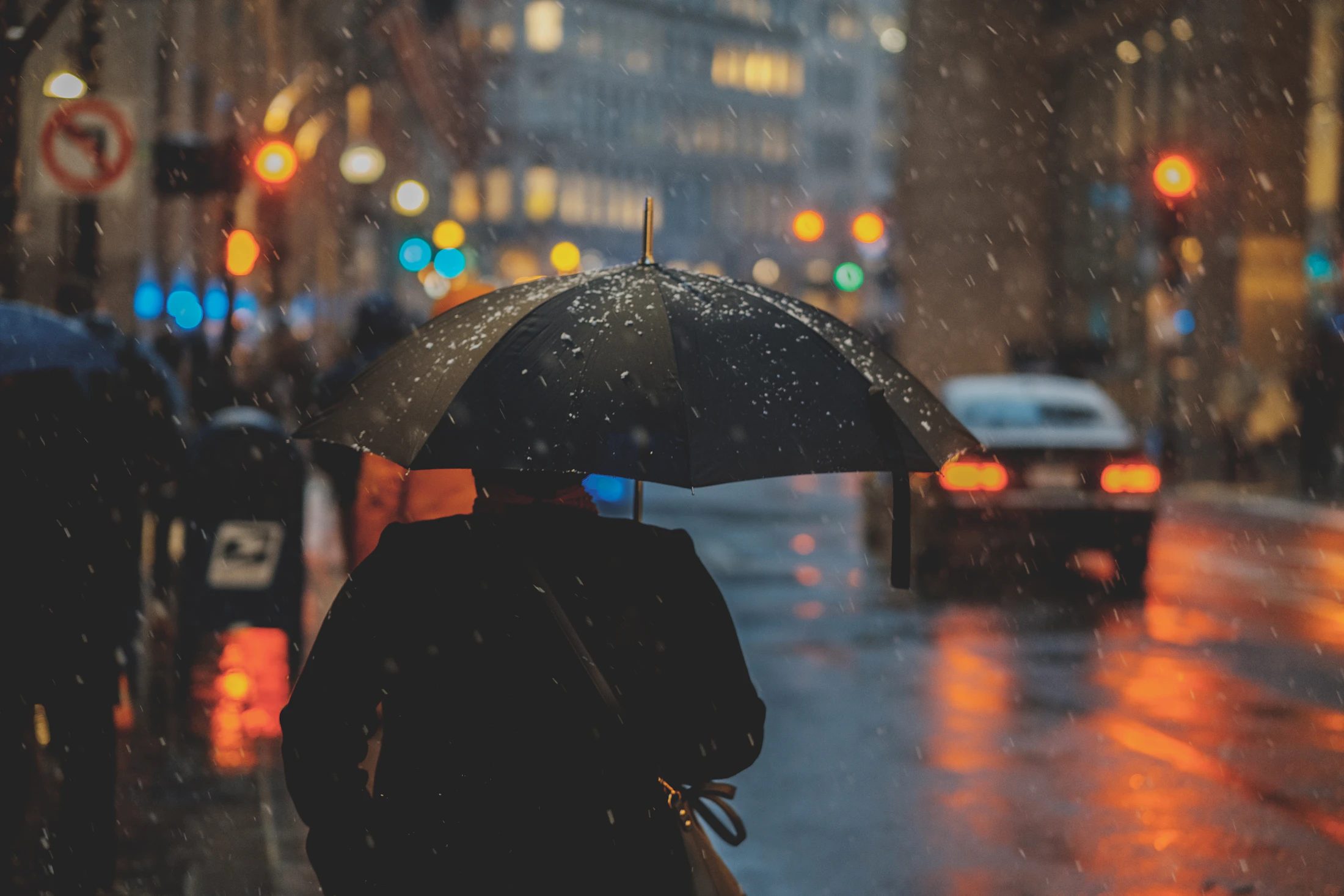
Monsoon packing lists focus on umbrellas. The bigger travel issue is what water does to roads, drains, slopes and timetables.
Check weather at the route level
Rain in Islamabad does not tell you what is happening on a mountain road hundreds of kilometres away. Use current Pakistan Meteorological Department information plus local road updates.
Urban flooding can turn a short drive into hours
Low-lying roads in major cities can flood after intense rain. Do not drive through standing water when the depth or road surface is unclear.
Mountain rain creates landslide risk
FCDO guidance warns that landslides frequently block or destroy roads in northern Pakistan. A route open in the morning can close later.
Build one empty day into a northern itinerary
A buffer day sounds wasteful until a flight is cancelled or a road closes. It is especially useful before an international departure.
Keep essentials in hand luggage
Medicine, one change of clothes, charger, identification and basic toiletries should not all disappear into a checked bag when weather disruption is likely.
Footwear should dry, not just look waterproof
A shoe that becomes soaked and takes two days to dry is less useful than a grippy walking shoe plus spare socks. In cities, sandals may handle water but offer poor protection on dirty flooded streets.
Do not make floodwater part of the adventure
Floodwater can hide open drains, damaged road surfaces and contamination. Photographs are not worth entering it.
Follow current official travel advice
Pakistan's weather and security picture can change. Check FCDO advice close to travel, especially if a route passes through an area subject to restrictions.
Monsoon travel is possible. The successful itinerary is simply less attached to exact roads, exact hours and the idea that rain is only a clothing problem.
Hotels and hosts are often the best last-mile source
A weather app can tell you rain is falling; the guesthouse can tell you the bridge on the road from the airport is closed. Ask the accommodation what route drivers are actually using that day.
When a road closure affects a wedding or family visit, tell the hosts early. The practical cost of monsoon disruption is often missed pickups, late arrivals and rushed onward travel rather than the rain itself.
Put the non-negotiable requirement first: Pakistan in monsoon season
For Pakistan monsoon travel, identify what can stop the trip completely: a valid passport, visa or identity card, the correct permit, insurance condition, confirmed route or working travel document. Resolve that before spending time on optional details.
Recheck official information close to departure: Pakistan in monsoon season
With Pakistan monsoon travel as the focus, Travel, immigration, driving and document rules can change. Use the official source linked in this article again shortly before you act. A screenshot from a previous trip is useful evidence of what you saw then, not proof of the current rule.
If an agent or relative gives advice that conflicts with the official source, ask for the basis before choosing the more convenient answer.
Plan for the person who needs the most time: Pakistan in monsoon season
In practical terms for Pakistan monsoon travel, Children, older relatives and people with limited mobility change how early you should arrive, how long a connection should be and how often a road journey needs a break. Build those needs into the schedule before buying non-refundable segments.
Ask hotels and transport providers concrete questions—stairs, lifts, walking distance, bathroom access—rather than relying on the word “accessible”.
Money and connectivity need backups: Pakistan in monsoon season
Applied specifically to Pakistan monsoon travel, Carry more than one payment method where practical and keep a backup card separate from the main wallet. Know whether your home SIM must remain active for banking codes even if a Pakistani line handles data.
Download offline maps, addresses and booking details. A phone with no signal should be inconvenient, not capable of stopping the whole journey.
Have one simple Plan B: Pakistan in monsoon season
Preparation around pakistan in monsoon season is successful when an ordinary disruption stays ordinary.

Final practical check
Before acting on pakistan in monsoon season, recheck the part that carries the most cost, risk or time pressure and make sure the advice still matches your circumstances. Save the source, receipt, booking, product directions or family agreement where it may matter later.
Use route-specific forecasts, not a city icon
A generic rain symbol for Islamabad or Lahore tells you little about a mountain road, river crossing or low-lying urban route several hours away. Check Pakistan Meteorological Department information and local road updates for the actual corridor you intend to use, especially before northern travel.
Floodwater changes the decision completely
Standing or moving floodwater can hide road damage, open drains and strong currents. Do not drive or walk through water simply because another vehicle has attempted it. Turn around, wait, or take an alternative route when officials or local operators advise against passage.
Build slack into the itinerary
During monsoon conditions, an empty buffer day can be more valuable than squeezing in one more hotel or sightseeing stop. Keep medicines, chargers, dry clothing and essential documents where a delayed bag or road closure will not leave the family without basics.
Think in corridors, not city forecasts
A forecast for the destination city can hide the weather affecting the road that gets you there. For intercity and northern travel, check the route as a sequence: departure area, motorway or valley, mountain approach and final local road. Rain that seems manageable in one place can create standing water, landslides or visibility problems somewhere else on the same day.
Ask hotels and reputable local operators about the last stretch of road, but use official weather and road warnings for safety-critical decisions. Local knowledge is valuable for what happened this morning; official restrictions matter when a route has been closed or authorities advise against travel.
A buffer day is part of the itinerary
During monsoon season, leaving one uncommitted day around a long road journey can protect the rest of the trip. It is cheaper to absorb a delay than to miss a flight or create pressure to drive through unsafe conditions. Keep medicines, chargers, a change of clothes and children’s essentials in the cabin or day bag rather than buried in luggage that may be inaccessible during a disruption.
Never use another vehicle crossing floodwater as proof that your vehicle can do the same. Depth, current, hidden road damage and vehicle clearance are difficult to judge from the roadside. Turning back or waiting is often the most professional travel decision, even when it is inconvenient.
Make cancellation easier before the weather turns
Where possible, choose hotels, drivers and activities with clear change or cancellation terms during the wettest part of the itinerary. Flexibility is more useful than squeezing the final few pounds out of a non-refundable booking when a road can close for reasons outside anybody’s control. Keep the terms in writing rather than relying on a verbal promise from a driver or guesthouse.
Tell relatives the route you intend to take and when you expect to arrive, particularly on longer northern journeys. If plans change because of weather, update them. That is simple travel discipline, but it becomes more valuable when mobile coverage and road conditions are both variable.
One last way to test the advice: Pakistan in monsoon season
For pakistan in monsoon season, make a final check using the current official source and the exact traveller, document or route involved. Save the useful evidence offline and write down the contact or reference needed if the plan changes. That is more reliable than depending on a screenshot, a relative’s memory or what happened on the last trip.
For pakistan in monsoon season, keep one workable alternative rather than ten vague backups. A different route, extra day, local driver, replacement document path or second payment method can protect the whole itinerary when the first plan fails. The goal is not to predict every problem; it is to make the next decision obvious when circumstances change.
Read the route, not the national weather icon
A monsoon forecast for Pakistan is too broad to plan a road journey. Check the specific cities, river areas, mountain districts and roads on the itinerary, then compare current Pakistan Meteorological Department information with local road updates. Heavy rain in Lahore, flash-flood risk in a hill torrent and landslide risk in a mountain valley are different operational problems.
Water depth is the decision, not bravery
Do not drive into floodwater because other vehicles appear to be crossing. Road edges, drains and surface damage can be hidden, and depth can change quickly. If water blocks the planned route, turn around or wait for a verified alternative rather than treating the crossing as a test of the vehicle.
Use accommodation as part of the safety plan
A hotel, host or reputable local operator can often tell you whether the final road is currently usable, but local reassurance should sit beside official warnings rather than replace them. Ask a concrete question: when was the road last travelled, by what vehicle, and what alternative exists if conditions worsen?
Give northern itineraries a spare day
Weather-sensitive travel becomes fragile when every day is pre-booked back-to-back. One unallocated day can absorb a road closure, delayed flight or route change without forcing risky decisions. The spare day is not wasted capacity; in monsoon or mountain travel it is part of the itinerary design.
Sources and official profiles
Filed under
Was this helpful?
Keep reading
Related stories
More from this desk, this beat, and the tags on this piece.
Two weeks in Pakistan: an itinerary that does not rush the country
Mehreen Ali · 6 Aug 2026

Taking the train in Pakistan with a family: plan the carriage, not just the destination
Mehreen Ali · 10 Oct 2026
Readers
The conversation
0 notes
Anyone can leave a note. Guests add a name and email — no account required, and the email is never published.
No notes yet. Yours would be the first.