Two weeks in Pakistan: an itinerary that does not rush the country
A two-week Pakistan route with travel days, recovery time and a northern alternative.
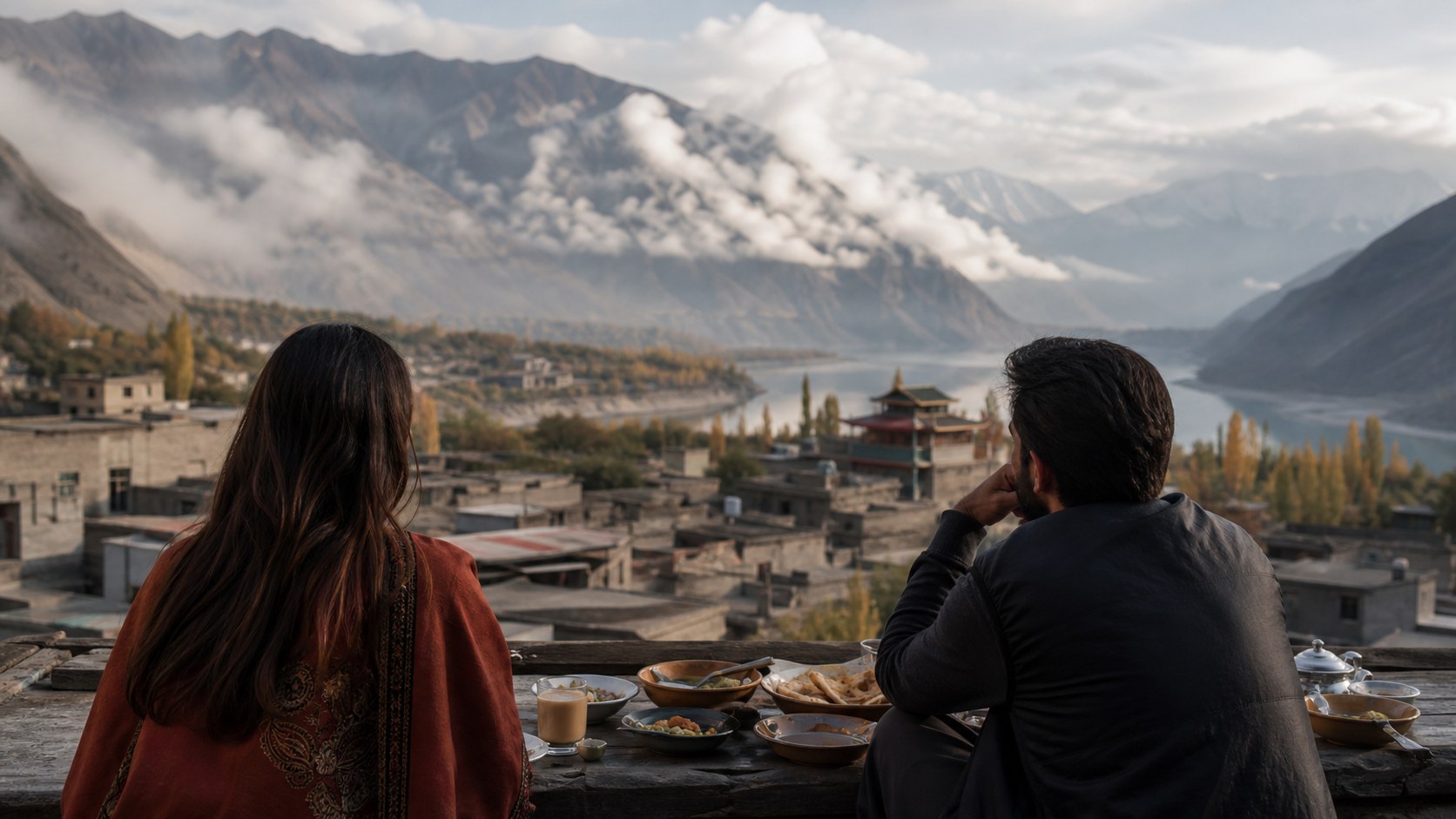
Fourteen days in Pakistan can feel expansive or frantic depending on whether you count travel days as real days. The country does not compress politely. This itinerary treats movement, recovery and advisory limits as part of the design—not as annoyances to be optimised away by a thinner sleep schedule.
Read the live FCDO Pakistan travel advice and entry requirements before you lock hotels. Confirm visa needs via the Pakistan Online Visa System when they apply to you. Recheck district-level notes if you intend to enter northern areas. An itinerary is not permission.
The principle: two bases, one optional north, visible buffers
A sustainable two-week shape for many first-time visitors is roughly: several nights in Lahore, a transfer with recovery toward Islamabad, then either deeper Punjab/Islamabad time or a northern base such as Hunza or Skardu with weather buffers. Karachi can replace Lahore as the southern city if family or flights demand it, but swapping both mega-cities plus the north into fourteen days usually produces resentment.
Write travel days on the calendar as lightly scheduled. A “travel day” that also includes a fort, a bazaar and a wedding dinner is not a travel day. It is a future argument.
Days 1–4: Lahore without punishing heat or traffic
Arrive and protect sleep. Use mornings for the Walled City or a museum block, afternoons for rest or indoor culture, evenings for food in one neighbourhood rather than three. Consult public heritage context via the Walled City authority site for orientation, then hire a reputable local guide if you want social and architectural explanation rather than a façade checklist.
Build one empty half-day into the Lahore block for family, shopping that actually matters to you, or recovery. Heat guidance such as the CDC’s extreme heat prevention page is worth reading in summer; schedule outdoor heritage early.
Days 5–6: transfer and Islamabad breath
Move to Islamabad by flight or road depending on energy and advice. If road-bound, treat the journey with NHA corridor awareness and daylight habits. Spend Islamabad time on one Margalla morning or one museum/mosque visit—not both stacked with a Rawalpindi sweep on the same day you arrived exhausted.
Islamabad is where many itineraries should intentionally slow. Use it to wash clothes, sort sim cards, confirm northern weather, and sleep. The capital’s “boring” reputation is sometimes just the sound of a nervous system recovering.
Days 7–11: northern option A — Hunza lane
If advice and weather allow, fly toward Gilgit when flights operate and keep a buffer, or take the longer road with a driver agreement that forbids dusk heroics. Base in Karimabad or a nearby village for at least three nights. Walk between sites. Give Altit/Baltit a proper visit. Give upper Hunza its own day. Do not add Khunjerab as a casual evening thought.
Altitude changes plans. Arrive gently, hydrate, and treat headache or nausea as information. Scenic schedules are not more important than breathing. Carry cash, layers and a waste plan; ask before photographing people or private land.
Days 7–11: northern option B — Skardu lane
Skardu rewards similar patience with different geography: valleys and lakes that look close on a map and cost hours on the road. Choose two directions rather than five lake pins. Keep flight-disruption buffers before international departure. Deosai is seasonal and exposed; do not treat it as obligatory.
Whether Hunza or Skardu, the northern block fails when people treat it as a photography errand attached to a Punjab cultural trip. It is a second trip sharing a passport stamp. Budget emotional energy accordingly.
Days 12–14: return, buffers and the refusal list
Return toward your international airport city with at least one soft day before departure. Soft means laundry, gifts already bought, and no “quick” mountain extension. Build a refusal list before day seven: the third city, the night drive, the extra wedding, the friend-of-a-friend shopping marathon. Two weeks feels long in prospect and short in a sitting room.
If family obligations consume more days than the outline, shrink sightseeing rather than sleep. The itinerary that does not rush the country is the one that still has room for conversation after dinner without calculating tomorrow’s departure while someone is speaking.
Karachi alternative fortnight
If your fortnight is Karachi-rooted—family, flights, work—apply the same principle: one coastal or heritage morning at a time, traffic as a line item, and a possible Islamabad or Lahore add-on only with travel days visible. Karachi’s scale punishes multi-neighbourhood days. Eat seriously; move less.
Health and packing for fourteen days
Use the CDC Pakistan traveler view as orientation and see a clinician for personal advice. Pack medicines in cabin bags, modest clothing for mosques, and shoes that can do both heritage walks and family home floors. Carry offline maps and paper addresses.
Two weeks will not make Pakistan familiar. It can make your next trip wiser. That is a better outcome than fourteen days of proof that you touched every famous name on a list.
How to place travel days on a real calendar
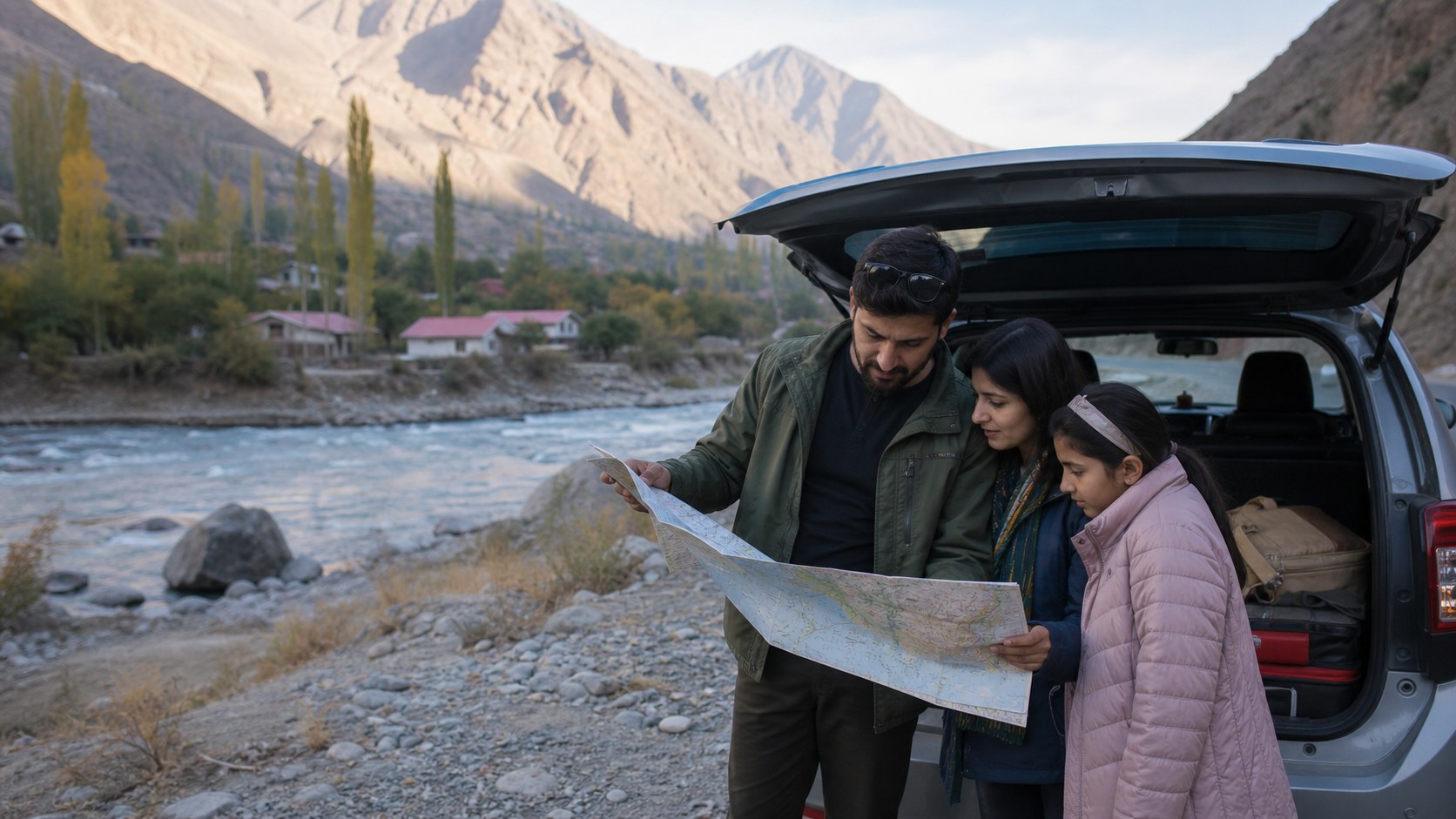
Open a fourteen-day grid and colour every airport transfer, mountain jeep segment and intercity drive before you colour a single museum. Those coloured cells are not empty; they are where fatigue, hunger and advisory checks live. If a travel day still shows a fort visit and a late dinner with new relatives, erase the fort or move the dinner. The itinerary that does not rush Pakistan begins as an honest transport document.
Keep one full soft day before your international departure even if relatives plead for one more excursion. Soft means laundry done, gifts already purchased, and no vehicle dependency beyond the airport run. Flight disruptions into Gilgit or Skardu are common enough in mountain weather that a northern finale without buffer becomes a missed connection story rather than a travel story.
Read the live FCDO Pakistan travel advice and entry requirements while the grid is still editable. Confirm visas through the Pakistan Online Visa System when they apply to you. Monitor NHA notices if your transfers use motorway or national-highway corridors. Advice is part of the itinerary file, not an appendix after booking.
Lahore and Islamabad as paced anchors
Four nights in Lahore can hold a Walled City morning, a museum or mosque block, gardens in decent weather, and food that does not require crossing the city twice daily. Use the Walled City authority pages for heritage orientation and hire a reputable guide if you want context beyond façades. Schedule outdoor work early in hot months; the CDC’s extreme heat prevention notes are practical reading when the forecast is punishing.
Islamabad works as breath between Punjab intensity and northern ambition: one Margalla morning or one museum/mosque visit, neighbourhood meals, and administrative chores like SIM sorting and laundry. Do not treat the capital as a failure of exoticism. It is often where the fortnight becomes human again.
Northern forks without collecting every pin
Choose Hunza or Skardu for a first northern chapter unless you have local support and surplus days. Each needs multiple nights. Hunza rewards village walking and a slower fort day; Skardu rewards choosing two valley directions rather than five lake names. Altitude and road hours are not optional side quests. If flights cancel, activate the buffer rather than inventing a night drive.
Responsible habits travel with you: ask before photographing people, carry waste out, spend with locally owned stays when they meet your safety needs, and do not treat orchards as public parks. The north is not a backdrop for a Punjab trip; it is a second trip sharing your passport.
Family obligations and the refusal list
Write a refusal list before day five: the third city, the night mountain transfer, the extra wedding, the shopping day that colonises your only empty afternoon. Show the list to the relative who is planning with love and intensity. Two weeks feels long from a desk and short from a sofa surrounded by cousins. Shrinking sightseeing to protect sleep is not cultural rejection; it is how you remain kind.
Use the CDC Pakistan traveler view as health orientation and see a clinician for personal advice. Pack medicines in cabin bags. Keep a shared note of bookings so the family is not circulating conflicting PDFs. The fortnight succeeds when you leave oriented enough to plan a wiser return—not when you leave fluent in resentment.
Specificity is the difference between a trip that teaches you the country and a trip that only proves you can endure movement. Use this guide as a decision framework, then let local conditions and current official advice edit your courage into something sustainable.
If your fortnight is split by a wedding or family obligation that will consume three mid-trip days, redesign around that block rather than pretending the sightseeing outline survives intact. Obligation days are itinerary days. They need sleep plans and lighter food plans, not a secret museum squeezed into the morning before a baraat. The refusal list should include “one quick heritage stop” on those mornings.
Sources and official profiles
Filed under
Was this helpful?
Keep reading
Related stories
More from this desk, this beat, and the tags on this piece.
Driving from Lahore to Islamabad on the M-2: plan the stops before the motorway
Mehreen Ali · 27 Oct 2026
Driving in Pakistan with a UK licence: get the 1968 IDP before you fly
Mehreen Ali · 24 Oct 2026

Readers
The conversation
0 notes
Anyone can leave a note. Guests add a name and email — no account required, and the email is never published.
No notes yet. Yours would be the first.