The Karakoram Highway in stages, not in a reel
Stage the KKH through towns that earn a night. Treat Babusar as a summer door, not a synonym for the highway—and build slack for rockfall.
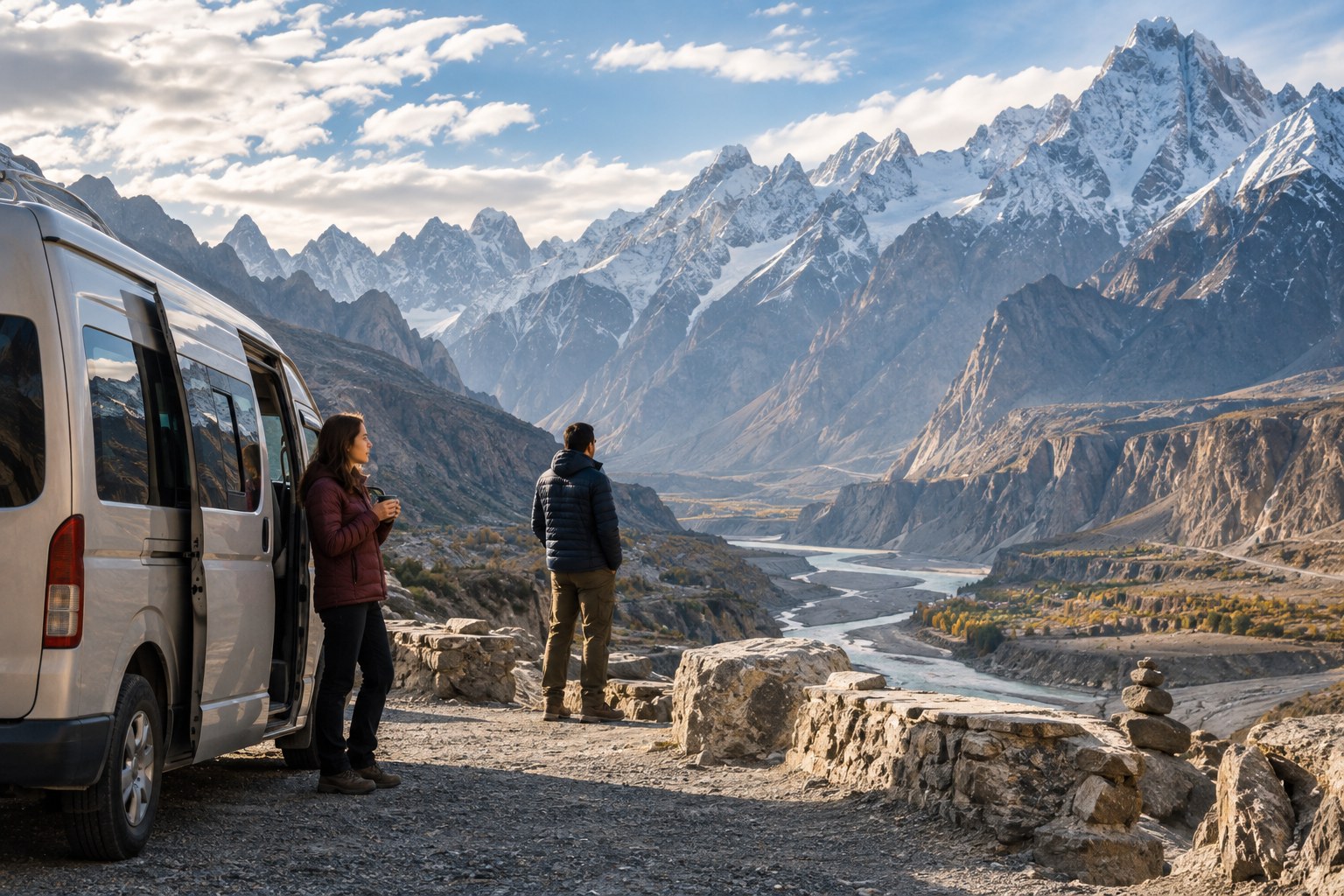
The reel version of the Karakoram Highway is a string of proper nouns in a single day: a pass, a lake, a cone of rock, a drone, a dinner you did not earn. The road itself is stages. You sleep in towns you did not plan to like. You wait for rockfall. You choose, in summer, between the long highway through Besham and the high shortcut over Babusar, which is not a personality—it is a pass with a season. This guide will not sell you the whole highway as a weekend.
Read it as a staging map: which door exists in which months, which towns deserve a night, and how cars and buses change the contract you are signing with the road.
Two ways north, only one of them year-round
The Karakoram Highway, in the sense that matters for most travellers, is the road up through Mansehra, Besham, Dasu, Chilas, and Gilgit. It is long, landslide-prone, and open in some form across more of the year than Babusar—which is not the same as safe. Babusar Pass, linking the Kaghan side near Naran across toward Chilas, is a summer door. Reporting and local administration notices commonly describe a winter closure that can run roughly from late autumn into late spring, with reopening dependent on snow clearance. In practice, travellers should treat midsummer as the reliable window and shoulder weeks as conditional.
Do not treat Babusar as a synonym for the KKH. If you are travelling in April, November, or any week the pass is a rumour, you are on the highway. If you are travelling in July and you want Naran as a stage, Babusar can be the next stage—with a day of slack, a layer, and no interest in racing a bus to the top for a clip. Check corridor notices via the National Highway Authority and disaster or weather advisories from bodies such as the NDMA when storms or landslides are in the news. A screenshot itinerary is not a road clearance certificate.
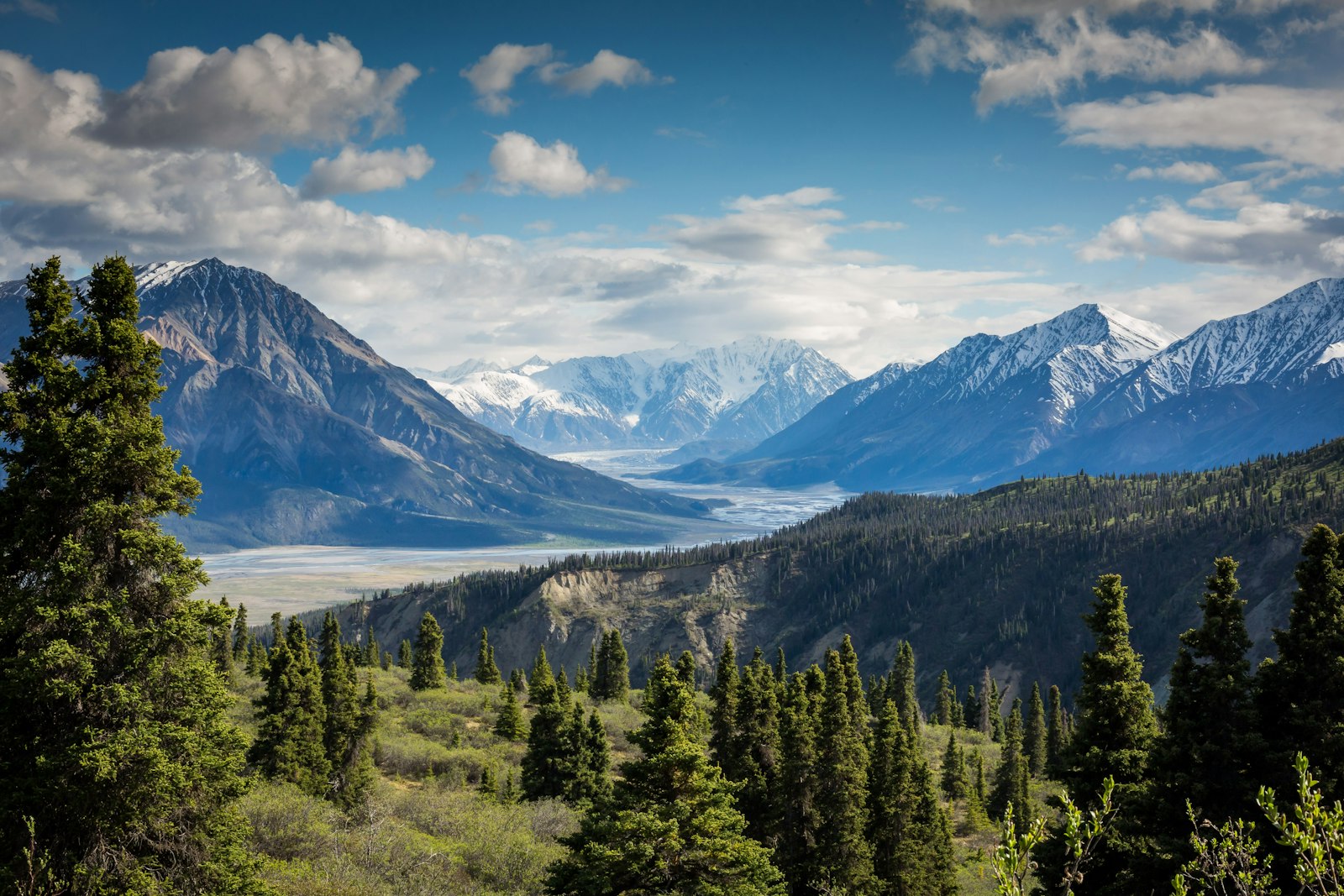
Stage the hours, name the towns
Stage one, from the plains: get as far as Besham or, if light and nerves agree, into the gorge toward Dasu. Sleep. Besham is not a failure of scenery. It is a town on a road that needs towns. Stage two: Chilas, which will not flatter a feed and will feed you if you let it. Stage three: Gilgit. Stay a night. Walk the bazaar. Eat. Pay the guest house. The reel jumps from highway to Hunza as if the regional capital were an inconvenience. It is mechanics, a hospital, apricot in season, and a place that makes the rest of the road possible.
From Gilgit the road in your head splits toward Hunza or toward Skardu. You do not have to collect both. A highway trip that does one valley well is a trip. A highway trip that does both as a raid is a video. If you came via Babusar, you still owe Gilgit a night. The pass was a door, not the destination. A PTDC motel along this line, if the building is taking rooms, is an honest bed. Family houses in Gilgit and up the Hunza road are often better. Phone them. Do not invent a booking page.
| Season pattern | Primary route logic | Staging emphasis |
|---|---|---|
| Late spring / autumn / winter | KKH stages via Besham | Besham or Chilas, Gilgit night, then one valley |
| Peak summer window only | Optional Babusar after Naran | Slack before and after the pass; Chilas; Gilgit |
| Short trip, no buffer | Do not force Babusar + two valleys | One corridor, one overnight logic, turnaround patience |
Weather windows are not captions
Summer is when Babusar exists as a plan and when the KKH’s gorges are an oven. Shoulder months are when the highway is often the only adult option and the light can be better. Winter is when you wait, fly if the plane agrees, or stay home. Landslides do not read your screenshot itinerary. Destination language on tourism.gov.pk sometimes carries access notes; the last tea stall and the last uniformed checkpoint often carry fresher detail. Ask. Listen. Turn around if you are told to turn around.
Naran, if you use it as a Babusar staging town, is a hill bazaar with a peak-season problem. Pay the house. Do not add your car to a Mall-Road-style jam and then blame the pass. Leave Naran early. Weather on Babusar can close a day that started clear. Carry a layer. Carry water. Carry the humility to sleep again in Chilas if the door slams.
Cars, buses, the contract you are signing
A NATCO or local bus is how a lot of the country actually moves on this road: cheaper, less control over stops, overnight if that is the service. You will get there when the bus gets there. That is an honest trip. A hired car with a driver who lives up the line is a different contract: you pay more, you may stop, you may wait for rockfall. Pay for the waiting. Prefer a Gilgit- or Hunza-based driver when you can, not only a down-country package that treats every town as a petrol stop.
Self-drive is for people who already know this road and still should not speed. Carry a spare, water, cash, and avoid night driving in the gorges when you can help it. Do not treat a bus as a failure of style. Either way, a drone over a roadside courtyard is the same bad habit. Take the rock. Leave the washing line.
- April, autumn, winter logic: KKH stages, Besham or Chilas, Gilgit night, then one valley.
- June to early autumn only: Naran, Babusar in a confirmed weather window, Chilas, Gilgit. Slack on both sides of the pass.
- Bus for the fare and the honesty. Hired local driver for the waits. No racing a reel.
- Cash for delays. The mountain does not take cards. Neither does a landslide.
Named stops without the raid
Attabad is a lake that exists because a mountain moved and a village drowned. You may stop. You may not treat it only as a colour. Pay the boatman the rate. Passu’s cones will photograph themselves. If Serena in Hunza is where you sleep at the end of the highway stages, book it as a hotel through the hotel. If a family house is where you sleep, book the house.
Skip the schedule that requires three viewpoints and a border rumour in one day. The return south is still stages. Stop at the same tea if it was fair. Carry the house numbers into a month when the reels have gone home.
Risk framing for visitors
Road travel in northern Pakistan is subject to weather, security, and infrastructure conditions that change. Travellers using UK guidance should start with current FCDO Pakistan advice and its entry pages before locking prepaid nights. US travellers can cross-check the State Department’s Pakistan country information. Neither page replaces local day-of decisions about rockfall, fog, or a closed pass.
Stage the Karakoram Highway so the hours between towns are the trip. Use Babusar only in its window, and never as a synonym for the highway. Take a bus or pay a local driver. Sleep in Gilgit. Leave the drone in the bag. The road is not a recap. It is other people’s commute, with mountains.
What “slack” actually means on this road
Slack is not a spa day. It is an unused night in the itinerary, a buffer between a pass crossing and a valley transfer, and the willingness to sleep in the town you reached rather than the town you fantasised. Without slack, people speed through gorges, argue with drivers, and arrive angry at guest houses that did nothing wrong. With slack, a landslide becomes a delay instead of a ruined holiday narrative.
Build slack before flights that may not land in Gilgit or Skardu, before Babusar in any shoulder week, and before any itinerary that claims you will “do Hunza and Skardu” as if they were adjacent malls. They are not. Choose one valley after the highway stages unless you have a week that can absorb waiting.
Money, fuel, and the unglamorous kit
Carry cash in mixed notes. Fuel when you can, not when the gauge invents optimism. Keep a spare tyre checked before you leave the plains. Pack layers even in July because high passes and evening gorges are not the Karachi noon you packed for. Medicine for motion and for mild altitude symptoms belongs in the bag; heroics do not. Tell someone your stage plan. The KKH is inhabited, but phone signal is not a promise.
If you hire a driver, agree waiting charges, overnight expectations, and whether mountain roads after dark are part of the deal. Ambiguity is how fair people end up in unfair arguments. Write the agreement in a message both sides can see. Then keep the tone as if you are sharing a long workplace, because you are.
Sources and official profiles
Filed under
Was this helpful?
Keep reading
Related stories
More from this desk, this beat, and the tags on this piece.
Two weeks in Pakistan: an itinerary that does not rush the country
Mehreen Ali · 6 Aug 2026
Driving from Lahore to Islamabad on the M-2: plan the stops before the motorway
Mehreen Ali · 27 Oct 2026
Driving in Pakistan with a UK licence: get the 1968 IDP before you fly
Mehreen Ali · 24 Oct 2026
Readers
The conversation
0 notes
Anyone can leave a note. Guests add a name and email — no account required, and the email is never published.
No notes yet. Yours would be the first.