Street food
Lahore after midnight, Karachi after maghrib
Gawalmandi, Anarkali, Burns Road, Boat Basin — what you eat standing, what survives a car, and what dies on the back seat before Defence.
By Hassan Raza
Food editor
6 min read
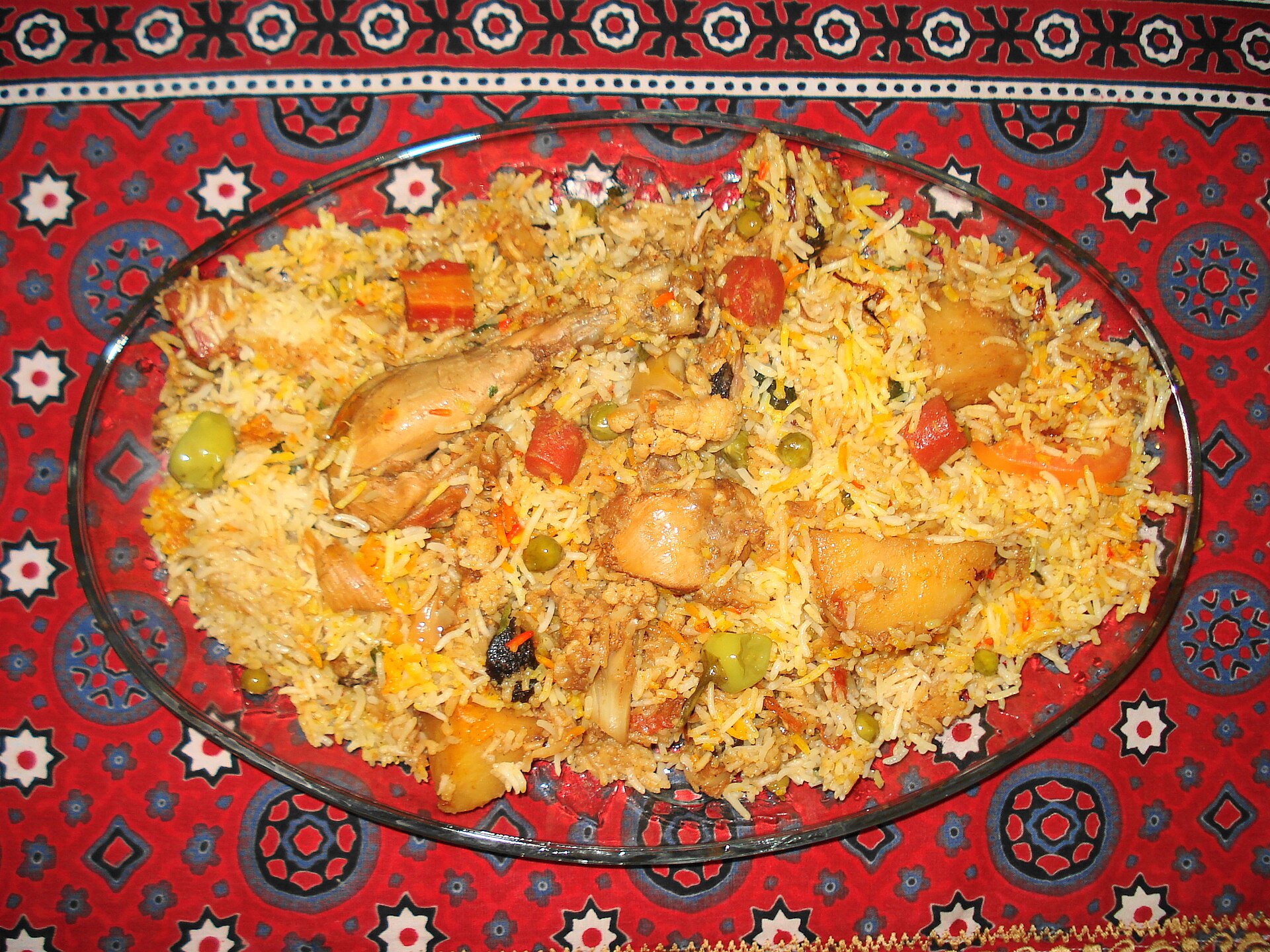
Two cities, two clocks. Lahore’s street makes its best argument after midnight, when Gawalmandi is not a family outing and Anarkali has stopped pretending to be a shopping trip. Karachi’s street, Burns Road especially, is already itself after maghrib and becomes correct later; Boat Basin is a different humidity, a different fish, a different lie about “quick bites.” I ate both clocks in the same fortnight, with a car and without, and the thing nobody puts in the WhatsApp pin is this: some of this food travels. Most of it dies. If you are planning to “pick up and go,” you are planning a different meal than the one the stall cooked.
Paye in a box is a rumour of paye. Eat it here, or cook it at home. Do not make me pack gelatin for your drive.
— Bashir, paye stall, Gawalmandi, on his feet since before the ring road felt finished
Gawalmandi, when the families have gone
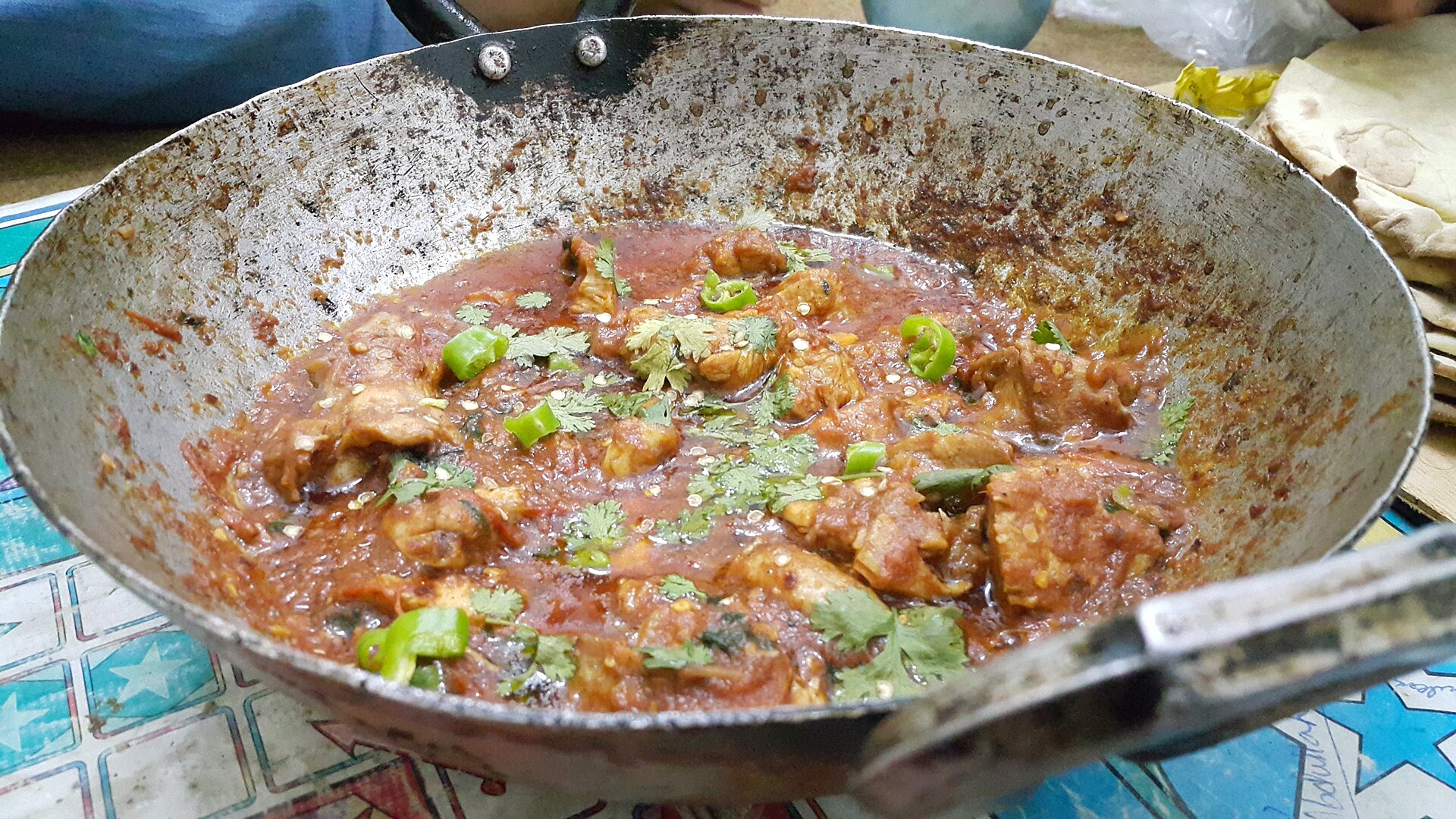
Gawalmandi at 8pm is a destination. Gawalmandi at 1am is a kitchen. I went at both hours. At eight I got a table, a little ceremony, a nihari that was already good and still slightly polite. At one I got steam, a cook who had stopped performing, paye that coated the spoon, and Bashir telling a regular that the last tray of brains was gone and he would not pretend otherwise. That sentence is why you stay late. The street after midnight is not more authentic as a costume. It is simply the hour when the stall is feeding people who eat here because they eat here, not because a blog named a lane. Sit. Order less than the famous platter. Bread that is still arriving. If the seekh is dry, you came at the wrong minute, not the wrong decade.
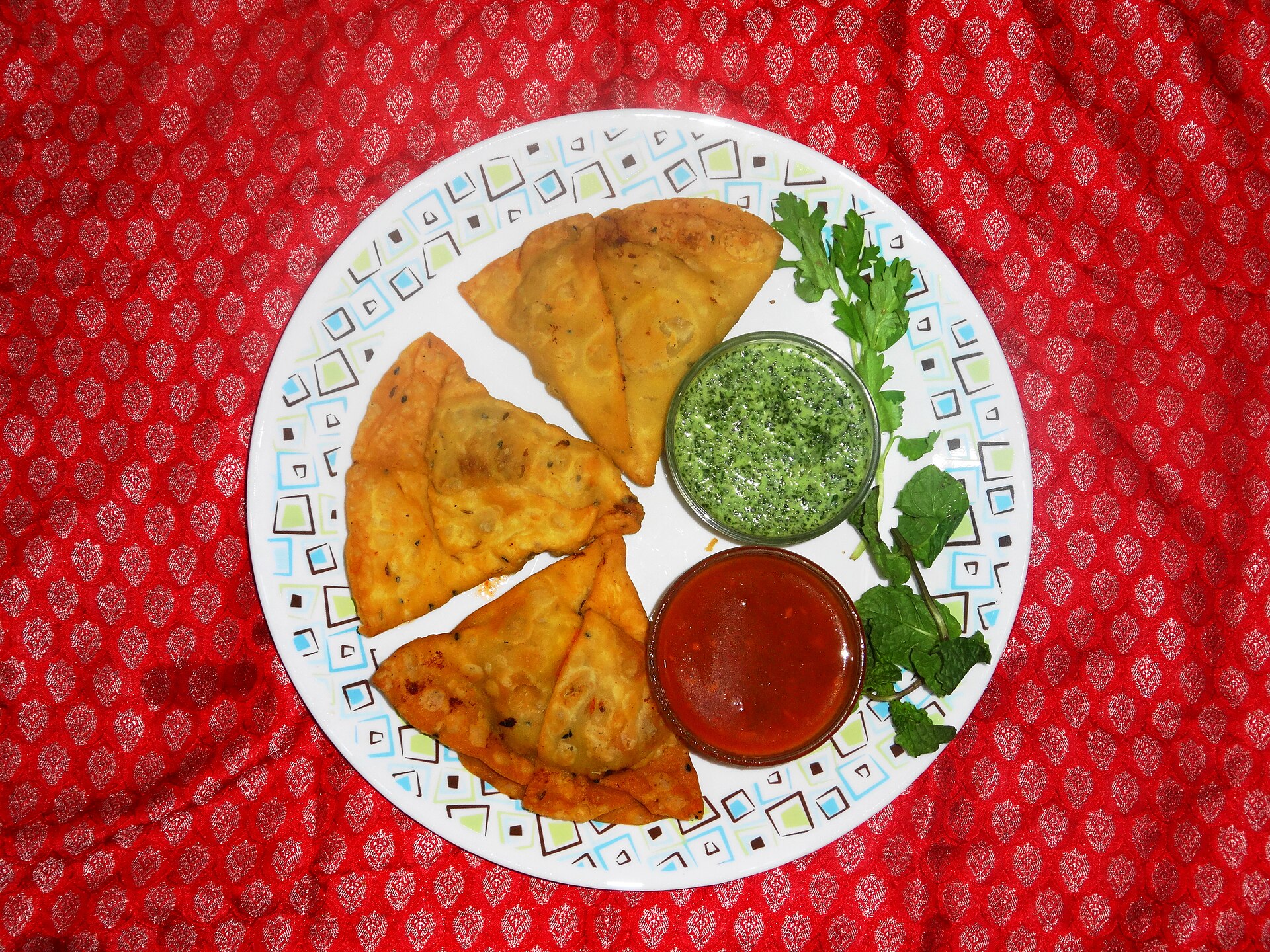
Anarkali before midnight is still a bazaar with food attached. After, the food is the bazaar. Kulfi, a chaat that should be eaten standing, a kebab from a stall whose tawa has not cooled. I ate chaat next to a couple who had come from Johar Town “because the roads were empty.” The roads were empty because it was late. The chaat was not empty: papri, potato, a chutney that had heat, yoghurt that had not turned. They asked for it packed. The stall packed it. By the time they would have reached home the papri would have been a sponge. I watched them eat half in the car with the hazards on. That is the correct compromise. The other half is a sink.
Burns Road after maghrib is already a clock
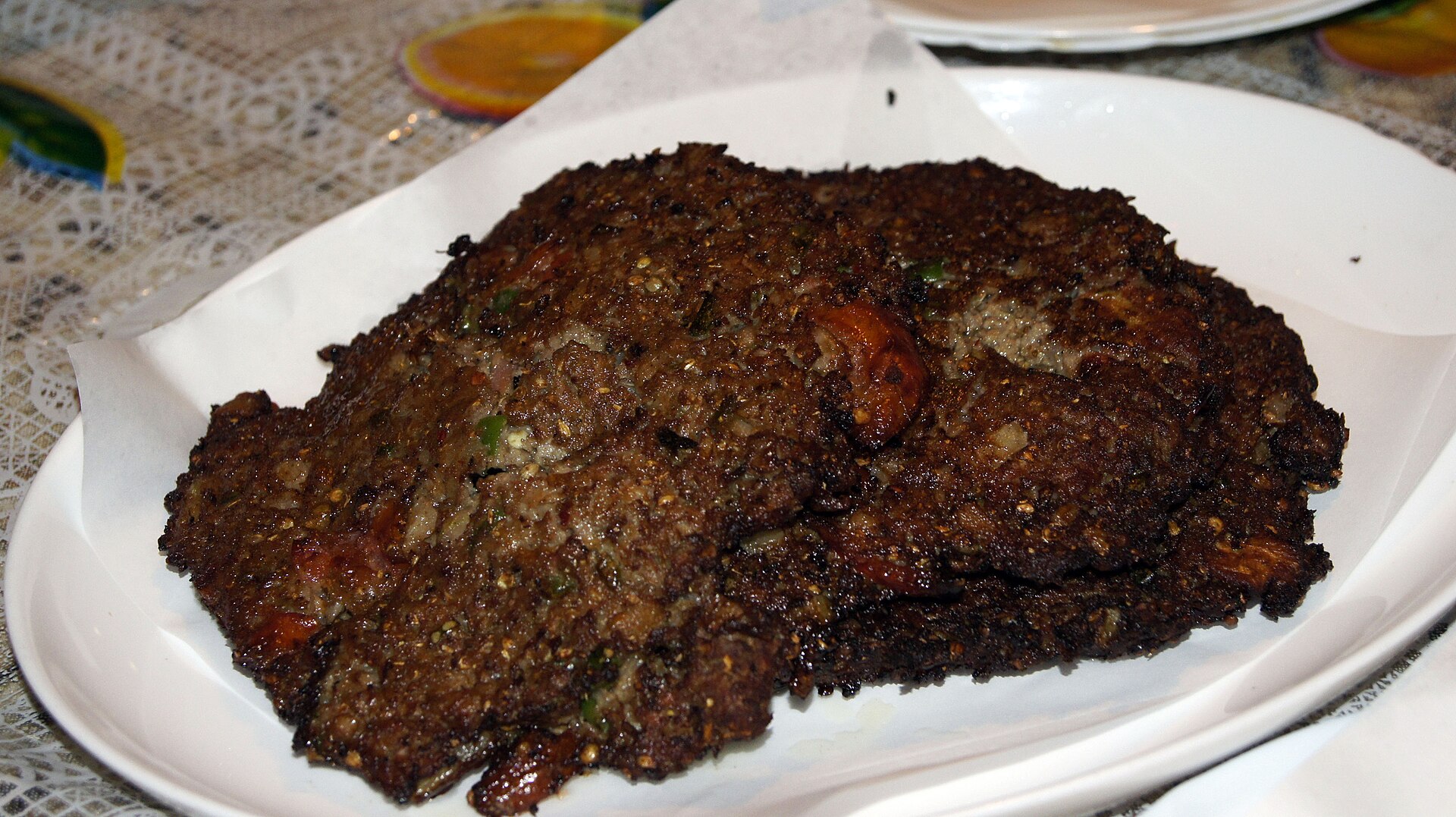
Karachi does not need midnight to start, but midnight still improves Burns Road. After maghrib: families, children, bun kebab as a meal. Later the pots get honest. People still arrive at 8pm, take a reel, and call it research. After maghrib is valid for elders who will not do 1am. Call it the early sitting. Imtiaz’s tawa at 9pm feeds a queue; at 1am a thinner queue and a better patty. Boat Basin is the other clock: sea air, seekh, fish when there is fish. Umar, after office shifts, only orders what he will finish at the table. He tried bun kebab in the car once and “it became bread.” Listen to him.
What travels, what dies
Travels: nihari, sealed, eaten within the hour, bread apart. Haleem, maybe, if you will thin it. Dry seekh, wrapped loose, short drive. Dies: bun kebab, immediately. Chaat, unless you eat it on the bonnet. Rabri that cools into the wrong skin. Paye, which arrives as jelly with feelings. Fried fish from Boat Basin, ten minutes later, a steamed memory of fire. Summer makes the death faster. The car is an oven. I sat in a Defence driveway at 1:30am with Burns Road takeaway bun kebab that tasted like a closed room. We should have stood in the lane. The car is a delay.
- Nihari: travels if sealed, bread apart, eaten soon.
- Paye: eat there. Packing is a rumour.
- Bun kebab: standing. The car is a sponge.
- Chaat: standing, or half in the hazards.
- Seekh: dry, wrapped loose, short drive. Long drive: cook at home.
- Fish: the stall or not at all.
Anarkali is not Gawalmandi, Boat Basin is not Burns Road
The flattening is the enemy. Gawalmandi’s paye and Anarkali’s chaat are not the same errand. One is a bowl that needed hours. One is a plate that needed a tawa. Boat Basin seekh next to Burns Road nihari without a clock is the same flattening. Walk one lane. Eat two things. Leave. I ate chaat standing in Anarkali, paye in Gawalmandi, then the road; in Karachi, bun kebab standing, nihari sitting, Boat Basin another night. People who do eight stalls in two hours are collecting names. This desk is collecting bowls. Bashir already told you. Paye in a box is a rumour of paye.
How to be on the street without becoming the street’s problem
Do not block the service line for a phone. Do not ask the cook to smile. Pay. If you photograph, photograph your own table. A little Urdu gets you the bone you wanted. Brief the visitor in the car: this is a stall, not a reservation, the washroom may be a story, the heat is the cover charge. Come back on a Tuesday if Saturday was a circus. Tuesday is when Bashir and Imtiaz and Rafiq’s cousins are feeding the neighbourhood. That bowl is the one to remember. The Saturday bowl is the one that paid the week. Both can be good. Only one is a census.
Lahore after midnight. Karachi after maghrib, and later if you can. Eat standing when the food requires standing. Pack only what survives. Bun kebab dies. Paye dies. Nihari might live an hour. The car is a delay, not a room. Stay for the bowl.
Keep reading
Related stories
More from this desk, this beat, and the tags on this piece.
Papri chaat that stays crisp for more than five minutes
Hassan Raza · 13 Sep 2026 · 15 min
Readers
The conversation
0 notes
Anyone can leave a note. Guests add a name and email — no account required, and the email is never published.
No notes yet. Yours would be the first.