The restaurants that still feel like rooms
Not the launch party: how to recognise Karachi and Lahore restaurants built for return visits—light, repetition, calm bills.
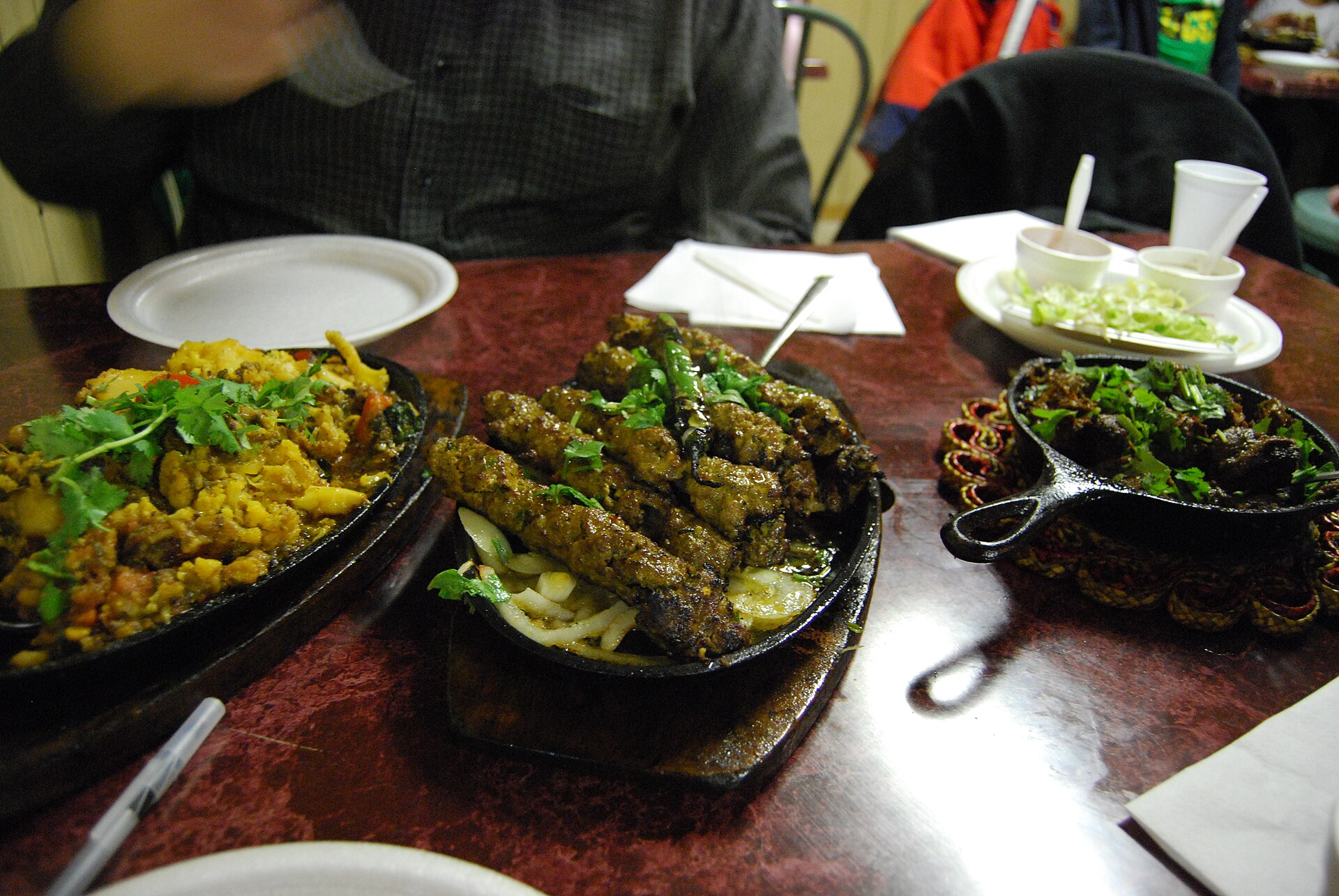
Not the launch party. The rooms you go back to: lighting you can sit in, a kitchen that repeats, a bill that does not require a speech. Pakistani cities are full of restaurants designed to be announced. Fewer are designed to be inhabited. This essay-guide is about recognising the second kind in Karachi and Lahore—without publishing a brittle “best of” list that ages into embarrassment.
A room that feels like a room usually has acoustic mercy, chairs that forgive a two-hour dinner, staff who remember water, and food that tastes like a decision rather than a photoshoot. You can find that in old establishments and in new ones. Age is not virtue; repetition is.
What “room” means here
Lighting you can sit in without squinting or looking corpse-grey. Tables spaced so elbows are not weapons. A temperature that does not freeze one guest and cook another. Music at a volume that allows argument about the karahi without screaming. These are design choices, not accidents.
Kitchens that repeat matter more than kitchens that invent weekly for social posts. A dal that tastes like itself on a Tuesday is hospitality. A menu that changes faster than the staff can learn it is anxiety in typesetting.
| Signal | Encouraging | Warning |
|---|---|---|
| Lighting | Face-readable, warm enough | Only good for phone flash |
| Menu | Short, repeated strengths | Endless, untested specials |
| Noise | Talk possible | Launch-party volume nightly |
| Kitchen | Same dishes, steady craft | Everything “new” forever |
Service as continuity
Rooms people return to often have staff continuity. Not always the same face, but the same standard: water refilled, spice warnings honest, children treated as guests rather than problems. Tip fairly according to local norms and your means. Cruelty to staff is not “high standards.”
Reservations help some rooms and ruin others. Know which you are entering. Walk-ins that punish tourists may also protect regulars; decide whether you want to be a regular before demanding tourist privileges.
Food that belongs to the room
Order what the kitchen wants to cook at volume. If everyone around you is eating a particular karahi or grill, that is data. If the signature dish is only a marketing orphan, believe the room. Vegetarian and allergy needs should be spoken early; rooms that handle them calmly are keepers.
- Return on a quiet night to test truth.
- Notice bathrooms; they reveal management.
- Watch how staff treat the table that tips less.
- Leave if a room’s status performance costs you peace.
- Keep a private list; public rankings turn rooms into sets.
Karachi and Lahore, different hungers
Karachi’s humidity and late hours push some rooms toward stronger air-conditioning and later kitchens; Lahore’s dinner culture and celebration gravity can push rooms toward banquet energy even on weeknights. Calibrate. A perfect Lahore family room may feel wrong as a Karachi post-midnight stop, and vice versa.
Hotel restaurants can be rooms when locals use them as living rooms—especially in cities where hosting at home is complex. They can also be nowhere places with international menus designed to offend no one. Judge the repeat dishes.
Old Irani-influenced cafes, club dining rooms, neighbourhood BBQ halls, and quiet contemporary restaurants can all pass the room test. Category is not destiny. Behaviour of the space is.
When writing about restaurants publicly, verify names, locations, and hours, link official pages, and avoid inventing “best in city” crowns. Inclusion is not endorsement; explain why a room is mentioned—lighting, repetition, particular dish—then let readers decide.
Money and belonging
Rooms that feel good are not always expensive, and expensive rooms are not always good. Status lighting can hide weak kitchens. Mid-price places with proud regulars often outperform launch venues in six months. Track your own happiness per rupee, not influencer tables.
Corporate accounts change rooms—sometimes for the better (steady business), sometimes for the worse (rushed service, loud parties). Notice shifts after a place becomes an “office favourite.”
Keep one celebratory room and one Tuesday room. Confusing them produces either boredom or exhaustion. If you are choosing a room for mixed elders and children, prioritise stairs, bathrooms, and spice flexibility over novelty. The best conversation happens when everyone can stay.
Hosting out versus hosting in
Choosing a restaurant as a host means scouting first when possible: noise, access, menu flexibility. Arrive early. Handle the bill discreetly if that is your agreement. Brief the restaurant about allergies. Hosting out is still hosting.
Some families prefer restaurants because home kitchens are small or gendered labour is already overloaded. That choice can be feminist practicality, not “loss of culture.” Rooms that welcome those families without snobbery deserve loyalty.
Solo diners should be seated without pity. Rooms that punish solitude fail a basic hospitality test.
When a beloved room closes, mourn it, then take your habits to another kitchen that needs regulars. Cities keep their softness when diners reinvest attention rather than only nostalgia.
Leave reviews that mention specifics—lighting, a dish, accessibility—not vague stars. Specificity helps other people seeking rooms, not sets.
Accessibility and dignity
Steps, washrooms, high chairs, prayer spaces, and wheelchair access vary widely. Call ahead for elders and disabled guests. A beautiful room that excludes them is incomplete for many families. Mention access honestly when recommending places to friends.
Hearing-friendly rooms matter for elders and anyone who lip-reads. Soft furnishings help. Concrete fashion can be stylish and exhausting.
How rooms die—and how diners help them live
They die when ownership chases trends over regulars, when rents force shortcuts, when staff are treated as disposable, when food safety slips, when noise becomes a brand. You cannot save every room, but you can spend your money where craft and care remain visible.
They also die when diners treat staff as servants rather than professionals. Courtesy is preservation. Openings deserve curiosity; anniversaries deserve more loyalty. Attend the third year, not only the first week.
Protect the rooms you love by booking reasonable party sizes, showing up on time, and not rearranging furniture for photographs. Soft infrastructure is easy to break and slow to rebuild. Seasonal menus that mention mango, winter greens, or certain fish are often more trustworthy than permanent “signature” lists that never touch a market calendar. Ask what the kitchen is proud of tonight. Then order that.
Take visiting friends to a room you actually use, not only to a famous name you have never entered. Authenticity here means your own habit, not a guidebook’s anxiety. When the bill comes, check it calmly. Errors happen. Courtesy during corrections keeps the room intact.
Go home when the room is still kind. Overstaying until staff exhaustion is how guests turn a room back into a shift. The restaurants that still feel like rooms are the ones where conversation outlasts the garnish. Find them by repetition, not by launch invitations. Then protect them by behaving like a guest, not like content.
A scouting night before a hosting night
Before you use a restaurant as a host, spend one ordinary meal there without guests. Notice whether water arrives without theatre, whether spice warnings are honest, whether the bathroom has soap, whether the kitchen’s proud dish is still available late. Scouting is not snobbery. It is how you avoid discovering a room’s failure mode in front of elders.
Private clubs and members’ dining rooms create another category of “room” with gatekeeping. If you have access, notice whether the food earns the gate. If you do not, plenty of public rooms still offer belonging without membership theatre.
If you work in hospitality, protect your own favourite off-duty rooms by not turning them into industry hangouts that crowd out the public—or do so knowingly and tip accordingly. Eat seasonally when menus allow. The room that changes a special with the market is often more alive than the room that freezes a signature forever for brand reasons.
Then go home smelling like the kitchen you chose—grill, karahi, or bakery next door—and decide whether you will return. Returning is the only ranking system that matters. Soft infrastructure in Karachi and Lahore survives when diners spend like guests and leave like neighbours, not like content producers who needed a backdrop.
Quiet nights as the real review
Launch weeks lie. Quiet Tuesday nights tell the truth about repetition, staffing, and whether the kitchen still wants to cook its strengths. Return then before you add a place to your private list. Notice whether the proud dish is available, whether water still arrives, whether noise has been left at launch-party volume for no audience that needs it.
Keep the list private when you can. Public rankings turn rooms into sets and sets into rooms that can no longer host a conversation. The goal is not to win Karachi or Lahore. The goal is to know where you can sit for two hours without needing a speech about the bill.
Find rooms by repetition. Protect them by courtesy. Rank them only by whether you return.
Was this helpful?
Keep reading
Related stories
More from this desk, this beat, and the tags on this piece.
Lahori chargha at home: steam for tenderness, then crisp the outside
Hassan Raza · 28 Oct 2026
Readers
The conversation
0 notes
Anyone can leave a note. Guests add a name and email — no account required, and the email is never published.
No notes yet. Yours would be the first.