UK train picnic food that stays neat in a backpack
Pack a Pakistani-British train picnic that survives a rucksack: dry pieces, sealed moistures, FSA cold-chain sense, rice caution, and carriage manners without soggy bread or spills.
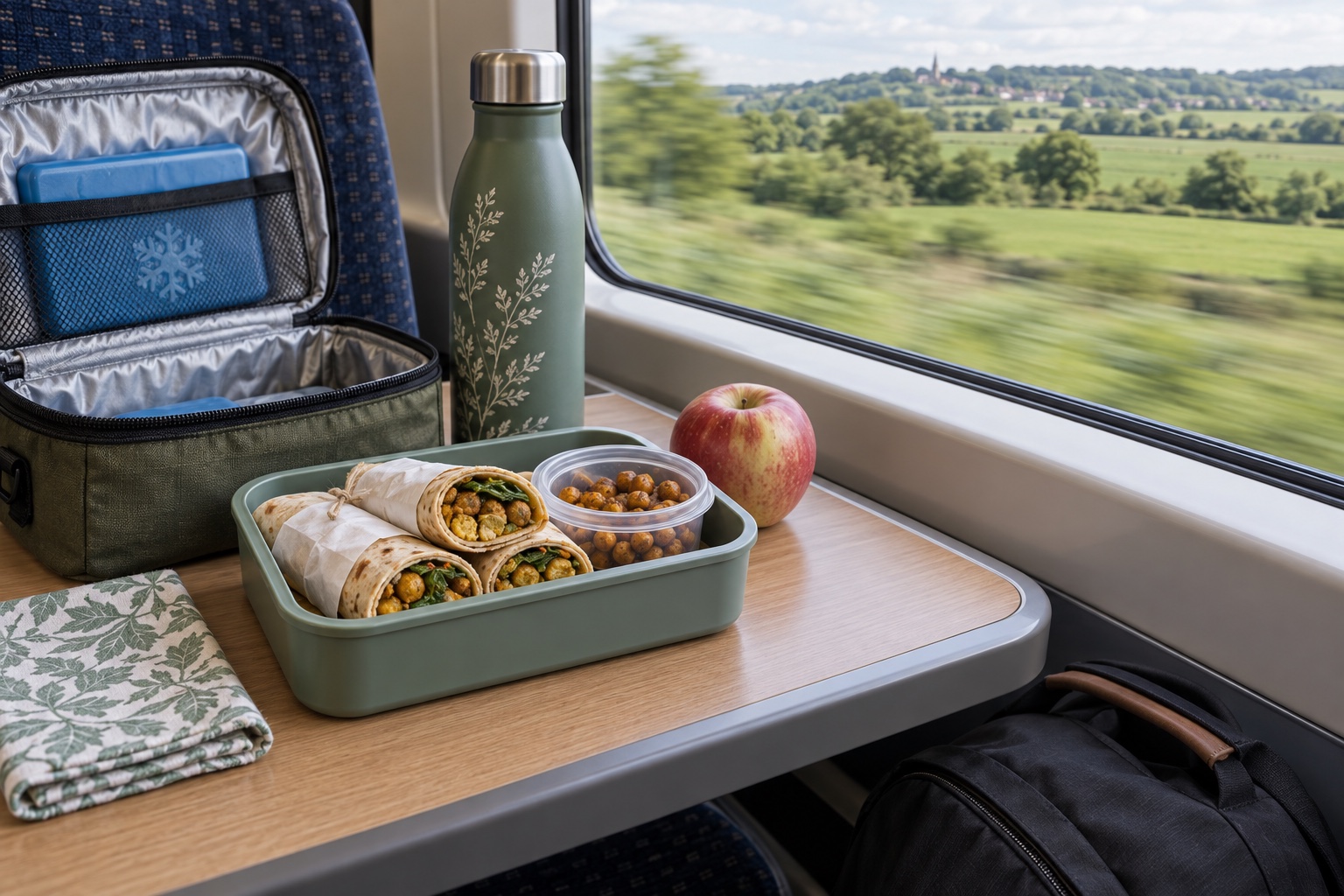
A train picnic fails in predictable ways: yoghurt weeps into a novel, paratha oils a laptop sleeve, and a carriage table becomes a cleanup project between Milton Keynes and a meeting you needed to look composed for. Packing Pakistani-British flavours for rail travel is less about replicating a dastarkhwan and more about choosing pieces that survive compression, temperature swings, and the sudden brake. This is a backpack picnic guide for UK trains. It is not a ranking of station retailers, and not a promise that every quiet carriage will love the aroma of tadka.
Choose food by failure mode, not nostalgia
Ask what each item does when the backpack tips, when the carriage heats up, and when you have only a napkin and a plastic fork. Nostalgia is a poor packing criterion; physics is a better one.
Strong backpack candidates
- Dry or semi-dry snacks: roasted chana, nuts, sev in a hard box, biscuits that do not shatter into dust
- Hand pies and stuffed breads wrapped individually: potato or keema patties cooled completely before packing
- Firm flatbreads with dry fillings: omelette roll-ups, grilled vegetables, paneer or chicken tikka pieces patted dry
- Rice cups only if sealed, cooled fast, and eaten with a lid-as-bowl plan, not open biryani in a soft bag
- Fruit that does not explode: apples, firm berries in a rigid box; keep overripe mango away from electronics
- Firm mithai pieces in a tin (barfi-style) when you need a sweet; avoid syrup baths
Usual troublemakers
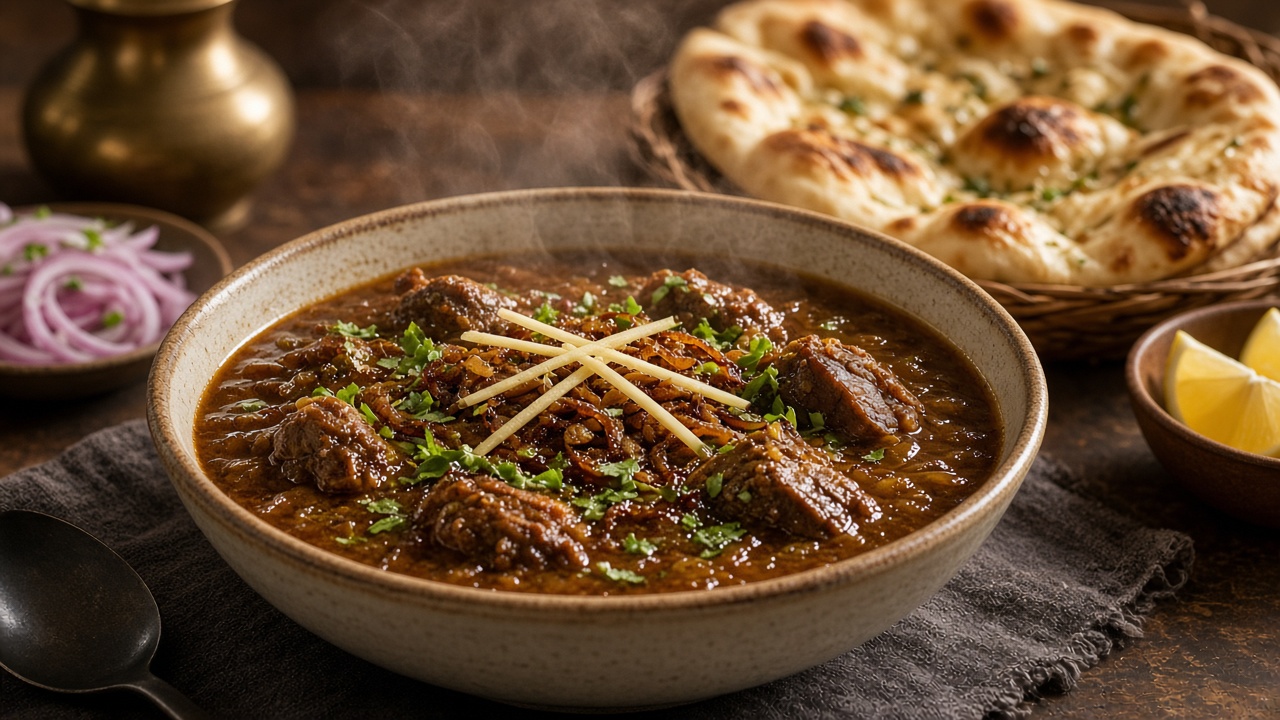
- Sauced salan, nihari, or anything with free oil in a side pocket
- Raita and loose chutney unless in screw-top mini jars inside a secondary zip bag
- Warm parathas stacked without parchment (steam turns them soggy and greasy)
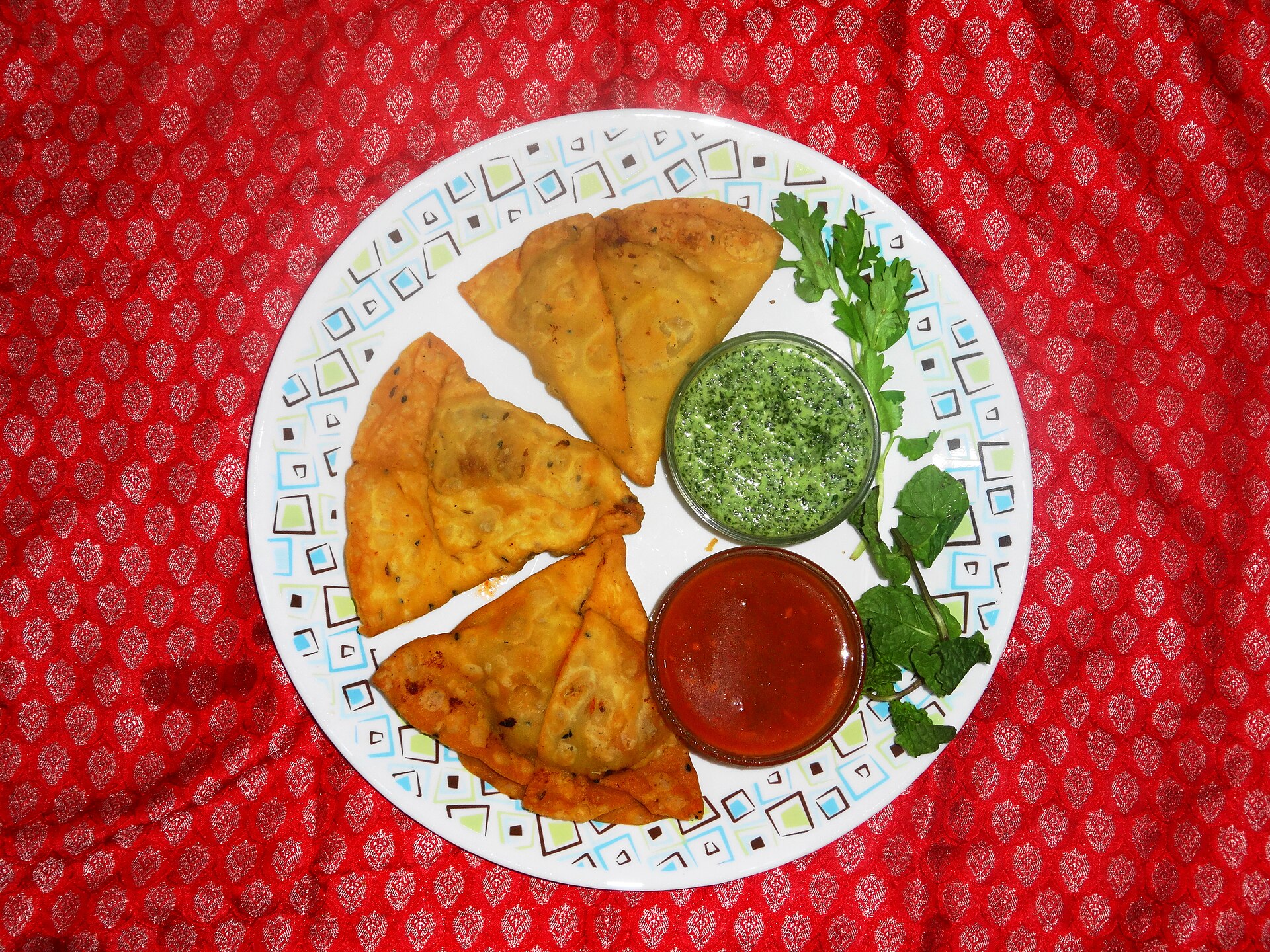
- Samosas packed while hot (condensation plus pastry equals limp disappointment)
- Open yoghurt drinks and foil that tears at the first jolt
Why Pakistani flavours need a packing plan of their own
Oil, yoghurt, and aromatic tempering are normal in Pakistani home cooking and awkward in a rucksack. A tadka that smells like comfort at home can read as intrusion in a quiet coach. Pack intensity deliberately: mild omelette rolls travel more kindly than raw onion salad; sealed chutney beats an open achaar tub; cooled patties beat sauced nihari. You are not abandoning cuisine. You are choosing the formats that survive public transport.
Family groups should agree who carries the ice pack and who carries rubbish. One person’s “I will eat later” becomes everyone’s warm-window problem if the perishable box stays buried until Birmingham.
Rice and gravy need their own honesty
Cooked rice is a frequent British Pakistani packing instinct and a frequent hygiene trap. The FSA’s home food fact checker explains that uncooked rice can contain spores of Bacillus cereus that survive cooking. The longer cooked rice sits at room temperature, the more likely bacteria or toxins make it unsafe. Reheating does not reliably fix rice that was left warm too long.
If you insist on a rice cup for the train, cool it quickly in a shallow box in the fridge first, pack it against an ice pack, and eat it in the first part of the journey. On a hot carriage with no cold source, choose patties and dry snacks instead. Gravy belongs in a sealed jar you open at a table, not in a soft pouch above a laptop.
Cook and cool before the bag owns the problem
Most backpack disasters start in the kitchen the night before. Cook patties, tikka, and eggs early enough to cool uncovered until steam stops rising, then refrigerate in shallow containers. Hot food sealed into plastic sweats; the sweat becomes sogginess by Crewe. Pat grilled meat and paneer dry with kitchen paper before wrapping so marinade does not paint the rest of the bag.
Parathas travel better when fully cooled, separated with parchment, and wrapped in a layer that breathes slightly inside a rigid box, not trapped in clingfilm while still warm. If you need moisture for eating later, pack a tiny sealed chutney rather than hoping the bread stays soft for four hours.
Label allergens if you are sharing across a family group: sesame on rewri, nuts in barfi-style sweets, dairy in raita, gluten in samosa pastry. The FSA’s pages on allergen information for consumers are useful literacy for what “contains” means in UK food contexts. Train tables are shared surfaces; keep nuts in a closed box when other passengers are close.
Layer the backpack so books and cables survive
- Bottom: soft layers (jumper, scarf) as shock absorption
- Middle: rigid food box or lunch tin standing on its steadiest face
- Sides: ice pack and water bottle upright in mesh; never above an open snack pouch
- Top: napkins, wet wipes, bag for rubbish, reachable without unpacking the meal
- Separate sleeve: phone, tickets, and chargers away from any jar
Use containers with gasket lids for anything moist. Double-bag chutneys. A hard-sided lunch tin beats a soft cooler pouch when the overhead rack is full and the bag must sit at your feet. If you carry a laptop, give it its own compartment with a fabric wall between it and food. Never “just this once” under the tikka box.
What to pack for a two-hour hop versus a cross-country haul
On a short regional service, prioritise hand food you can finish before the first stop announcement: a wrap, a patty, fruit, water. Skip elaborate cold-chain theatre if you will eat within ninety minutes of leaving a fridge, but still cool cooked food first.
On longer journeys (London to Manchester, Edinburgh routes, cross-country changes), treat perishable protein as a timed course: eat it in the first third of the trip while ice packs still work, then switch to dry snacks. Rebuild the cold source after a station stop if you buy a chilled drink; do not assume the original ice pack lasts a full summer afternoon in a sunlit carriage.
Carriage manners that keep the picnic welcome
Choose seats with a table when you can. Open aromatic containers briefly; strong tadka reads differently in a quiet coach than in a kitchen. Wipe the table when you finish. Take rubbish with you until you find a bin. Onboard bins fill, and leftover bones or oily paper belong in your bag, not under the seat. If a neighbour is clearly uncomfortable, switch to sealed snacks.
Quiet coaches are not picnic theatres. If you booked quiet, keep crunch and conversation down and avoid heating food with open spice. Standard coaches still deserve the same cleanup standard. Children need a wipe kit and a plan for sticky fingers before they touch shared armrests.
Do not use another passenger’s table edge as your chopping board. Do not leave rice grains in the cup holders. Do not negotiate with a leaking jar by wiping it on the upholstery.
Station realities and the myth of the perfect platform haul
Buying everything at the station rarely solves the neatness problem: packaging is soft, sauces are free, and you still need a bag that closes. Use station shops for water, fruit, and ice-cold drinks that reinforce your cold chain; keep the structured meal home-packed. If you must buy a hot pastry, eat it before boarding or wrap it so oil cannot reach electronics.
Platform time is when lids fail. Check every screw-top before you walk to the train. Carry a spare zip bag for a jar that misbehaves. Keep tickets and railcards in a clean pocket. Saffron fingerprints on a barcode are an avoidable farce.
A sample neat menu (adapt, do not worship)
- Two cooled potato patties in parchment inside a tin
- One firm flatbread roll with dry omelette and herbs
- Apple slices or whole apples; a small sealed berry box if rigid
- Roasted chana in a hard container
- One mini screw-top yoghurt only if double-bagged and upright beside the ice pack
- Water bottle; optional frozen juice as cold source
- Napkins, wet wipes, rubbish bag
Eat the most perishable items first. The neat train picnic is a small engineering problem solved before you leave the kitchen: dry where possible, sealed where moist, cold where perishable, and packed so the backpack can fall over once without rewriting your shirt.
Sources and official profiles
Filed under
Was this helpful?
Keep reading
Related stories
More from this desk, this beat, and the tags on this piece.
Readers
The conversation
0 notes
Anyone can leave a note. Guests add a name and email — no account required, and the email is never published.
No notes yet. Yours would be the first.