Workwear
Pakistani Eid outfits in the UK: a complete buying timeline
A calm UK buying plan that separates ready-to-wear stock from made-to-order promises and leaves enough time for fit, returns and alterations.
By Zainab Noor
Fashion writer
3 min read
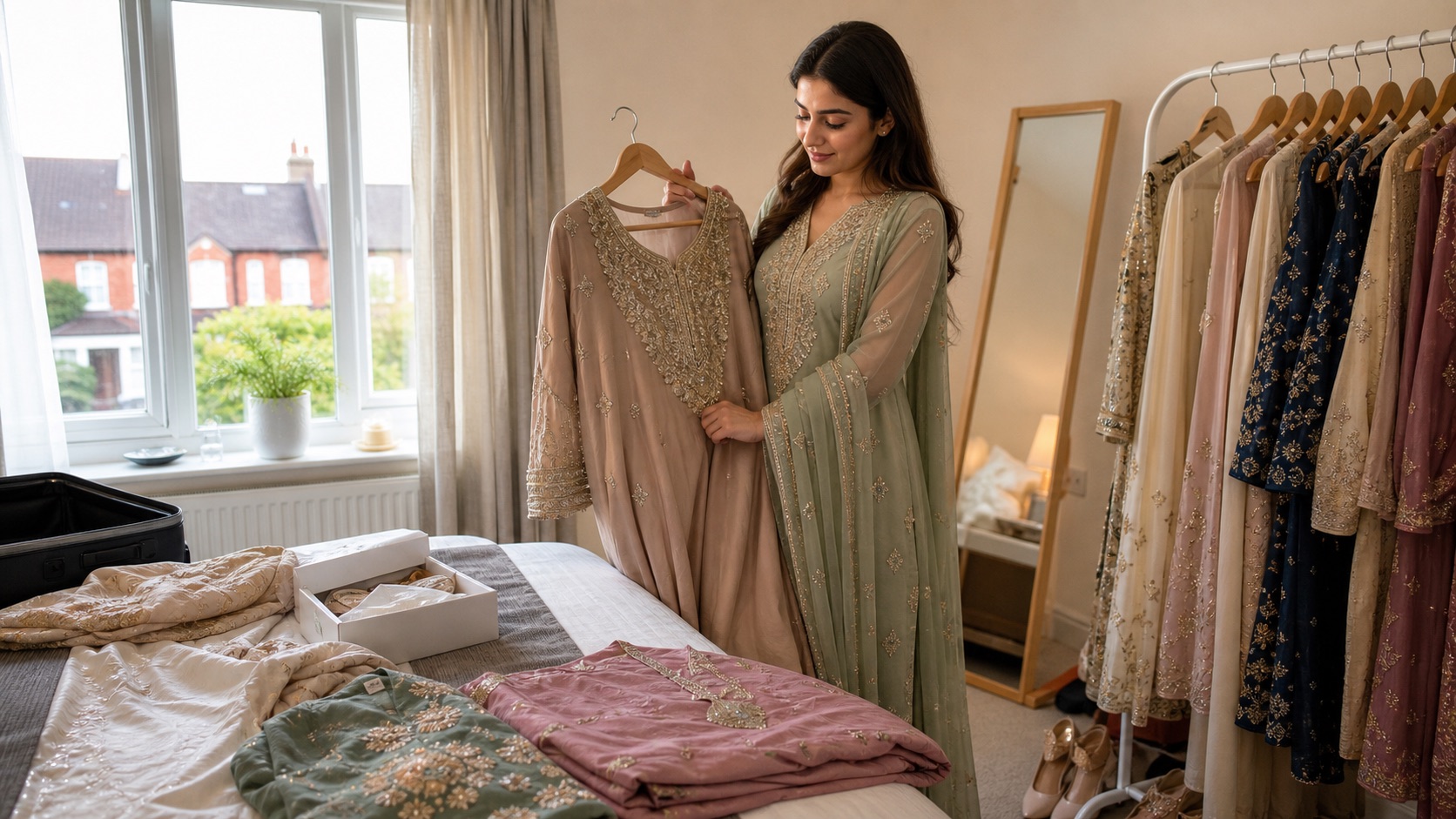
The most useful question on an Eid product page is not “Will this arrive in time?” It is “Where is this exact piece today?” A suit held in a Birmingham stockroom and a suit ordered from Lahore after checkout may appear beside the same delivery estimate, yet they leave you with very different room for a delayed parcel, an awkward sleeve or trousers that need shortening.
Choose the day on which the outfit must be wearable—not merely delivered—and work backwards. If Eid is likely to fall on a Wednesday, Sunday night is not a sensible first fitting. You need time to try every component together, inspect it in daylight and let a tailor make a measured change without an emergency fee.
A timeline with breathing room
- Six to eight weeks before
- Use this window for made-to-order work, cross-border orders or anything requiring substantial tailoring. Ask whether “production time” ends when the garment leaves the workshop or when it reaches you.
- Three to four weeks before
- UK-held ready-to-wear is still practical if the retailer identifies the stock location and dispatch date. Compare the garment measurements with clothes you own; do not translate a familiar UK dress size into a Pakistani label by instinct.
- Ten to fourteen days before
- Restrict the search to confirmed local stock with a clear returns address. This is also the point to stop adding complicated tailoring ideas. A clean hem and secure neckline are better than an ambitious redesign completed at midnight.
- The final week
- Shop in person or wear something already in your wardrobe. Express delivery can shorten transit; it cannot guarantee fit, colour or finishing.
Read the listing as a packing list
“Three-piece” should tell you exactly which three pieces arrive. Check whether sleeves are lined, trousers are stitched, a slip is included and the dupatta shown in the campaign belongs to the product. Save the listing and product code. Colour names such as ivory, pista and tea pink are not calibrated standards, and studio lighting can make a material look cooler or brighter than it is.
Ask for garment measurements at the bust, hip, shoulder, sleeve and finished length. Body measurements describe you; garment measurements reveal the intended ease. For an embroidered hem, confirm the length before a tailor cuts: shortening from the bottom may remove the border, while lifting at the waist or joining a concealed panel changes cost and balance.
Returns change when clothes are customised
For most UK distance purchases, consumers normally have a limited cancellation period, but personalised or custom-made goods are among the exceptions. Faulty or misdescribed goods are a separate issue. Read the retailer’s actual terms and the current GOV.UK returns guidance before asking for sleeves, necklines or lengths to be altered. Do not remove tags or commission outside alterations until you have inspected the supplied item and decided to keep it.
Finish the outfit early enough to wear it for twenty minutes at home. Sit, climb stairs, raise your arms and try the shoes on the flooring you expect to encounter. Eid clothes should survive hugs, food, prayer, children and a British weather forecast—not only the mirror beside the parcel.
Sources and official profiles
Filed under
Keep reading
Related stories
More from this desk, this beat, and the tags on this piece.
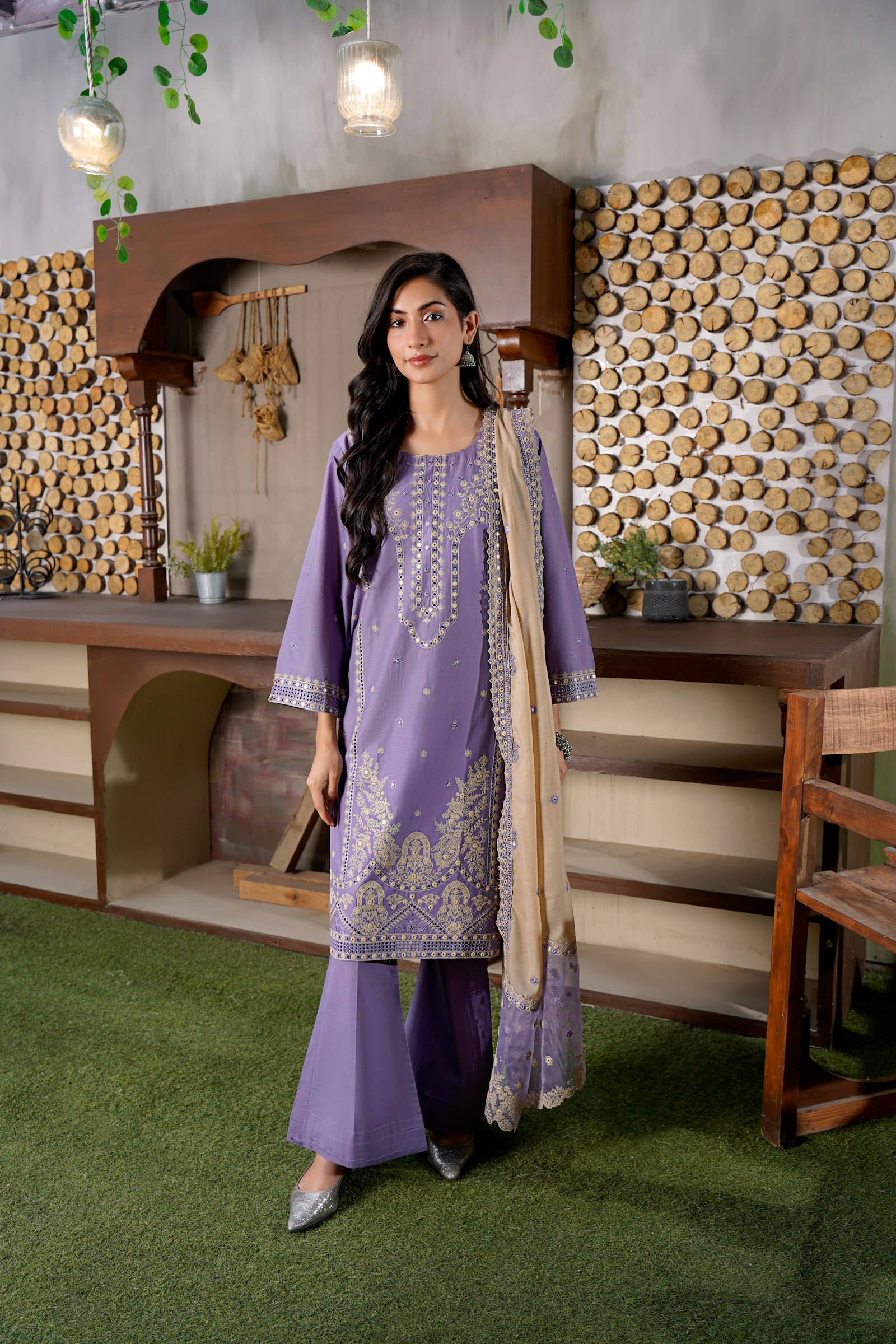
Office Eid lunch dressing: festive without looking ceremony-ready
Zainab Noor · 13 Sep 2026 · 15 min
What to wear to a job interview when you prefer Pakistani clothes
Zainab Noor · 13 Sep 2026 · 17 min
Pakistani workwear for teachers: movement, pockets and washability
Zainab Noor · 13 Sep 2026 · 16 min
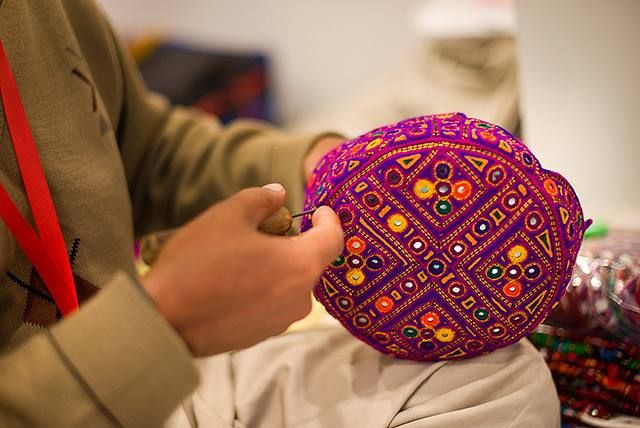
Pakistani formalwear for a British wedding: groom and guest options
Zainab Noor · 13 Sep 2026 · 15 min
Readers
The conversation
0 notes
Anyone can leave a note. Guests add a name and email — no account required, and the email is never published.
No notes yet. Yours would be the first.