Chai
Doodh patti when you want a drink, not a dessert
How to keep Pakistani doodh patti in the realm of tea — less sugar, a cleaner boil, and language you can use at a tapri or at home.
By Hassan Raza
Food editor
5 min read
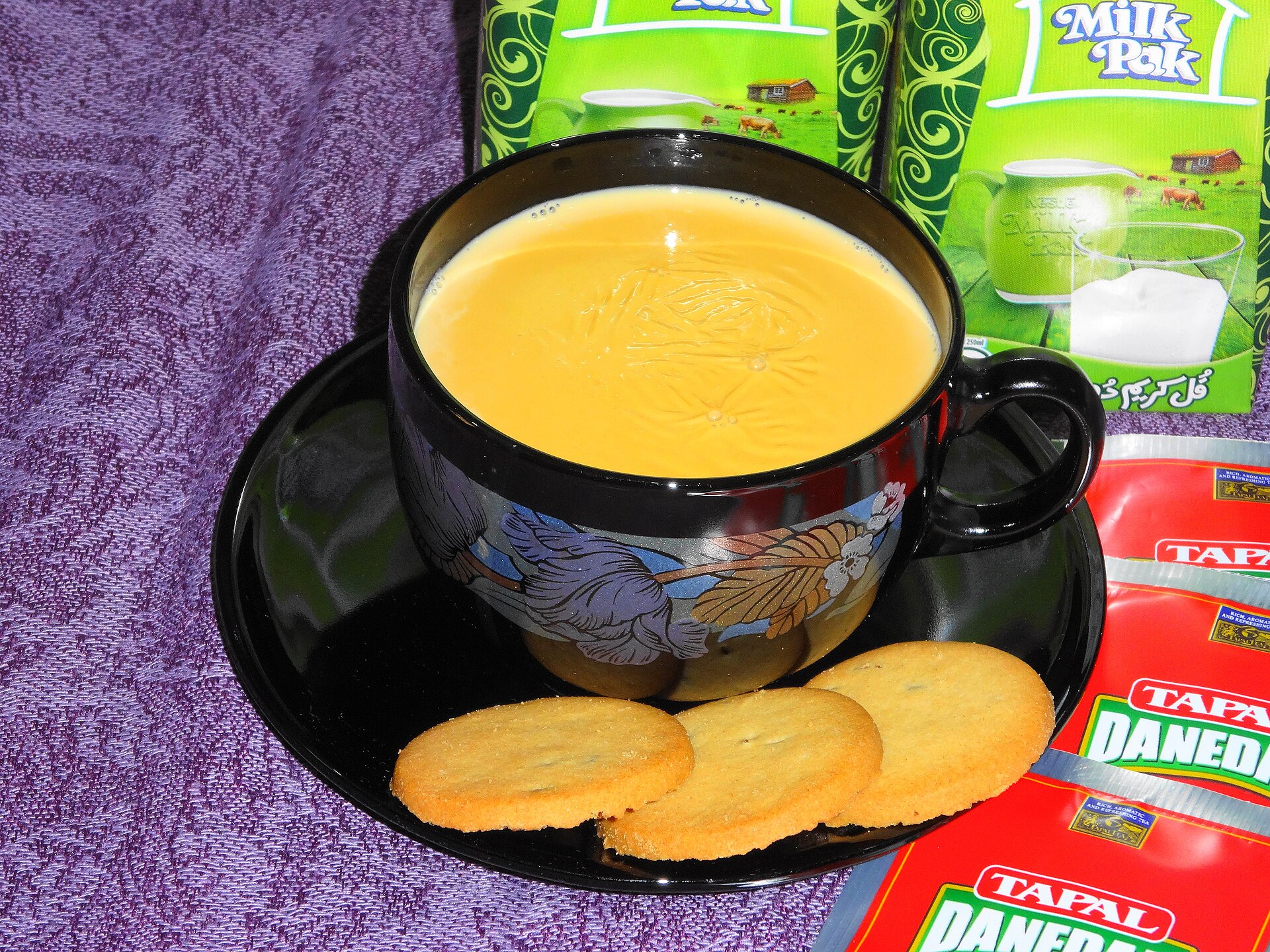
Doodh patti becomes dessert when sugar is the main event and the tea is only colour. Plenty of Pakistani cups are meant that way, and there is no scandal in a sweet glass after dinner. Trouble starts when every cup in the working day is cooked until it tastes like condensed milk, then defended as “the real thing”. Tea is still tea. You are allowed to want the tannin, the milk, and a finish that does not coat the teeth.
If the spoon stands up, you have made a pudding. Serve it as one, or start again with less sugar and a shorter boil.
— PakStyles food desk
Sweetness is a setting, not a personality
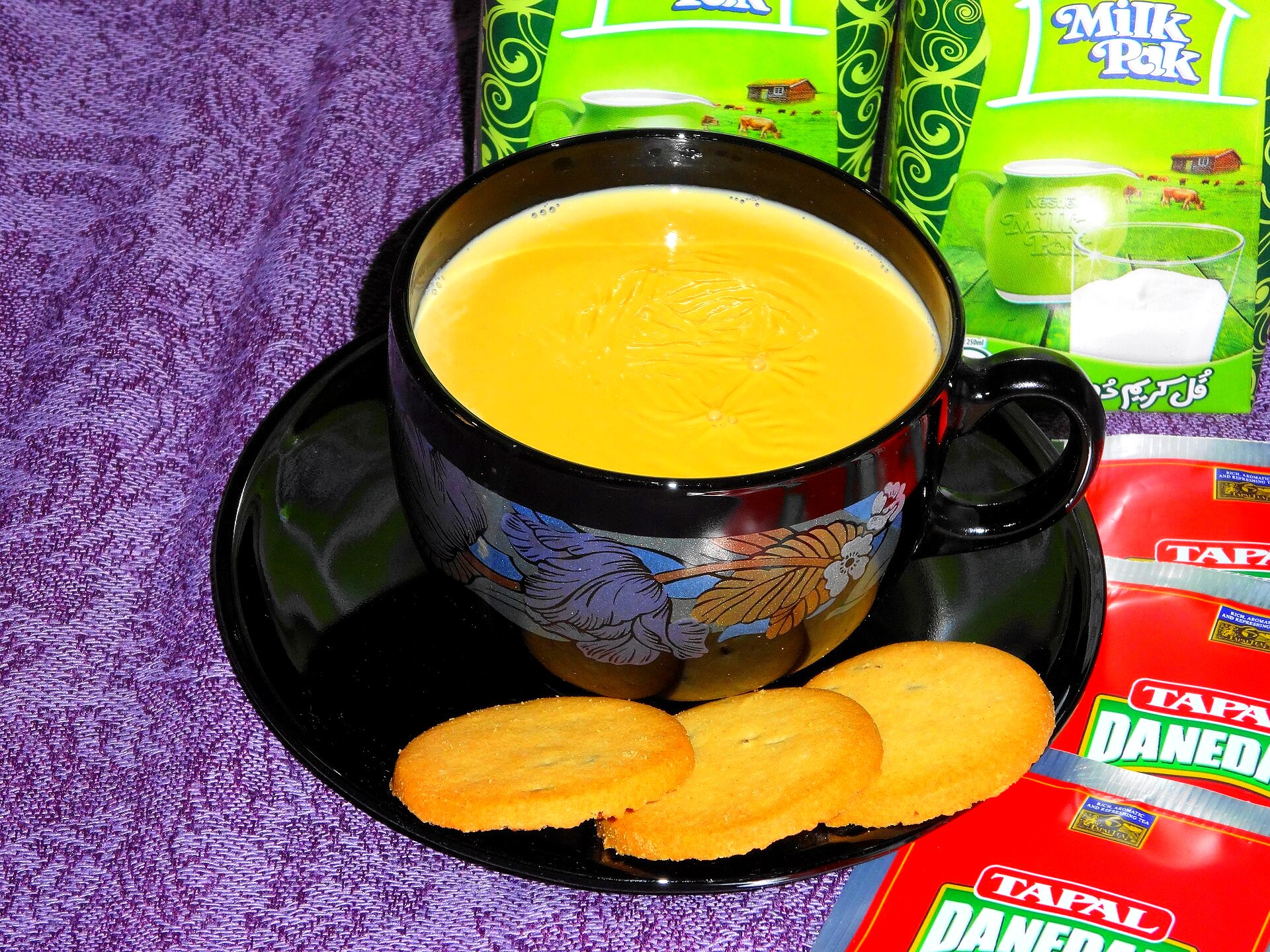
Sugar in doodh patti is a ratio you can name. Households disagree, tapris assume, and hotels hide the decision in a pot that has been sitting. If you want a drink, start by cutting the sugar you would usually add by a third and tasting before you add more. The tea should still be present after the milk. If it disappears, you either under-dosed the leaf or over-boiled until only caramel and dairy remain.
Branded leaf is not a moral category. Tapal describes itself as a Pakistani tea company with blends aimed at family pots; other packets sit beside it in the same shop. Use the packet you already buy, and change the sugar and the boil before you change the brand in search of a personality. A “stronger” box will not save a cup that was cooked for twenty minutes with a fist of sugar.
How to ask at a tapri without a speech
Street tea is made at speed for a palate that often wants sweet and milky. You will not reform the stall. You can still ask. “Kam cheeni” is ordinary Urdu, not a lecture. “Zyada patti, kam doodh” is understood in most cities if you say it before the pot is poured, not after. If the stall only makes one sweet mix in a large kettle, you are buying that mix. Walk on, or accept the dessert and call it a snack.
Do not perform foreignness. Do not explain blood sugar to a man pouring six cups. Pay, drink, or leave. If the cup is filthy, that is a different problem from sweetness. In Punjab, consumer complaints about unsafe food can go to the Punjab Food Authority; a sticky saucer on a Karachi roundabout is still a reason to choose another stall. Hygiene is not snobbery. It is whether you want to finish the cup.
The home pot is a different drink
At home you control evaporation. Bring milk and water up together or brew tea first, according to the house you learned in, but do not confuse a long boil with quality. A long boil without enough leaf makes a cooked-milk taste; a long boil with too much sugar makes fudge. Taste from a spoon. Stop when the colour is even and the tea is audible under the milk. Cardamom is optional. It is not a requirement for authenticity, and a pod will not hide a dessert ratio.
A family pot is not eight times a single cup. Evaporation cheats you. If the last glass is always harsher than the first, you held the pot too long or you scaled the leaf badly. Make a second smaller round. Hospitality that insists on a third glass of pudding-tea is still hospitality; you are allowed to cover the glass and say you are full. The guest who wants less sugar is not rejecting the house. They are asking to stay in the conversation without a sugar crash.
When doodh patti is being used as pudding
There are hours when a sweet cup is the point: after a heavy dinner, at a winter gathering, with something fried. Name those hours. The rest of the day can be a drink. If you only ever make the pudding version, you will think you dislike doodh patti when you actually dislike dessert at 11am. Keep a savoury biscuit or a namak para for the sweet cup if you still want that register. Do not sweeten the morning pot to match it.
This is not a recipe for weight loss and it is not a medical plan. If you are managing diabetes or another condition, follow clinical advice rather than a magazine’s tasting notes. For everyone else, the useful test is simple. After the cup, do you want water, or another sweet? If you want water, you probably made tea.
- Cut sugar first, not the brand.
- Ask before the tapri pours.
- Taste the home pot instead of boiling it into caramel.
- Keep the dessert cup for the hour that wants dessert.
Doodh patti can be a pause rather than a pudding. Name the sugar, shorten the boil, and say what you want at the stall. The leaf will still be Pakistani. The cup will simply be drinkable at more hours of the day.
Sources and official profiles
Keep reading
Related stories
More from this desk, this beat, and the tags on this piece.
Office chai for ten people: scaling a pot without losing balance
Hassan Raza · 13 Sep 2026 · 15 min
Readers
The conversation
0 notes
Anyone can leave a note. Guests add a name and email — no account required, and the email is never published.
No notes yet. Yours would be the first.