The Karachi chai brief
Kadak, doodh patti and cutting tea: how to order and brew Karachi chai without treating leaf quality as a brand personality.
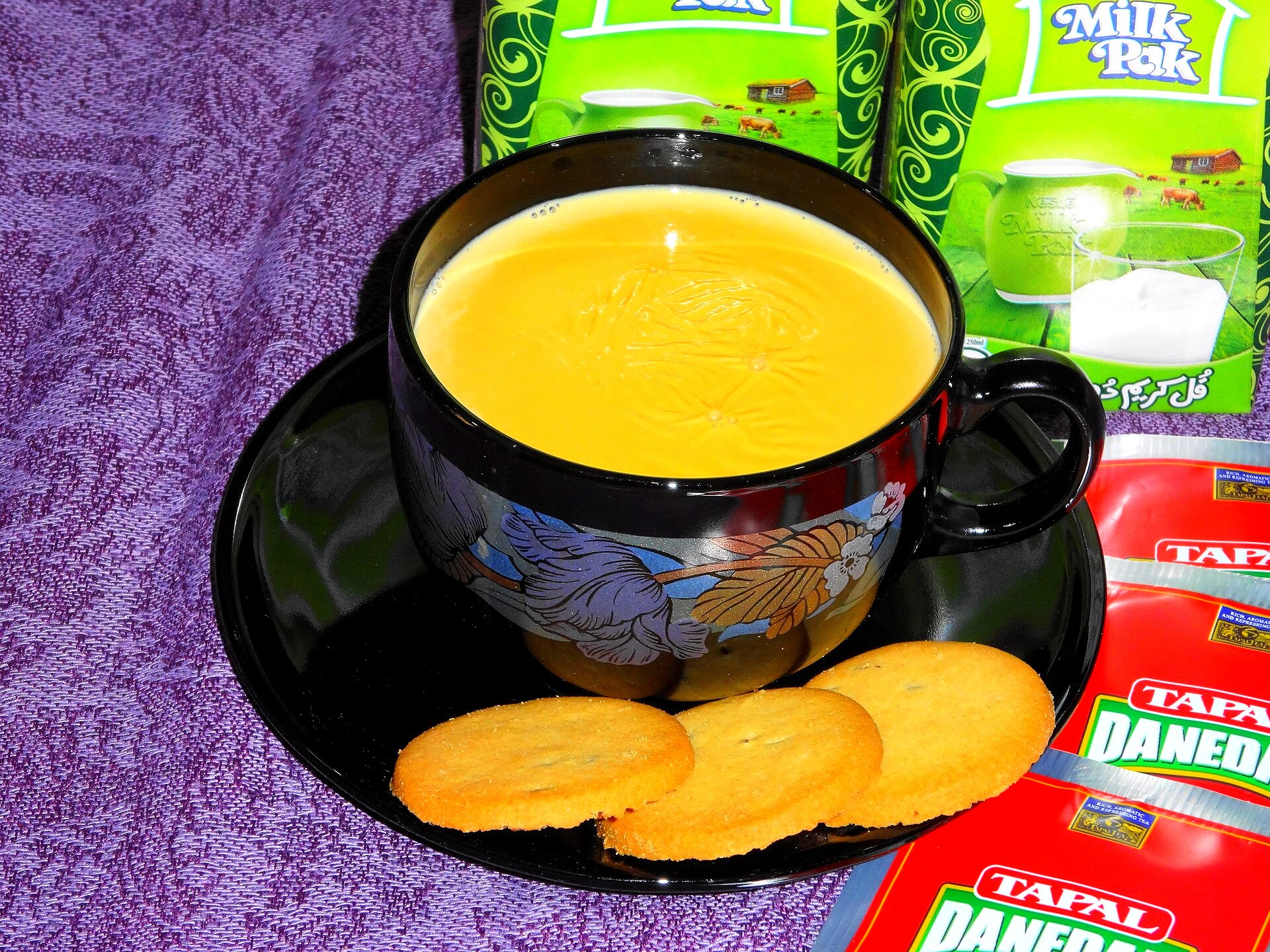
Chai in Karachi is a dialect. Say “tea” and you will get something. Say cutting, doodh patti, kadak, or less sugar, and you will get a position. This brief teaches ordering language and home method without inventing a tour of named tapris or quoting fictional stall philosophers.
The leaf matters more than the brand theatre on a box. Smell it. If it smells like dust, it will taste like dust—no amount of cardamom perfume will fix that honestly.
How to order without a speech
Kadak argues: strong, reduced, a little tannic. Doodh patti comforts: milk and leaf cooked together until they are one idea. Cutting suits standing pauses—a small glass, not a sitting ceremony. Ask for less sugar unless your sweet tooth is intentional. Cardamom is a choice. Ginger suits rain and illness more than every glass in June.
If you are unsure, watch what regulars receive and point. Mimicry is manners when language is incomplete. Say thank you. Do not remake a working stall into a custom cafe on a first visit.
| Order | Character | Good moment |
|---|---|---|
| Kadak | Strong, reduced | After heavy food; early work |
| Doodh patti | Milky, integrated | Comfort, guests, late talk |
| Cutting | Small, quick | Standing pause, roadside |
| Less sugar | Leaf-forward | Most adult everyday cups |
Tapri logic versus lounge logic
A working tapri optimises heat, speed, and leaf that can stand milk. Cups may be glass, not porcelain. The best cups are often not pretty: hot, slightly tannic, gone in minutes because conversation outranks photography. A stall performing for reels may perfume the pot; walk if you wanted a pause, not a candle.
Hotel lounges can surprise when they use decent leaf and restrain syrup. Many do not. If you are paying lounge prices, you may send back dust-water. At home, store leaf in a tin that closes; stale leaf is the quiet villain of domestic chai.
Lahore as cousin, not competitor
Lahore’s doodh patti is often milkier and sweeter—a cousin dialect. Do not demand Lahore in Karachi or the reverse as a purity test. Order the city you are in. That is manners more than authenticity theatre.
Coastal humidity and Punjabi winter both change how milk reduces and how quickly a glass cools. The dialect words travel; the physics of the pot still belong to the weather you are standing in.
Summer changes the glass
June chai negotiates sweat. Smaller cups help. Less milk can help when the day is extreme. Water first if you have been outside. Iced tea as a personality is mostly a cafe product; a tapri may simply look at you. If you want cold, that can be a different errand. If you want chai, drink it hot and find a breeze.
- Smell the leaf before you romanticise the stall.
- Order the dialect you mean.
- Ask for less sugar than your first impulse.
- Do not photograph every cup.
- At home, watch the pot; burnt milk is a flavour you cannot unmake.
Home method that respects the leaf
Use a pot you can watch. Bring water and leaf to a serious simmer before milk if that is your style, or cook milk and leaf together for doodh patti—pick a method and repeat it until muscle memory forms. Crushing masala blindly into every pot teaches nothing; add cardamom or ginger when the day asks.
Reusable filters and strainers beat leaving grit in cups. Rinse the pot; old tannin layers turn bitter. If you serve guests continuously, keep a kettle rhythm rather than a single exhausted pot that tastes like the afternoon’s arguments.
Children and caffeine: household rules differ. Offer smaller, milder cups or alternatives without turning the kitchen into a debate society every evening.
Office thermos chai is a different product—often flatter. Brew stronger than you think, fill hot, and accept that it will not equal a fresh glass. That acceptance prevents thermos disappointment from becoming a personality.
Biscuits, rusk, and soft toast are companions, not competitors. A kadak cup beside too many sweets becomes dessert; decide which role you want.
Milk quality and alternatives
Chai depends on milk that has not turned and water that is clean enough to trust. In households using UHT, powder, or plant milks, expect different reduction behaviour. Plant milks can split; learn your brand’s limits. Lactose-intolerant drinkers may need adjustments—respect that without interrogation.
Tea bags versus loose leaf is partly convenience and partly flavour. Bags can be decent; they can also be dust. Loose leaf rewards attention. Neither automatically confers virtue.
Social timing
Chai after guests arrive is a welcome. Chai as delay when food is late can become passive aggression—know which you are serving. In workplaces, chai rounds can include or exclude people; notice who is never offered. Inclusivity is a poured cup.
If ordering for a mixed group, collect preferences before you reach the stall: sugar, milk strength, ginger. One spokesperson prevents a six-person negotiation in the cook’s face during peak steam.
Roadside chai stops on long drives are part of Pakistani travel culture. Choose busy stalls with high turnover when you can. Carry cash. Stretch your legs. Then continue.
Spiced chai trends abroad sometimes return to Karachi cafes as novelty. Enjoy them as cafes. Do not correct a tapri with a foreign recipe chart.
Water, utensils, and stall hygiene cues
High turnover helps. Cups washed in questionable water do not. Prefer stalls where glasses look hot-rinsed or where disposable policies are clear. This is judgment, not laboratory certainty. If you are medically vulnerable, choose home chai more often and treat roadside cups as higher risk.
Carry your own bottle for water alongside chai. Dehydration makes bad tea decisions. In heat waves, chai is not a water substitute even when it feels like care.
Pairing without muddle
After nihari, kadak can cut richness. After light biscuits, doodh patti can be the point. After spicy snacks, too-sweet chai becomes dessert layered on dessert—sometimes wanted, sometimes sickly. Match the cup to the preceding plate.
Smoking and chai culture intertwine in some male-dominated tapris; mixed groups should choose spaces that feel comfortable. You are allowed to leave a stall that feels hostile. Tea is abundant in this city.
Learn to make one excellent home cup so you are never hostage to a bad cafe. Self-reliance improves taste and budget. Then go out for the social pause, not because you cannot boil milk.
Gift leaf in tins with purchase or roasting dates noted. Stale gifted tea is a soft insult nobody intended. Keep a home “guest tin” of better leaf if your everyday leaf is basic; guests notice care more than brand names.
If you take chai with medication timing concerns, ask a clinician or pharmacist—caffeine and routines interact. Do not improvise medical advice from food essays. If reducing caffeine, taper rather than quit through headaches during a workweek. Spiced decoctions without leaf can be pleasant; they are not chai, and that is fine.
Chai is a pause, not a personality brand. Kadak when you need an argument, doodh patti when you need a truce. Karachi stops for four minutes—if you let it.
Leaf grades without commodity theatre
You do not need to become a tea auction analyst to brew better chai. You do need to notice whether the leaf in your tin smells fresh, whether dust dominates the bag, and whether last month’s open packet has gone flat. Buy smaller quantities more often if your household drinks slowly. Finish a tin before it turns into potpourri.
Masala is optional punctuation, not the definition of chai. A stall that leans hard on ginger and elaichi may be covering weak leaf. A home pot that never uses spice can still be excellent kadak. Learn your base cup first; then decide which days want perfume.
When guests arrive in waves, brew in overlapping pots rather than one marathon reduction that tastes like the third hour of an argument. Keep milk cold until it meets the pot. Scalded milk waiting on a counter is how “fresh chai” becomes a rumour.
If you are learning Urdu or local terms, chai ordering is excellent practice: short phrases, immediate feedback, low stakes. Misorders become stories, not crises. Carry small notes for tip or payment where appropriate; awkward card machines should not define the pause you came for.
End with the brief itself: dialect, leaf, less sugar, pause. Everything else—lounge menus, iced novelty, thermos compromise—is optional decoration around a four-minute stop the city still knows how to take.
Keep the checks specific: leaf smell, sugar decision, pot timing, stall turnover, summer cup size. Those replace vague adjectives and stop Karachi chai from becoming a personality brand. It remains what it always was in this city: a dialect you can order, a pause you can protect, and a home pot you can repeat without theatre.
Order the dialect. Smell the leaf. Protect the pause.
Was this helpful?
Keep reading
Related stories
More from this desk, this beat, and the tags on this piece.


Readers
The conversation
0 notes
Anyone can leave a note. Guests add a name and email — no account required, and the email is never published.
No notes yet. Yours would be the first.