Chai
Tapal, the hotel pot, and the tapri
Household Tapal, Lipton in the office, Vital when the tin says so — and why Peshawar’s qehwa is not a doodh patti in denial.
By Hassan Raza
Food editor
5 min read
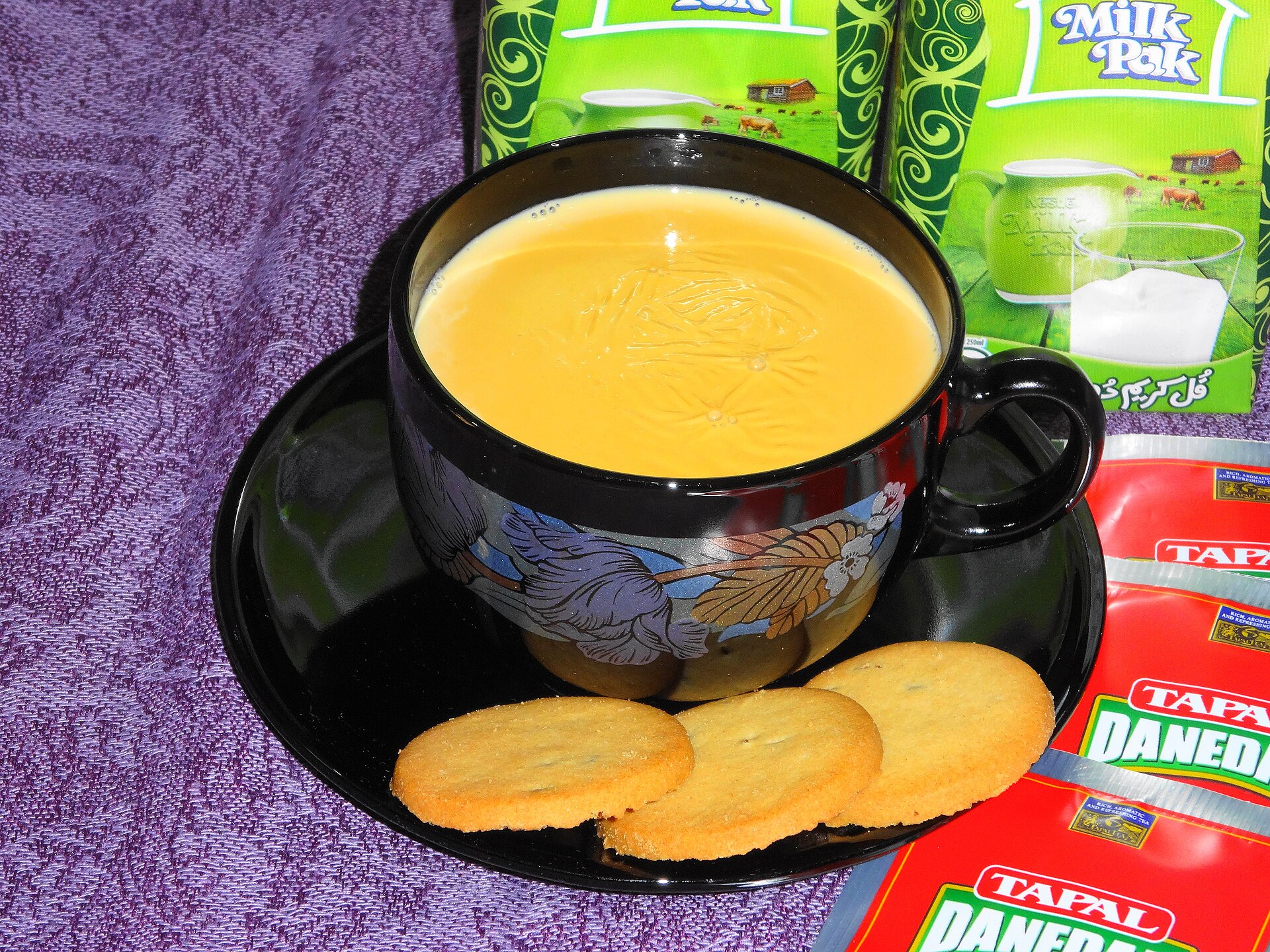
Chai in this country is a class system that pretends to be a beverage. There is the tapri glass that burns your fingers. There is the drawing-room cup that arrives with a saucer and a slight apology. There is the hotel pot that should be better than it is, and occasionally is. I drank my way through those three temperatures in one week, plus a qehwa in Peshawar that is not trying to be doodh patti, and I am tired of people calling every hot brown liquid “tea” as if the word were enough. The leaf matters. The milk matters. The room you drink it in matters. Brand is a starting point, not a personality.
If the tapri smells like leaf, sit. If it smells like perfume, you wanted a candle. Keep walking.
— Rafiq, tapri, near Boat Basin, twenty-one years on the same kettle
The household tin
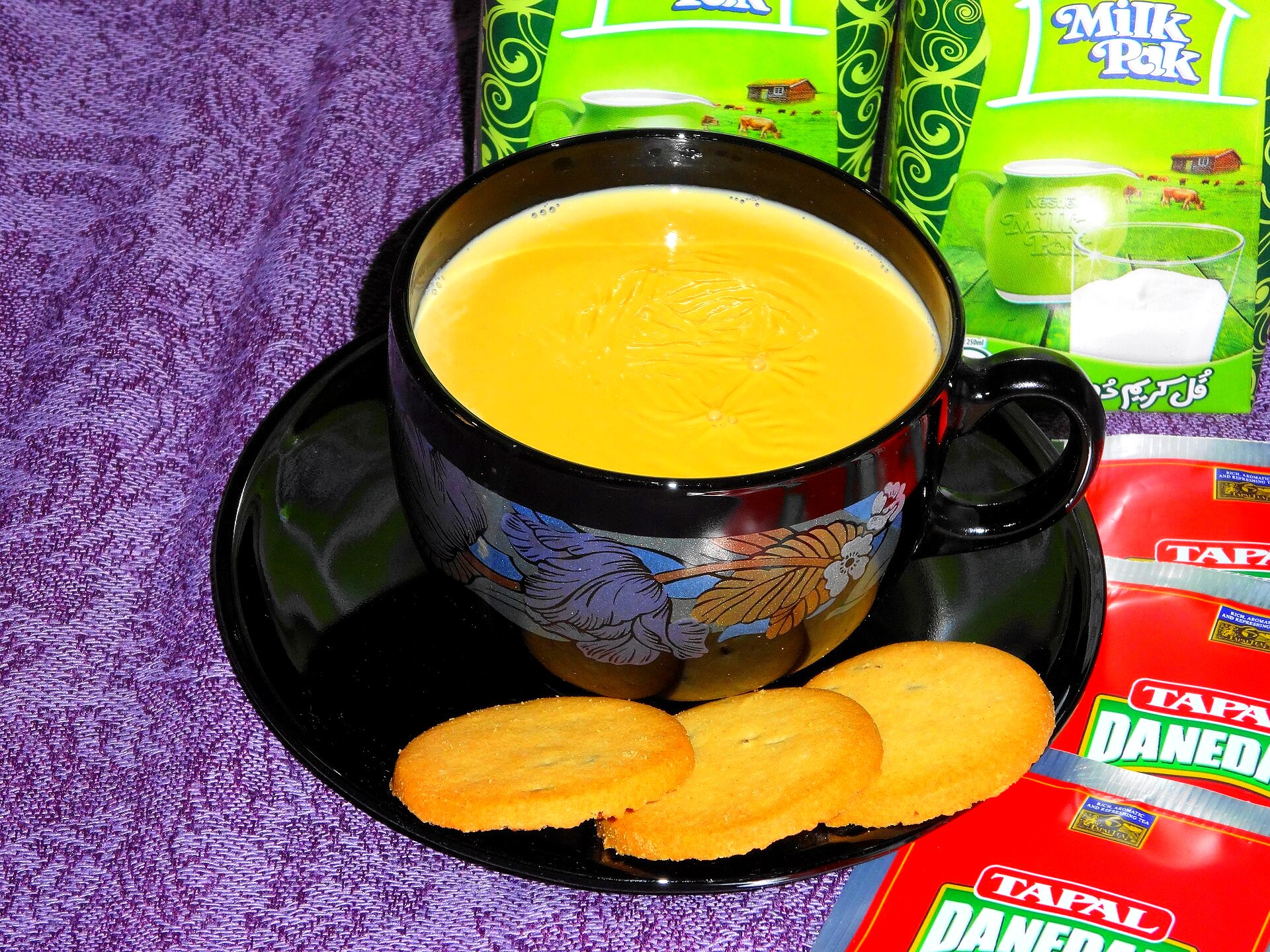
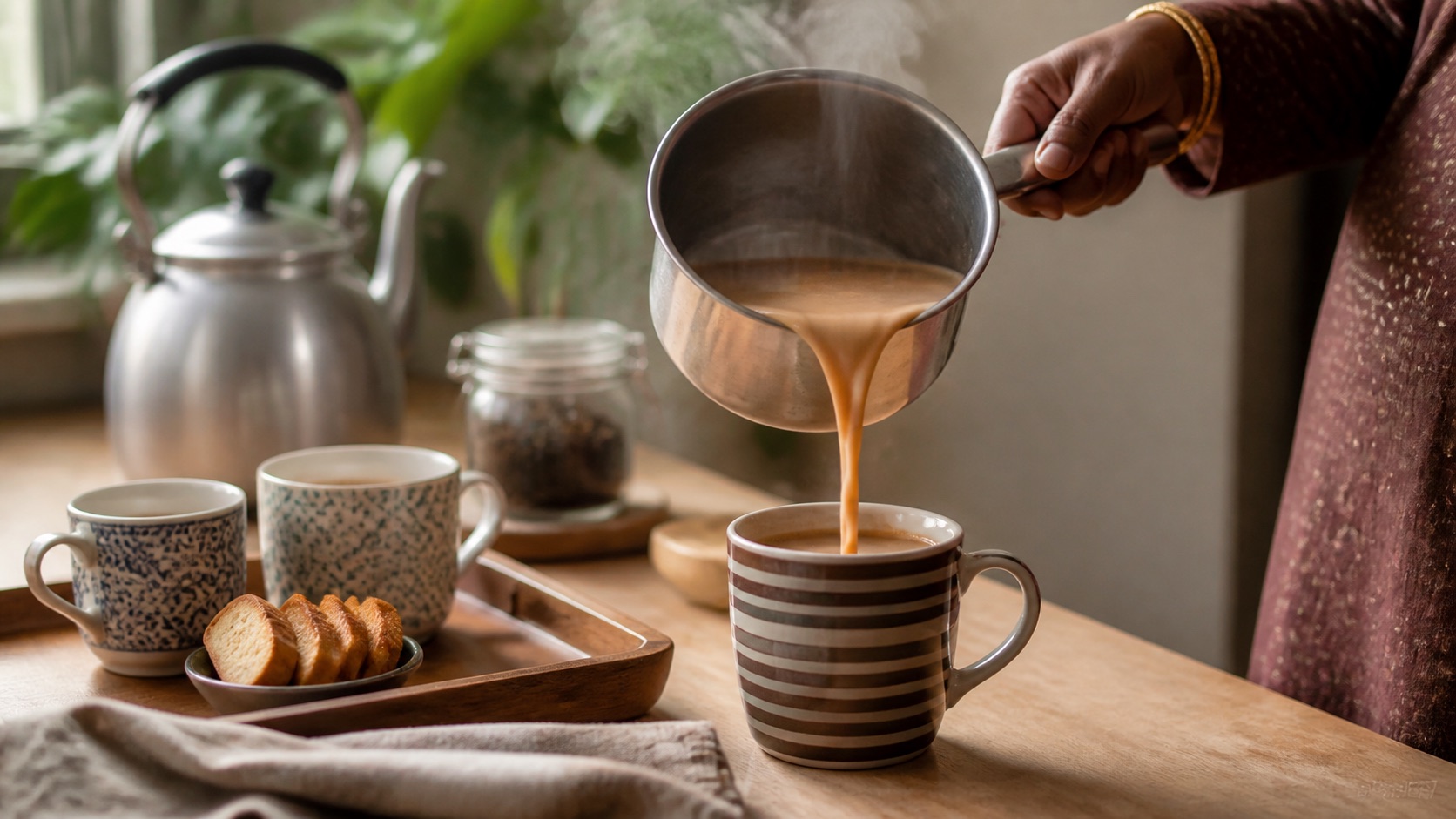
Tapal is the household name that behaves like infrastructure. Danedar, Family Mixture, the yellows and reds you can find in a kitchen without turning on the light: that is not a romance. It is a supply chain that reached the cupboard. I made Tapal two ways in a Defence kitchen that still buys loose leaf, and in a PECHS flat that uses the bag because the morning is short. Loose, into milk and water together, reduced: doodh patti that tasted like a house. Bag, dunked in a mug because someone had a Zoom: a brown drink. Same brand. Different crime. The tin is not the problem. The mug dunk is the problem. Tapal can take a tapri boil. It cannot survive being treated like a bath.
Lipton in Pakistan is the office. Yellow bag, styrofoam, a meeting that should have been a WhatsApp. I will not invent a local URL for a multinational that already occupies every drawer. The bag is designed for water, not for milk boiled into submission, and yet we milk it anyway, because this is not England and we are not performing. The result is thin and slightly sad, which is correct for an office. Do not serve it to a guest you like. Vital shows up in tins in homes that have a loyalty I will not mock: a particular redness, a particular strength. No official site I trust enough to paste. Name it, buy it if that is your house, smell it before it goes in the pot. Dusty Vital is dusty chai. Dusty Tapal is dusty chai. Brand loyalty does not outrun a cupboard that does not close.
The tapri that still boils
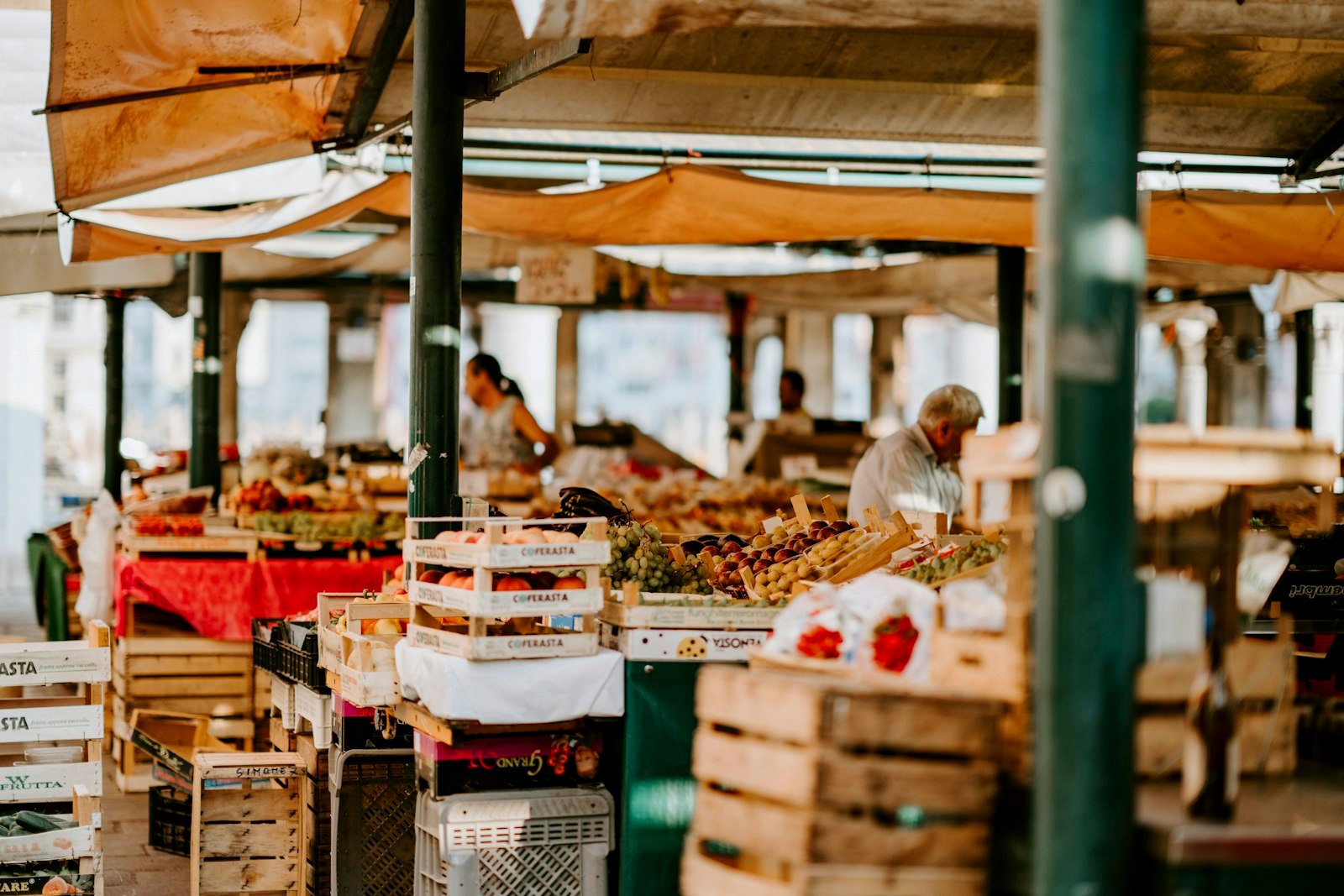
Rafiq’s tapri near Boat Basin uses a leaf he will not name by brand. He boils, reduces, pours. The glass is small. Kadak unless you say doodh patti. Less sugar is a sentence you must actually say. I drank it standing at 11am. It argued. That is the job. Heat, tannin, milk that has not turned. If you need latte art, pay cafe prices. Do not bully a tapri. Order the city you are in. A Saddar “Kashmiri” as a personality is pink colour and a story. Tuesday wanted brown, hot, and gone.
The hotel pot, occasionally innocent
Hotel chai is usually a bag, water that never boiled, a milk jug that has been sitting. Send it back. You are paying for a room. I drank one Clifton pot that used a decent leaf and did not hide cardamom like a crime. Most hotel tea is a threat. Yasmin, off Shahrah-e-Faisal, keeps Tapal in a tin and a second kettle for the uncle who wants qehwa because milk makes him tired. That house understands dialect. The hotel wants one pot that offends nobody. Offending nobody is brown water. Milk and leaf, reduced — or green tea, clean. The hybrid is a committee.
Qehwa is not doodh patti in denial
In Peshawar I sat off Namak Mandi after karahi, and the qehwa came as it should: green tea, cardamom if the house wanted, no milk. It is hospitality, not doodh patti that “forgot the milk.” Shazia said her father would notice the milk before a new daughter-in-law. Doodh patti is a Karachi and Lahore afternoon. Qehwa is a Peshawar grammar. They are maps, not a competition. A Karachi cafe “qehwa” of apple and cinnamon is a lie. Walk. Do not ask Rafiq for qehwa. He will make you kadak and he will be right.
How to order, and when to shut up
Kadak if you need an argument. Doodh patti if you need a truce. Cutting if you are standing. Less sugar if you can still taste the leaf. Cardamom is a choice. Ginger is weather and illness. Hotel: ask what the leaf is. If they cannot say, expect a bag. Drawing room: accept what is poured unless it is undrinkable, in which case a sip and a glass of water is manners, not a review. Tapri: cash, standing, no speech about terroir. Peshawar: qehwa after fat, not instead of breakfast unless that is the house. Summer: smaller glass, still hot. Iced tea is a cafe. The tapri will look at you, and Rafiq’s look is a review.
- Tapal in a tin that closes. Boil it like you mean it.
- Lipton is the office. Do not serve it to someone you like.
- Vital if that is your house. Smell it first.
- Tapri: leaf, heat, four minutes. No perfume.
- Qehwa without milk. Doodh patti with it. Do not hybridise to soothe a guest.
Tapal is the cupboard. The tapri is the pause. The hotel pot is a test the hotel usually fails. Qehwa is a different map. Smell the leaf. Say less sugar. Drink it hot. Brand is a starting point. The kettle is the craft.
Keep reading
Related stories
More from this desk, this beat, and the tags on this piece.
Office chai for ten people: scaling a pot without losing balance
Hassan Raza · 13 Sep 2026 · 15 min
Readers
The conversation
0 notes
Anyone can leave a note. Guests add a name and email — no account required, and the email is never published.
No notes yet. Yours would be the first.