Why chai with every meal can matter if your iron is low
Tea does not 'remove iron from your blood', but its polyphenols can reduce absorption of non-haem iron from a meal. Timing matters most when iron stores are already low.
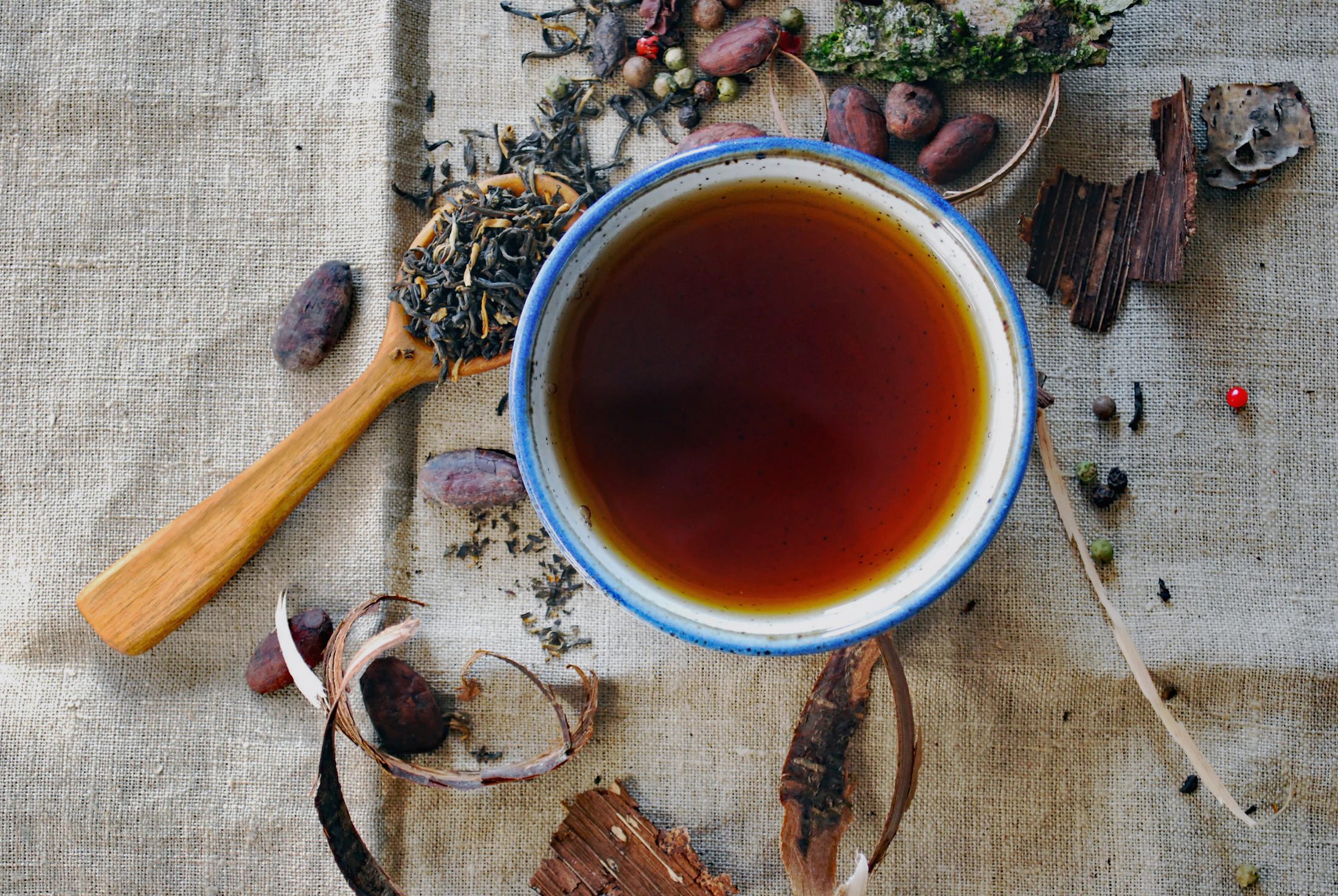
The useful iron-and-tea message is narrower than social media makes it sound. Chai does not drain iron that is already circulating in your blood. Tea polyphenols can, however, bind non-haem iron in the digestive tract and reduce how much is absorbed from the meal eaten around the same time.
NHS guidance for iron-deficiency anaemia specifically notes that tea and coffee can make it harder for the body to absorb iron. The British Dietetic Association similarly highlights polyphenols and tannins as inhibitors of non-haem iron absorption and suggests separating them from iron-rich meals when iron status matters.
Haem and non-haem iron are different
Haem iron comes mainly from meat and fish and is generally absorbed more efficiently. Non-haem iron comes from plant foods such as lentils, beans, leafy greens and fortified cereals.
Tea's inhibitory effect is especially relevant to non-haem iron.
What tea polyphenols do
Polyphenolic compounds in tea can form complexes with iron in the gut, making some of that iron less available for absorption.
The effect belongs to the meal window, which is why timing is more useful than banning tea for everyone.
Milk is not the main issue in this question
People often blame the milk in chai, but the better established inhibitor in ordinary tea is the tea polyphenol content.
Calcium has a more complex and generally smaller effect in mixed diets than the simple online claim that milk 'blocks all iron'.
Who should pay the most attention
People with diagnosed iron-deficiency anaemia, low ferritin, heavy menstrual losses, pregnancy or diets heavily reliant on plant iron have more reason to optimise absorption.
A person with normal iron stores does not necessarily need to reorganise every cup of tea.
Move tea rather than remove it
Having chai between meals instead of directly with an iron-rich meal can reduce the overlap between tea polyphenols and dietary iron.
How far apart to place them depends on clinical advice, but the principle is separation rather than lifelong avoidance.
Vitamin C helps non-haem iron absorption
Vitamin C can improve absorption of plant iron by keeping it in a more absorbable form.
Lemon with daal, fruit with breakfast or peppers and tomatoes in a meal can be practical food-based strategies.
Iron supplements have their own instructions
People prescribed iron should follow the medicine label or clinician's advice about tea, coffee, food and timing.
Supplement dosing is a medical issue and should not be replaced by a generic chai rule.
Do not self-diagnose fatigue as iron deficiency
Tiredness can have many causes. NHS guidance recommends blood testing and medical assessment when iron-deficiency anaemia is suspected.
High-dose iron supplements can cause side effects and are not appropriate simply because someone drinks a lot of tea.
Vegetarian Pakistani diets can still provide iron
Lentils, chickpeas, beans, seeds, fortified foods and leafy greens all contribute non-haem iron.
Absorption strategy matters more when animal sources are absent, but a varied diet can still meet needs.
A realistic household rule
If iron is low, keep the strongest chai away from the most iron-rich meals and combine plant iron with vitamin C.
That is much easier to sustain than treating every social cup as a nutritional mistake.
What the evidence does not justify
Tea's effect on iron absorption is real, but the impact on long-term iron status depends on total diet, baseline stores, tea strength and timing. Individual treatment of anaemia requires clinical assessment.
For readers using this chai guide, PakStyles treats this as practical information, not a diagnosis or a promise of one health outcome. Individual medical conditions, medicines, allergies, pregnancy, age and total diet can change the advice, so consequential decisions should be checked with an appropriate clinician or dietitian.
Practical checklist
- If iron is low, avoid making strong tea the default drink with iron-rich meals.
- Include vitamin C with plant-iron foods.
- Follow prescribed iron timing instructions.
- Do not start high-dose iron without appropriate advice.
- Ask for a blood test if symptoms suggest deficiency.
Chai can remain part of the day. The evidence-based adjustment is simply to respect the meal window when iron absorption matters, especially for people already working to rebuild low iron stores.
Dose and context change the effect
tea chai iron absorption is rarely an all-or-nothing exposure. The amount, timing, frequency, temperature, food matrix, skin type, disease status or baseline risk can change whether an effect is meaningful.
Population advice is not an individual diagnosis
Guidance linked to tea chai iron absorption can identify groups with higher average risk or recommend a safe preventive behaviour. It cannot tell one reader whether they personally have a deficiency, disease or future event without appropriate assessment.
Traditional practice can be sensible without proving every explanation
Some habits connected with tea chai iron absorption developed through practical observation long before modern biochemistry. A method may work while the popular explanation for why it works is incomplete or wrong.
Respect for tradition and scientific scrutiny are compatible. The strongest article can say “this technique is useful” while also correcting an exaggerated mechanism.
Substitution matters more than removal
Nutrition questions around tea chai iron absorption often depend on what replaces a food rather than whether it disappears. Replacing saturated fat with unsaturated fat is different from replacing it with refined carbohydrate; moving tea away from a meal is different from removing all tea.
This is why useful advice describes the alternative behaviour instead of only naming something to avoid.
Measurement has limits
Numbers used in tea chai iron absorption—BMI, Brix, SPF, HbA1c, AQI, grams of protein or degrees of doneness—compress a complex system into a practical indicator. They are valuable when their scope is understood.
A single number should not be promoted into a universal quality score. Use it alongside the other variables that materially affect the decision.
Food and health safety outrank optimisation
When tea chai iron absorption touches raw meat, supplements, medication, sun exposure or suspected disease, the safety threshold matters more than squeezing out a small performance benefit. Refrigeration, appropriate dosing, diagnosis and sunburn prevention are foundational.
A cooking hack or wellness routine is not successful if it increases avoidable risk in order to improve texture, colour or convenience.
Use the highest-quality source available
For tea chai iron absorption, clinical or public-health claims should come from recognised health bodies or peer-reviewed research, while regulatory rules should come from the regulator. Retailers and lifestyle sites can be useful for examples, not for settling safety questions.
When studies disagree or address different populations, explain that rather than choosing the most dramatic number.
Who should get personalised advice
Pregnancy, childhood, kidney or liver disease, diabetes, cardiovascular disease, allergies, prescribed medicine and previous severe reactions can all change the advice around tea chai iron absorption.
The practical conclusion
The useful endpoint for tea chai iron absorption is a small number of behaviours supported by the evidence: change timing, choose a safer substitute, screen earlier, store food correctly, read the label or seek assessment for a warning sign.
Evidence-based writing becomes easier to trust when it leaves readers with proportionate actions rather than a list of alarming facts.
Separate mechanism from outcome
For tea chai iron absorption, it is useful to distinguish what can be measured in a laboratory from what has been shown to improve a real health or cooking outcome. A plausible mechanism—acid changing protein, polyphenols binding iron, melanin absorbing UV—helps explain a result but does not by itself quantify the size of that result in every person or recipe.
Research quality improves when mechanism, controlled experiment, observational association and clinical guidance are not blended into one level of certainty.
How to use this article as a reference
Save the specific official or primary source that matters most for tea chai iron absorption, along with the date you checked it. If the subject is commercial, keep the product label or receipt; if it is administrative, keep the application reference; if it is health-related, write down the question you need to take to a clinician. This turns reading into a record you can use later.
Questions worth resolving before you act
For tea chai iron absorption, write down the exact decision you are making and the evidence that would change it. That may be a current fee, eligibility rule, test result, product composition, measured risk factor or official definition. Separating the decision from the background information helps prevent an interesting fact from being mistaken for the one fact that actually controls the next step.
Keep the next step proportionate
High-quality information should reduce uncertainty without creating unnecessary alarm. If tea chai iron absorption raises a low-risk practical question, use the official checklist and proceed. If it raises a potentially serious health, legal or immigration issue, move to the relevant professional or authority rather than stacking more secondary articles.
One last way to test the advice
With why chai with every meal can matter if your iron is low, test the claim by changing one kitchen variable rather than several at once. Keep the rice, meat, pan, portion or timing as consistent as practical and compare the result. Home cooking is not a laboratory, but a controlled comparison can still show whether the technique changes texture, flavour or handling enough to be worth keeping.
With why chai with every meal can matter if your iron is low, keep food safety separate from optimisation. Cooling, refrigeration, reheating and cross-contamination rules matter more than achieving the perfect grain, marinade or nutrient timing. Where the article touches a diagnosed deficiency or health condition, use it to frame a conversation with an appropriate professional rather than as a substitute for individual advice.
Sources and official profiles
Filed under
Was this helpful?
Keep reading
Related stories
More from this desk, this beat, and the tags on this piece.


Readers
The conversation
0 notes
Anyone can leave a note. Guests add a name and email — no account required, and the email is never published.
No notes yet. Yours would be the first.