How to host a Pakistani chai evening
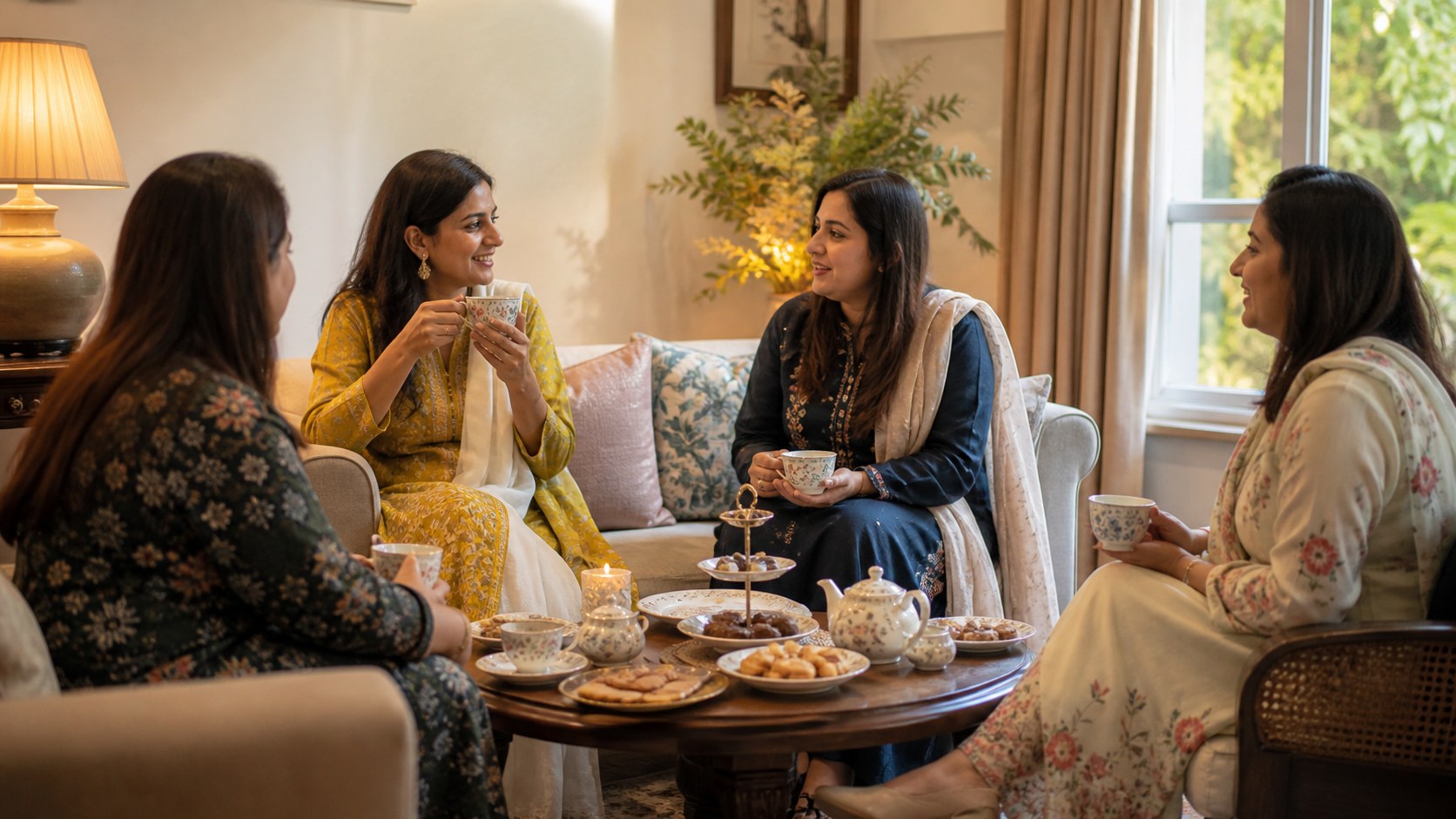
A chai gathering paced around conversation, one hot savoury and a pot that is not held hostage.
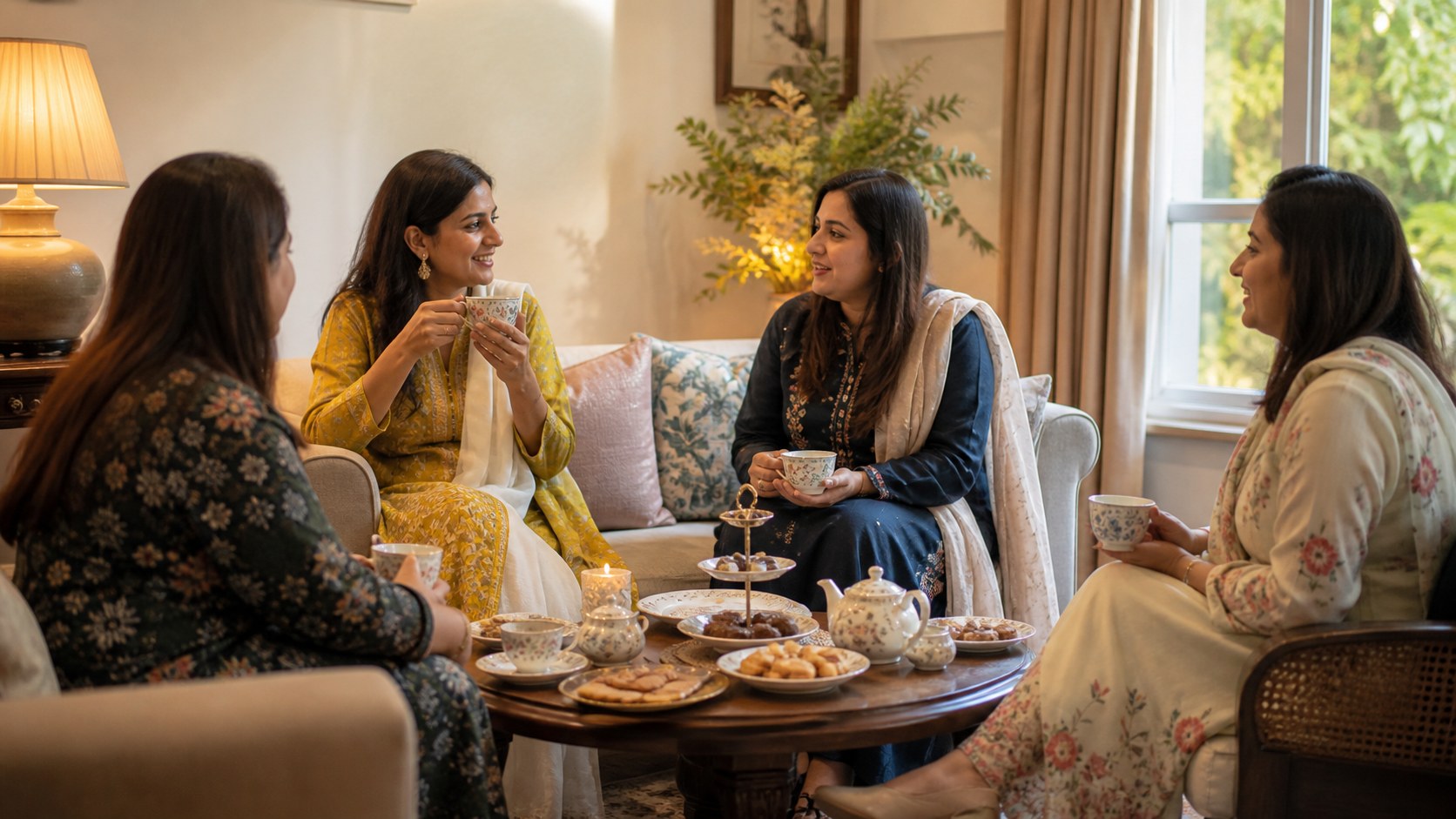
A chai evening is not a miniature wedding. Its pleasure is that someone can arrive, take a cup, eat something crisp and enter a conversation without waiting for a formal reveal. The gathering fails when the kettle, the frying pan and the front door all demand the host at once. Plan for a pot that keeps moving and a host who can sit down.
Food-hygiene notes below follow UK public guidance from the Food Standards Agency, including chilling, cooking and allergen information for consumers (checked around September 2026). US hosts should apply the same logic with FoodSafety.gov’s four steps and local leftovers guidance. This is hosting logistics, not a catering licence course.
Decide the shape before the menu
| Shape | Best for | Host risk |
|---|---|---|
| Open window (e.g. 7–9pm) | Neighbours, mixed arrival times | Brewing in waves; food must replenish safely |
| Fixed start, two hours | Work nights, school mornings after | Late guests miss the hot savoury |
| After-maghrib short call | Ramadan or prayer-led evenings | Overloading fried food when energy is low |
Put the shape on the invitation. “Come anytime” without a window creates a six-hour kitchen shift. Say whether you are offering chai and snacks or a light meal. Guests make kinder decisions when they know.
Build the menu around contrast, not volume
Choose one hot savoury—samosa, pakora, kebab or something from the oven—one room-temperature bite, and one sweet. Add fruit or nuts if useful. Three things served well create more ease than nine trays whose contents nobody can identify. Ask about allergies when inviting. Keep serving utensils separate. Label dishes in ordinary language: “contains nuts,” “gelatine,” “gluten,” rather than making guests interrogate the host.
Shop and prep so frying or reheating happens in one focused window. Cool leftovers promptly according to chilling guidance; do not leave a tray of mince kebabs in the danger zone while you finish decorating napkins. For hygiene ratings if you buy from a takeaway, check food hygiene ratings rather than trusting a busy queue as proof of safety.
Tea: smaller pots beat one bitter urn
Decide one primary method. Either a pot of doodh patti on the hob or a kettle-and-bag station with milk warmed separately. Running both as equal main events is how the sink fills with pans. Brew smaller pots as people settle rather than boiling one enormous batch into bitterness. Keep sugar optional. Offer plain black tea or a caffeine-free drink without making the guest explain themselves. Water should already be on the table.
Fill cups modestly so tea stays hot without becoming a race. Keep milk refrigerated until needed. Do not repeatedly cool and reheat a finished milk tea; finish smaller batches as guests arrive. Kashmiri chai or qahwa can be a second act for interested guests, not a compulsory performance for the whole room.
Arrival choreography in a small flat
- Make shoe and coat space obvious before the doorbell rings.
- Use side tables within reach of every chair so plates do not migrate to the floor.
- Keep fried food uncovered long enough to preserve crispness; cover when it must travel rooms.
- Tell guests an approximate finish if the evening precedes work or school.
- Reserve the most accessible seat if an older guest or wheelchair user is coming.
Expect a thirty-minute arrival spread after work. Serve the first savoury without waiting for a complete room. Conversation needs no programme, but a photograph, new book or family recipe can give strangers an opening. Clear plates once, refresh the tea, then sit down.
Children, neighbours and noise
Children need reachable water and a snack that is not spicy by surprise. Give them a washable activity away from hot trays. For neighbours sensitive to parking or noise, send a brief finish time in advance. Keep stairwells and exits clear even when the room is full—hospitality that blocks egress is a safety failure, not generosity.
Allergens and bought food
Bought mithai, samosas and bakery items can hide nuts, milk, sesame and gluten. Read labels; ask shops for allergen information. When guests have serious allergies, do not rely on “we’ll be careful” as a plan—know the ingredients or offer a clearly separate alternative. Cross-contact on shared trays matters; use separate utensils and say so aloud.
A workable timeline
- Two days before: confirm headcount, allergies, and whether anyone needs a quiet arrival.
- Day before: chop, mix dry ingredients, buy cold items last into a cool bag; clear dishwasher and bins.
- Ninety minutes before: set cups, water, napkins, labels; prepare the first tea station.
- Forty minutes before: cook or reheat the hot savoury; hold safely hot or serve immediately.
- During: brew in waves; assign one helper a complete task (water or door), not vague “help.”
- After: cool leftovers promptly; share only food held safely; leave containers ready without pressuring guests to take unsafe trays home.
When the evening is also networking
Community chai can double as a welcome for newcomers. Keep introductions light: names, how people know the host, one non-interrogating question. Do not put a newcomer on the spot to explain their entire migration story between sips. If you want a short announcement (fundraiser, mosque event, book swap), time it after the first cup, not as people remove shoes.
Measure hospitality by presence
Chai hospitality is measured less by abundance than by whether the host was present for it. A shorter menu with hot tea and one crisp savoury beats an exhausted cook apologising beside cold oil. End when you said you would. Tomorrow’s containers can wait in plain sight so clearing does not become another performance. The best evenings are the ones where conversation outlasts the frying smell—and the host remembers sitting down.
Equip the station once, then leave it alone
Set a tea station with cups, spoons, sugar, optional sweetener, lemon if you offer black tea, a small waste bowl for bags, and a tray for used cups. Refill from that station rather than improvising across three counters. Keep a second kettle or pot ready so boiling water does not become a bottleneck. If you serve doodh patti, measure tea and milk ratios once on a calm afternoon so you are not guessing while guests remove shoes.
Hot savoury logistics without a second kitchen
Oven-finished snacks reduce oil drama in a small flat: bake samosas or reheat kebabs on trays while you brew. If you must fry, fry one batch before guests arrive, drain properly, and accept that the second batch may wait until a natural conversation lull. Never leave hot oil unattended to answer the door. Keep a lid nearby and know how to turn off the heat; water is not a tool for oil fires.
Bought food is allowed. Choose one excellent takeaway item and one homemade item rather than pretending everything must be from scratch. Check allergen info and hygiene ratings. Transfer bought food to your own plates if you want the table to feel coherent—but keep the packaging until you have confirmed ingredients for anyone with allergies.
Conversation without a programme—and without interrogation
Introduce people with a useful hook: “Ali just started teaching,” not “Ali also migrated from Lahore, ask him about visas.” Mixed rooms often include people who do not share politics, sect, or cricket loyalties. Have a few neutral openers ready—books, travel food, a photograph on the wall—and be ready to change subject when a joke turns sharp. The host’s job includes protecting the room’s tone, not only the tea’s temperature.
If the evening includes a short community announcement, keep it under three minutes and after the first cup. Pass a written link rather than forcing everyone to photograph a whiteboard. Guests who came for chai should still get chai.
Endings that protect tomorrow morning
State the finish window on the invite and begin gentle closing cues ten minutes early: last pot, lids on trays, coats visible. Pack leftovers only if they have been held safely; otherwise discard without apology. Wipe the frying zone before you sleep so the smell does not greet breakfast. A chai evening that leaves the host functional the next day is a better tradition than one remembered mainly for exhaustion.
Dietary lanes without a second menu board
Most chai evenings need at most three dietary lanes: the main savoury, a clearly labelled vegetarian or vegan option if required, and a nut-free sweet if someone cannot risk cross-contact. Do not invent seven alternatives that leave you frying until midnight. Say on the invite what you can accommodate and what guests should bring for specialised needs. Hospitality includes honesty about limits. Water, fruit and plain biscuits still rescue a guest when the fried tray is unsuitable—provided you have checked those “plain” biscuits for milk and soya too.
If rain or transport delays scatter arrivals, keep the first savoury warm in a low oven and brew the first pot when the first two guests settle—not when the group chat promises a full room. Punctuality is uneven after work; hospitality should not punish the people who arrived on time.
Sources and official profiles
Filed under
Was this helpful?
Keep reading
Related stories
More from this desk, this beat, and the tags on this piece.
Readers
The conversation
0 notes
Anyone can leave a note. Guests add a name and email — no account required, and the email is never published.
No notes yet. Yours would be the first.