Bombay Tailors: Inheriting a Shop, Choosing a Future
The tailor’s shop, a supported home bakery and Mahrukh’s secret channel give the opening contrasting family responses to work and ambition.
Research-based analysis of the opening premise and published early criticism. This assessment does not claim to cover the complete series.
A family business can offer security and still feel like a future somebody else has selected. That is a promising tension for Bombay Tailors, because work gives a family drama something concrete to disagree about. Affection and obligation can occupy the same shop.
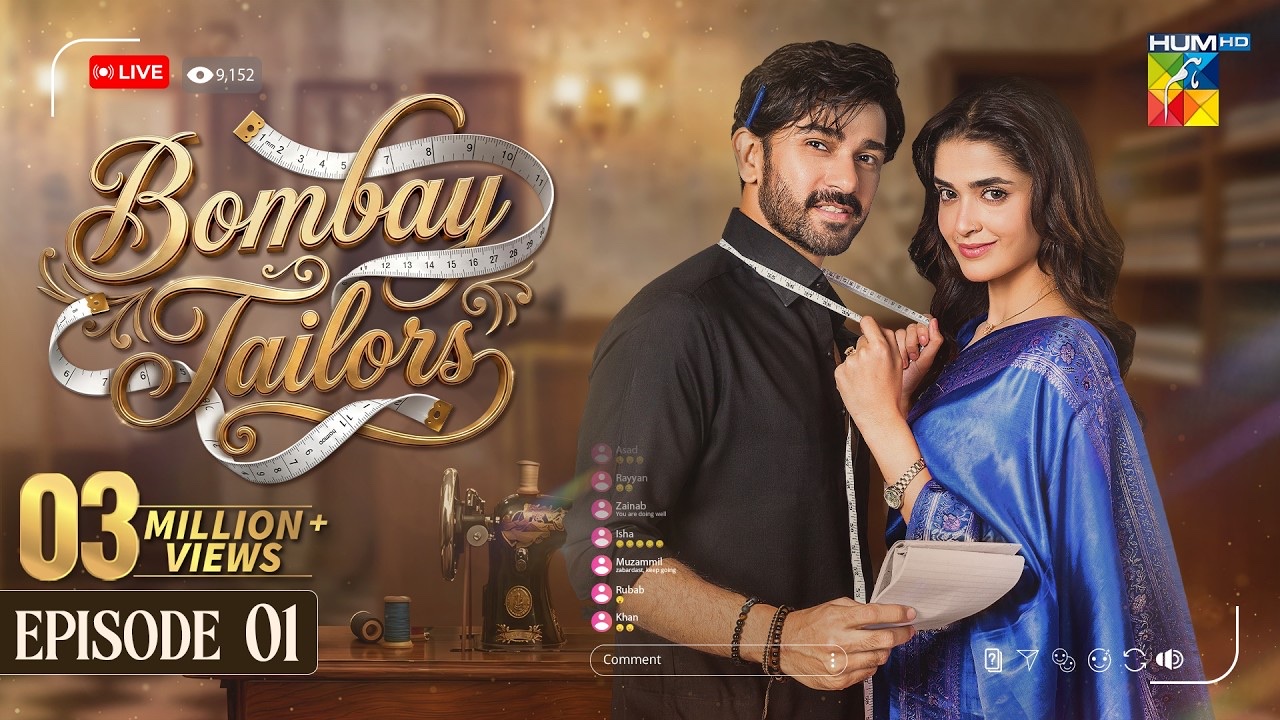
Raza Saeed’s August 23 opening review describes Ali Tahir’s tailor and the eldest son, played by Ali Safina, continuing the business. Saife, played by Ali Ansari, wants other ventures. Dania Enwer’s character receives support for a home bakery. In another household, Anika Zulfikar’s Mahrukh secretly runs a YouTube channel and wants to sing despite her teacher father’s hostility to influencers.
Do not confuse inheritance with a calling
There are at least two legitimate emotional claims inside a family shop. An older generation may see years of work, risk and reputation. A younger person may see a role assigned before his preferences were known. Neither perspective has to be ridiculous for a scene to be funny.
The stronger comedy comes from allowing both sides to have a point. Practical concerns about money are not automatically hostility to ambition. Equally, gratitude for a parent’s work does not create a lifelong obligation to repeat it.
A bakery changes the domestic conversation
The bakery distinguishes the tailor’s household from Mahrukh’s. Saeed describes support for the business, not merely a woman hoping to obtain it. The contrast is therefore between different family responses to ambition, rather than a blanket opposition between older people and new work.
That offers an alternative to the household in which every woman’s ambition becomes another reason for a feud. Support need not mean that nobody disagrees. It can mean that disagreement concerns how the work will happen rather than whether she is allowed to want it.
Mahrukh’s online interests raise a related question about visibility. Earning attention in public changes the audience for a family’s judgements. Her father’s discomfort need not be resolved by proving that every digital ambition is wise; the more interesting issue is whether he can distinguish concern from a blanket veto.
Two households, different room to experiment
HUM’s official first episode is the appropriate place to begin. The production is directed by Mazhar Moin and written by Amtul Shahida, with Ali Ansari and Anika Zulfikar leading the central pairing.
PakStyles’ interest is the range of ambitions the premise can accommodate. A tailor, an aspiring entrepreneur, a home baker and a would-be online performer need not represent a hierarchy from old-fashioned to enlightened. Their work can matter in different ways.
The family business is most interesting when the story respects the craft without treating it as destiny.
The relationship between identity and work also runs through our Sirf Shabana analysis.
Craft claims need scenes
HUM’s programme sheet locks schedule, producers, director and the Anika Zulfikar / Ali Ansari lead pairing. Metaphors about inherited workshops and class should wait for aired scenes and end-card labour credits. Promotional warmth about family craft is not yet an argument about work.
HUM’s programme sheet
HUM TV’s drama page for Bombay Tailors lists Moomal Productions and MD Productions as producers, Mazhar Moin as director, and a Monday–Tuesday 8:00pm slot with Wednesday–Thursday morning repeats. Cast credits on the page include Aniqa Zulfiqar and Ali Ansari alongside Sania Saeed and others. Episode-one and episode-two uploads identify the same lead pairing.
A tailoring shop inherited across generations is an inviting metaphor for craft and class. PakStyles will not convert promotional language about workshops into an argument about labour until those claims are tied to aired scenes and on-screen credits.
An opening review is enough for a focused question
The available independent criticism is strongest on the opening household contrasts, not on the serial as a whole. That is the right scope for this article. It can assess how work, inheritance and permission are introduced without pretending that an early review settles the later arcs.
HUM’s official first episode confirms the production and central cast. The value of the premise is its refusal to make “traditional work” and “modern ambition” simple opposites: the tailor’s shop can be respected without becoming Saife’s destiny, while a home bakery can receive family support rather than automatically triggering conflict.
Filed under
Was this helpful?
Keep reading
Related stories
More from this desk, this beat, and the tags on this piece.
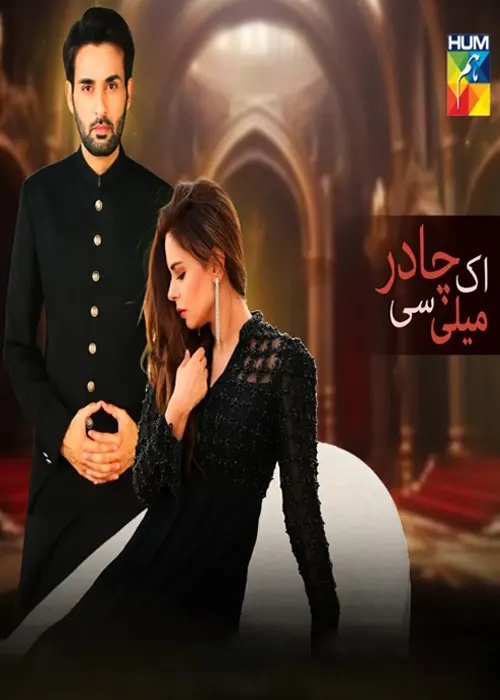
Ek Chadar Maili Si: Why the Reported 2026 HUM Drama Still Needs Verification
Bilal Ahmed · 24 Sep 2026
Readers
The conversation
0 notes
Anyone can leave a note. Guests add a name and email — no account required, and the email is never published.
No notes yet. Yours would be the first.