Sindhri, Chaunsa or Anwar Ratol? A factual guide to Pakistan's major mango varieties
Pakistan's mango season moves from Sindh into Punjab and through different cultivars. Sindhri, Anwar Ratol and Chaunsa differ in size, season, sweetness and commercial role.
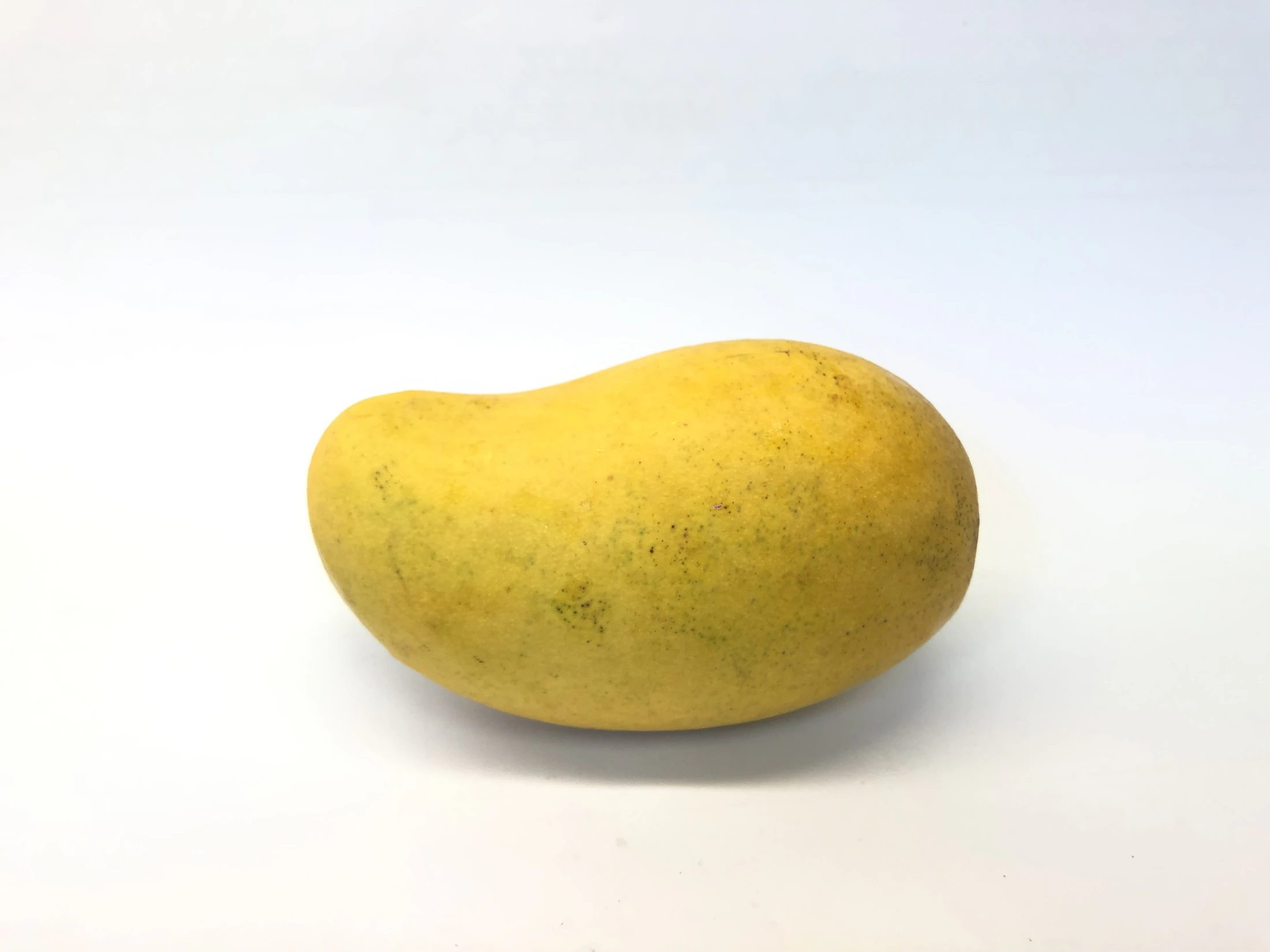
Pakistani mango arguments are usually framed as taste: Chaunsa versus Sindhri, Anwar Ratol versus everything else. Official horticulture and trade material adds a more useful layer. These cultivars differ in harvest window, average fruit size, soluble solids, fibre and growing region as well as personal flavour preference.
Pakistan Horticulture Development & Export Company identifies Sindhri, Chaunsa, Azeem Chaunsa and Anwar Ratol among major varieties and places production mainly in Punjab and Sindh. TDAP material describes a season stretching from mid-May in Sindh into late September in Punjab.
Sindhri opens much of the commercial season
Sindhri is strongly associated with Sindh and early-season supply. Official trade material describes large fruit, smooth skin and strong consumer acceptance.
Its earlier window is one reason it dominates the first wave of mango excitement.
Anwar Ratol is much smaller
Official brochure data list Anwar Ratol at roughly 200–250 grams per fruit in the referenced production material, far smaller than the 750–800 gram Sindhri example.
The variety is prized for intense flavour and relatively low fibre rather than sheer size.
Chaunsa is a family, not one identical mango
Trade material distinguishes Sammar Bahisht Chaunsa, Sufaid Chaunsa and Azeem Chaunsa among other named selections.
Retailers using only 'Chaunsa' may therefore be collapsing meaningful cultivar differences.
Brix is a useful sweetness clue, not a taste score
Total soluble solids are commonly measured in degrees Brix and broadly track sugars and dissolved solids. Official examples list higher figures for Chaunsa and Anwar Ratol than Sindhri.
Aroma, acidity, ripeness and texture still shape perceived flavour, so Brix cannot rank the 'best' mango on its own.
| Variety | Indicative availability | Typical fruit weight | Total soluble solids |
|---|---|---|---|
| Sindhri | Early Jun–early Jul | 750–800g | 16–17 Brix |
| Anwar Ratol | Early Jun–early Jul | 200–250g | 24–26 Brix |
| S.B. Chaunsa | Early Jul–early Aug | 250–300g | 25–27 Brix |
| Sufaid Chaunsa | Mid Aug–mid Oct | 350–450g | 23–25 Brix |
Punjab and Sindh anchor production
PHDEC identifies Punjab and Sindh as the principal production provinces. Major districts include the Multan belt in Punjab and Mirpur Khas/Tando Allahyar areas in Sindh.
Climate and harvest timing help create the national season progression.
Langra, Dusehri, Fajri and others matter too
Pakistan produces many commercially significant and local varieties beyond the three headline names.
A complete mango culture cannot be reduced to export favourites.
Export suitability is not identical to best flavour
Fruit destined for long-distance trade has to survive harvest, grading, treatment, packing and transport.
A delicate cultivar can be adored domestically while being harder to export at scale.
Ripeness changes everything
A great variety harvested immature or stored badly can disappoint, while a properly ripened less-famous cultivar can be excellent.
Buy by season and handling rather than demanding every cultivar all summer.
Carbide-free marketing
Calcium carbide use for artificial ripening is a food-safety concern in some markets, which is why sellers advertise natural or compliant ripening.
Use reputable suppliers and regulatory guidance rather than assuming every visual ripeness trick identifies treatment.
Diaspora buyers should expect a different fruit journey
Export mangoes may be harvested firmer and spend days in treatment and transport. Texture can differ from fruit eaten close to the orchard.
That does not make export fruit fake; it makes post-harvest handling part of the eating experience.
What the evidence does not justify
Official brochures provide useful representative ranges, but fruit size, Brix and season shift with orchard, weather, maturity and year. The table should not be read as a guarantee for every individual mango.
Practical checklist
- Buy varieties in their natural seasonal window.
- Use Brix as one clue, not a universal taste ranking.
- Recognise that Chaunsa includes multiple selections.
- Expect export handling to affect ripeness.
- Use Pakistan horticulture/trade material for production claims rather than retailer hype.
The factual mango story is better than a ranking. Pakistan's season works because different cultivars arrive with different sizes, aromas, sweetness and regional identities, letting the fruit change as summer moves across the country.
What modern adaptation gets right
Contemporary versions of Pakistan mango varieties Sindhri Chaunsa Anwar Ratol can simplify production, reduce price, change fibre or adapt the format for new wardrobes. That does not automatically make them culturally empty. Living traditions survive partly because makers and wearers change how forms are used.
Applied to this topic rather than as a general rule, The quality issue is accuracy of description. Machine embroidery can be beautiful when sold as machine embroidery; a synthetic blend can be useful when labelled honestly. Problems begin when modern production borrows the economic value of hand craft while hiding the process that actually made the product.
A better comparison method
When comparing two options around Pakistan mango varieties Sindhri Chaunsa Anwar Ratol, use the same criteria for both: material, construction, dimensions, care, comfort, origin, expected lifespan and price. Marketing categories become much less confusing when every candidate is placed on the same practical grid.
For this particular PakStyles question, If one product wins only on a prestigious label while the other wins on the attributes you actually need, that tells you something important. The best cultural purchase is still allowed to be the one you will use repeatedly rather than the one with the most impressive vocabulary.
The reader's final decision
The strongest reason to learn about Pakistan mango varieties Sindhri Chaunsa Anwar Ratol is not to police other people's terminology. It is to make a purchase, styling choice or care decision with fewer surprises. Technical knowledge should create flexibility rather than another authenticity exam.
Keep the verified facts, allow room for regional and family variation, and ask specific questions when the answer affects money or preservation. That combination is more respectful to both the reader and the tradition than pretending every market label has one universal definition.
How to separate the name from the material reality
With pakistan mango varieties Sindhri Chaunsa Anwar Ratol, the first useful habit is to separate the market name from the physical object. Retail and cultural vocabulary can carry history, prestige and regional meaning, but a buyer still needs to know fibre, construction, dimensions, finish, weight, fastening or production method where those details affect use. That distinction prevents a descriptive word from doing more work than it can support.
For readers using this food guide, For a practical purchase or styling decision, write down what the object must do before judging what it is called. A shawl may need warmth without bulk, a dupatta may need grip, a formal coat may need to survive six hours of sitting and movement, and a textile may need to tolerate ordinary cleaning. Those jobs are measurable even when terminology overlaps.
What a trustworthy seller or maker should be able to explain
A strong seller response to questions about pakistan mango varieties Sindhri Chaunsa Anwar Ratol should become more specific as the price rises. You should be able to ask what the material is, where it was produced, whether work is hand or machine made, what dimensions are supplied, how the item should be cleaned and which parts of the description are traditional names rather than regulated specifications.
Why photographs can mislead even when they are not edited
Campaign photography changes how pakistan mango varieties Sindhri Chaunsa Anwar Ratol is perceived. Studio light increases sheen, pins create temporary drape, steaming removes handling marks and model proportions can make a garment or accessory appear lighter, longer or more structured than it will in ordinary use. None of that requires deceptive editing; it is simply the difference between styling and specification.
Applied to this topic rather than as a general rule, Ask for flat-lay, reverse-side or daylight images when technical details matter. For textiles, the reverse can reveal embroidery construction; for jewellery, scale beside a ruler can matter; for garments, a back view and closure detail can answer more than another front portrait.
How climate and diaspora use change the decision
Pakistani clothing and craft products often move between climates. pakistan mango varieties Sindhri Chaunsa Anwar Ratol may be produced with Lahore, Karachi, Multan or Peshawar conditions in mind and then worn in Birmingham, Manchester or Glasgow. Heating, rain, winter coats and long indoor events change what feels practical even when the cultural setting is the same.
For this particular PakStyles question, This is not a reason to abandon the original form. It is a reason to treat lining, footwear, layering, storage and cleaning as part of the purchase. A diaspora wardrobe works best when the item can survive the environment in which it will actually live.
Handmade variation versus poor quality
Hand production connected to pakistan mango varieties Sindhri Chaunsa Anwar Ratol can leave small differences in repeat placement, stitch tension, dye tone or surface finish. Those variations may document process rather than negligence. The useful question is whether the variation is structurally harmless and visually consistent with the making method.
Major missing sections, unstable dye, broken threads, distorted seams or undisclosed damage are different. Respect for craft should not become an instruction to accept faults that make an item unusable. Good buying language distinguishes character from defect.
Care is part of value
The cost of pakistan mango varieties Sindhri Chaunsa Anwar Ratol is not only the checkout amount. If the item needs specialist cleaning, careful flat storage, tissue padding, regular repair or a climate-controlled place to avoid damp, those demands belong in the ownership calculation.
For readers using this food guide, Keep the care label, seller instructions and spare material together. For formalwear and handmade textiles, photograph the piece before the first clean and save details of any alteration or repair. That record can extend usable life and makes future professional care less guess-based.
How to judge authenticity claims without becoming a laboratory
Most consumers cannot chemically identify fibre or date a textile at home, and they should not be expected to. For pakistan mango varieties Sindhri Chaunsa Anwar Ratol, use several modest signals together: accurate labelling, plausible pricing, maker or region information, construction details, clear photographs and a seller willing to answer technical questions.
Sources and official profiles
Filed under
Was this helpful?
Keep reading
Related stories
More from this desk, this beat, and the tags on this piece.
Readers
The conversation
0 notes
Anyone can leave a note. Guests add a name and email — no account required, and the email is never published.
No notes yet. Yours would be the first.