Gul Ahmed: from textile manufacturing to household retail
Gul Ahmed’s arc from mills to Ideas retail shows how industrial cloth becomes household identity. Read manufacturing, lawn seasons, and home textiles as one system.
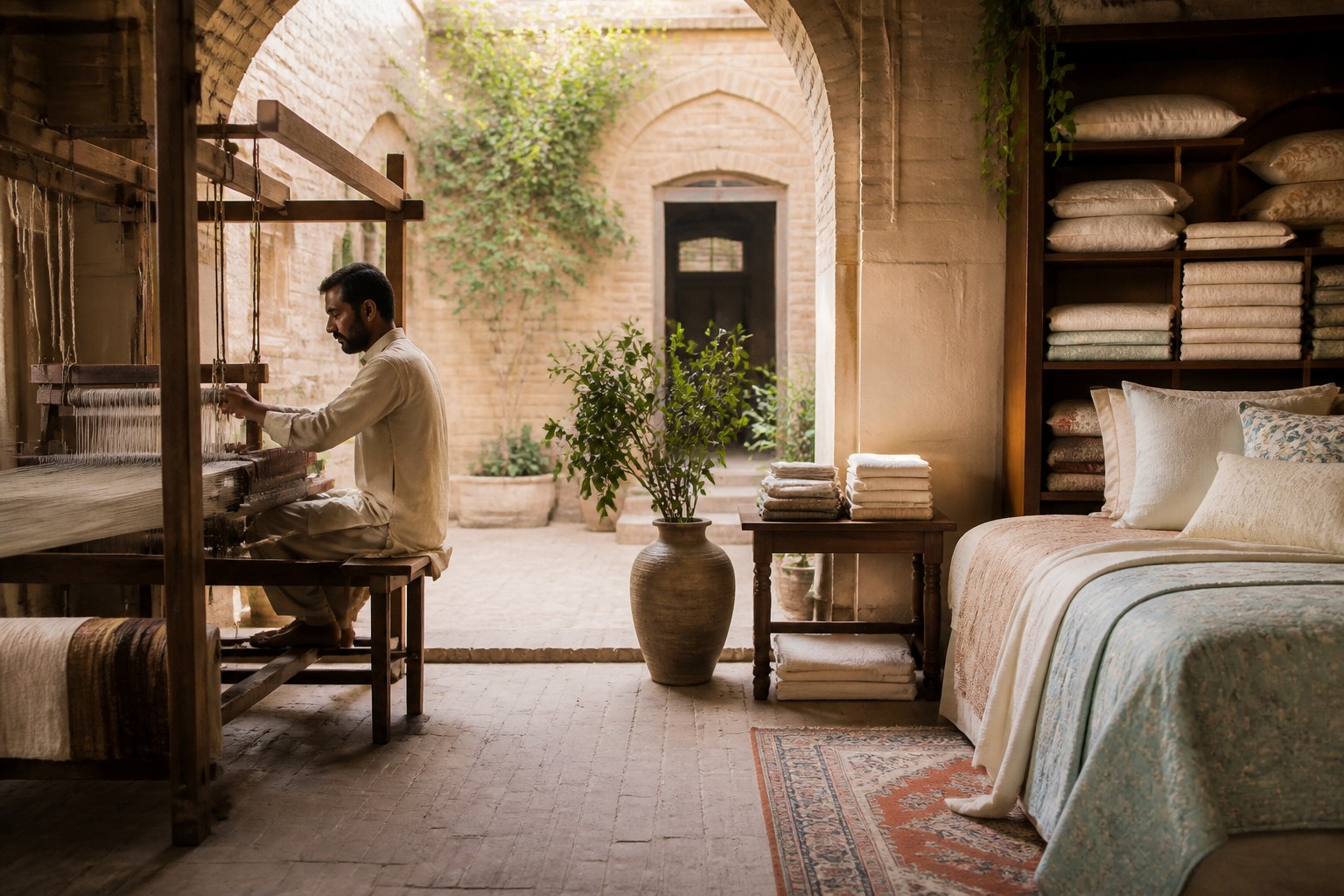
Gul Ahmed’s history links textile mills, printed lawn, home cloth, and nationwide retail under identities such as Ideas. The important movement is from industrial cloth to household recognition—and the questions longevity should still invite about craft, labour, and catalogue honesty.
Which long-running textile brand has adapted without erasing what made it recognisable?
— PakStyles culture desk
Use gulahmedshop.com for current retail categories and product information rather than undated nostalgia posts.
The mill comes before the lifestyle label
Household familiarity with printed suits and bedding can hide the mill. A useful brand history keeps manufacturing visible: spinning, weaving, processing, and print capacity shape what retail can promise about colourfastness and hand feel.
Lawn made industry culturally visible by turning factory output into seasonal public conversation. That visibility is not automatically craft transparency. Ask what the label discloses and what it leaves as marketing metaphor.
Home textiles widen the household relationship
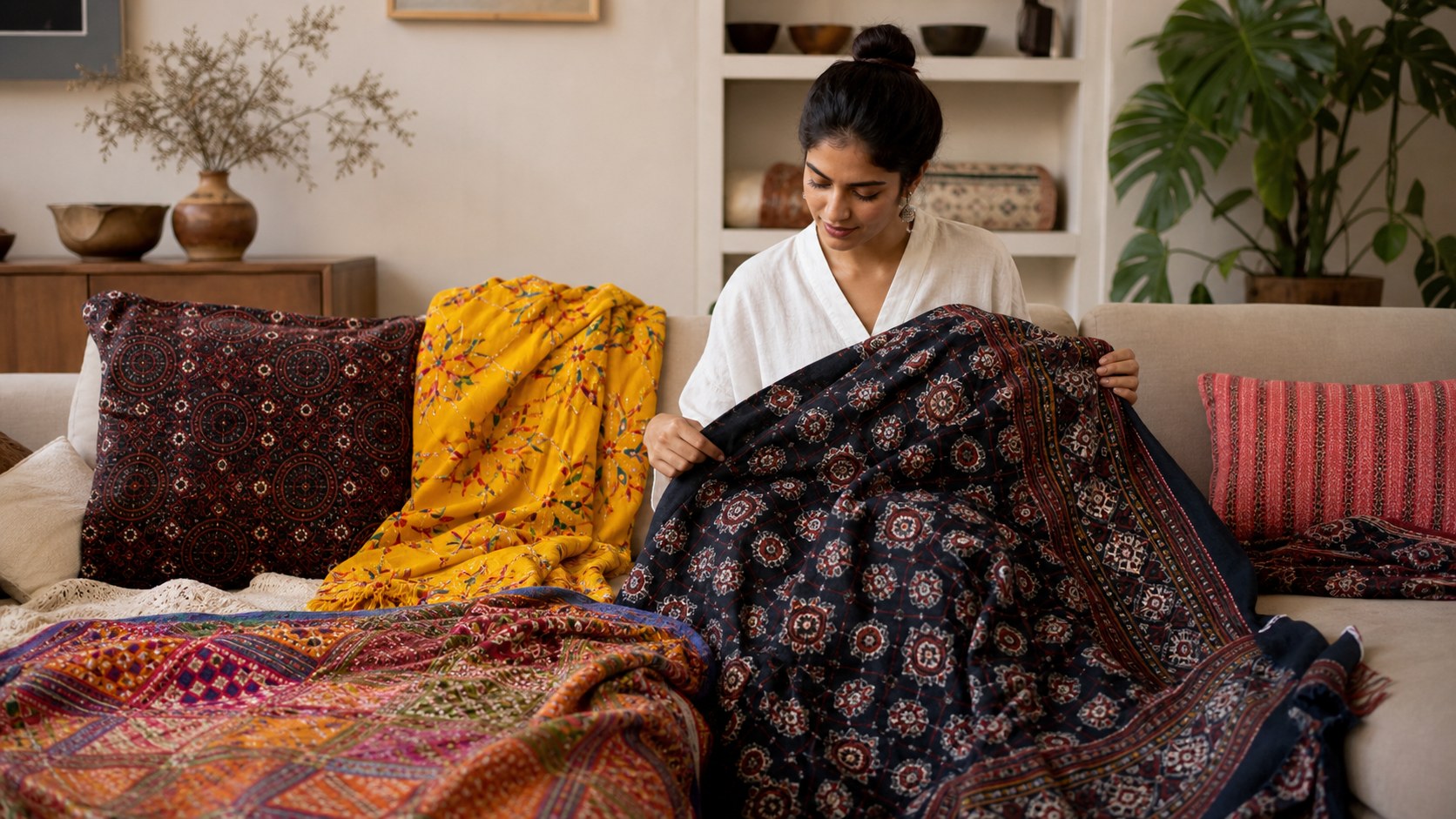
Home cloth—sheets, towels, curtains—extends the brand beyond occasionwear into weekly laundry. Quality shows up as shrinkage, pilling, and colour bleed after repeated washes. Keep care labels and wash tests in the decision, especially for gifts.
Diaspora buyers often mix Gul Ahmed Ideas purchases with other mills. Compare like with like: similar fabric weights and similar price bands. Prestige memory of a childhood print is not a specification.
Longevity should invite sharper questions
Longevity can mean trust, inertia, or both. Sharper questions include labour and sourcing disclosures where available, consistency between campaign and delivered product, and whether retail expansion maintains inspection standards.
This page does not invent a league table of Pakistani textile houses. It offers a reading method for a mill-to-retail arc that many diaspora wardrobes already contain.
Sources and official profiles
Was this helpful?
Keep reading
Related stories
More from this desk, this beat, and the tags on this piece.
Zahoor ul Akhlaq: the artist who reshaped Pakistan's miniature debate
Mehreen Ali · 8 Sep 2026
Zubeida Agha: colour and the beginnings of modern art in Pakistan
Mehreen Ali · 18 Sep 2026
Stitched, unstitched, and semi-stitched Pakistani suits explained
Mehreen Ali · 12 Jun 2026
Readers
The conversation
0 notes
Anyone can leave a note. Guests add a name and email — no account required, and the email is never published.
No notes yet. Yours would be the first.