· Updated
Pakistani heritage sites every diaspora family should research
A research method for diaspora families: UNESCO sites, regional heritage, reading before visiting, and how to plan without turning ancestors into a rushed checklist.
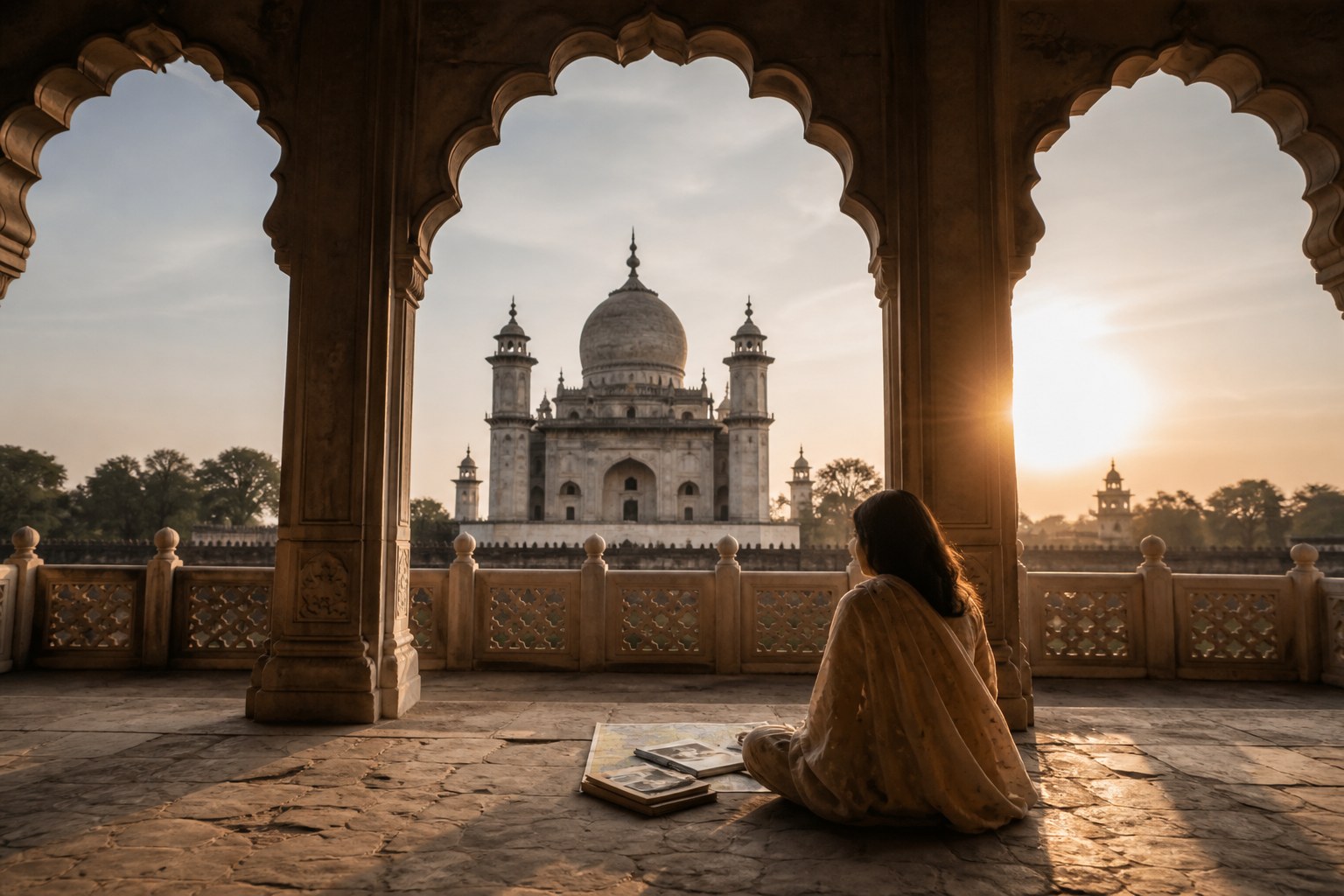
Diaspora families often want heritage without knowing which stones matter or how to visit them without turning elders and children into a rushed checklist. Pakistan has six UNESCO World Heritage properties, alongside countless regional sites that never appear on a first Google pass. This page offers a research method first, then a short map of major inscribed sites.
Research before the selfie
Begin with UNESCO's Pakistan page, which lists the inscribed properties: the Archaeological Ruins at Moenjodaro; Taxila; Buddhist Ruins of Takht-i-Bahi and Neighbouring City Remains at Sahr-i-Bahlol; Fort and Shalamar Gardens in Lahore; Historical Monuments at Makli, Thatta; and Rohtas Fort. Read the official descriptions for period, materials, and why the site was inscribed. That reading prevents treating every old wall as interchangeable Mughal vibes.
Add family geography. If your people are from Punjab, Lahore Fort and Shalamar Gardens or Rohtas may connect more immediately than Makli. If Sindh is home, Makli and Moenjodaro sit closer to identity stories. Taxila and Takht-i-Bahi open Buddhist and Gandhara chapters many school histories compress.
Plan visits like bodies, not like stamps
Outdoor archaeology in summer heat is a medical plan disguised as culture. Prefer winter or early spring for exposed sites when possible. Carry water, hats, and realistic time limits for children. Hire guides where they improve context; refuse invented legends presented as fact. Ask before climbing fragile structures.
Lahore's Fort and Shalamar Gardens are two complexes several kilometres apart; UNESCO describes them as outstanding Mughal artistic expression across monumental architecture and water gardens. Budget them as separate efforts if travelling with elders. Taxila is a serial landscape of settlements and monasteries, not a single photo stop. Makli's vast necropolis needs walking humility and heat respect.
Heritage beyond the six
City museums, Sufi shrines (with etiquette), colonial-era civic buildings, and craft bazaars extend the story. They are not lesser because they lack a UNESCO plaque. They do require the same respect: modest dress where asked, permission for photos, donations handled transparently, and no treating worshippers as scenery.
Teach children one question per site: who built this, who maintained it, who is missing from the plaque. Diaspora identity deepens with complexity, not with a race through arches.
A sample research week before travel
Day one: read UNESCO entries for the two sites closest to your family geography. Day two: check museum pages and current visitor notes for heat, tickets, and weekly closures. Day three: ask relatives what they were taught about those places—and what they were never taught. Day four: decide whether children can manage outdoor archaeology or need a museum-first route. Day five: build a two-site maximum plan with shade and water.
Carry that plan lightly. Heritage sites close for conservation, weather, or administration. A cancelled ticket is not a cancelled identity. Read one essay or chapter on the plane so the stones have a story before the camera comes out.
Ethics at the site
Do not carve names, climb forbidden walls, or fly drones where rules ban them. Hire official guides when they exist. Soft fees and tip expectations vary; ask plainly. If a site is also a living religious space, follow dress and behaviour norms even when tourists nearby ignore them.
Diaspora families sometimes feel pressure to perform reverence they were not raised with. Honest curiosity is enough. You can learn in public without inventing a personal myth for every arch.
Sources and official profiles
Was this helpful?
Keep reading
Related stories
More from this desk, this beat, and the tags on this piece.
Zahoor ul Akhlaq: the artist who reshaped Pakistan's miniature debate
Mehreen Ali · 8 Sep 2026
Zubeida Agha: colour and the beginnings of modern art in Pakistan
Mehreen Ali · 18 Sep 2026
Stitched, unstitched, and semi-stitched Pakistani suits explained
Mehreen Ali · 12 Jun 2026
Readers
The conversation
0 notes
Anyone can leave a note. Guests add a name and email — no account required, and the email is never published.
No notes yet. Yours would be the first.