High-protein Pakistani breakfasts without protein powder
Build higher-protein Pakistani breakfasts from eggs, dahi, chana, leftovers and besan—without protein powder or clinical promises.
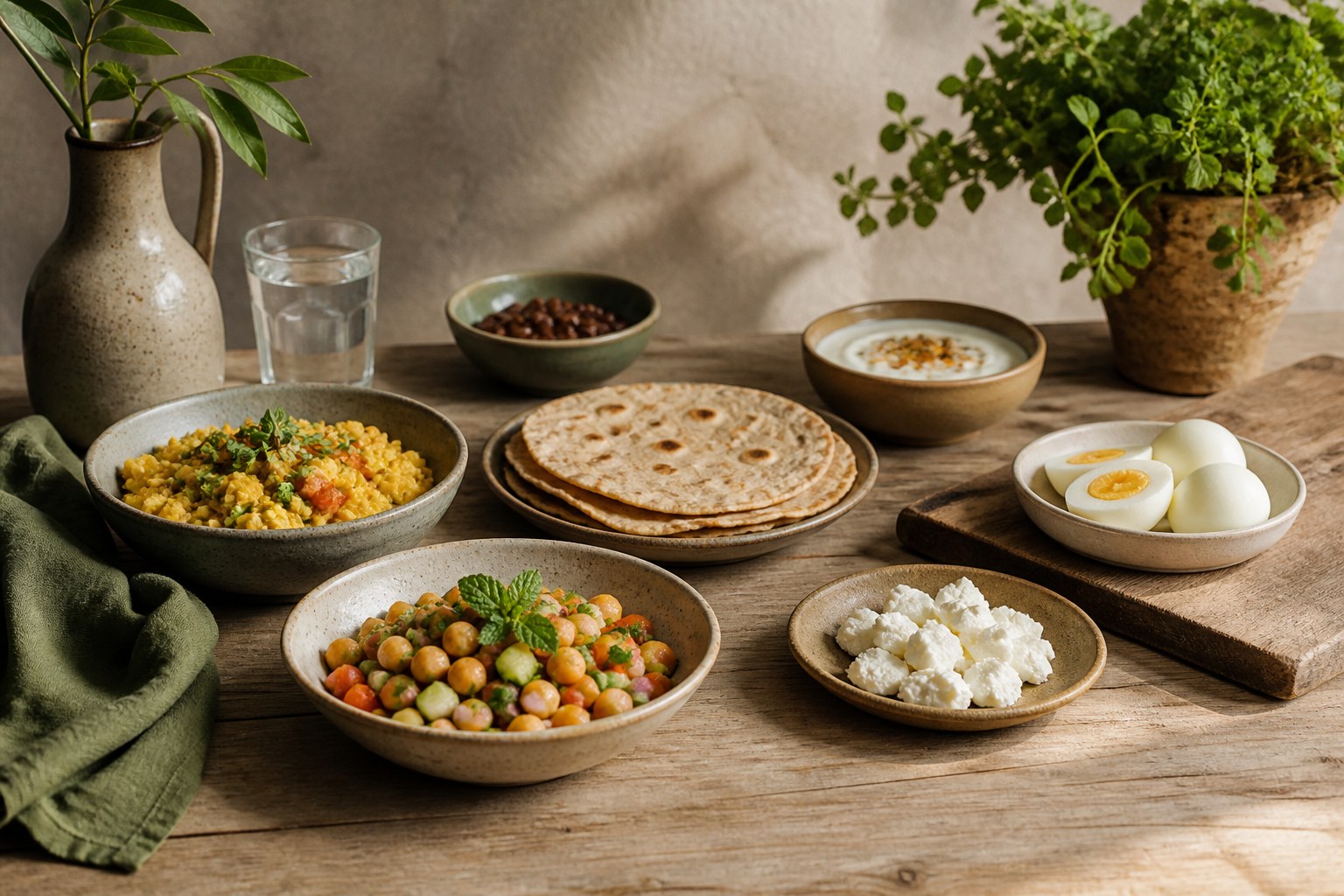
Protein powder is optional. Many Pakistani breakfasts already contain eggs, dahi, pulses, leftover kebabs or daal—if the plate is built on purpose rather than habit. This page is a kitchen roster, not a clinical plan. People managing kidney disease, disordered eating, allergies, pregnancy or other medical conditions should take advice from a qualified clinician. Public nutrition literacy can start from the NHS Eat well pages and guidance on eggs and pulses.
What high-protein means at the breakfast table
In everyday cooking, the useful question is whether the plate includes a clear protein centre: eggs, thick yoghurt, cooked pulses, leftover kebab or daal. Bread, oil and sweet tea can still belong; they should not be the only story. Compare your usual weekday plate to one of the options below and notice what is missing before buying a tub of powder you will hate by Thursday.
Besan chilla with eggs
Gram-flour chilla already carries pulse protein. Whisk besan with water, salt, turmeric and chopped onion or tomato; cook thin in a lightly oiled pan. Fold in scrambled egg or serve a fried or boiled egg beside it. The combination is faster than it sounds once the pan is hot. Make the batter the night before if mornings are chaotic; stir before pouring.
Households that refuse eggs can double the chilla and add a generous side of thick dahi. Households that refuse besan can keep the eggs and add leftover chana. The method is substitution, not purity.
Dahi bowls that are meals, not garnishes
A tablespoon of yoghurt on the side of oily paratha is not doing much work. A bowl of thick dahi with salt, roasted cumin, cucumber and leftover chana or boiled chickpeas is a meal. Greek-style strained yoghurt raises protein density for people who tolerate dairy; regular set yoghurt still helps if the portion is honest. Sweeten lightly if that is your house style, but notice how sugar crowds out savoury protein habits over a week.
Chana and anda from last night forward
Cooked chickpeas or white chickpea curry reheated safely with eggs is a classic that survives busy mornings. Cool leftovers promptly; reheat until steaming hot; follow FSA chilling and cooking guidance. A Sunday pot of chana becomes three weekday breakfasts if you portion it on Sunday night rather than hoping someone will cook from dry beans at 7 a.m.
Leftover kebab and daal as breakfast infrastructure
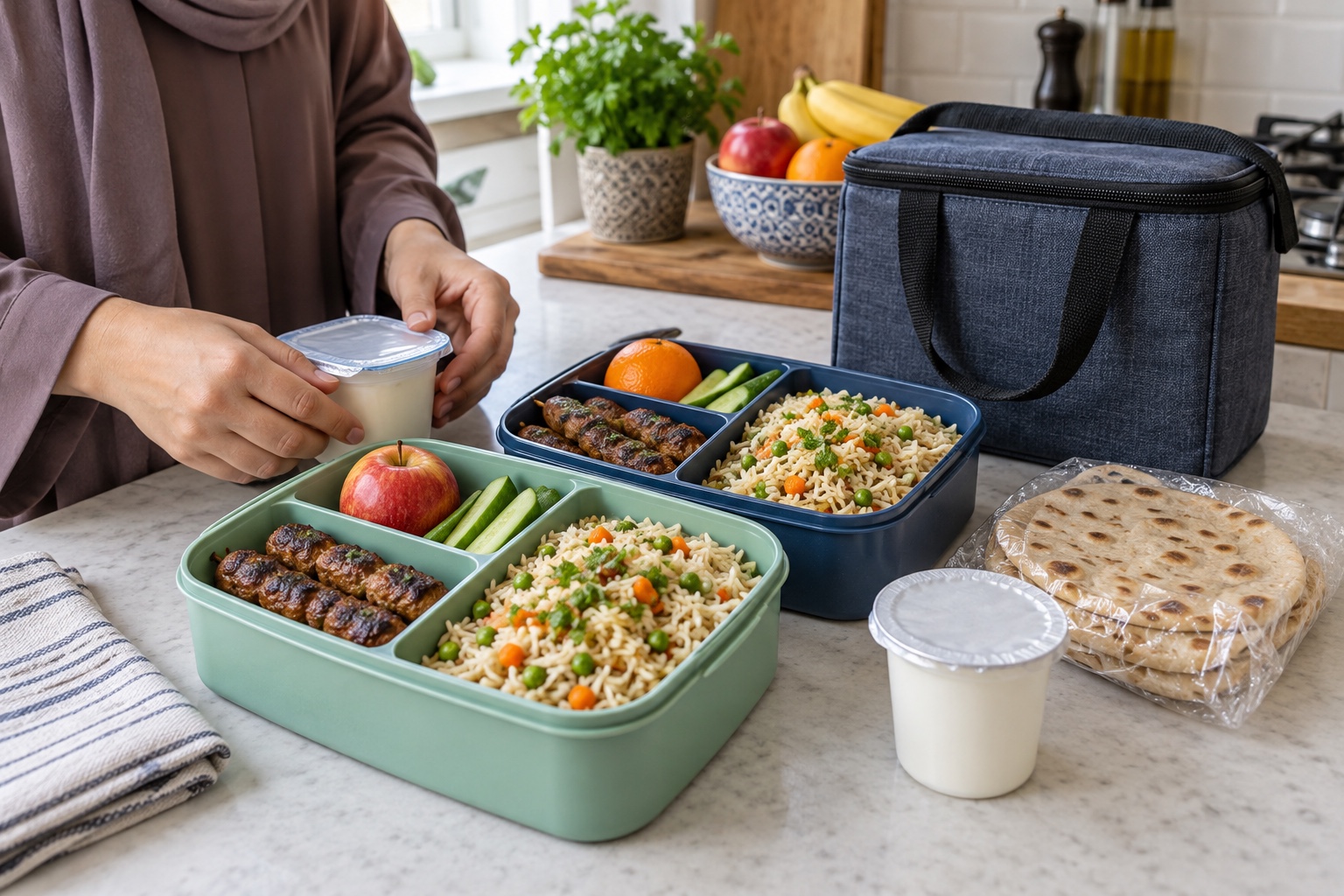
Seekh or shami leftovers, reheated thoroughly, with eggs or roti can out-protein a pastry breakfast without requiring new recipes. Daal reheated with a spoon of yoghurt and a boiled egg is another quiet winner. Label meat bags in shared freezers. Discard leftovers that sat warm too long at a party—protein is not a safety exemption.
| Breakfast centre | Add | Watch-outs |
|---|---|---|
| Besan chilla | Egg or thick dahi | Undercooked centre; excess oil |
| Thick dahi bowl | Chana, cucumber, cumin | Tiny garnish portions; excess sugar |
| Chana + anda | Onion salad or roti | Unsafe leftover reheating |
| Leftover kebab/daal | Egg or yoghurt | Warm-holding at parties; allergen labels |
Bread, fat, tea, and household constraints
Paratha is not the enemy; a paratha-only plate with sweet tea is simply a different breakfast. If you want more protein, keep the bread you love and add a centre. Ghee and oil are flavour tools—measure them when the pan becomes automatic. Workplace mornings need portable options: boiled eggs, yoghurt pots, leftover chana in a leakproof box. Training days are not a medical prescription here; they are a reminder that some people want more food before sport while others want less—choose from the roster without importing gym-bro certainty into a family kitchen.
Feast mornings—Eid, wedding weeks, guest breakfasts—can stay abundant. This page is for the ordinary Tuesday. Permission for feasts and strategy for Tuesdays can coexist.
Weekly rhythm instead of perfect mornings
Pick two weekday defaults and one weekend batch task. Example: Sunday chana pot; Monday–Tuesday eggs with reheated chana; Wednesday dahi bowl; Thursday leftover kebab; Friday chilla. Write the plan where the tea tin lives. Swap freely when leftovers change. The point is a protein centre on more mornings than not—not a perfect macros spreadsheet.
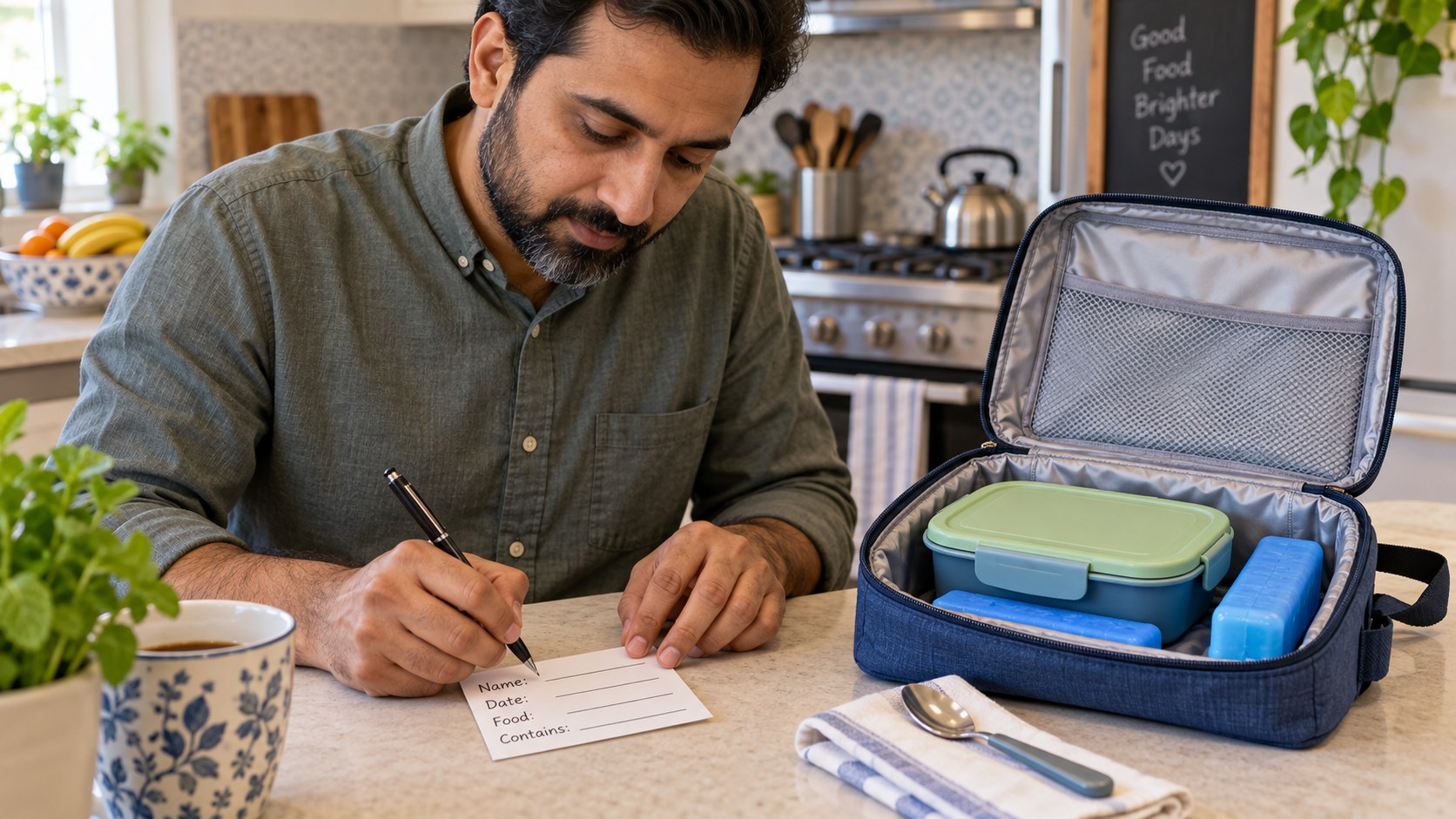
Allergies and exclusions matter: egg, dairy, gluten and chickpea allergies are real. Label shared kitchen food. Do not treat “high protein” as a moral hierarchy over someone else’s medical or cultural constraints. Tea can stay. Conversation can stay. Powder can stay on the shelf unless you actually like it.
A Pakistani breakfast table already knows eggs, dahi and pulses. Building higher-protein mornings is mostly a matter of putting those foods in the centre of the plate on purpose, cooling leftovers safely, and refusing the idea that only a branded scoop counts as protein.
Workplace mornings, training days, and permission for feasts
Portable protein centres matter more than perfect plating. Boiled eggs, yoghurt pots, leftover chana in a leakproof box, and overnight batter for chilla solve more mornings than a motivational quote on the fridge. If your workplace lacks refrigeration, favour foods that travel safely for the hours involved and follow public leftover guidance rather than improvising with warm meat on a desk.
Training days are not a clinical prescription here. Some people want more food before sport; others want less. Choose from the roster without importing gym certainty into a family kitchen. Likewise, feast mornings—Eid, wedding weeks, guest breakfasts—can stay abundant. Strategy for Tuesdays and permission for feasts can coexist without moral theatre about purity.
Weekly rhythm beats daily perfection. Two weekday defaults and one weekend batch task will raise protein centres on more mornings than a complicated plan abandoned by Wednesday. Write the plan near the tea tin. Swap when leftovers change. Label allergens in shared kitchens. Refuse the idea that only a branded powder counts as protein when eggs, dahi and pulses are already on the table.
This page remains general food information, not medical advice. People with clinical constraints should consult qualified professionals. Everyone else can start simpler: put a protein centre on the plate on purpose, cool leftovers safely, and let Pakistani breakfast foods do work they were already capable of doing.
Measuring progress without a spreadsheet religion
You do not need macros software to notice whether breakfast changed. Count how many weekday mornings in two weeks included a clear protein centre—egg, thick dahi, chana, leftover kebab or daal. If the number rises, the roster is working. If it does not, the obstacle is usually logistics (no leftovers, no boiling pot, no portable option), not a lack of powder.
Household negotiation matters. Someone who wants sweet tea and paratha is not an enemy of protein; they may need the centre added beside what they already love. Someone managing allergy or clinical constraints needs labels and professional advice, not pressure from a lifestyle article. Keep NHS eat-well pages for literacy and clinicians for personal plans.
Batch Sunday chana, boil a dozen eggs, strain yoghurt when you need density, and write two weekday defaults on a card. That is enough infrastructure for most flats. High-protein Pakistani breakfasts without powder are not a brand rebellion. They are a return to foods the cuisine already knew how to put in the middle of the plate.
Daal for breakfast without apology
Leftover daal reheated until steaming, finished with yoghurt and an egg, is a complete morning that needs no rebrand as a bowl. Cultural embarrassment about “dinner food in the morning” helps marketers more than it helps hunger. If your household likes it, schedule it. If someone does not, keep chilla and dahi bowls in rotation without policing other plates.
Besan, eggs, chana and dahi will cover most weeks. Meat leftovers add variety when handled safely. Bread and tea remain welcome companions. The only real failure mode is a morning with no protein centre and a story that only powder could have saved it. The cuisine already had other savings plans.
Tea culture and the protein centre
Pakistani breakfasts are tea cultures as much as plate cultures. This guide does not ask you to abandon doodh patti. It asks you not to let tea be the only substantial story before noon. Eggs beside tea, dahi beside tea, chana beside tea—companionship, not replacement.
Sweet tea habits can crowd savoury protein over weeks without anyone deciding to change. If that drift is happening, move sugar to the table as optional and put the protein centre on the plate first. Small sequence changes beat grand dietary identities. Identity discourses rarely boil eggs. Sequences do.
Children’s mornings and adult workdays
Children may accept boiled eggs and yoghurt more readily than spiced chana; adults may want the reverse. Build a two-track morning: a shared protein centre with optional spice. Leftover kebab can be chopped into milder wraps. Chilla can be plain for one plate and onion-heavy for another. The roster flexes without collapsing into separate restaurants inside one kitchen.
Adult workdays need leakproof planning and honest refrigeration. If your commute is long, favour foods that tolerate the hours you actually live, not the hours a fitness influencer pretends you live. Public leftover guidance beats improvised desk meat. Protein centres should arrive safely as well as impressively.
Sources and official profiles
Was this helpful?
Keep reading
Related stories
More from this desk, this beat, and the tags on this piece.
Ghee, butter and vegetable oils: the heart-health difference is mostly the fat profile
Sara Malik · 18 Oct 2026
Readers
The conversation
0 notes
Anyone can leave a note. Guests add a name and email — no account required, and the email is never published.
No notes yet. Yours would be the first.