Protein on a roti plate
Eggs, daal, yoghurt, and meat already speak protein—how to distribute them across Pakistani meals without powder mythology.
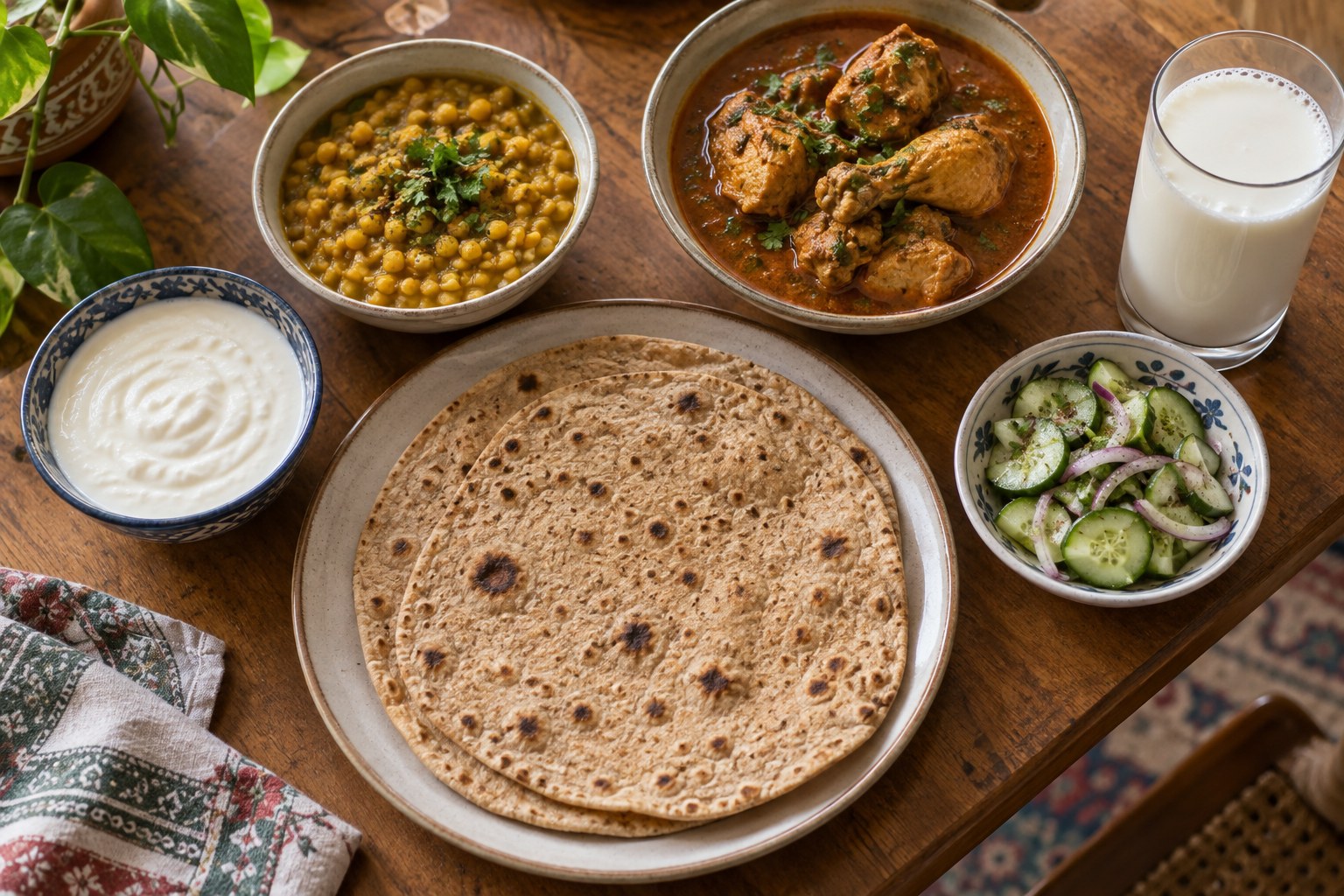
Protein advice aimed at Pakistani plates often arrives as imported powder culture: scoops, shake bottles, and a suspicion that roti somehow cancels muscle. That framing misunderstands how most households already eat. Eggs, daal, yoghurt, chicken, mutton, fish, paneer, and milk are ordinary. The question is distribution across the day, honesty about portions, and whether training stress matches food—not whether you own a tub.
Early answer: build meals around a protein source you will actually cook, keep daal and yoghurt as daily anchors, use meat when budget and digestion allow, and treat powders as convenience tools rather than moral upgrades. UK NHS Eatwell guidance is a public reference for balanced plates; it is not a Pakistani recipe book, but it supports the unfashionable idea that protein sits inside meals with fibre and plants rather than floating alone as a brand.
What “enough” means without fake precision
Needs vary with body size, age, pregnancy, illness, and training load. PakStyles will not invent a universal gram target pretending to be clinical advice. Recreational trainees who start eating a protein-rich food at breakfast and lunch—not only at a late dinner—usually see the practical problem more clearly than people arguing internet numbers. If you have kidney disease, metabolic conditions, or specialised athletic needs, ask a qualified clinician or dietitian. Magazine food culture is not a lab report.
The roti plate as a system
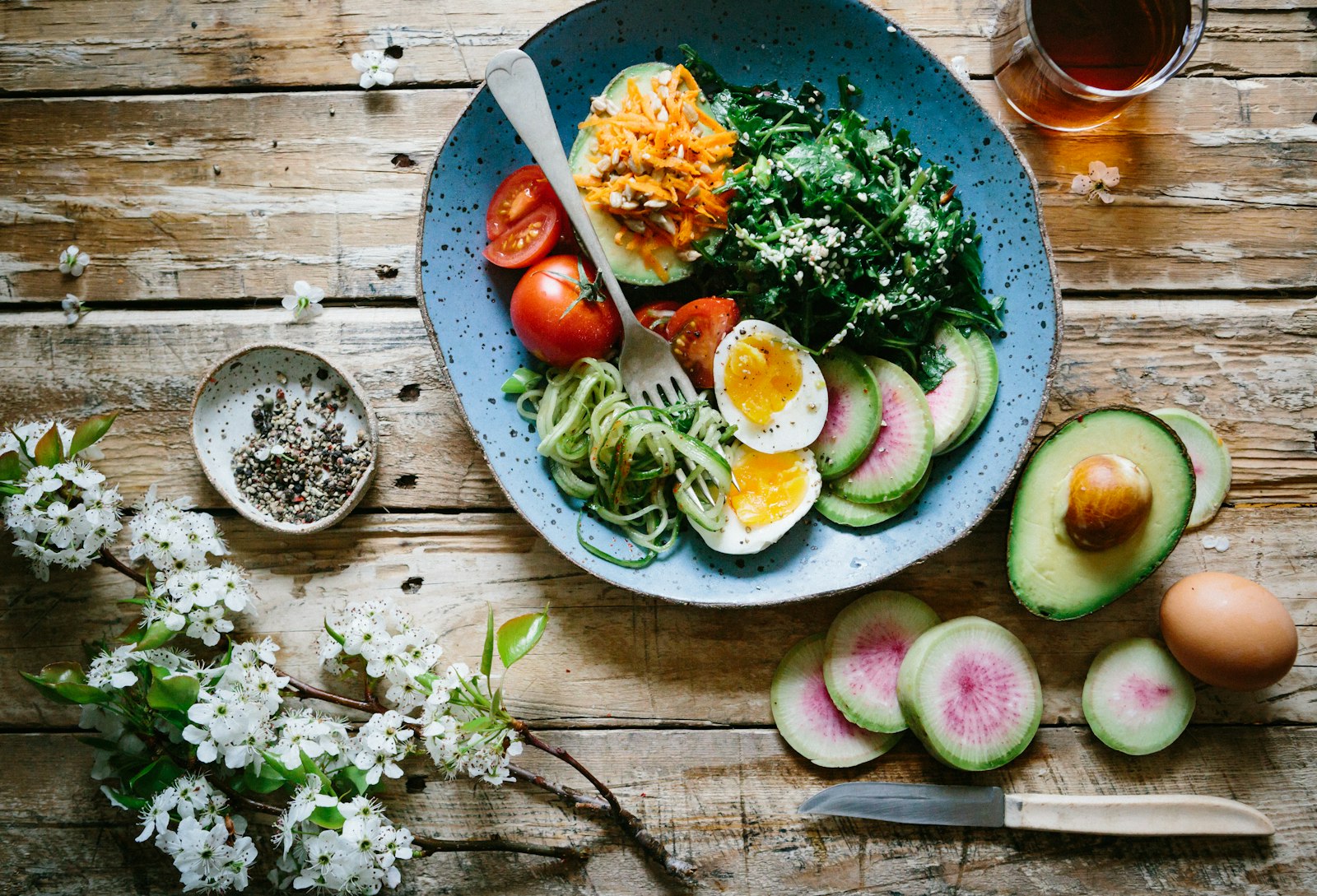
A common Pakistani meal—roti, a salan, maybe salad or yoghurt—can be protein-forward or carbohydrate-forward depending on what is in the salan and how much of it you eat. Two bites of chicken and five rotis is a different meal from two rotis and a proper portion of daal or meat. Neither is immoral. Only one matches hard training recovery.
- Breakfast: eggs, yoghurt, leftover daal, or milk with something you digest well.
- Lunch: daal-chawal with yoghurt, or chicken/mutton with salad and controlled bread.
- Post-training: food within a workable window—not a perfect stopwatch.
- Dinner: protein first on the plate, then bread as needed.
Vegetarian and mostly-vegetarian houses can do this with daal variety, yoghurt, milk, paneer, eggs if used, and legumes in snacks (chana). Vegan athletes need more planning around legumes, soy where accepted, and possibly fortified foods—again, specialised advice beats forum certainty.
| Food | Role on a Pakistani plate | Watch-out |
|---|---|---|
| Eggs | Fast breakfast/lunch protein | Oil quantity if always fried |
| Daal | Daily anchor with fibre | Tiny portions treated as garnish |
| Yoghurt | Easy add-on | Sweet commercial cups as “healthy” |
| Chicken | Leaner meat option | Dry overcooking; fake “diet” sadness |
| Mutton/beef | Dense, satisfying | Frequency vs budget and digestion |
| Powder | Travel/convenience | Replacing meals; unneeded hype |
Powders without the costume
Whey or plant powders can help students, travellers, and people who otherwise skip meals. They do not make chicken obsolete. Buy from sellers you can trace, beware miracle claims, and count the powder as food, not magic. If your budget is tight, eggs and daal usually win. If your digestion hates milk proteins, do not suffer for influencer loyalty.
Ramadan, heat, and training weeks
Sehri protein matters: eggs, yoghurt, leftover meat or daal beat fried-only dawns. After maghrib, open with dates and water, then move to protein rather than only pakora sugar crashes. In heat, fluid and salt travel with food; a dry protein bar is not automatically better than yoghurt and fruit.
Club cricketers and gym-goers who train hard should look at weekly patterns: late dinners only, skipped breakfasts, and weekends of biryani without intervening yoghurt or eggs. Adjust the pattern before buying a third tub.
Household politics
One person meal-prepping chicken while the house expects only qorma theatre creates conflict. Cook proteins the household already likes—daal tadka, egg curry, keema, grilled boti—rather than importing a sad “fitness” cuisine nobody will eat. Shared pots beat private martyrdom.
Women who cook for everyone and train last need protein that does not require a second kitchen shift: yoghurt bowls, boiled eggs cooked while tea boils, leftover daal reserved before it vanishes. Labour is part of nutrition. Ignore it and the plan fails.
Protein on a roti plate is not a Western import. It is attention to what was already there. Distribute it. Cook it. Stop apologising for daal. Use powder if it helps. Let the tub stay optional.
Reading labels and butcher counters
When buying chicken or mutton, ask for cuts that match the cook time you have. Boneless cubes for a quick weeknight bhunai differ from bone-in pieces for a slow salan. Mince for keema should not be so fine it turns to paste unless that is the dish. Halal practice is a household and community standard—know which butcher you trust rather than treating any sticker as identical.
Yoghurt labels abroad vary wildly in sugar. Plain unsweetened yoghurt does the protein job; flavoured cups often do a dessert job. Milk powders and “high protein” marketed drinks deserve ingredient reads. Diaspora kitchens should compare per-serving protein and sugar rather than trusting front-of-pack athletic fonts.
Sample day that does not feel like a contest
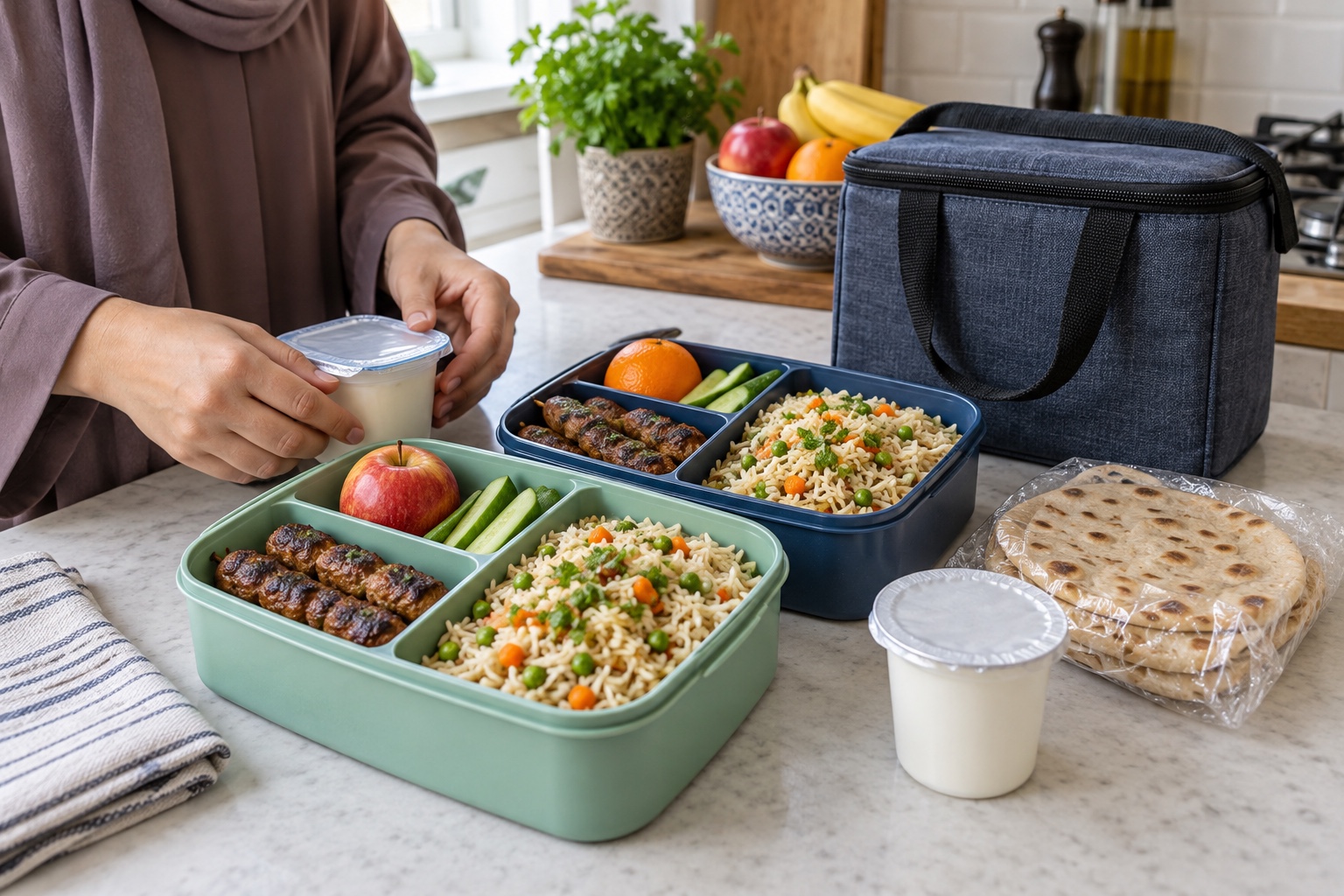
Sehri or breakfast: two eggs, yoghurt, bread. Lunch: daal with rice or roti, salad, lassi or water. Training snack if needed: chana or yoghurt. Dinner: chicken salan with two rotis and cucumber. That day is ordinary and sufficient for many recreational trainees. Add meat frequency when budget allows. Subtract fried volume when training intensity rises and recovery lags.
Wedding weeks will wreck the pattern; plan a return day rather than pretending the walima thali was a cut. Travel days can use boiled eggs, yoghurt pots, and airline chicken without calling it failure. Consistency is counted in weeks, not in perfect Instagram days.
Myths worth retiring
- “Roti cancels protein” — quantity and pairing matter; bread is not a moral solvent.
- “Daal is only a side” — treat a bowl as a bowl.
- “Powder is mandatory after 30” — food still works.
- “Women training need less protein” — needs follow body and load, not stereotypes.
- “Late dinner protein does not count” — later is inferior to never, but earlier distribution is kinder.
If family elders mock “fitness eating,” cook shared pots that happen to be protein-forward rather than plating grilled sadness beside biryani theatre. Culture changes faster when it still tastes like home. Protein on a roti plate was never foreign. Attention was.
Budget weeks and wedding weeks
When money is tight, eggs, masoor, chana, and yoghurt carry more training than prestige meat. Cook daal in volume twice a week. Keep fried snacks from replacing the main protein rather than sitting beside it as the actual meal. When money is easier, still distribute protein across meals instead of building a single heroic dinner.
Wedding season will feed you more meat than your plan required and less sleep than recovery wanted. That is not failure. Resume distribution the first quiet morning you control. Do not “compensate” with a three-scoop day that leaves you bloated and righteous.
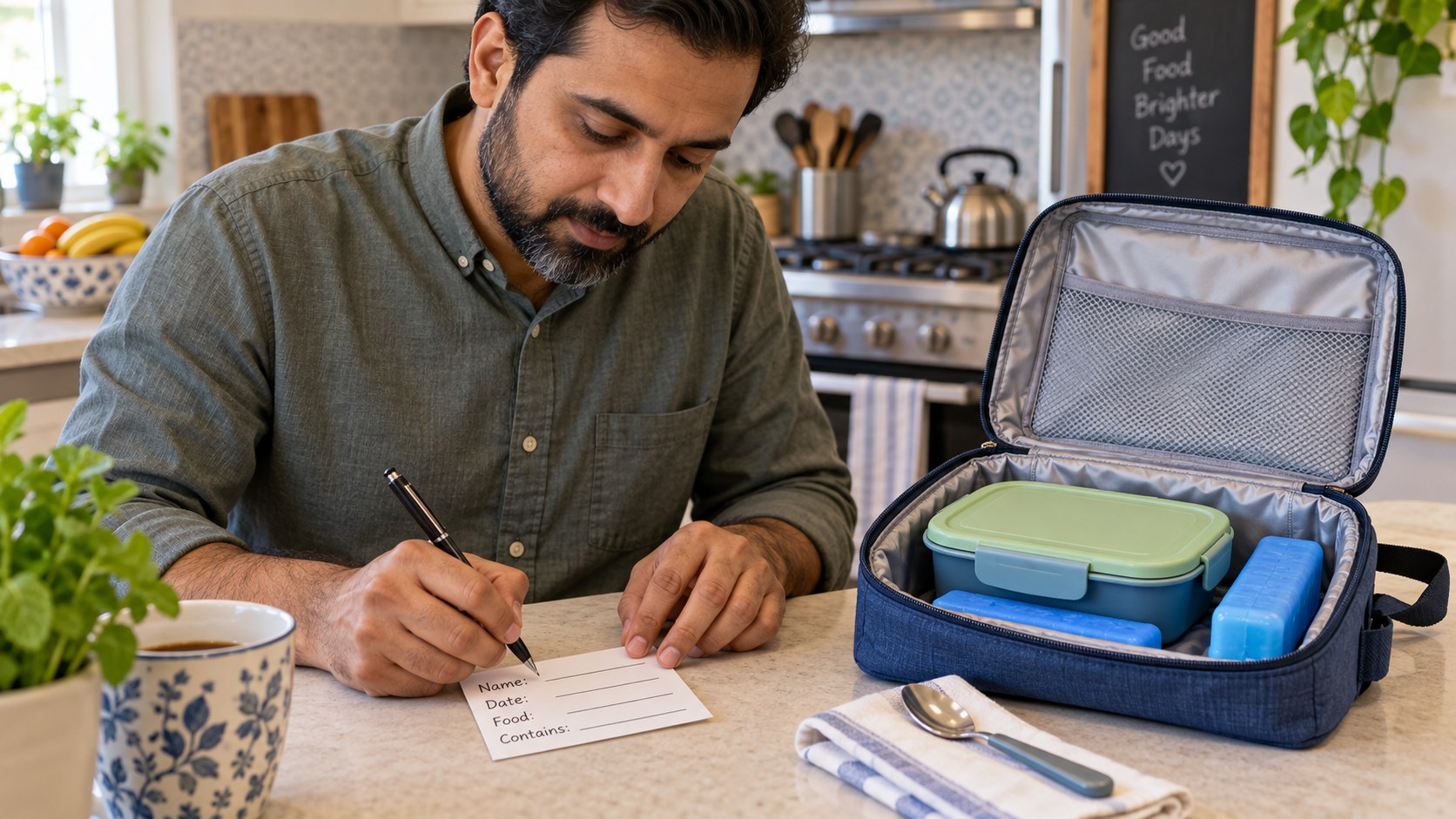
Students sharing fridges should label yoghurt and eggs or watch them vanish. Office workers can keep a tin of tuna or a yoghurt pot where storage is safe and culturally acceptable. The best protein plan is the one that survives the building you actually live in.
Athletes chasing serious performance should eventually talk to a qualified professional rather than stacking anecdotes. Recreational readers can stop at the roti plate done consciously. That is the point of this page: reclaim ordinary food from powder mythology without pretending powder is evil.
Cooking methods that keep people eating
Grilled dryness sold as fitness has ended more meal plans than sugar ever did. Bhunai, light kari, steamed fish with spices, egg bhurji with salad, and yoghurt raita beside daal will beat a sad unseasoned breast. Fat in cooking is not automatically the enemy; total pattern matters. If joint family kitchens only fry, negotiate one grilled or lightly cooked protein night without declaring a coup.
Batch-cook chicken on Sunday, freeze flat portions, and thaw in the fridge. Keep raw and cooked separate. Reheat until steaming. Food-safety discipline is part of athletic culture even when the cuisine is Pakistani. Leftover biryani can be a post-match meal; it should not be the only protein strategy for a month.
Women’s sports and training groups in Pakistani cities increasingly talk openly about fuel. Join those conversations if you train seriously. Silence around eating while performing effort is how people faint and then get mocked. Eat. Distribute protein. Let the tub remain optional infrastructure, not a personality.
Keep a short list on the fridge: eggs, daal, yoghurt, chicken, beans. If those five appear most days in some combination, powder arguments can wait. Training hard without them is how people invent miracles in tubs. Training hard with them is how roti plates quietly do the job they always could.
Distribute protein across the day, cook food people will eat, and let powder stay optional. That is the roti-plate method, finished without a catalogue of miracles.
Eat the plate. Repeat the week.
Sources and official profiles
Was this helpful?
Keep reading
Related stories
More from this desk, this beat, and the tags on this piece.
Ghee, butter and vegetable oils: the heart-health difference is mostly the fat profile
Sara Malik · 18 Oct 2026
Readers
The conversation
0 notes
Anyone can leave a note. Guests add a name and email — no account required, and the email is never published.
No notes yet. Yours would be the first.