Pakistani groceries online in the UK: delivery, chilled food, and substitutions
Order Pakistani groceries online in the UK by building a pantry basket first, setting chilled-arrival rules, and planning substitutions without crowning a single retailer.
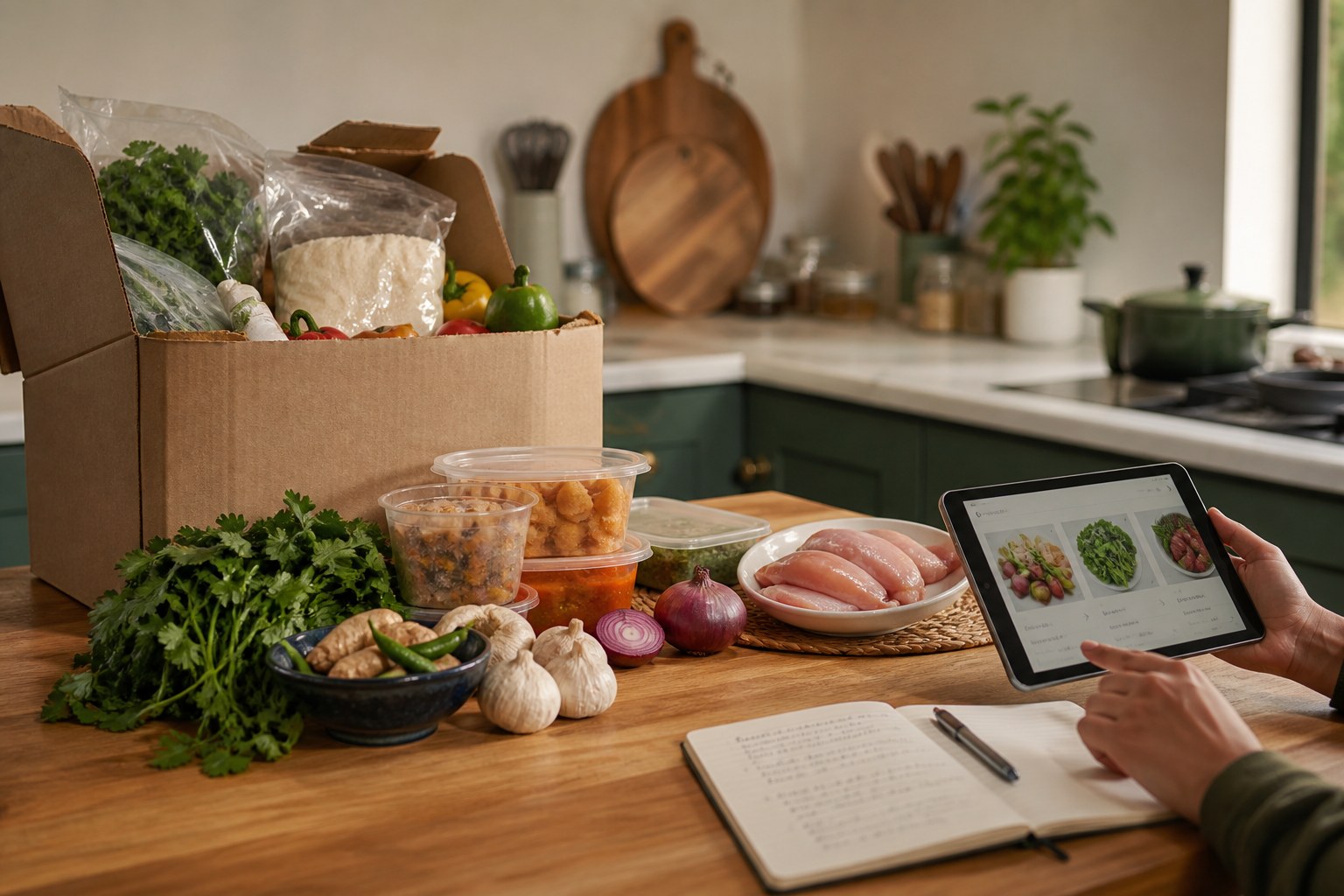
Ordering Pakistani groceries online in the UK works best as a method: pantry staples first, chilled and frozen rules second, substitutions third. Crowning a single retailer is a trap—stock, delivery radius and ice-pack practice change. Use the Food Standards Agency as your hygiene reference point, not a shop’s marketing banner.
Build a pantry basket first
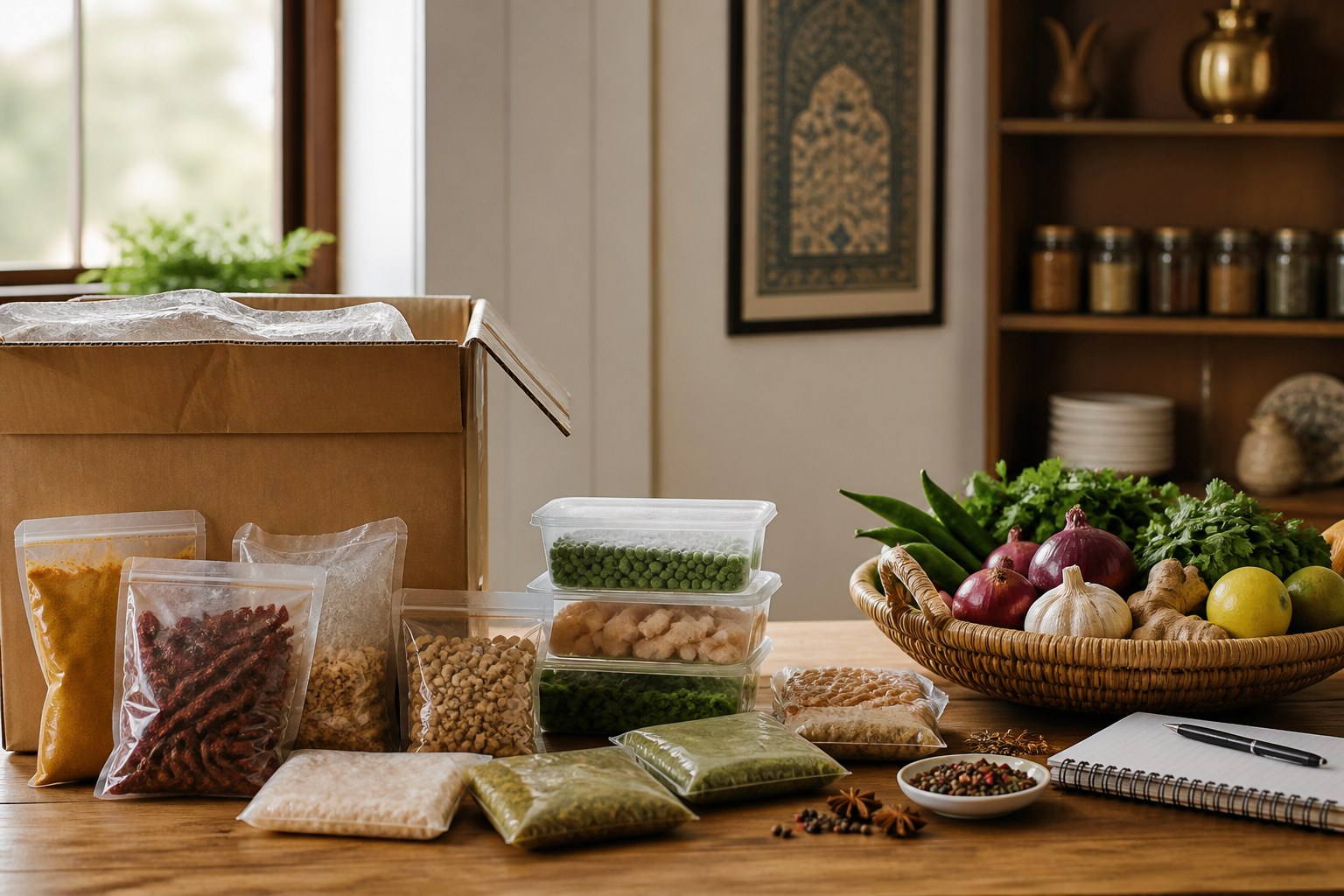
Before chasing perishable nostalgia, lock the dry goods that make weekday cooking possible: atta or flour you actually bake with, basmati, lentils and beans you cook often, whole spices you toast, tea, and shelf-stable staples such as oil and ghee if you use them. Pantry orders tolerate slower shipping. They also reveal whether a site’s weights and brands match what your recipes assume.
Write a two-week meal sketch before clicking. A vague craving for “desi stuff” produces duplicate spice jars and missing gram flour. A sketch that includes daal, one karahi-style dinner and breakfast chilla tells you what must arrive.
Chilled and frozen need arrival rules
Chilled and frozen Pakistani foods—frozen parathas, samosas, kebabs, paneer, yoghurt drinks where offered—only make sense if someone can receive them promptly. Read the retailer’s cold-chain claims, then decide whether your household can honour them. Follow FSA chilling advice: refrigerate or freeze promptly; do not leave cold food in a warm hallway while you finish a meeting.
If you will be out, choose pantry-only deliveries that day. A cheap frozen deal that thaws on the step is not a saving. Keep a cool bag and ice packs ready for collection points when that is the model.
| Basket type | Shipping tolerance | Household rule |
|---|---|---|
| Dry spices, atta, rice, daal | Higher | Order by turnover, not by nostalgia bulk |
| Chilled dairy / fresh | Low | Be home; refrigerate immediately |
| Frozen snacks / breads | Low | Confirm ice packs; freeze on arrival |
| Fresh herbs / green chillies | Low | Often better from a local greengrocer same day |
Substitutions without pretending they are identical
UK substitutes keep cooking possible when a preferred brand is out of stock. State the compromise:
- Chapati flour vs a specific Pakistani atta brand—protein and grind differ; adjust water.
- Greek yoghurt vs thick set dahi—strain if you need density for raita.
- Coriander stalks from a supermarket vs a bunches-from-the-Asian-grocer habit—buy closer to cooking day.
- Frozen methi vs fresh—useful in cooked dishes; different in garnishes.
Do not invent authenticity panic over every substitute. Do invent a note on the recipe card when a substitute changed the texture, so next time is intentional.
Method over retailer crowning
Compare minimum orders, delivery fees, cold-chain honesty, return policies and whether spices are dated. A beautiful storefront with undated chilli powder is a flavour risk. A plain site with clear weights and batch discipline may cook better dinners. Re-check stock the week you need a wedding order; mithai and specialty items vanish on festival timelines.
For festival weeks, split the order: pantry early, chilled late, sweets by the retailer’s own cut-off. Suitcase imports from Pakistan can supplement rare items but are not a weekly food-safety plan—respect airline and customs rules, and never treat warm luggage as a fridge.
A repeatable monthly order
- Inventory spices and flours you will finish in four weeks.
- Build the dry basket; place the order.
- Schedule a separate chilled/frozen delivery for a day someone is home.
- On arrival, date-label freezer bags and move cold food first.
- Write substitutions that worked on the recipe cards they affected.
Pakistani groceries online in the UK are a logistics problem wrapped in appetite. Solve the logistics with pantry-first baskets and cold-arrival rules, and the appetite gets fed without a melted box on the step.
Festival weeks and shared-house realities
Ramadan, Eid and wedding seasons break casual ordering habits. Place pantry orders early. Schedule chilled and frozen deliveries for days someone can stand in the hallway immediately. Pre-order sweets against the retailer’s cut-off rather than against your optimism. Shared student houses need a named receiver and a fridge cleared in advance; “someone will get it” is how yoghurt drinks warm on the step.
Compare retailers as logistics partners, not as cultural authorities. Fees, minimums, cold-chain honesty, dating on spices and return rules matter more than a calligraphy logo. Re-check stock the week you need specialty flour or a particular rice; screenshots from last month lie.
Substitutions should be written onto recipe cards when texture changes. Chapati flour is not always the same as your preferred atta; strained yoghurt is not identical to set dahi; frozen methi behaves differently in garnish versus cooked dishes. Cooking continues; mythology about betrayal can wait.
Pakistani groceries online in the UK are solvable when pantry leads, cold food arrives under rules, and substitutions stay honest. The melted box is not fate. It is usually a planning miss you can refuse next month.
Allergens, returns, and the quiet admin of a working pantry
Online orders fail quietly when allergens are ignored and returns are impossible after a melt. Read labels for mustard, sesame, nuts, gluten and milk. Keep FSA allergen guidance bookmarked beside chilling advice. Photograph damaged cold packaging before disposal disputes. Date-label freezer bags on arrival so festival bulk does not become anonymous ice archaeology in June.
A working UK Pakistani pantry is mostly admin: inventory, two-week meal sketch, dry basket, separate cold delivery, substitution notes on cards. Romance about “desi taste” does not refrigerate itself. Method does. Next month, reorder what you finished and stop rebuying what you only admired.
What “good delivery” means for Pakistani groceries
Good delivery is not merely fast. It is honest about temperature, clear about fees, dated on spices where possible, and compatible with your building’s reception realities. A same-day frozen promise that arrives soft is worse than a slower pantry box that arrives intact. Score retailers on the journey your actual flat can support.
Keep a returns and complaints folder with photos. Keep a substitution card on the fridge. Keep FSA chilling and allergen tabs open when unpacking. UK online Pakistani grocery shopping becomes calm when it is treated as cold-chain logistics plus recipe admin—not as a cultural emergency every time a preferred brand is greyed out.
If you cook for mixed allergy tables, build a labelled shelf zone and refuse unmarked refills from bulk bins when traces matter. Hospitality includes the quiet work of not harming guests. Method pages should say that plainly beside the spice lists.
Building a first UK order under £60 of intention
Intention beats volume. A first order might include one atta or flour you will finish in a month, one rice, two daals, a small set of whole spices, tea, and one frozen item only if someone is home. Skip five rival chilli powders. Skip decorative thrift-shop quantities of rare pickles until the staples cycle twice.
After the first order, review waste and joy. Reorder what disappeared into dinners. Substitute what disappointed. Cancel what only looked authentic in the cart. Online Pakistani grocery shopping in the UK becomes sustainable when the cart is a feedback loop, not a museum acquisition budget.
Village-to-city UK differences
A flat in East London and a house in a smaller UK city face different grocery realities. Urban shoppers may use online mainly for specialty brands; smaller-city shoppers may rely on online for the backbone of daal and spices. Adjust the method to scarcity. Where local Asian grocers are strong, let them win on herbs and yoghurt. Where they are weak, accept more frozen risk only with honest cold-chain sellers and home receivers.
University towns add another pattern: shared kitchens, rotating receivers, festival bulk that outlives the term. Name a receiver. Clear a fridge shelf. Label bags with owners and dates. Online grocery culture fails in student houses for social reasons as often as for ice-pack reasons. Fix the social protocol and the food has a chance.
Spice freshness tests you can do at home
Rub a pinch of chilli or cumin between fingers and smell. If the aroma is faint, cooking will not invent it. Online bulk deals fail this test often enough that small quantities become wisdom. Toast whole spices and grind for the week when you can. Note which seller’s dates and packaging protected aroma; reorder that behaviour, not merely that logo.
Atta and rice also age in taste and behaviour. Finish bags; do not collect them. A UK pantry that turns over monthly will outcook a pantry that looks impressive on Instagram and tastes like cardboard in February. Method is sensory as well as logistical.
Finally, treat customer-service chat transcripts as part of your cold-chain evidence. If a seller cannot explain what to do when frozen food arrives warm, do not teach them with your dinner. Choose clearer partners. Pakistani home cooking in the UK deserves logistics equal to its recipes—and a pantry that turns over before it turns into a museum of faded chilli.
Reorder what you finish; stop collecting what you only admire.
Keep the method boring enough to repeat monthly.
Sources and official profiles
Was this helpful?
Keep reading
Related stories
More from this desk, this beat, and the tags on this piece.
Pakistani grocery shopping in the UK: pantry, freezer, and fresh food
Hassan Raza · 15 Feb 2026
Pakistani groceries online in the USA: shipping, frozen food, and pantry planning
Hassan Raza · 9 Feb 2026
Readers
The conversation
0 notes
Anyone can leave a note. Guests add a name and email — no account required, and the email is never published.
No notes yet. Yours would be the first.