Recipes
Pakistani winter soups, yakhni, and shorba
A Pakistani winter soup can be clear enough to see the coriander at the bottom or thick enough to hold a torn naan. Yakhni and shorba are methods, not interchangeable menu poetry.
By Hassan Raza
Food editor
4 min read
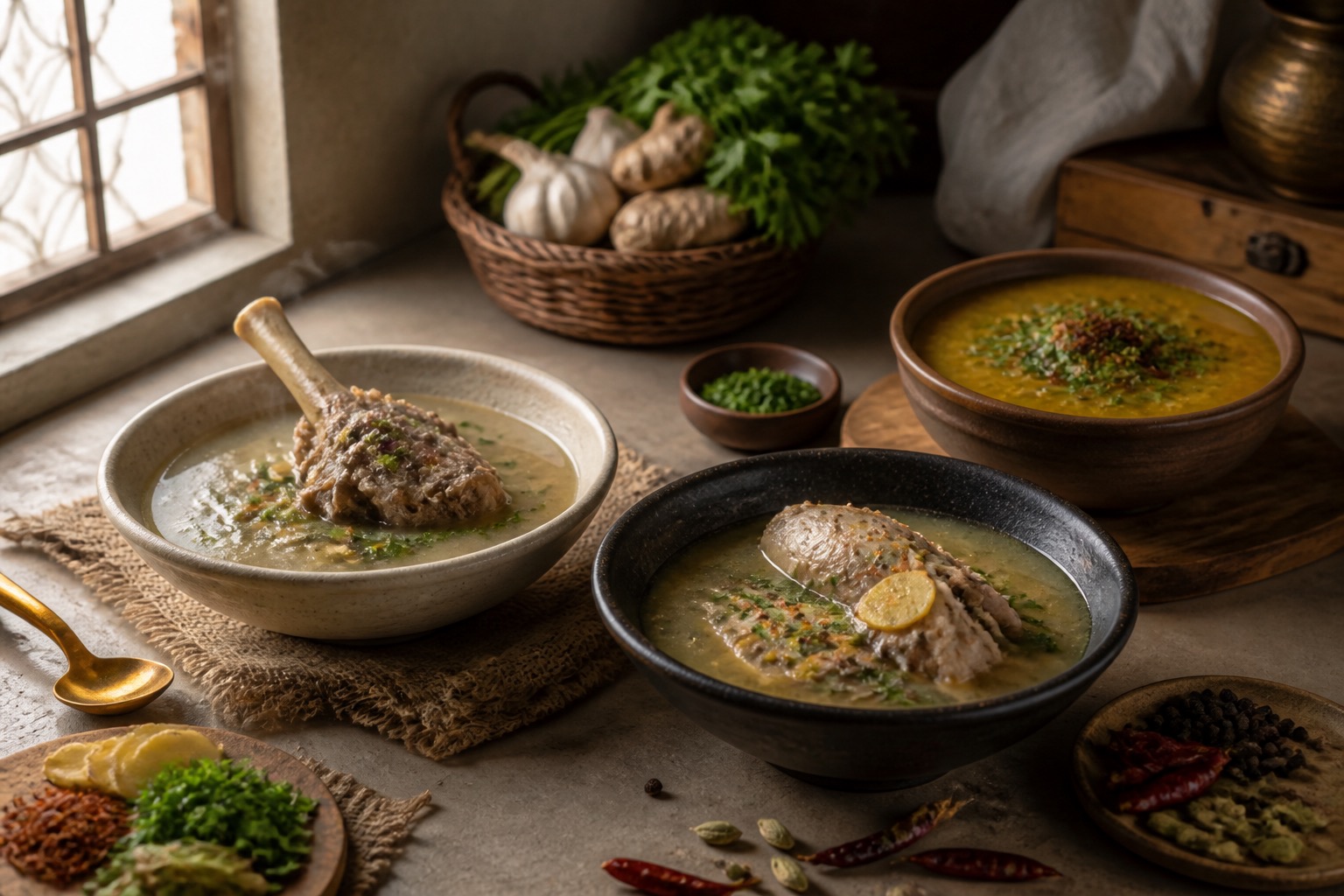
A Pakistani winter soup can be clear enough to see the coriander at the bottom or thick enough to hold a torn naan. Yakhni and shorba are methods, not interchangeable menu poetry.
When you are ill or cold, do you want clear yakhni, peppery soup or a full shorba with bread?
— A question for PakStyles readers
Chicken yakhni begins with a quiet pot
Bone-in chicken, ginger, garlic, black pepper and whole spices should barely simmer. Aggressive boiling clouds the stock and breaks meat before flavour has settled.
Prepare every measured ingredient before beginning this stage, including the pan and serving vessel. “Chicken yakhni begins with a quiet pot” may move quickly once heat is involved, and searching for an ingredient can turn colour into bitterness or moisture into steam. Write down the pan size and quantity so the result from Pakistani winter soups, yakhni, and shorba can be repeated.
Mutton shorba wants body
Neck or shoulder, browned onion and tomato create a broth substantial enough for bread. Reduce after tenderising so the liquid tastes of the meat rather than only salt and chilli.
Use the clock as a reminder to look, not as proof that the food is ready. At “Mutton shorba wants body”, note sound, aroma, surface moisture and resistance to the spoon. Change only one variable on the next attempt. That creates a household recipe with evidence behind it instead of a chain of unexplained corrections.
Daal soup without losing its identity
Blend only part of cooked masoor or moong, leaving texture in the bowl. A cumin-garlic tarka added at the end keeps the aroma alive.
Plan one rescue before this stage begins. If “Daal soup without losing its identity” runs dry, stays wet or colours too quickly, lower the heat and correct in small amounts rather than flooding the pan. Taste after the correction and record it. The most useful version of Pakistani winter soups, yakhni, and shorba explains recovery as clearly as success.
Freeze broth, finish fresh
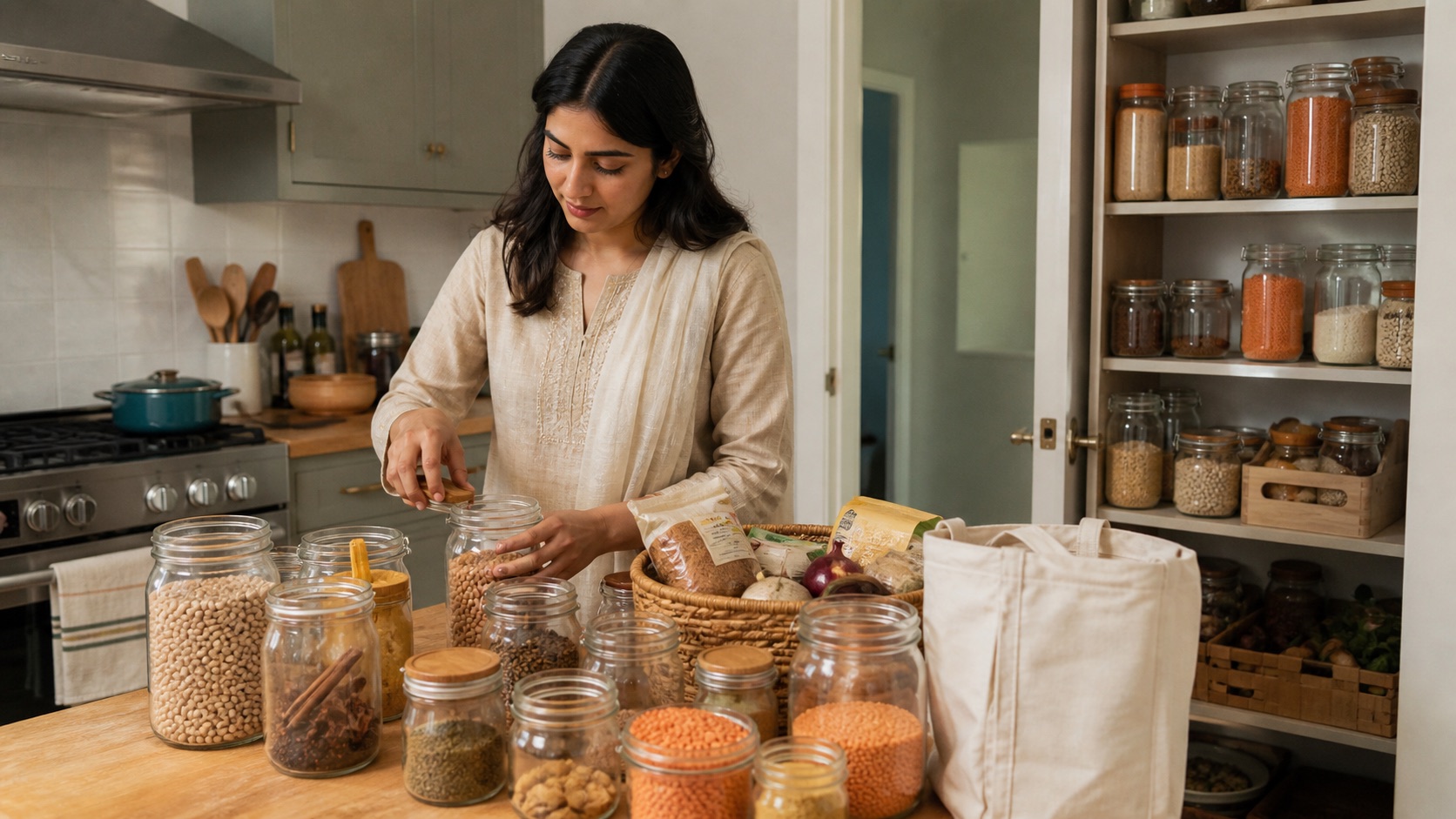
Freeze unsalted or lightly salted stock flat in labelled bags. Reheat to a full simmer, then add lemon, herbs, noodles or shredded meat according to the day.
Think beyond the first hot serving. “Freeze broth, finish fresh” affects how the dish holds, cools and reheats, so separate what must be finished at the last minute from what can rest. Cool leftovers promptly, label them and reheat safely. Good hospitality protects the cook as well as the texture on the table.
Where to continue after Pakistani winter soups, yakhni, and shorba
USDA Food Safety and Inspection Service is a starting point for the current record connected with Pakistani winter soups, yakhni, and shorba. Check dates, credits and availability at the source; then follow the names, works and institutions mentioned above rather than relying on a search-result summary.
When you are ill or cold, do you want clear yakhni, peppery soup or a full shorba with bread? If you have a strong answer, name the specific example or first-hand experience that shaped it.
What would you add—or challenge? When you are ill or cold, do you want clear yakhni, peppery soup or a full shorba with bread? Keep the conversation attached to a named work, tested method, dated source, or first-hand observation so it improves the guide for the next reader. Before commenting on Pakistani winter soups, yakhni, and shorba, revisit one complete example and note the detail that confirmed—or overturned—your first impression. Include enough context for somebody else to find or repeat it: the work or product name, city or venue where relevant, approximate date, and the particular choice you noticed. That is more valuable than a vote for “best”.
Sources and official profiles
Filed under
Keep reading
Related stories
More from this desk, this beat, and the tags on this piece.
Pakistani freezer cooking: 12 components that save a weeknight
Hassan Raza · 18 Jul 2026 · 2 min
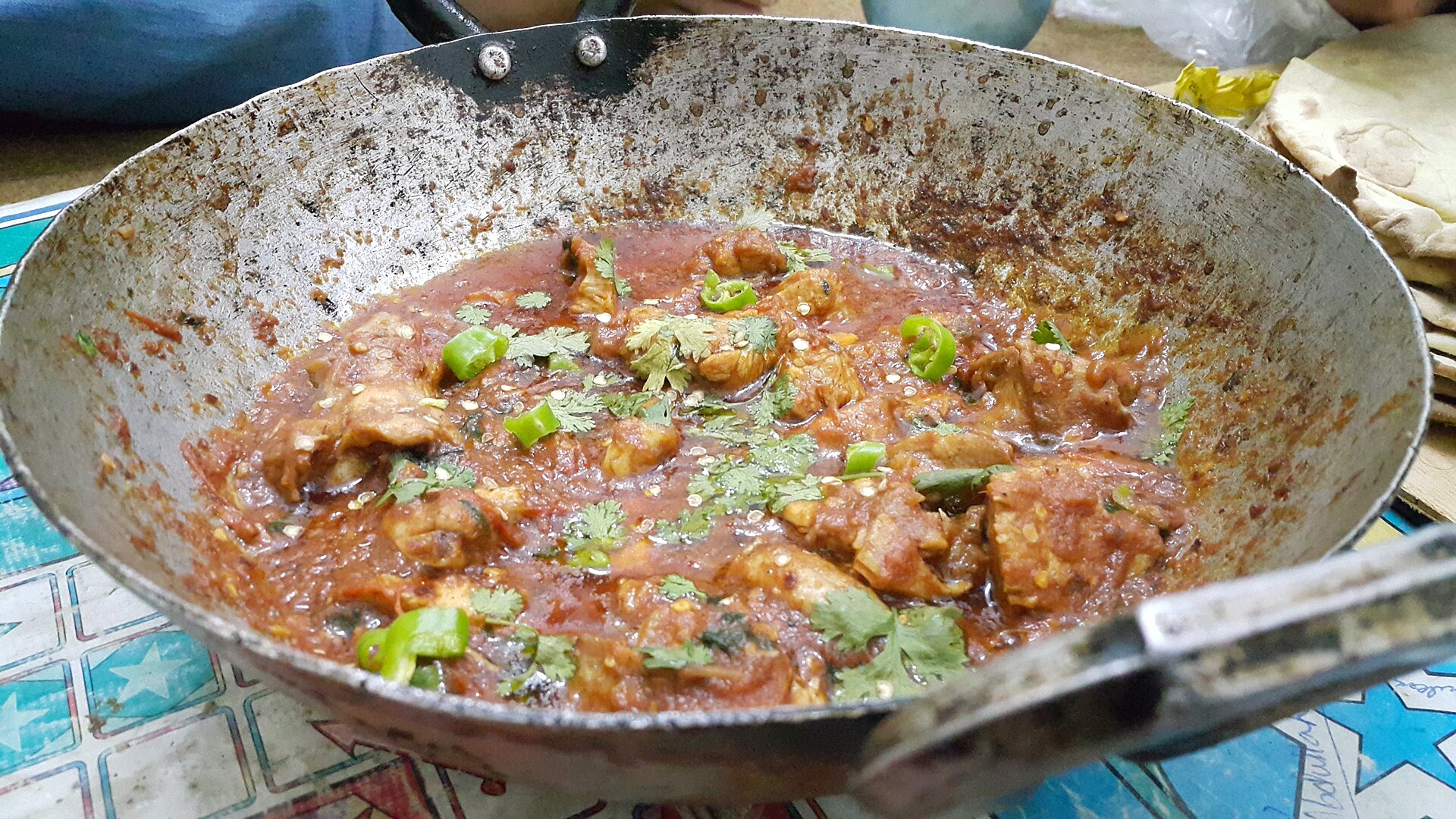
Palak gosht: keeping spinach bright enough and meat tender
Hassan Raza · 13 Sep 2026 · 15 min
Chana daal gosht: getting lentils and meat tender together
Hassan Raza · 13 Sep 2026 · 15 min
Pakistani chicken qorma: browned onions without bitterness
Hassan Raza · 13 Sep 2026 · 15 min
Readers
The conversation
0 notes
Anyone can leave a note. Guests add a name and email — no account required, and the email is never published.
No notes yet. Yours would be the first.