Pakistani groceries online in the USA: shipping, frozen food, and pantry planning
Order Pakistani groceries online in the USA by planning pantry turnover, reading frozen-shipping promises carefully, and staying honest about suitcase imports.
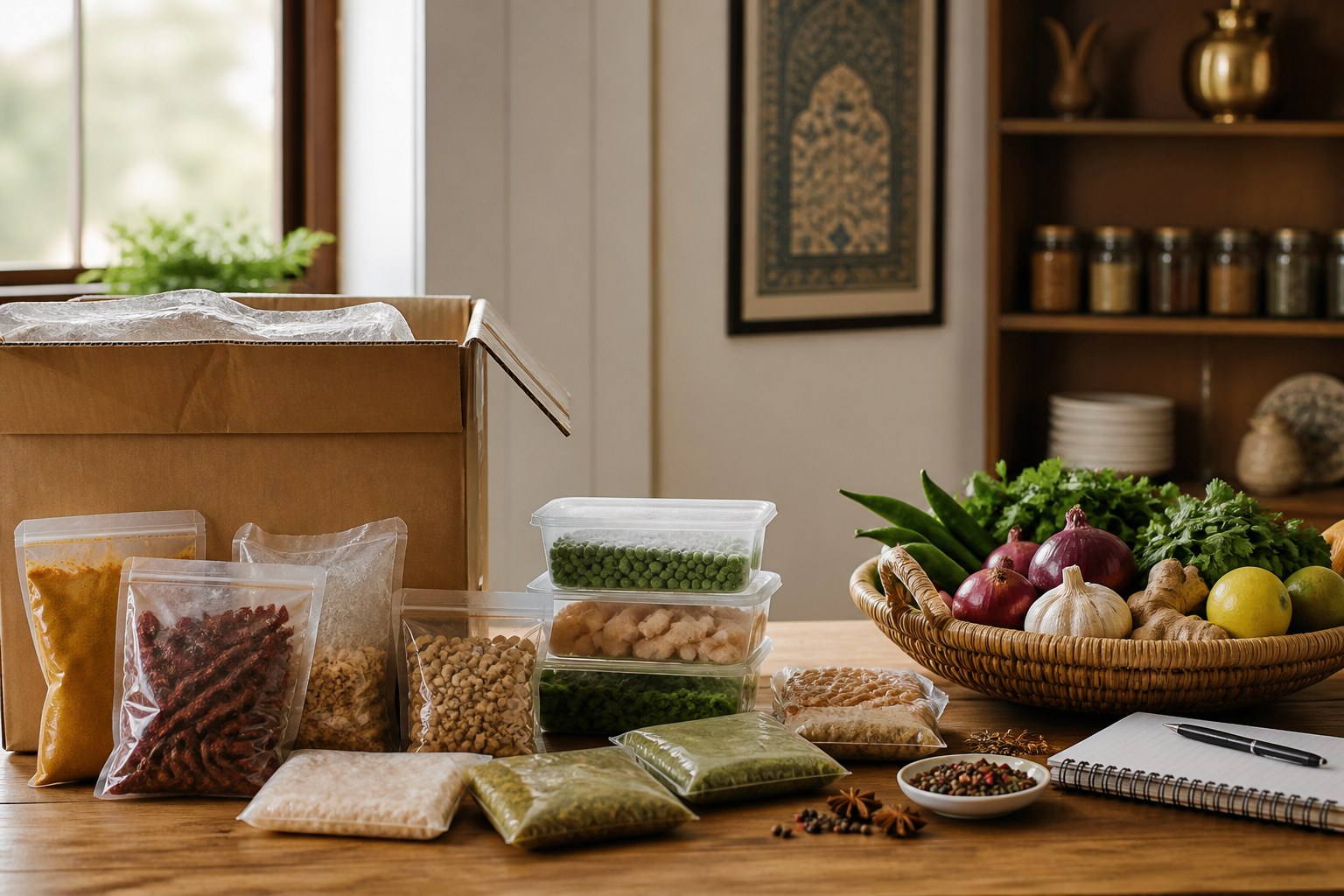
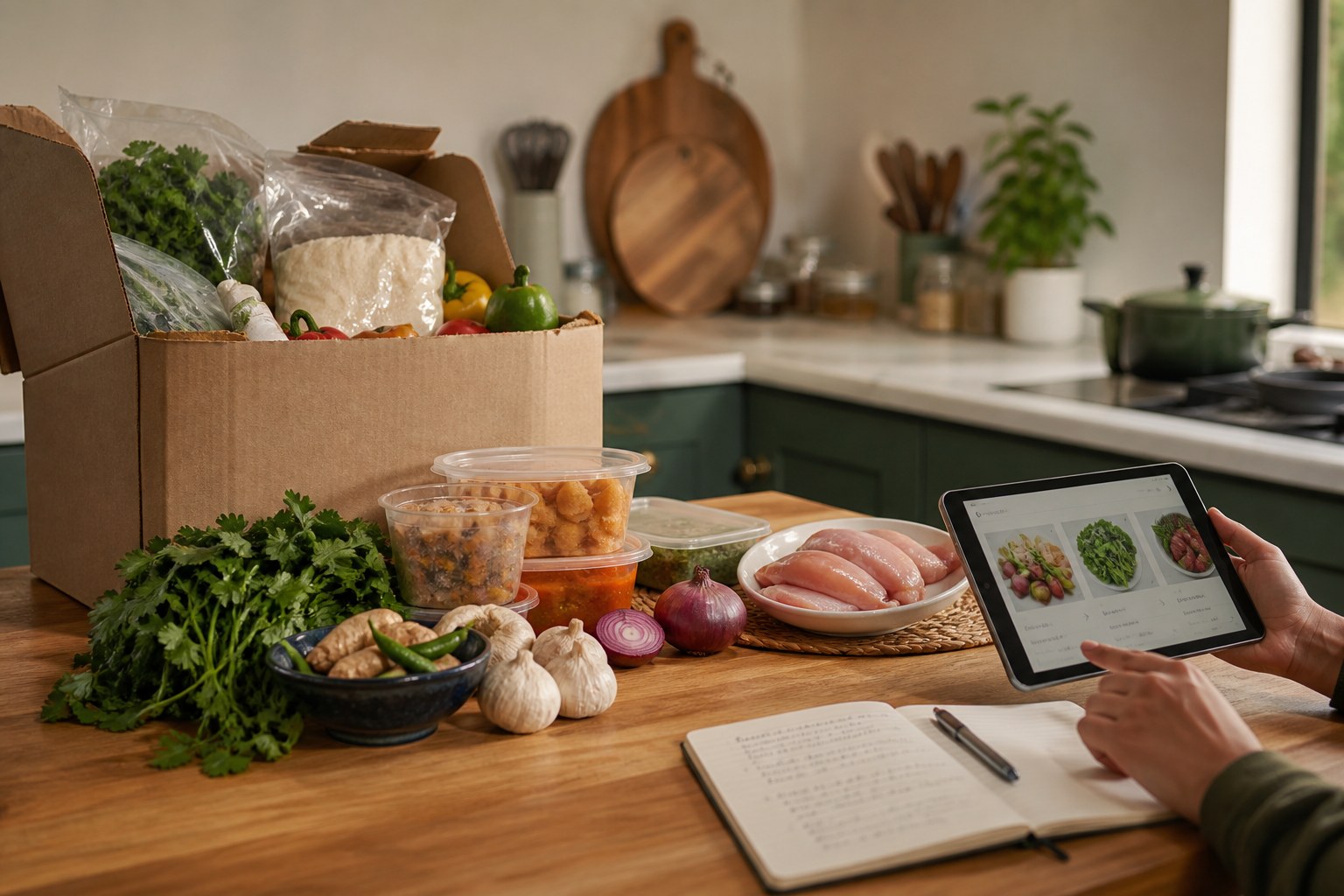
Pakistani groceries online in the USA fail most often on distance and temperature, not on desire. A method beats a favourite-store myth: order staples by turnover, demand that frozen shipping explain itself, and stay honest about what a suitcase can and cannot legally or safely carry. Use public references such as FDA Food, FoodSafety.gov and USDA FSIS for hygiene literacy—not for brand crowning.
Order staples by turnover, not nostalgia
Buy the rice, atta, daal and spices you will finish in a defined window. Nostalgia bulk ordering produces rancid nuts, faded chilli and a garage of guilt. Weigh shipping cost against a local South Asian grocer trip when you live near one; online shines for rural ZIP codes, rare brands and refill staples you already trust.
Keep a shelf inventory on your phone: opened spice dates, flour kilos left, which frozen breads your household actually eats. The next cart should close gaps, not recreate your auntie’s entire storeroom.
Frozen shipping must explain itself
Frozen parathas, samosas, kebabs and similar items need a cold chain you can believe. Read whether the seller uses insulated packaging, how many ice packs, and what they say to do if the box arrives warm. If the site is vague, treat the product as a risk—not a bargain.
On arrival, check temperature with common sense: hard-frozen is the goal for frozen goods; soft and warm is a discard conversation, not a “cook quickly” improvisation. Freeze promptly what belongs in the freezer. Cook raw proteins safely. Leftover guidance and danger-zone literacy from FoodSafety.gov and FSIS pages are more reliable than group-chat folklore.
| Order type | Ask before buying | On arrival |
|---|---|---|
| Dry pantry | Weight, brand, best-before if shown | Label open dates; store cool and dry |
| Frozen snacks | Insulation, ice packs, summer shipping policy | Confirm still frozen; freeze or discard |
| Chilled (if offered) | Whether your ZIP is actually eligible | Refrigerate immediately |
| Specialty sweets | Festival cut-offs; melt risk | Plan same-week eating or freeze if appropriate |
Pantry planning for American kitchens
American package sizes and stove heat can change Pakistani recipes. Note when a “small” online atta bag is still enormous for a two-person flat. Divide bulk spices into smaller jars to protect aroma. Keep whole spices longer than pre-ground when you can; grind for the week.
Build a monthly rhythm:
- Inventory and meal sketch.
- Pantry order early in the month.
- Frozen order only on a day someone can receive it.
- Local produce and herbs as needed.
- End-of-month note: what went rancid, what ran out, what never got used.
Suitcase honesty
Bringing sealed spices or sweets from Pakistan or elsewhere can be meaningful—and can also violate import rules or create food-safety problems if temperature-abused. Check current customs and agricultural rules before packing food. Do not treat luggage as a refrigerated truck. Do not sell undeclared imports as a side hustle from your hallway. Household cooking is one thing; informal commercial import is another.
When suitcase goods arrive, use them with the same date-labelling discipline as online orders. Rare pickle or tea is a gift to schedule into meals, not a museum object.
Substitutions and dual-source cooking
Many US households cook best with two sources: an online Pakistani specialist for specific brands, and a supermarket or local grocer for yoghurt, eggs, onions and herbs. Pretending one website must supply coriander bunches across three time zones is how wilted disappointment happens.
Substitute openly when needed: Greek yoghurt strained for dense raita; supermarket cilantro when bunches are tired; frozen methi in cooked dishes. Write the substitution on the recipe so authenticity debates happen with data, not vibes.
Pakistani groceries online in the USA reward planners who respect shipping physics. Turnover for pantry, scepticism for vague frozen claims, honesty for suitcases—and a freezer inventory that tells the truth—will feed more good dinners than any single “best desi store” thread.
Rural ZIP codes, coastal metros, and dual sourcing
Online Pakistani groceries matter most where the nearest specialist aisle is hours away. In those ZIP codes, pantry turnover discipline and frozen-shipping scepticism are survival skills. In coastal metros with strong local grocers, online should refill specific brands while eggs, herbs and yoghurt stay local. Dual sourcing is not disloyalty; it is how coriander stays alive.
Summer shipping changes frozen risk. If a seller cannot explain insulation and ice-pack practice, skip the SKU. On arrival, hard-frozen is the goal; warm and soft is a safety conversation guided by FoodSafety.gov and FSIS literacy, not by hope. Date-label freezer bags. Cook raw proteins thoroughly. Keep an end-of-month note about what went unused so nostalgia bulk shrinks.
Suitcase goods remain emotionally powerful and legally bounded. Check current rules before packing food. Use arrivals with the same dating discipline as cart orders. Rare tea scheduled into breakfasts beats rare tea forgotten until it smells like a cupboard.
American kitchens can cook Pakistani food well without a single perfect website. Turnover for pantry, explained cold chains for frozen, honesty for imports, and substitutions written on cards will feed more ordinary dinners than any thread crowning a national “best desi store.”
Freezer inventory as truth-telling
Open the freezer once a month and tell the truth out loud: what you actually cook, what you impulse-bought, what freezer-burned. Online Pakistani grocery culture sells abundance; American freezers punish denial. Align the next cart with the truth-telling, not with a cousin’s pantry photo from another climate zone.
Keep FDA/FSIS/FoodSafety.gov literacy for temperature and leftovers. Keep customs honesty for suitcase goods. Keep dual sourcing for herbs and dairy. The USA is large enough that one retailer’s shipping promise cannot be universal advice. Check your ZIP, explain your ice packs, label your dates, and cook the food while it still tastes like the plan that justified the shipping fee.
Planning calendars for a large country
Coastal heat, Midwest winters and desert summers change shipping risk. Build a personal calendar: which months you attempt frozen orders, which months you stay pantry-only from distant sellers, which weeks local grocers cover fresh herbs. The USA’s size makes universal grocery advice false. Your calendar makes it true enough to cook from.
Couple that calendar with turnover rules for spices and flour, dual sourcing for dairy and produce, and suitcase honesty when you travel. Online carts then become one instrument in a kitchen band rather than a chaotic soloist. Pakistani food in American homes thrives on that kind of boring planning—the kind that never goes viral and repeatedly puts dinner on the table.
Brand loyalty versus batch discipline
Brand loyalty is fine until it produces rancid bulk. Batch discipline is better: buy the spice brand you trust in quantities you will finish, grind weekly when you can, and accept a supermarket substitute when shipping heat makes a frozen luxury foolish. Loyalty without discipline is how American cupboards fill with expensive dust.
Apply the same discipline to frozen snacks. A brand you love that arrives soft once should trigger a summer shipping ban, not a hopeful reorder. Physics is not a vendor insult. It is the kitchen’s weather report. Cook inside the weather you actually have.
From cart to cook: a 48-hour rule
Within forty-eight hours of a pantry delivery, cook one meal that uses a newly ordered staple. Within forty-eight hours of a frozen delivery, cook or securely freeze and schedule the first use. Goods that wait for a perfect weekend often wait until they are sad. The 48-hour rule turns shipping fees into dinners while quality remains high.
Write the meals on the calendar when you click purchase. That single habit aligns appetite with logistics better than any loyalty points system. Pakistani groceries online in the USA then become a cooking plan with a tracking number—not a cardboard museum of intentions in the hallway.
Community bulk buys without losing food safety
Friends sometimes split large online orders to beat shipping minimums. Splitting works when someone owns the cold-chain receipt, portions promptly, and labels bags with dates before distribution. It fails when frozen boxes sit in a driveway while seven group chats argue about Venmo. Appoint a logistics lead. Treat ice packs as shared infrastructure. Cook or freeze within the safety window.
Community buys can also share substitution knowledge: which yoghurt brand strained well, which frozen paratha brand survived summer shipping once and never again. Write it down. The USA is too large for one household to learn every lesson alone. Shared notes are the diaspora grocery tradition online commerce actually needs.
End each season with a short audit: shipping fees paid, meals actually cooked from online goods, frozen failures, suitcase successes, and local grocer wins. The audit decides next season’s calendar. That is how Pakistani groceries online in the USA stop being a hopeful scroll and become a kitchen system you can trust across a large country’s weather.
Trust the audit more than the cart photograph.
Sources and official profiles
Was this helpful?
Keep reading
Related stories
More from this desk, this beat, and the tags on this piece.
Pakistani grocery shopping in the UK: pantry, freezer, and fresh food
Hassan Raza · 15 Feb 2026
Pakistani groceries online in the UK: delivery, chilled food, and substitutions
Hassan Raza · 2 Feb 2026
Readers
The conversation
0 notes
Anyone can leave a note. Guests add a name and email — no account required, and the email is never published.
No notes yet. Yours would be the first.