· Updated
Shan Foods: how packaged masala travelled with the diaspora
How Shan Foods grew from a 1981 Karachi recipe-mix operation into a diaspora pantry presence, read through company history and export context rather than nostalgia alone.
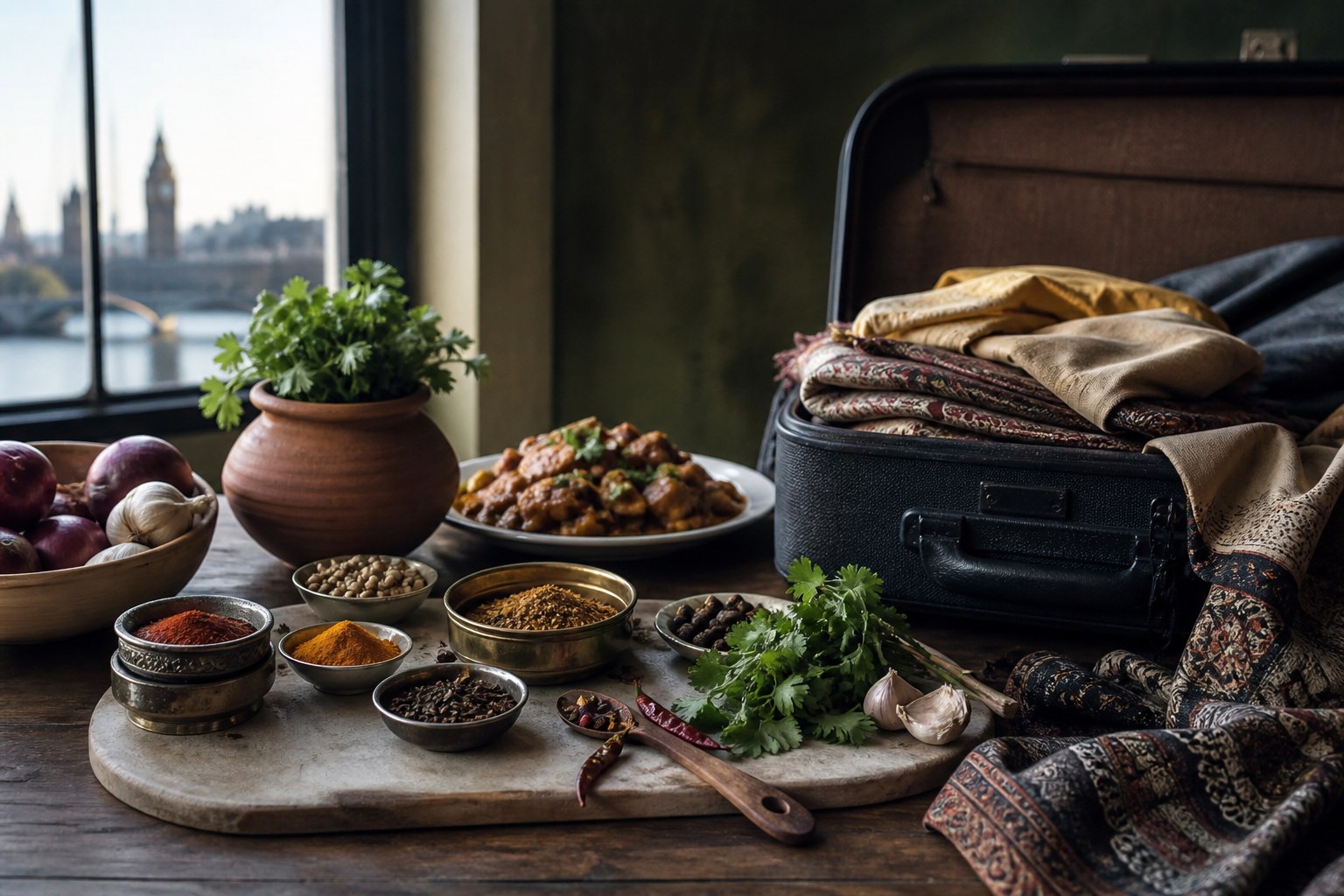
Shan Foods is the packet many diaspora kitchens reach for when a weeknight needs a named dish without a grindstone. Company history places the beginning in 1981 with Sikander Sultan's Karachi operation, describing a path from family recipe mixes shared outward to a brand present across dozens of countries. The diaspora story is not that spice was invented in a box; it is that hygienic, labelled, exportable mixes travelled with migration more reliably than wet masala pastes packed in luggage.
What the company says about itself
Shan's about pages describe cryogenic grinding claims, nitrogen-flushed packaging marketed as V-Lock freshness, and a set of food-safety and quality certifications listed for marketing and compliance audiences. Treat those as company claims to evaluate against your own standards and local labelling, not as PakStyles laboratory results.
Founder pages emphasise private-company leadership and philanthropy narratives. Secondary reporting, including a 2024 Arab News interview with co-chairperson Sammer Sultan, discusses Middle East expansion priorities and a large UAE market presence claim. Export focus toward South Asian populations abroad is a recurring theme in business journalism comparing Shan with peers.
Why diaspora pantries adopted packets
Whole-spice grinding from scratch remains ideal for some cooks and impossible for others on a Tuesday in Manchester or Houston. Recipe mixes reduce variability and time. They also flatten regional nuance if used uncritically. A thoughtful cook can treat Shan as a base and adjust chilli, acid, and fresh aromatics. Reading the ingredient list matters for allergens and salt.
Competition exists: National Foods and other brands share shelf space. This article explains Shan's path; it does not rank taste. Household loyalty is often inherited, then revised by price, availability, and one failed dinner.
How to use this history in a kitchen
Match the mix to the dish name, follow heat cues cautiously the first time, and note batch differences. Store packets sealed and away from humidity. Pair with fresh garnishes so convenience does not taste like cardboard nostalgia. The packet travelled with the diaspora because it solved a logistics problem; cooking still asks for attention.
Label literacy for diaspora cooks
Compare sodium and allergen lines across markets; formulations can differ by country. If a household avoids certain colourings or anti-caking agents, the packet must be read every time, not remembered from 2014. Keep a written tweak list on the fridge: half chilli, extra tomato, squeeze of lemon—so convenience still tastes like your kitchen.
For teaching teenagers to cook, packets can be scaffolding rather than destiny. Pair a mix with a lesson on blooming spices in oil, managing water, and tasting before salting. The diaspora pantry is a bridge; bridges are for crossing, not for camping forever without skill.
Business context without folklore
Presence in many countries is a distribution achievement described by the company and reporters; it is not a moral ranking against home grinding. When journalism cites market-share figures, note the speaker and date. This article prefers attributable history over unverifiable supremacy claims.
Keep expectations dated and revisable. Places, companies, and family systems change; a guide that cannot admit change becomes a liability.
When unsure between two stops, choose the one that preserves daylight and goodwill. Maps rarely measure either.
Sources and official profiles
Was this helpful?
Keep reading
Related stories
More from this desk, this beat, and the tags on this piece.
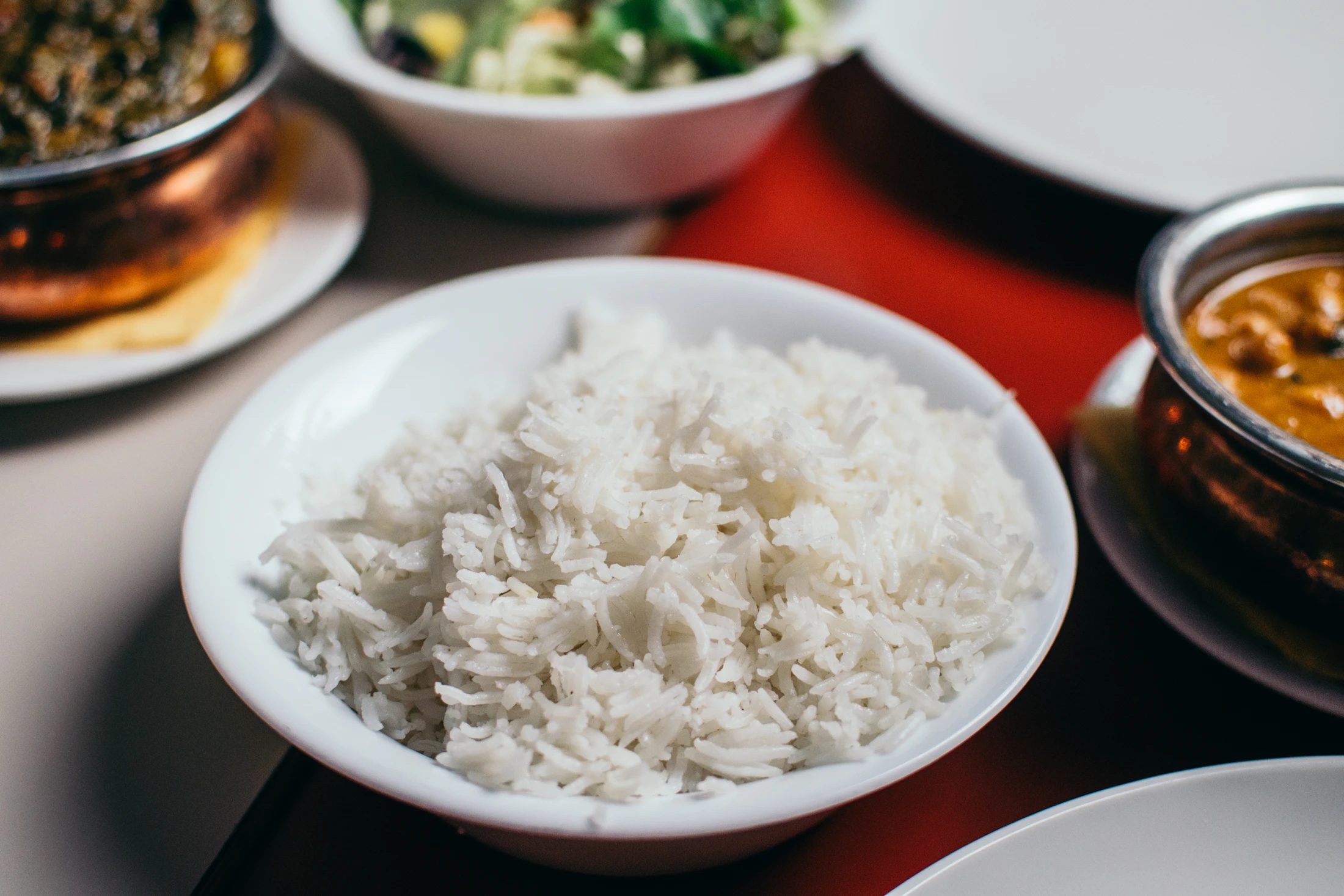
Should you rinse and soak basmati rice? What the food science actually says
Hassan Raza · 18 Oct 2026

Readers
The conversation
0 notes
Anyone can leave a note. Guests add a name and email — no account required, and the email is never published.
No notes yet. Yours would be the first.