Regional
Regional plates that never made the hotel menu
An invitation to notice Pakistani regional food beyond the dishes flattened into national buffet shorthand.
By Hassan Raza
Food editor
2 min read
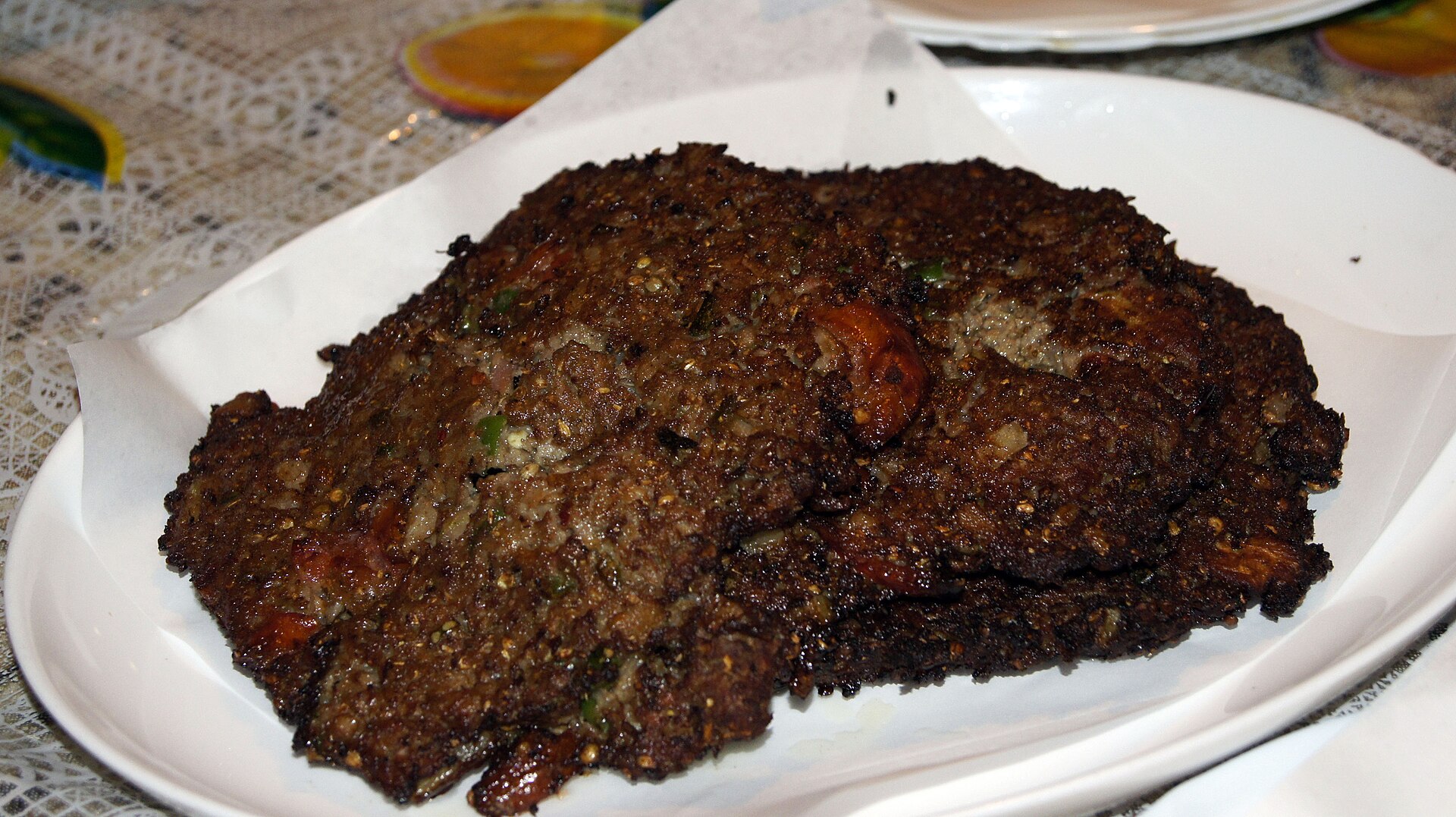
A hotel buffet needs dishes that hold for an hour, explain themselves on a label and offend as few guests as possible. Regional cooking has no such obligation. It can depend on a herb that wilts quickly, a grain eaten in one valley, a sourness outsiders misread or a texture that refuses the silver chafing dish.
This is why “Pakistani food” on a buffet often narrows into biryani, karahi, kebab and a creamy daal. Those foods belong, but they cannot stand in for coast, desert, highland, river plain and migration. The missing dishes are not necessarily obscure at home. They are merely inconvenient to standardise.
Ask a geographic question
What grows there? How is fuel used? Which animals are kept, which grains store through winter, and what can travel to market? A northern soup, a Sindhi preparation built around greens, a Baloch cooking method or a Saraiki sour note begins to make sense when landscape and labour enter the description.
Names move across languages and borders. Two dishes sharing a name may differ by district; two households in one street may argue about the correct fat or finishing spice. Record those differences instead of forcing a winner. “Authentic” is most useful when it identifies a source—this cook, this village, this season—not when it closes discussion.
Restaurants can help, especially when they name the region and the people behind a dish. Verify that claim, link to an official profile and order the preparation on its own terms. Do not demand that unfamiliar food become hotter, richer or more decorative to resemble the Pakistani restaurant food you already know.
The regional plate absent from a hotel may appear at a bus stop, family lunch or seasonal gathering. Approach it with appetite and specificity. Pakistan’s food map grows when we stop asking one buffet to contain it.
Keep the original language of a dish where possible and explain rather than exoticise it. Translation may clarify an ingredient, but a phrase such as “tribal feast” often reveals more about marketing than the people being described.
Keep reading
Related stories
More from this desk, this beat, and the tags on this piece.
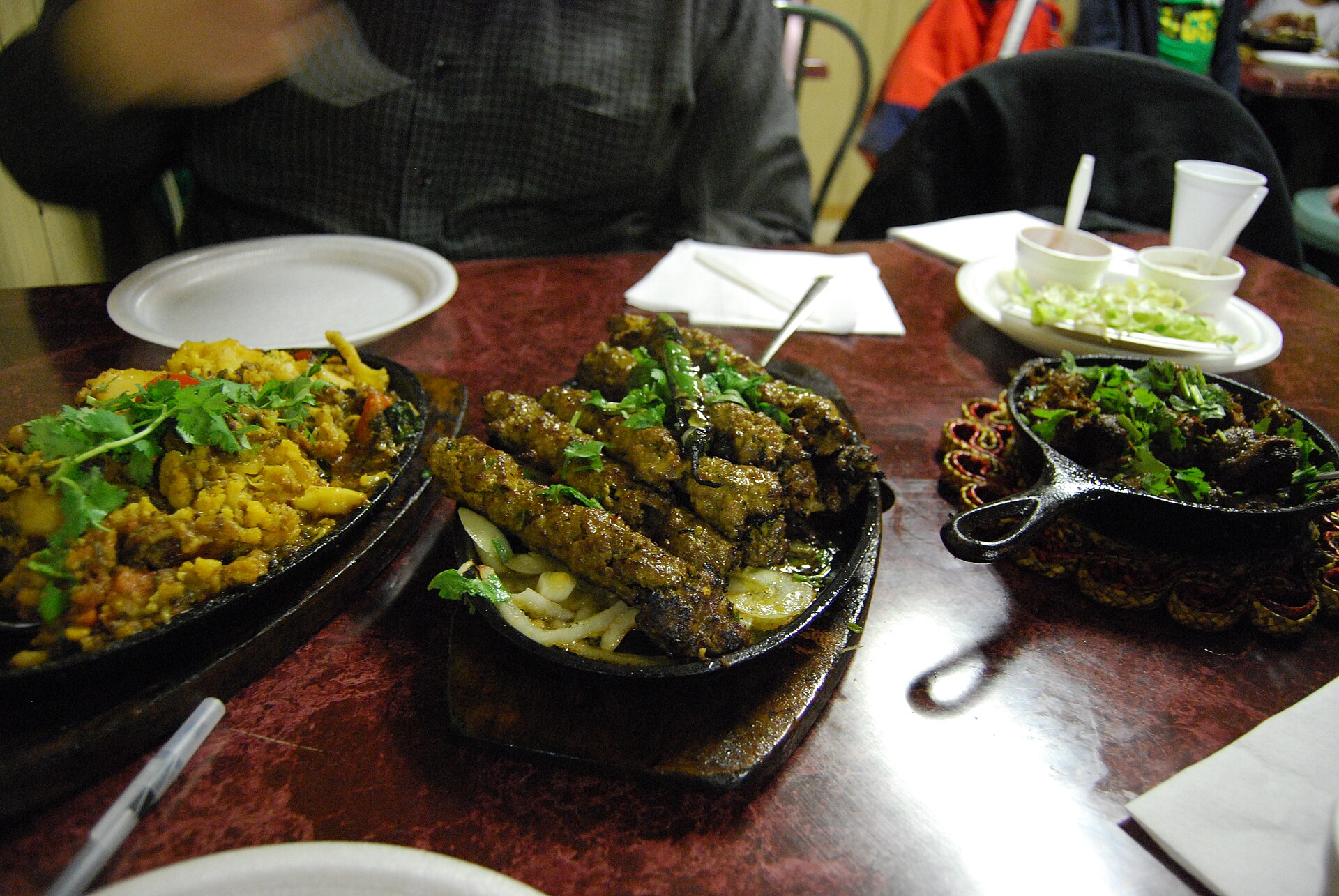
Halal butcher etiquette for a British Pakistani Eid table
Hassan Raza · 13 Sep 2026 · 4 min
Multani sohan halwa: how to buy it fresh and store it well
Hassan Raza · 13 Sep 2026 · 16 min
Peshawari namkeen gosht: what simplicity demands from the meat
Hassan Raza · 13 Sep 2026 · 15 min
Kashmiri harissa: a winter dish built on texture and patience
Hassan Raza · 13 Sep 2026 · 15 min
Balochi sajji at home: adapting a fire-cooked dish responsibly
Hassan Raza · 13 Sep 2026 · 15 min
Readers
The conversation
0 notes
Anyone can leave a note. Guests add a name and email — no account required, and the email is never published.
No notes yet. Yours would be the first.