Ramadan
The iftar rotation, without the TV cook
Dates, Rooh Afza, pakora oil, fruit chaat — who actually cooks the month, and why the television kitchen is not a household.
By Hassan Raza
Food editor
5 min read
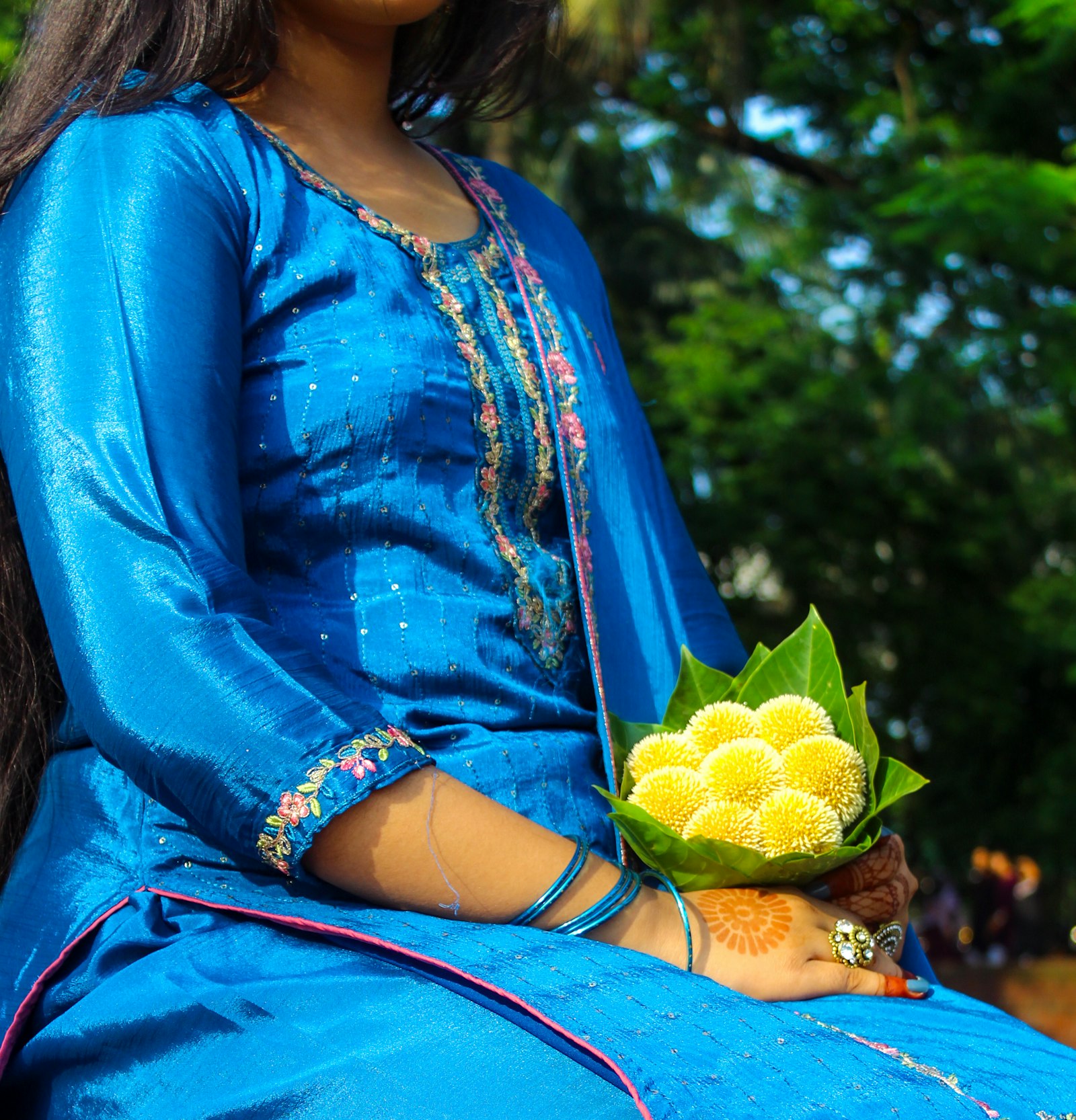
Ramadan television is a parade of new dishes. Ramadan houses are a rotation of the same ones. I spent last season asking kitchens in Karachi, Multan, and a Peshawar household in Islamabad who actually stood at the stove between asr and maghrib, and what they put down when nobody was filming. The overlap would bore a chef and save a family: dates, a cold drink that is usually Rooh Afza, something fried twice a week not seven, fruit chaat, a protein, bread, tea. The TV cook is a professional. The house cook is often a woman, sometimes a helper, occasionally a son who fries pakoras as a personality and then disappears. Name that, or the month will keep lying.
If I cooked what they cooked on TV I would not fast. I would collapse. The month is a rotation. The television is a channel.
— Asma, 47, who runs iftar in a Multan house for eleven people
Who is actually at the stove
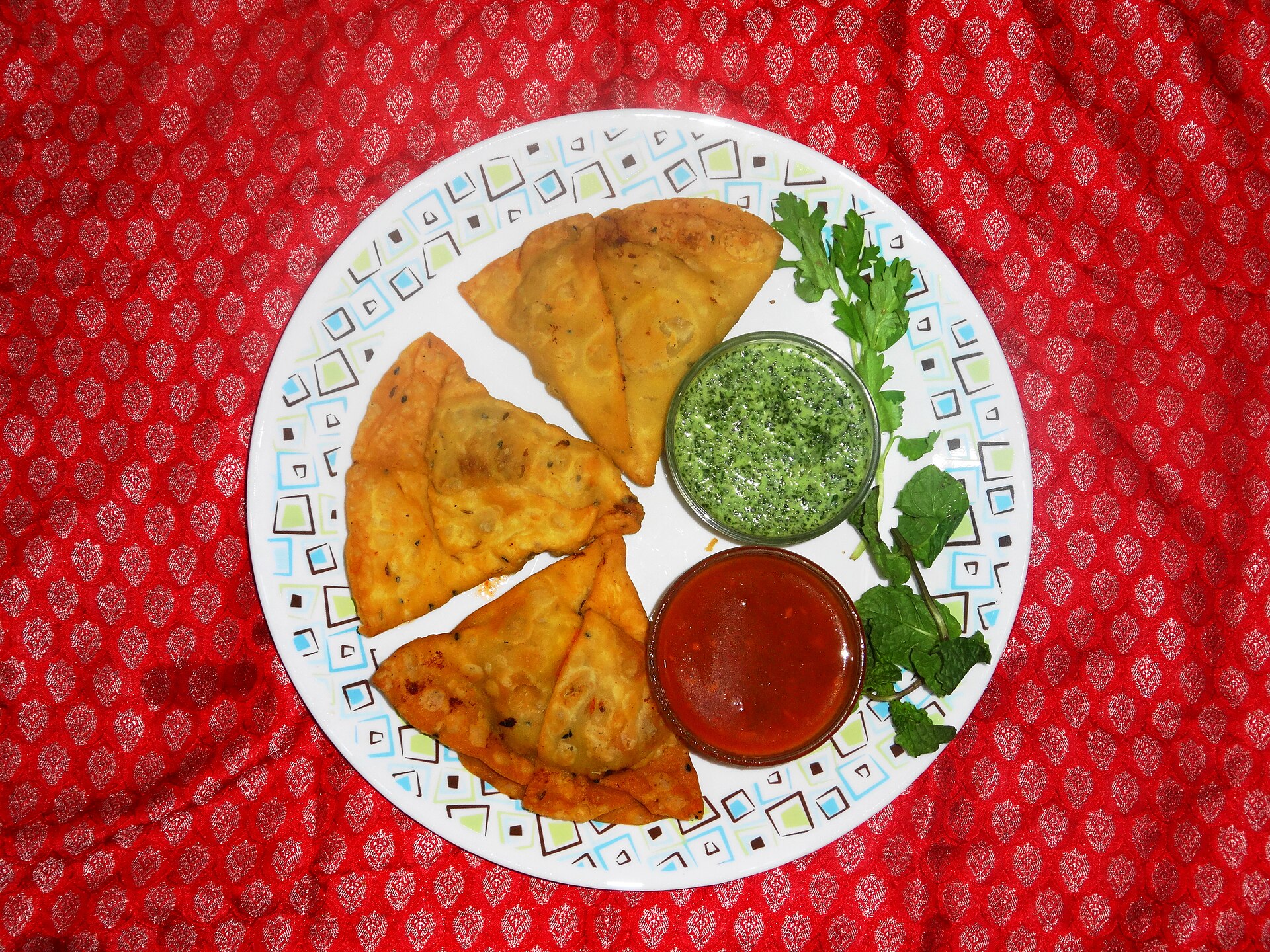
Asma in Multan cooks. Her daughters help after school. Her son makes fruit chaat on Fridays because he likes the pomegranate and wants credit. Her mother-in-law sits, tastes, and has a veto on salt. There is no television kitchen in that room, only a television, which is on, which is not the same thing. In a Karachi flat in PECHS, the helper, Naseem, fries the pakoras and the begum assembles the table, which is also cooking, which we pretend is not. In a bachelor mess in Karachi, four men order from a thaali shop and call it iftar. That is a rotation too. It is just outsourced. Honesty about labour is the beginning of an iftar that does not embitter the person who never sits.
If you never sit, the month is a second job with a maghrib deadline. Batch. Let one night be fruit, leftover gravy, Rooh Afza in water. I ate at Asma’s Wednesday table: dates, potato-onion pakoras, chana chaat, Sunday qorma, roti, a jug mixed like a drink. We prayed. We sat. Nobody plated with tweezers. That is the standard.
The drink is a bottle with a history
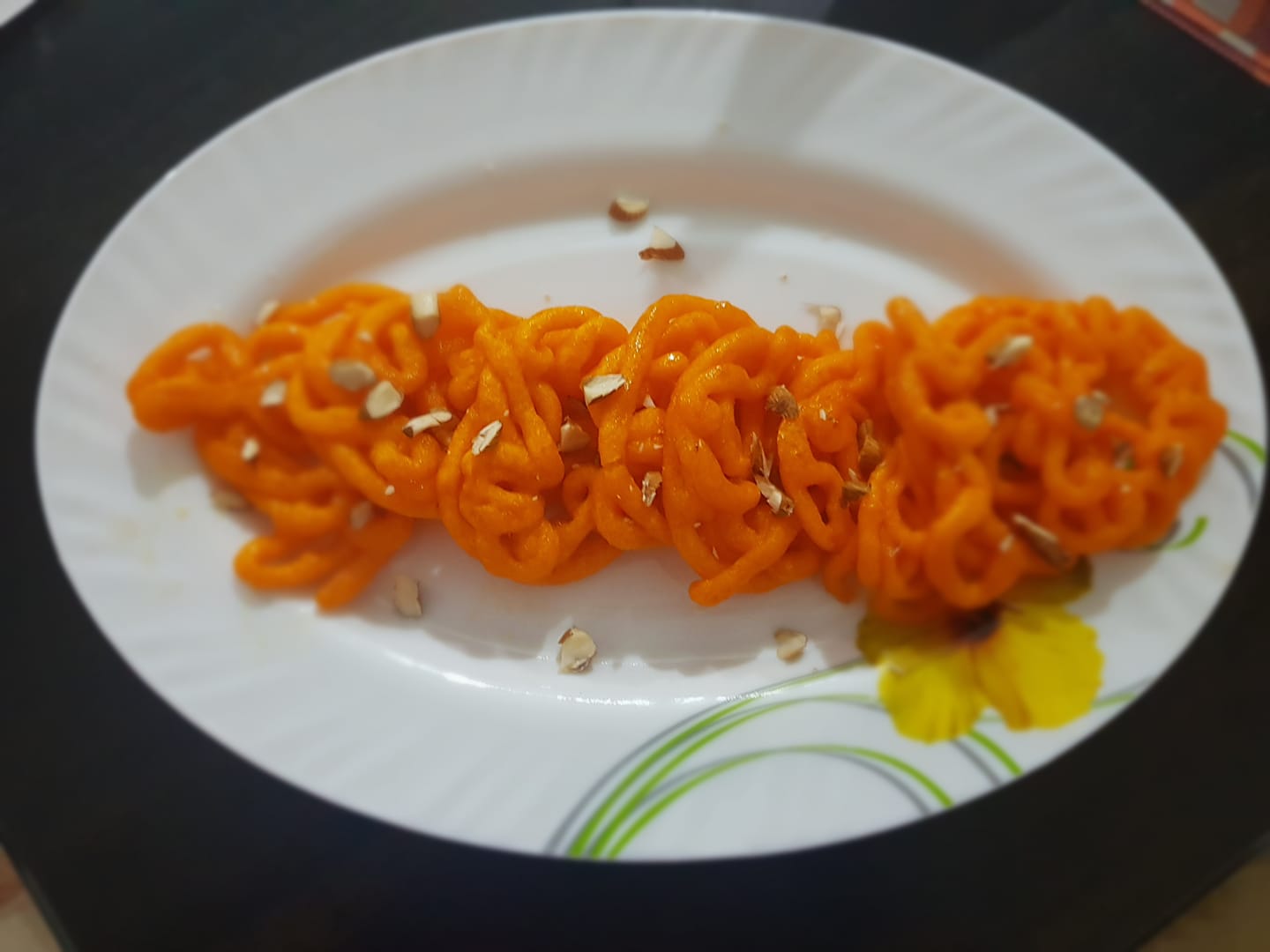
Hamdard’s Rooh Afza is the iftar jug: concentrate, cold water, lemon if the cook is kind. I prefer water. Milk makes a dessert before the pakora. Qarshi sits on the same shelf — jam-e-shirin in some fridges, another house loyalty. I drank Qarshi rose in a Karachi room that will not buy Hamdard out of an old argument. Fine. Cold. The point is liquid that says the fast is over, not a blender banana. Dates first, from the shop, not a stuffed monument. Then the jug. Then salt. Then the fried thing. Asma starts with dates already on the table. Follow Asma.
Pakora oil is a policy, not a vibe
Pakoras twice a week. Write it on the fridge. Naseem in PECHS fries Sunday and Wednesday. Towers film well; your kitchen is not a set. Palak, potato, onion — not a sponge of mixed mush. Drain. Change the oil or the month tastes like week three. Maghrib is a clock. Guests arrive in time to help or stay out of the karahi. The rotation has what is on, not “one more kind.”
Fruit chaat is the plate that does the most
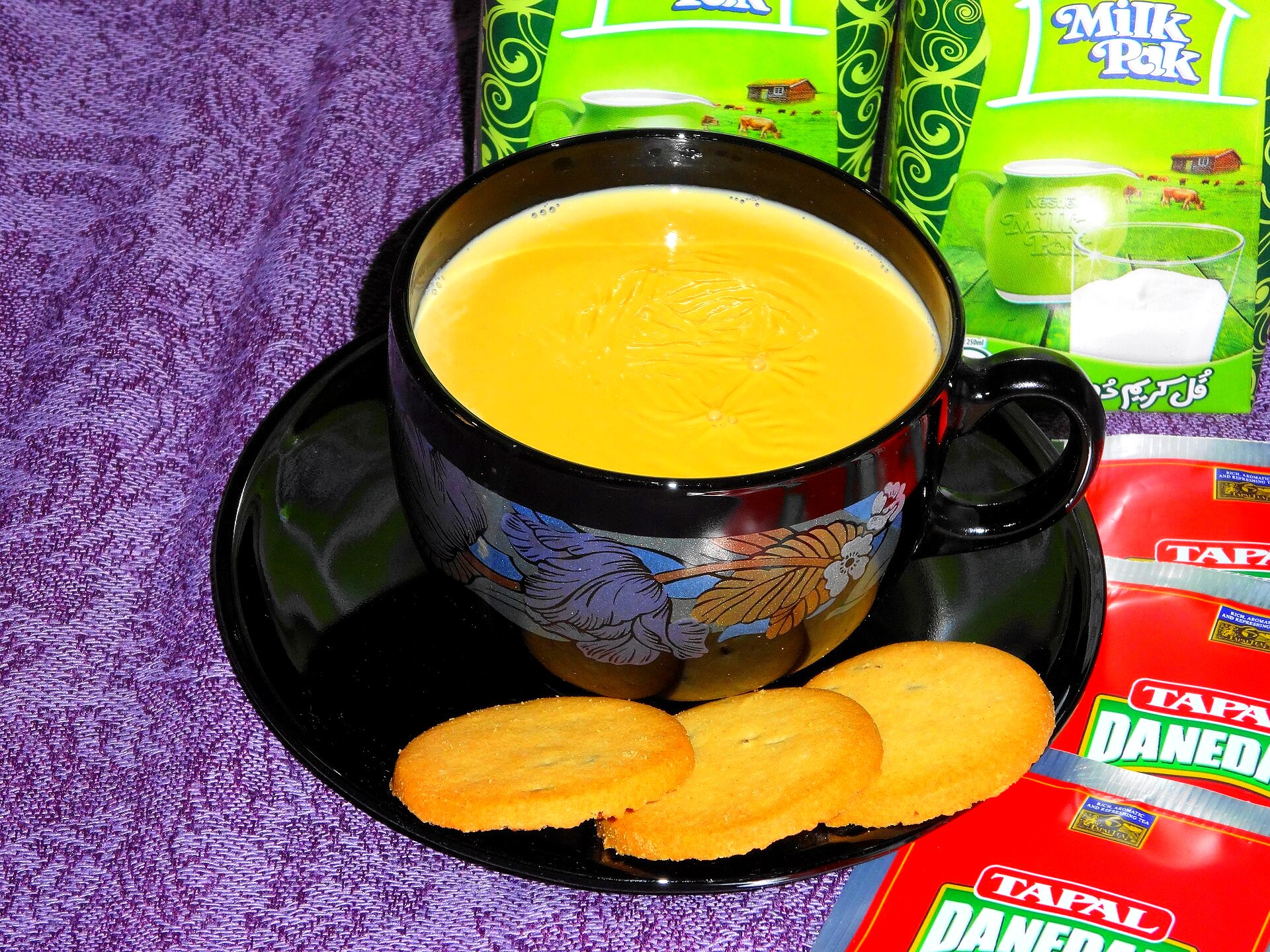
Fruit chaat: banana that has not gone grey, apple, guava, pomegranate when the price is not a joke, chaat masala, lemon. It wakes a fasted stomach without oil. Do not buy imported berries to prove a lifestyle. They taste like the airport. Multan’s heat makes fruit the more honest iftar. Copy Multan if your AC is a rumour. Protein most nights: eggs, chana, leftover qorma. A sweet already in the house. The bakery run every evening is a bill and a crash. A kitchen trying to be a channel ends in resentment. No sharbat covers that.
Sehri, guests, and the night the TV should lose
Sehri is where the rotation fails if you let it. Heavy fried dawn is a dare to the afternoon. Eggs, yoghurt, bread, salt, water. A paratha is allowed. A paratha plus last night’s pakoras plus a qorma plus tea as if tea were water is how you get a headache and a temper. Asma’s sehri is boring on purpose. The bachelor mess eats leftover biryani and then suffers, and then orders more at iftar. That is a closed loop of money and oil. Interrupt it.
Guests in Ramadan are a blessing that still need a roster. One extra dish, not five. They can eat the rotation. If they cannot, they are not fasting with you; they are booking a restaurant in your kitchen. Eid will be the spike: sheer khurma, a savoury that travels, the mithai box. Do not let Eid leak backwards into the twenty-nine days. The TV cook will leak on purpose. Turn the volume down. Pass the dates. Mix the Rooh Afza like a drink. Sit the person who cooked. That last instruction is the one this magazine will keep repeating until a kitchen somewhere actually does it before the guests.
- Dates first. Then liquid. Then salt. Then the rest.
- Rooh Afza or Qarshi: a jug, not a meal. Water over milk on a hot day.
- Pakoras twice a week. Change the oil.
- Fruit chaat from the market, not from an airport.
- The cook sits. If nobody sits, the rotation is a cruelty.
The iftar rotation is dates, a jug, fruit, a fried thing that knows its place, a protein, tea. Hamdard and Qarshi are bottles. The cook is a person. Let them sit. Turn the television down. The month is not a channel.
Keep reading
Related stories
More from this desk, this beat, and the tags on this piece.
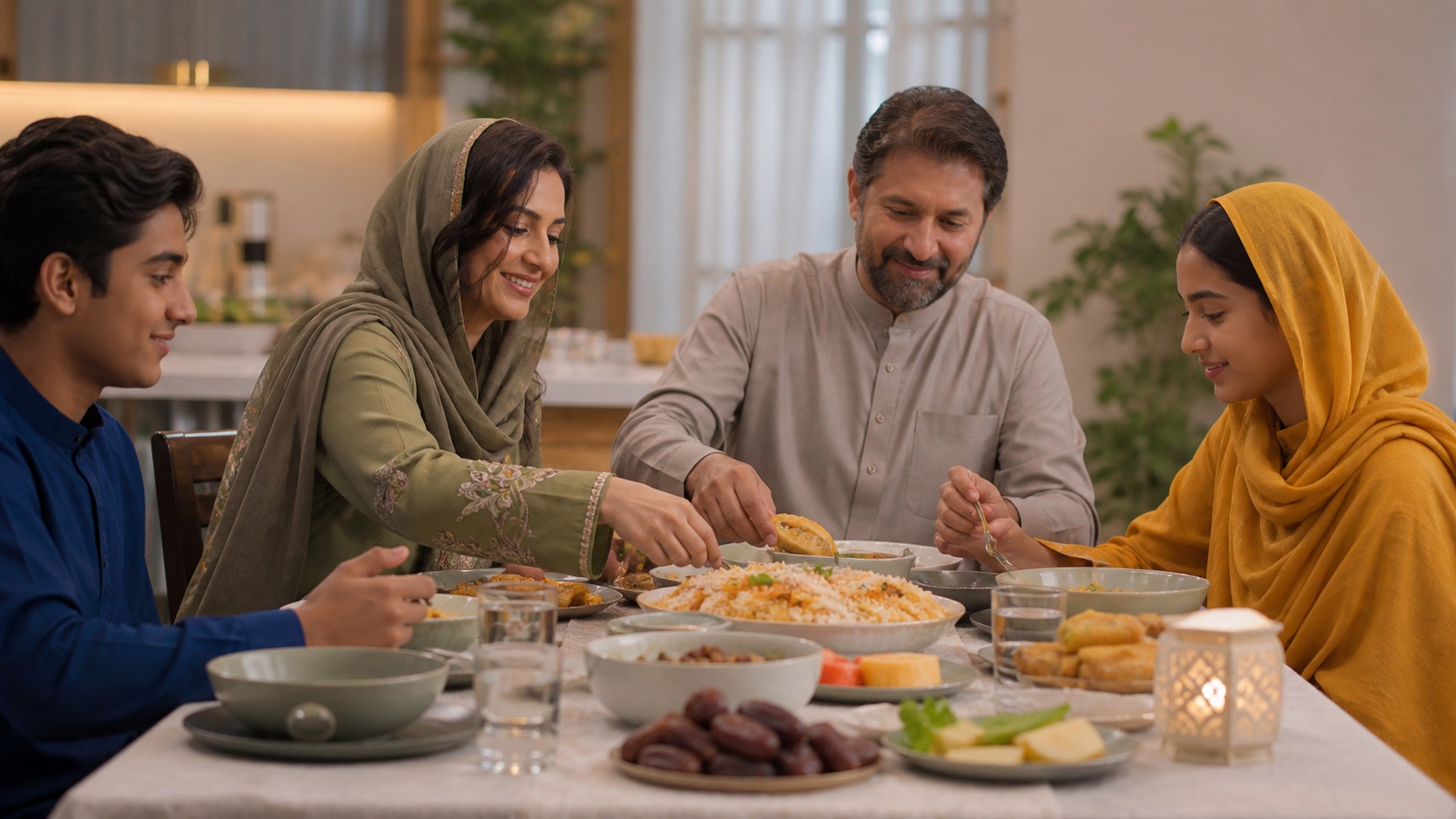
A Pakistani Ramadan meal plan that avoids daily exhaustion
Hassan Raza · 19 Jul 2026 · 2 min
Ramadan freezer prep: what freezes well and what does not
Hassan Raza · 13 Sep 2026 · 16 min
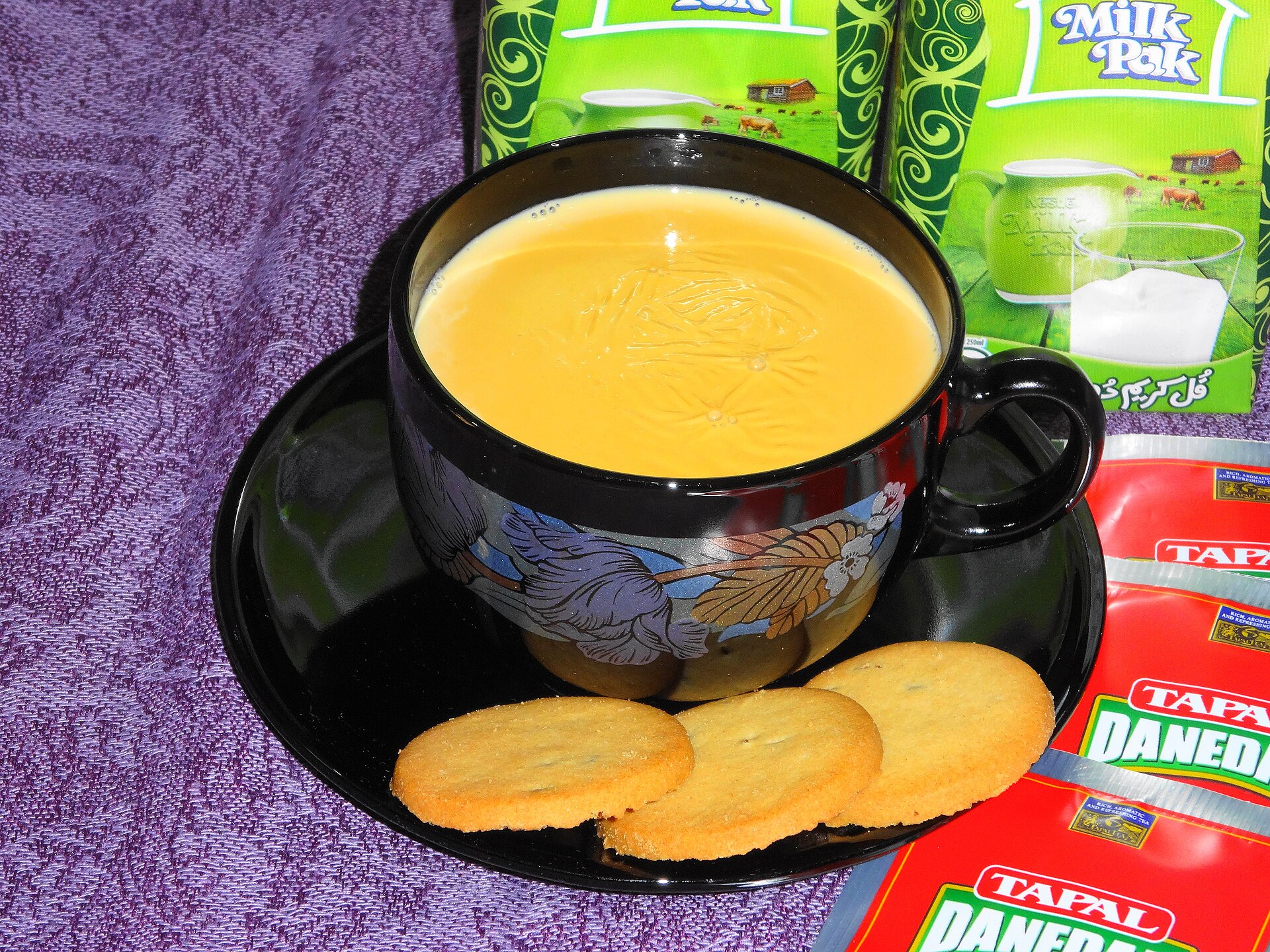
Family iftar timing when everyone comes home at a different hour
Hassan Raza · 13 Sep 2026 · 15 min
Readers
The conversation
0 notes
Anyone can leave a note. Guests add a name and email — no account required, and the email is never published.
No notes yet. Yours would be the first.