A contemporary lehenga, without the noise
Weight you can dance in, colour that survives harsh light, embroidery that does not shout the house’s name: a quieter bridal lehenga brief.
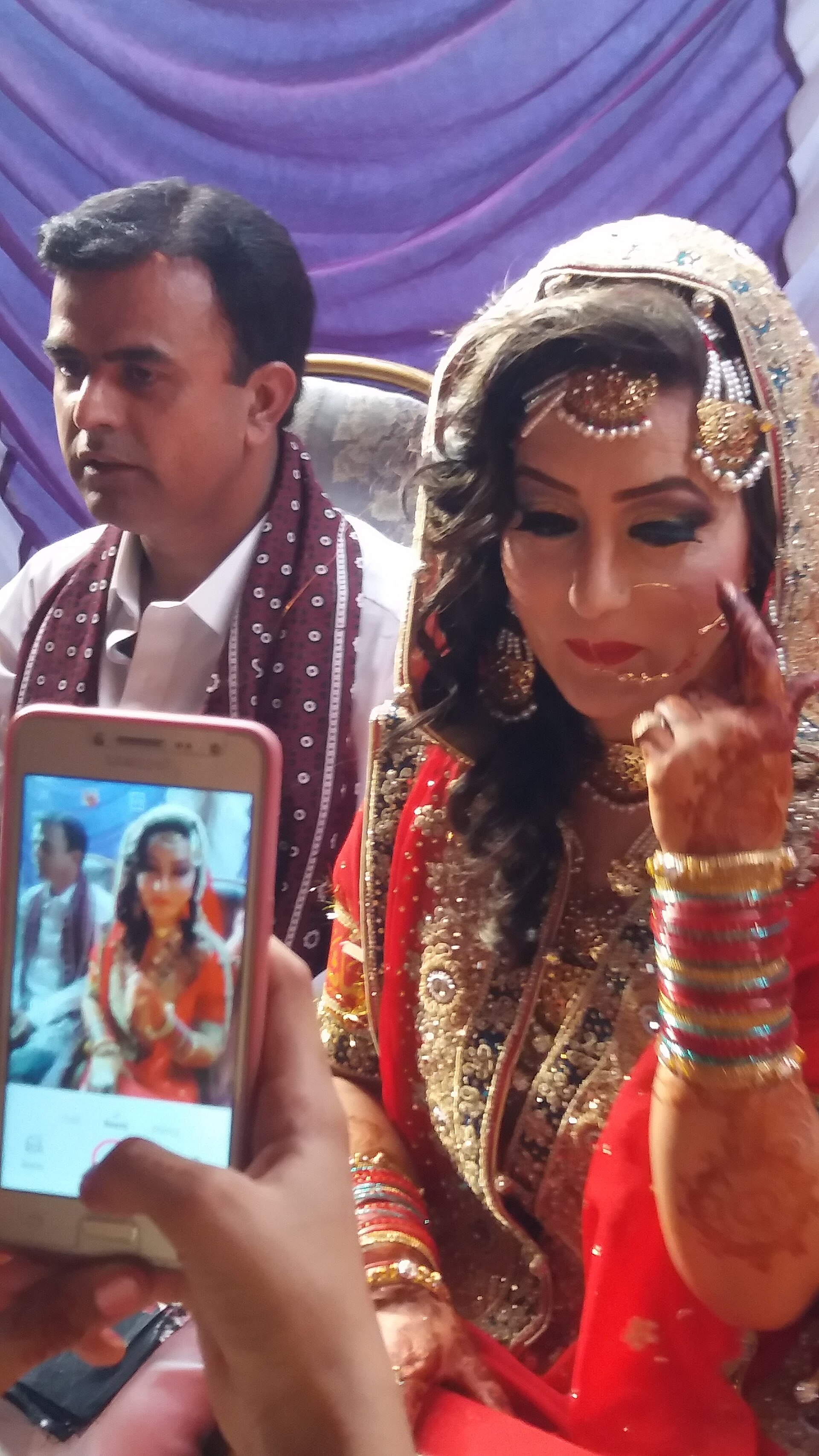
The lehenga that wins Instagram is rarely the one that survives a mehndi floor. Bridal weeks and campaign films taught maximalism: more motifs, more mirror work, more kilos on the hip. Meanwhile many brides in Lahore, Islamabad and Karachi are asking for a quieter brief—weight they can dance in, colour that photographs under harsh lights, and embroidery that does not shout the house’s name before it shows the person wearing it.
This is a buying and commissioning guide for a contemporary lehenga that still reads as bridal in Pakistani and diaspora contexts, without confusing “contemporary” with “cheap” or “incomplete.” PakStyles has not followed named brides through fittings for this article; the advice synthesises common fitting failures, construction realities and how commercial bridal weeks translate—or fail to translate—into wearable garments.
Start with weight, not with a motif
A lehenga that feels like armour in a mirror often dances like homework. Weight is not only fabric; it is embroidery density, can-can and underskirt engineering, blouse structure, dupatta border and the jewellery you still intend to wear. Ask for a total weight estimate and a movement test: sit, climb two steps, turn, raise arms, and dance for several minutes in the muslin or a toile if the house will allow it.
Many practical briefs land somewhere in a mid-weight range rather than at campaign extremes, but numbers vary by body, height and dance culture. The point is not a universal kilo target. The point is refusing a skirt that wins a photograph and loses the evening.
Colour that survives real light
Red remains a powerful bridal signal across many Pakistani communities, but it is not mandatory in every family, and “red” is not one dye. Test colour under daylight, warm indoor light and phone flash. Some pinks vanish; some maroons deaden; some ivories turn yellow on camera. Dupatta dye lots must match the skirt—ask to see them together, not in separate rooms.
If relatives want maximal red while you want quieter surfaces, negotiate placement: keep saturated colour in the skirt field and calm the blouse, or reverse the strategy. Contemporary often means controlled contrast, not absence of tradition.
Embroidery that knows when to stop
Dense zardozi and mirror work can be exquisite and still wrong for your night if every square inch competes. Ask what will snag on jewellery, what will catch on car seats, and what will look muddy at a distance. A clean field with concentrated work at hem, waist or blouse often photographs more clearly than total coverage, especially in crowded halls.
Reverse the garment. Embroidery that looks rich on the face and chaotic on the reverse may itch, catch and fail cleaning. Ask about cleaning method before you fall in love with a finish that cannot be maintained after the walima.
Silhouette choices with consequences
A-line, circular and mermaid-adjacent lehengas create different walking and sitting behaviours. Circular volume needs management in narrow home corridors. Mermaid shapes can fight floor seating and energetic dance. An A-line with a thoughtful petticoat often offers the best compromise for mixed venues—home rukhsati, hall mehndi, outdoor photographs.
Lengha versus gharara versus sharara is not only aesthetics. Flared trouser forms change how you climb steps and how jewellery sits at the ankle. If you are open to alternatives, decide based on movement and family dress codes, not only on what dominated last season’s bridal week reels.
| Decision | Questions to ask | Failure mode |
|---|---|---|
| Weight | Can I dance for ten minutes? Can I sit for dinner? | Beautiful static fitting, miserable event |
| Blouse | Can I raise arms? Are fastenings secure without emergency sewing? | 1am alterations, constant adjustment |
| Dupatta | How is it anchored? Can it survive hugs and wind? | Continuous pinning theatre |
| Timeline | Muslin date, final date, alteration buffer before travel? | Airport panic, unpaid finishing |
Bridal week versus the garment you buy
Fashion weeks and bridal showcases—historically linked to industry platforms such as PFDC and, more recently, runway-to-retail experiments involving retailers like LAAM—are research theatres. A hero lehenga under rented lights may be unsellable at the weight shown, or available only as a calmer ready-to-wear echo. Shop what ships. Love the photograph as a photograph.
When a designer claims a look is available, verify lead times, deposit terms, what happens if measurements change, and whether the embroidery hand you saw will be the embroidery hand you receive. Inclusion of any house in press coverage is not a PakStyles endorsement; compare finishing, contracts and alteration policies yourself.
Diaspora fittings and travel
If you are flying into Lahore or Karachi for fittings, build buffers for swelling, weight change and jet lag. Bring the undergarments and shoes you will wear. Photograph measurements with the cutter present. For UK or US alterations after travel, confirm who is responsible for seams that cannot be opened without destroying work.
Customs, airline garment bags and monsoon humidity all damage poorly packed embroidery. Ask the house for packing guidance. Do not invent waterproofing methods that trap moisture against metal thread.
- Write a one-sentence brief: colour, weight, dance, family non-negotiables.
- Demand movement tests, not only mirror tests.
- Match jewellery scale to embroidery density so your face remains visible.
- Schedule a final wear-through including bathroom and car logistics.
- Keep a calm backup blouse strategy if the primary blouse is structurally ambitious.
A quiet lehenga is not a lesser lehenga. It is one that lets the person wearing it remain the subject of the day. Maximalism still has a place when it is chosen deliberately and engineered for the body that must carry it. The contemporary task is refusing noise that exists only to prove the house was busy.
For visual literacy while researching, follow reputable fashion reporting on Dawn Images, then return to your own muslin: the only runway that matters on the day is the one between the car and the mehndi floor.
Undergarments and shapewear without shame
Bring the actual undergarments to fittings. Bridal blouses fail when the bra line was imaginary. Shapewear can smooth and also change breath and dance stamina; test it for longer than a fitting-room minute. If a blouse depends on invisible tape as structural engineering, redesign the blouse.
Skin finish, jewellery and blouse edges interact. A heavily embroidered neckline next to a heavy necklace can erase your face in photographs. Decide which of the two is primary before the final embroidery pass.
Mehndi, barat and walima are not one garment problem
Some brides want one heroic lehenga; others wisely split the load across events. A lighter mehndi outfit can preserve energy for a heavier barat skirt—or the reverse, depending on which event involves more dancing in your family. Contemporary dressing includes the courage to refuse a single garment that tries to win every night and therefore wins none comfortably.
If relatives gift a heavily worked piece you will not wear as intended, negotiate reuse: blouse swap, skirt restyle after the wedding, or a future formal. Do not destroy family peace to force an unwearable object into the primary slot if another outfit already fits the brief.
Photography versus memory
Photographers love reflective surfaces and wide skirts. Your memory will love being able to hug people and eat. Tell the photographer your movement priorities so they do not stage only static architectural poses. A contemporary lehenga should still look like clothing when the frame includes a real laugh.
For guest outfits adjacent to bridal wear—sisters, close friends—apply a milder version of the same rules: weight, climate, dance, and not competing with the bride’s silhouette. Pakistani wedding dressing is a system, not a solo portrait.
Contracts and deposits
Write down delivery dates, what “finished” means, who pays for courier, and what happens if embroidery is delayed. Bridal weeks create bottlenecks; your private timeline is not the house’s marketing calendar. If a designer is also showing, ask whether your order shares artisans with the show pieces.
When buying through a digital retailer, verify whether the piece is stitched, unstitched, made to order, or warehouse stock. Those are different products. Return policies for embellished bridalwear are often narrow for good reason—read them before emotional commitment.
Fabric families and season
Raw silk, tissue, net, chiffon and velvet each impose different engineering. Net needs lining strategies that do not cling in heat. Velvet can look royal and also trap warmth in packed halls. Tissue photographs like light itself and snags like a rumour. Ask the house which fabric they recommend for your month and venue, and why—not only which fabric is trending in their lookbook.
Unstitched bridal buys require a trusted karigar. The most beautiful embroidery panel still fails if the blouse pattern is wrong. Budget for stitching as part of the garment, not as an afterthought bargain.
If a salesperson uses the word contemporary only to mean muted colour, ask about weight and movement next. Colour was never the hard part. Engineering is.
Sources and official profiles
Filed under
Was this helpful?
Keep reading
Related stories
More from this desk, this beat, and the tags on this piece.
Readers
The conversation
0 notes
Anyone can leave a note. Guests add a name and email — no account required, and the email is never published.
No notes yet. Yours would be the first.