What to wear while travelling in Pakistan
A context-aware packing guide for Pakistani cities, villages, mosques, mountain roads and intense seasonal weather.
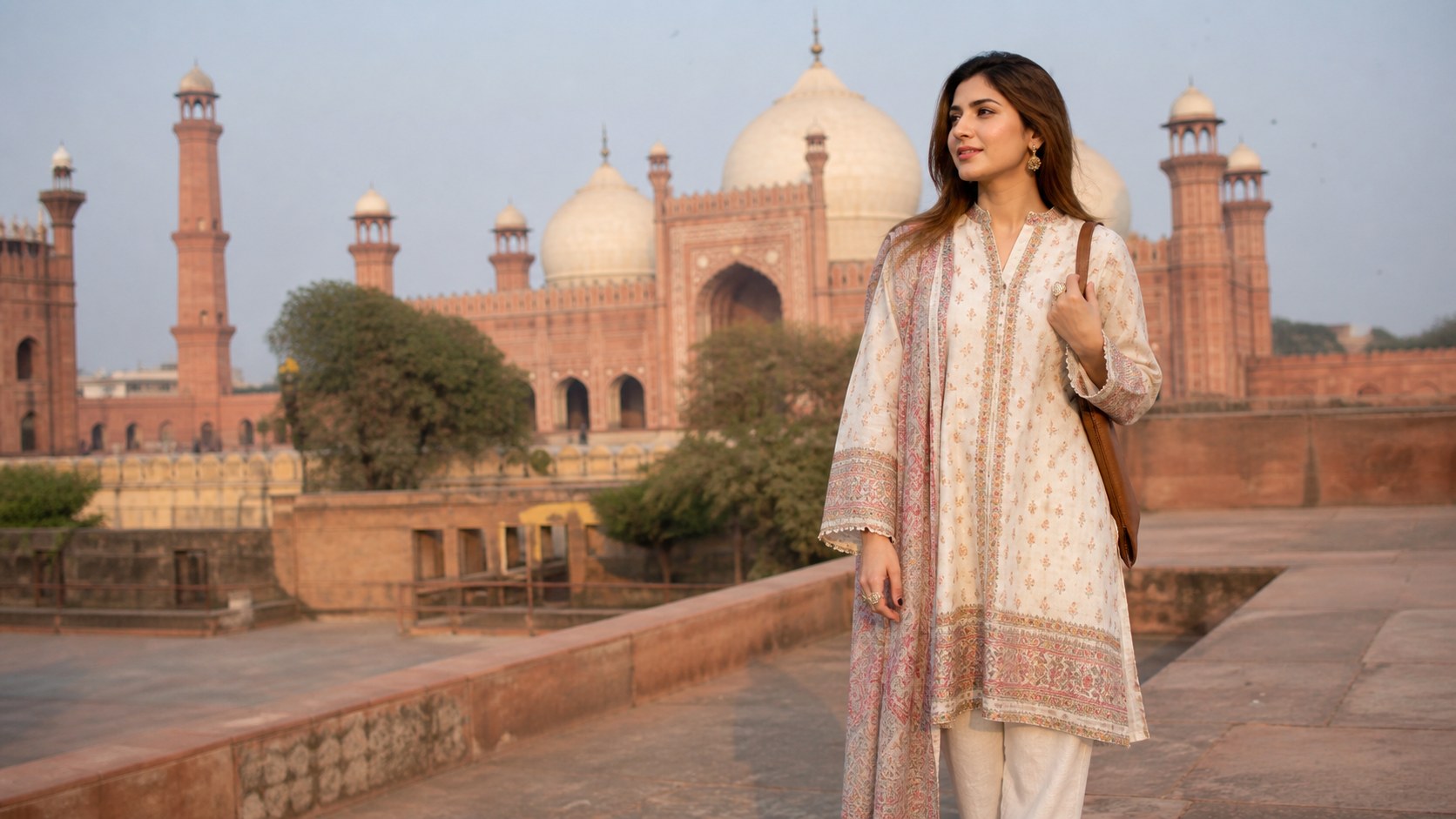
Pakistan does not have one travel dress code. Karachi humidity, Lahore winter fog and a cold evening above Hunza do not share a wardrobe. Pack for the route you are actually taking. Then add a small margin for hospitality: the unplanned mosque visit, family dinner or village stop where clean, adaptable clothes make the day easier.
A city day needs ordinary competence
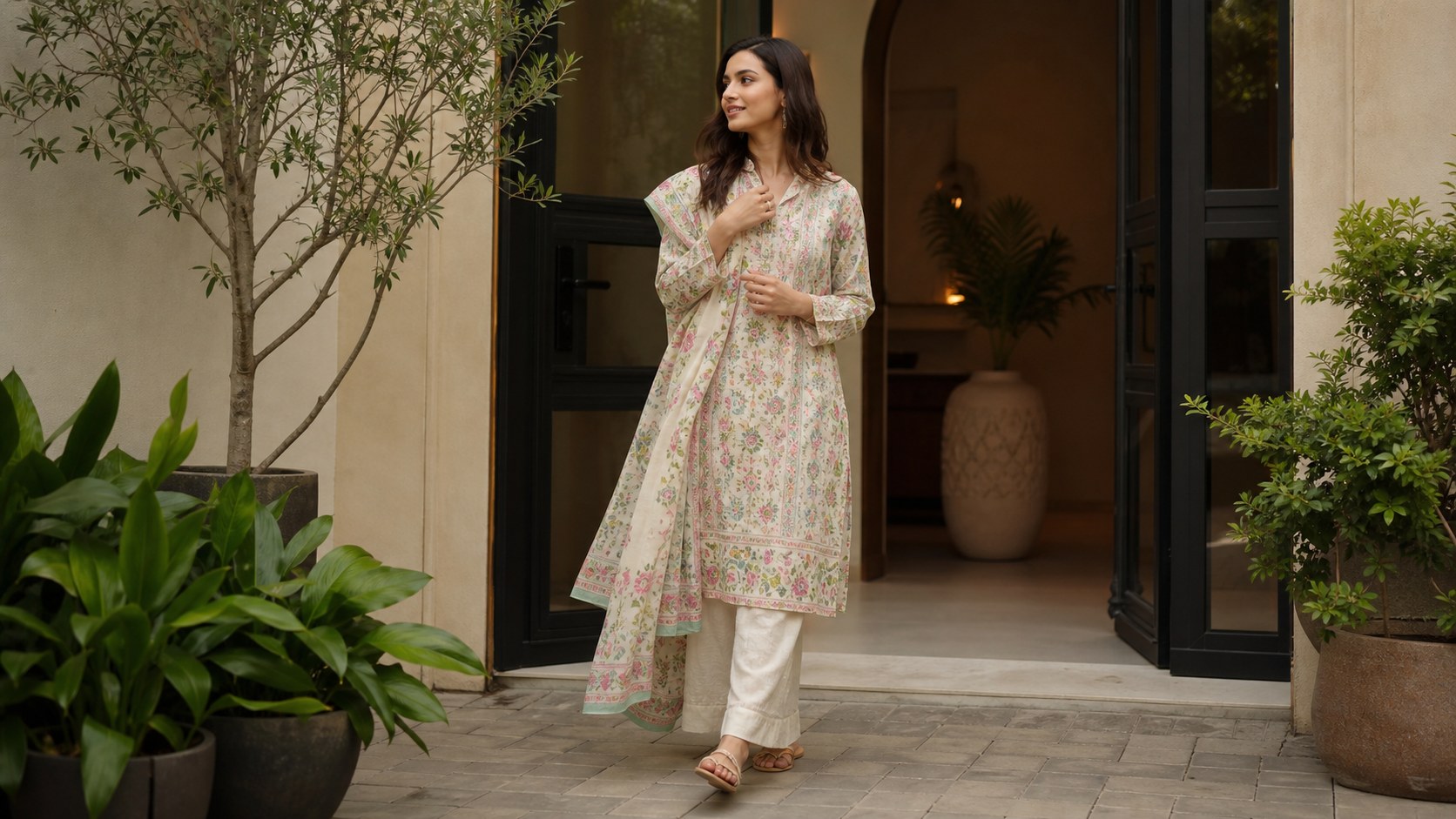
In major cities, a loose kurta with trousers, a long shirt over jeans or another comfortable outfit with considered coverage usually travels well. Choose a neckline and side slits that remain settled when entering a car, climbing stairs or sitting on the floor. Carry a light dupatta or scarf if you use one for sun, dust, prayer or personal comfort; it is a tool, not evidence that every woman must dress identically.
Mountains punish decorative optimism
For northern routes, use layers: a breathable base, warm mid-layer and weather-resistant outer shell. Roadside viewpoints can be windy even when the valley is sunny. Closed shoes need grip and room for swelling. A fashion trainer is not a hiking shoe simply because it appears beside a mountain in a photograph.
| Place | Pack within reach |
|---|---|
| Mosque or shrine | Clean scarf where appropriate, easy shoes, coverage suitable to local rules |
| Long road day | Loose waist, warm layer, socks and clothing that handles basic toilets |
| Hot city | Breathable washable fabric, sun protection and a change after heavy perspiration |
| Family home | One polished outfit that does not require ironing infrastructure |
- Pack two or three tops for each lower rather than complete single-use looks.
- Use a laundry bag that allows damp clothes to breathe until they can be washed.
- Keep one outfit free of hiking dust for dinners, visits and the return journey.
- Ask before photographing people, especially in places of worship and private communities.
Check the forecast shortly before departure and keep medicine, identification and one warm layer in hand luggage. The best travel clothes let you repeat pieces, wash them simply and pay attention to the place rather than continuously negotiating your outfit.
Context beats a single “Pakistan outfit”
What to wear depends on city versus small town, mosque versus restaurant, mountain road versus humid coast, and whether you are a guest in a family home. Pack modest defaults—covered shoulders and legs you can layer up or down—then adjust. A light scarf is useful more often than a decorative one. You do not need a costume of authenticity; you need clothes that let you sit, greet, climb stairs and remove shoes without fuss.
Mosque visits usually require covered arms and legs and socks for shoe removal. Some sites are stricter than others; when unsure, choose the more covered option. Trail clothes and mosque clothes are rarely the same outfit—plan a change rather than improvising with a sweaty shirt in a car park.
Climate layers and practical footwear
Hot seasons demand breathable fabrics and sun sense; read practical heat guidance such as CDC extreme heat prevention and WHO’s heat and health framing for why heat is not merely discomfort. Mountain evenings cool quickly; carry a layer even after a hot afternoon. Monsoon damp changes shoe choice; polished soles on wet marble are a hazard.
Footwear should handle heritage walking and family home floors. A smart sandal or trainer you can walk in beats a ceremonial shoe that lasts twenty minutes. Laundry access varies; pack enough modest rotations to avoid daily panic washing. Respectable dress is partly about not making your hosts manage your wardrobe crisis.
Specificity is the difference between a trip that teaches you the country and a trip that only proves you can endure movement. Use this guide as a decision framework, then let local conditions and current official advice edit your courage into something sustainable.
A packing list organised by job, not by aesthetic
- Two or three breathable modest day outfits that can layer
- One slightly smarter outfit for dinners or family visits
- Light scarf or dupatta for sun, air-conditioning and mosque readiness
- Socks dedicated to shoe-removal settings
- Compact layer for evenings and hill roads
- Rain shell in monsoon seasons
- Walking shoes plus one simpler pair for homes
- Swim or sports clothes only if your itinerary truly needs them, and kept private in conservative contexts
Men and women both benefit from modest defaults in many settings; local norms still vary by place and class. Watch what peers wear and adjust without theatrical anxiety. Hosts may loan a scarf or advise; accept help graciously. Avoid slogans or images on clothing that could cause unnecessary trouble.
Laundry, fabrics and the heat problem
Synthetics that trap odour make travel harder; natural fibres or technical blends you already know can help. Test opacity in sunlight before you rely on a garment. Hot weather is a health issue as well as a comfort issue—see CDC extreme heat prevention and WHO heat and health. Light colours, sun coverage and hydration matter more than looking “vacation ready.”
Read FCDO advice for any region-specific notes that affect movement, then dress for the places you will actually enter. The goal is to forget your clothes because they are doing their job: letting you walk, sit, pray if you wish, eat, and greet people without becoming the problem the room has to manage.
Region and season sketches
Punjab cities in heat: breathable modest separates, sun coverage, easy shoes, scarf for sudden mosque stops, and acceptance that you may change midday. Karachi humidity: fabrics that dry, opacity checks, and a layer for aggressive air-conditioning. Islamabad evenings: a light jacket even after warm afternoons. Northern valleys: genuine layering system—base, mid, shell—plus modest clothes for villages that are not trail fashion shows.
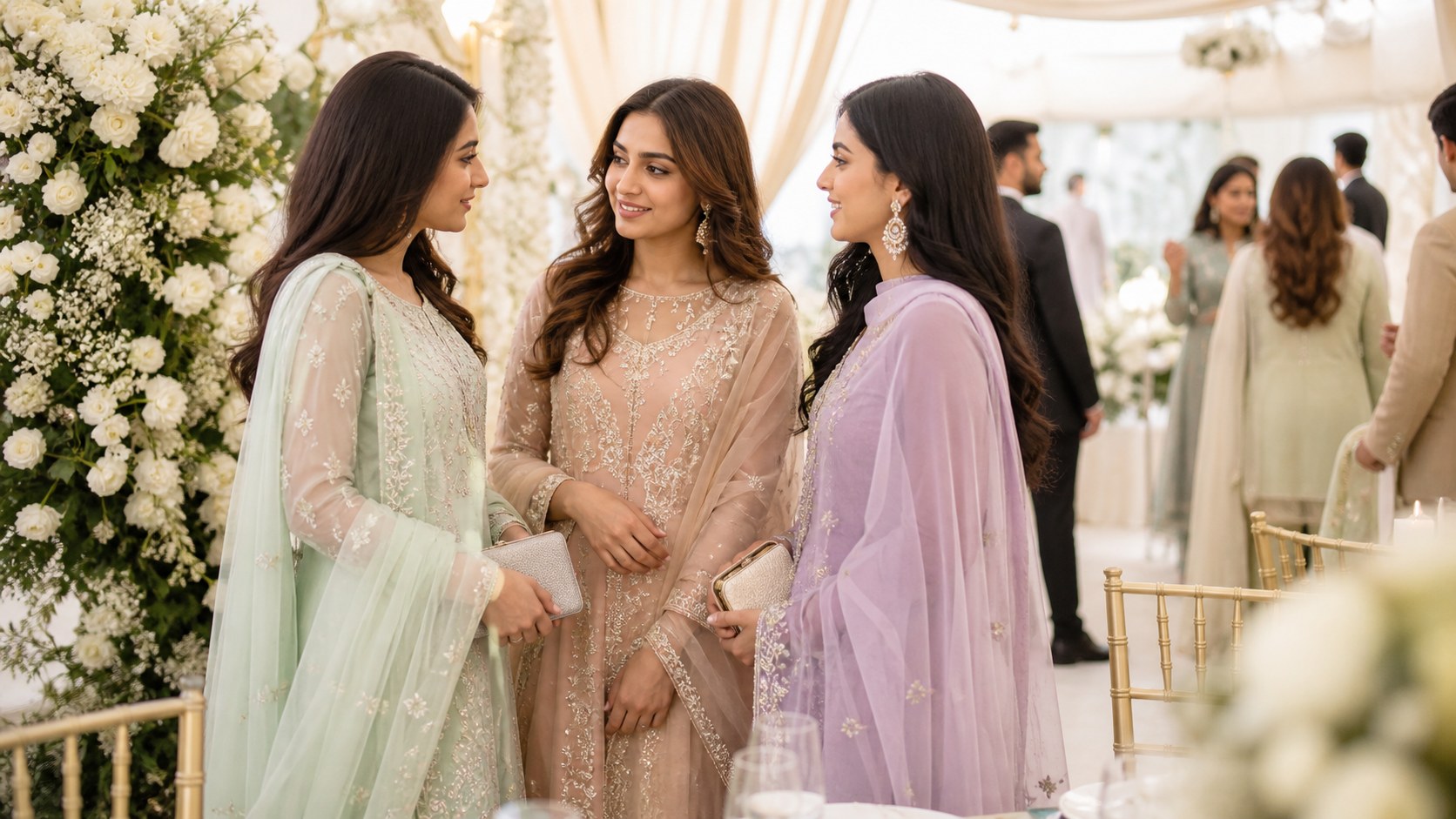
Wedding guest days inside a travel trip need their own capsule: one outfit that can sit for hours, shoes you can stand in, and a plan for jewellery security. Do not let ceremonial clothes colonise the entire suitcase at the expense of walking clothes you will need for five other days.
Social signals without paranoia
Clothing communicates respect in many Pakistani settings, but paranoia helps nobody. Watch, adjust, ask a host quietly if unsure. Avoid debating strangers about their choices. Avoid treating rural dress as costume opportunity. Avoid athletic compression gear as everyday city wear if it draws attention you do not want. Dress so your behaviour and speech carry more information about you than your neckline or slogan tee.
When you get it wrong—too cold, too formal, too informal—change at the hotel and move on. The country is not grading you. It is living. Your clothes should help you live in it for a while without friction.
Modesty as comfort engineering
Think of coverage as engineering for stairs, floor seating, wind and stares you may not want. Loose trousers or long skirts that allow movement beat tight garments that demand constant adjustment. Long sleeves can be rolled when privacy allows. A cardigan or light jacket solves many indoor air-conditioning and evening problems without a wardrobe change.
For mixed groups, align expectations before packing: what the most conservative day on the itinerary requires, and what the most casual day allows. Pack to the conservative day for shared outer layers, then simplify privately. That approach prevents one person’s beachwear logic from colliding with another person’s mosque morning.
Finally, leave space in the suitcase. You may buy a shawl, a kurta or shoes that fit the trip better than what you brought. Clothing acquired in place often solves problems packing lists only guess at. Travel dress succeeds when it disappears into the day.
Airport-to-home arrival outfits deserve thought: something modest enough for a family welcome, comfortable enough after a long flight, and warm enough for surprising air-conditioning or hill evening air if you connect onward the same day. Keep that outfit in the cabin bag. Many travellers pack destination clothes carefully and arrive in a travel uniform that makes the first hugs awkward; avoid that small needless friction.
If you are gender-diverse, queer, or otherwise likely to be read against local norms, plan clothing with hosts you trust and read current advisory context for the areas you will visit. Safety and dignity both matter; this guide cannot substitute for personal risk assessment. Choose garments that reduce unwanted attention when that is your goal, and build private space into the itinerary where you can dress for yourself.
What to wear while travelling in Pakistan is finally a question about movement and respect. Answer it with layers, opacity, walking shoes and context—and with enough spare capacity in the suitcase for the scarf or kurta that will solve a problem you have not met yet.
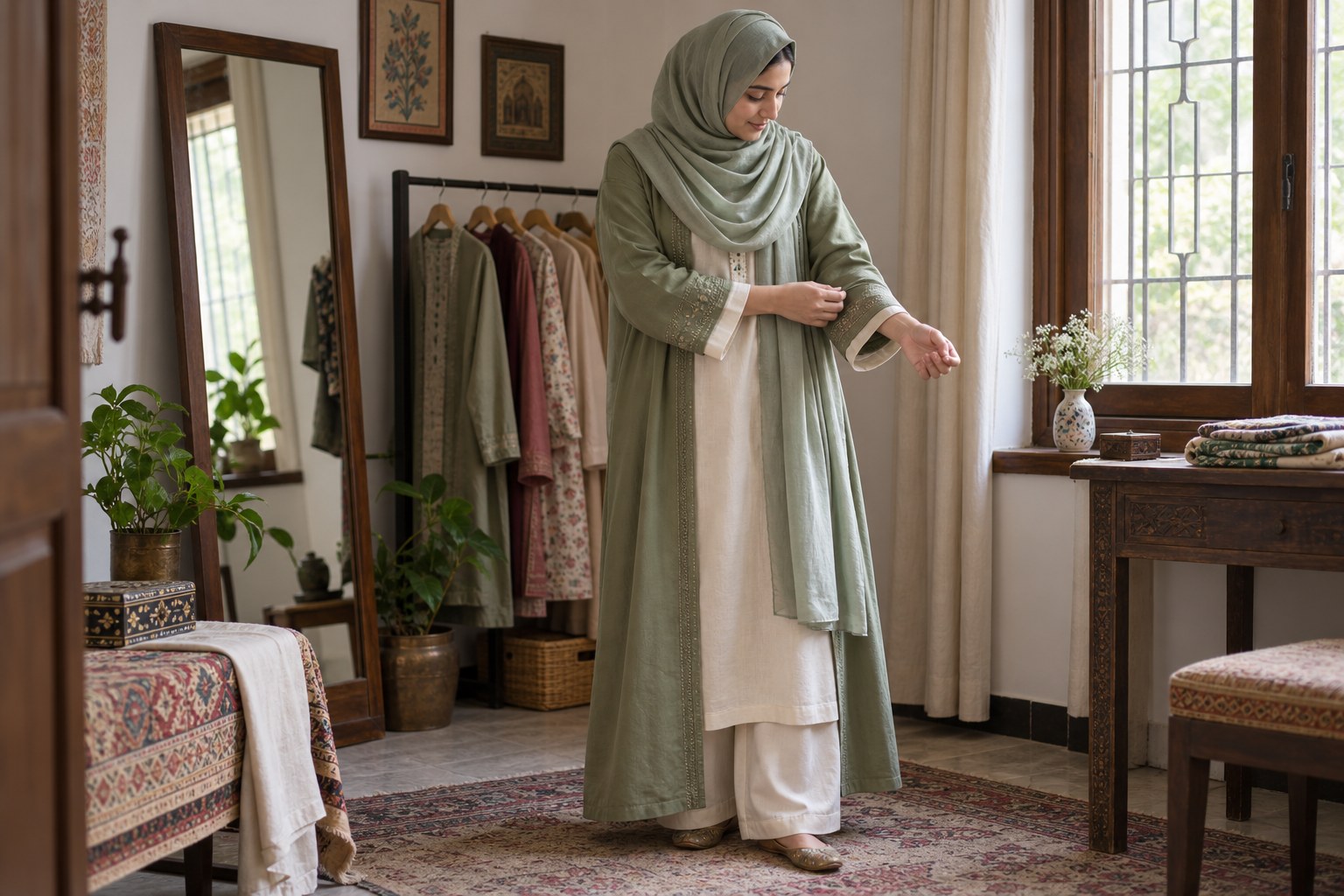
One last test before you zip the suitcase: put on the most modest day outfit and climb a flight of stairs, sit on the floor, and raise your arms as if adjusting a scarf. If anything rides up, gapes or bites, leave it at home. Clothes that fail a hallway test will fail Pakistan’s real days harder. Pack what passes.
Sources and official profiles
Filed under
Was this helpful?
Keep reading
Related stories
More from this desk, this beat, and the tags on this piece.
Pakistani plus-size occasionwear: fit questions shops should answer
Ayesha Khan · 31 Jan 2026
Readers
The conversation
0 notes
Anyone can leave a note. Guests add a name and email — no account required, and the email is never published.
No notes yet. Yours would be the first.