What to wear to a Pakistani walima as a guest
A reception-focused guide to choosing formality, fabric and comfort for a Pakistani walima without dressing by cliché.
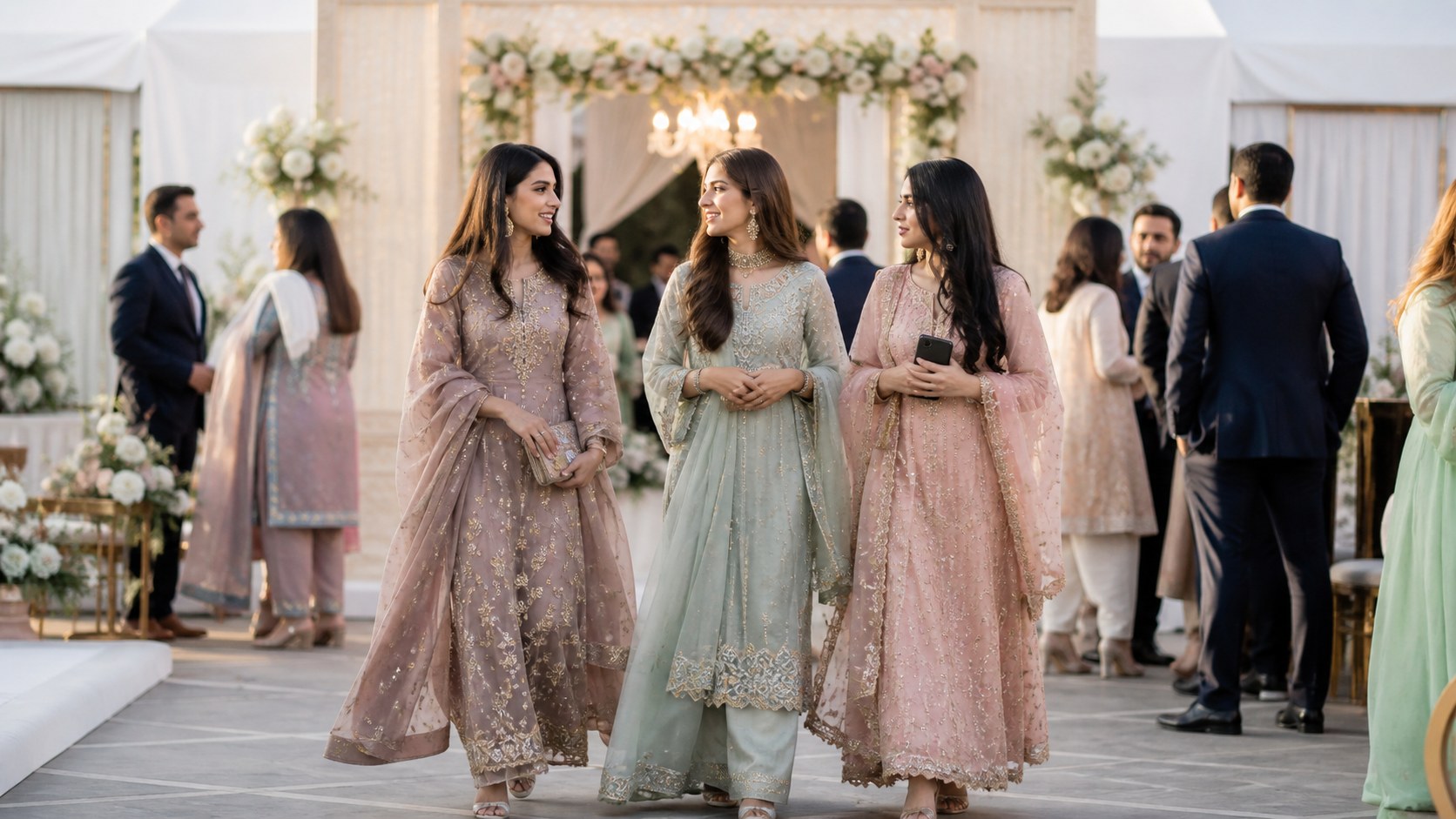
A walima is a reception, but receptions do not all speak at the same volume. A lunch in a bright restaurant asks something different from a ballroom entrance after dark. Read the venue, start time and wording together before deciding that “walima” automatically means silver, pastel or maximum embellishment.
The word names a celebration hosted after the marriage; it does not fix a single dress code. Some walimas feel like formal dinners. Others feel like the most glamorous night of the wedding. Your job as a guest is to match the room’s energy without turning yourself into a competing bridal entrance.
Daylight lunch versus evening ballroom
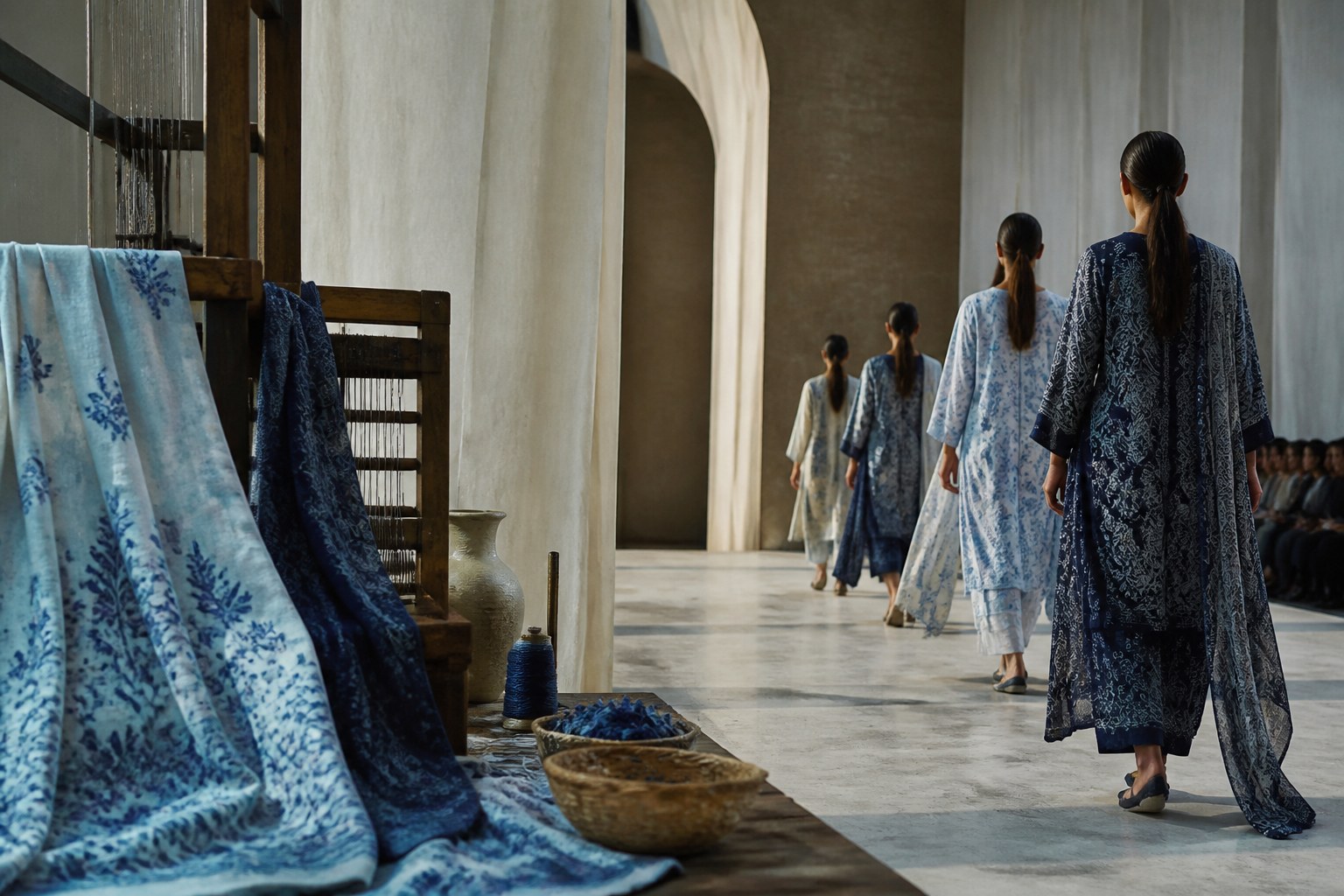
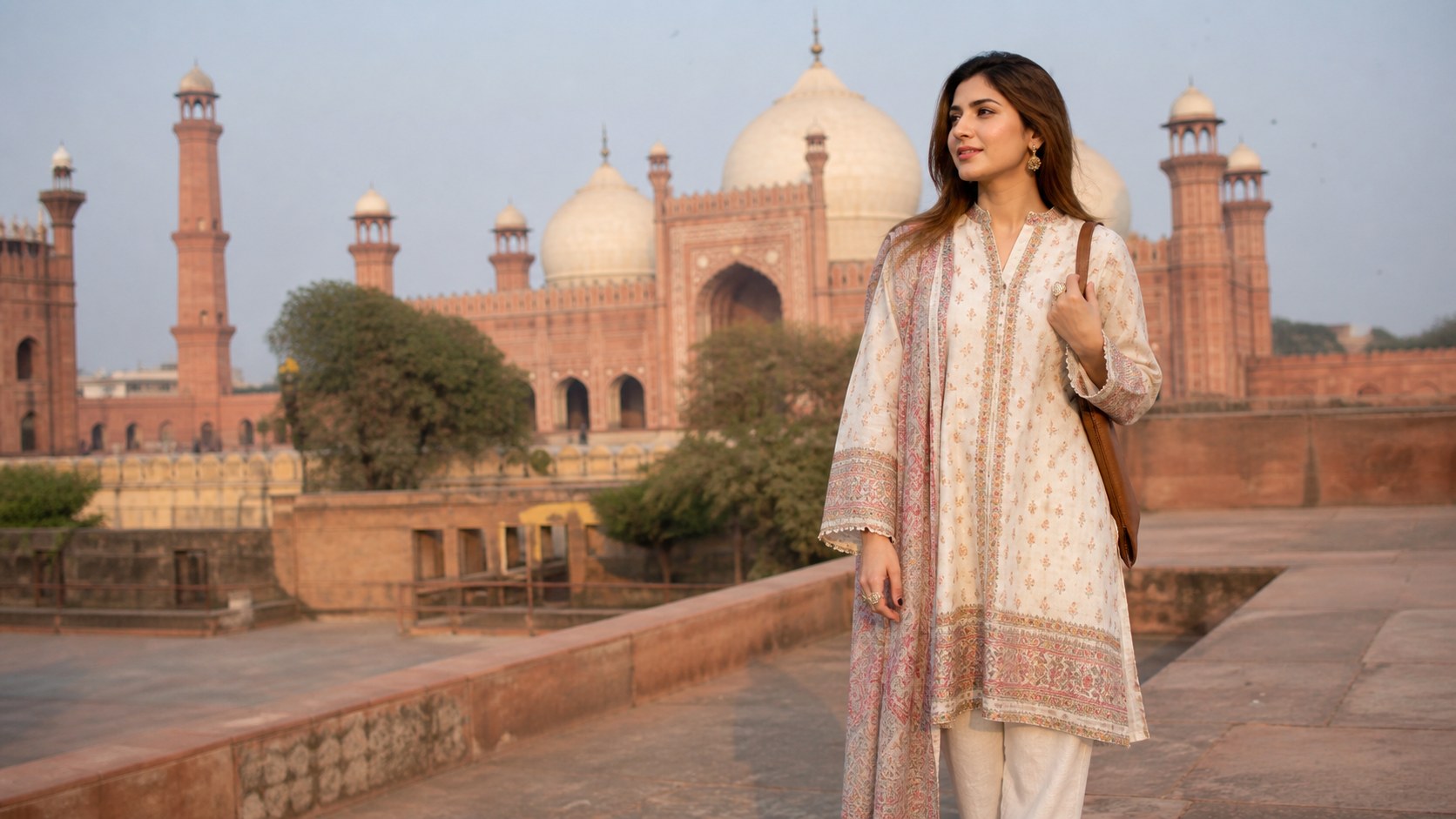
For daytime, fabrics with visible weave or restrained sheen tend to hold their own in natural light: raw silk, jamawar used sparingly, fine cotton-silk, textured georgette or a well-cut printed suit. At night, velvet details, tissue, metallic thread and deeper colour can take artificial light without requiring every surface to sparkle. Pale pastels that look soft at noon can wash out under cool LEDs; jewel tones and carefully placed shine often photograph more clearly after dark.
If the invitation says “evening” and the venue is a hotel ballroom, assume standing queues, loud music cues, buffet or plated service, and a long greeting line. If it says lunch and names a restaurant, assume tighter spacing, more conversation and less dance-floor drama. When the card is vague, ask someone in the family one practical question: “Is it closer to a formal dinner or a full reception night?”
| Cue | Lean toward | Be careful with |
|---|---|---|
| Daytime restaurant | Texture, mid-colour, easier hem | Heavy bridal volume, insecure heels |
| Evening hotel | One drama source, stronger jewellery optional | Three drama sources at once |
| Outdoor evening | Layer planned into the outfit, stable shoes | Bare chiffon with no warmth plan |
| Mixed family dress codes | Polished classic you can intensify | Guessing the loudest possible look |
Choose one source of drama
If the silhouette is expansive - a peshwas, full lehenga or wide sharara - keep the surface or jewellery quieter. If the line is clean, a worked dupatta or sculptural earring can carry the occasion. This is not a rule about age or modesty; it is a way to prevent several beautiful objects from obscuring one another in photographs and in person.
Bridal signals still matter. Avoid copying the bride’s exact colour story, jewellery architecture or silhouette if you know it. Guests can look magnificent in deep green, fuchsia, navy, gold-toned tissue or classic ivory without wearing a second bridal uniform.
The dining-table and standing-line tests
Sit at a dining table in the complete outfit. Check whether sleeves enter the plate, a necklace strikes the table edge or the dupatta disappears behind the chair. Walk on a hard floor in the chosen shoes, then stand for fifteen minutes. A walima includes queues, greetings, photographs and dinner. Comfort is part of formality because discomfort eventually becomes visible in the shoulders and the mouth.
If you expect a buffet, consider whether a wide cuff will trail across serving dishes. If you expect plated service and speeches, consider whether you can clap and rise without a wardrobe incident. Bags need a place to live during dinner; a strap that can hang on a chair or a secure clutch that fits in a lap are practical forms of elegance.
Men’s walima notes
A refined kurta with a structured waistcoat covers many walimas. A sherwani may be appropriate when the couple’s side is dressing at that level, but it is not compulsory for every male guest. Shoulder fit, clean footwear and a calm fragrance still read clearly. If Western suits are welcome per the invitation, a well-cut suit can be entirely appropriate; do not force embroidery onto a dress code that has not asked for it.
Weather, travel and the second wind
British and North American walimas often involve cold pavements between car and lobby, then tropical air-conditioning inside. Plan a layer that belongs to the outfit. Steam after travel. Embellished shoes need a brief break-in before a night of standing; unused khussas are a common reason guests disappear from dance floors.
If you already wore a formal piece to the baraat, restyle it rather than assuming the room demands a brand-new purchase: change dupatta, jewellery focus, hair and shoes. Repeat wear looks intentional when the first outing was not over-accessorised.
Jewellery that survives hugs and microphones
Walima greetings are physical. Earrings need secure backs. Necklaces need clasps you trust. Tikka and jhoomar are usually bridal tools; guests rarely need them unless family tradition says otherwise. Keep perfume away from plated metal if you care about finish. Photograph valuable pieces before packing and keep them on your person during travel.
Colour politics without mythology
Ask about family colour preferences only when they genuinely matter. Do not invent prohibitions from social media. Some families love pastels for walima; others prefer saturated colour. Neither is a civilisational law. When relatives disagree, the hosts named on the invitation outrank the group chat.
For first-time guests from outside the culture, translate: “formal reception, evening, festive South Asian dress welcome, avoid matching the bride.” Offer a silhouette suggestion - long kurta set, soft lehenga, or dressy Anarkali - rather than a cryptic moodboard.
A walima packing card
- Shoes already worn in the house for at least half an hour.
- One planned layer for lobby cold.
- Spare earring backs, safety pin, stain cloth, blister cover.
- Jewellery and dupatta photographed with the outfit before departure.
- A bag plan for dinner.
Arrive looking intentional, congratulate the couple, and allow the room to remember the celebration rather than the labour required to keep your clothes assembled. A walima guest outfit succeeds when it holds through dinner, photographs and farewells without becoming the evening’s main project.
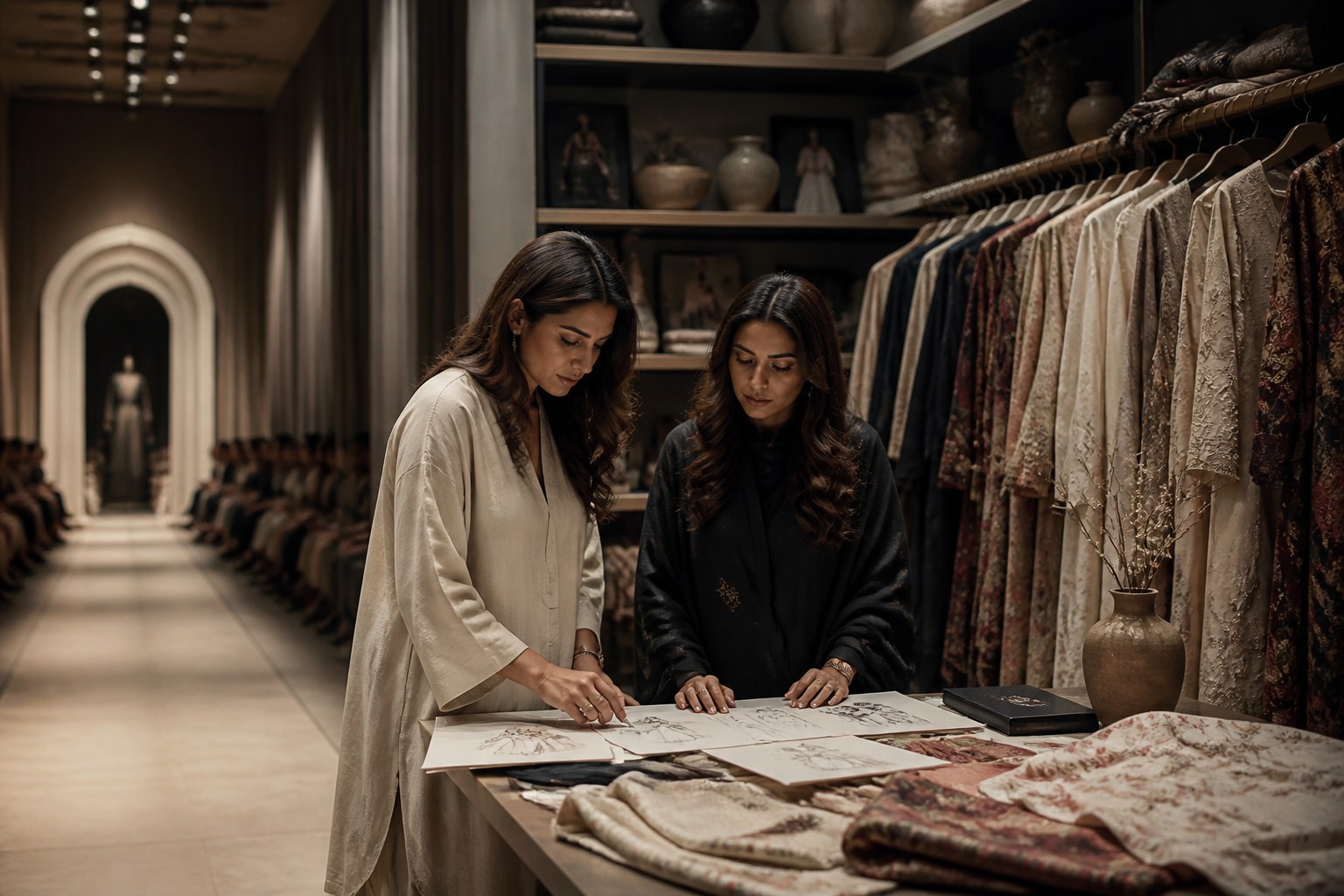
If you are buying new, prefer a formal piece that can later attend Eid, another reception or a dressy dinner. Price alterations, cleaning and shipping into the decision. A campaign photograph is not a wearable plan; the dining-table test is.
Silhouette notes for reception hours
A peshwas or long frock can look regal in entrance photographs and still need checking at the table: where does the flare sit when you are seated? A lehenga needs waist support and a hem set to the shoe. Shararas and ghararas need a rise you can trust for hours. Straight formal trousers with a long embroidered kurta can be the most practical high-formality option when you know you will stand in a receiving line.
Underlayers matter under evening lighting. Pale linings can glow through sheer panels. Check opacity in a bathroom with overhead light and again near a window. Bring the underlayer you will actually wear to any alteration appointment.
When family expectations collide
One aunt may want maximum sparkle; another may prefer restraint. Default to the couple’s stated tone and the venue. If elders gifted jewellery they want photographed, make that the drama source and simplify fabric or dupatta. Gift politics are easier to honour when the rest of the outfit leaves space.
Budget honesty helps. Guests are not required to match bridal spend. A cleaned, restyled formal you already own often looks more confident than a rushed new purchase still creased from the courier bag. Keep purchase records if buying online; UK readers can use Citizens Advice consumer guidance when something arrives wrong, and US readers can use the FTC’s online shopping advice.
Leave when the outfit is still intact
Have a departure plan for shoes that have started to bite and for a dupatta that has worked hard. A simple car or taxi layer protects embellishment from rain. Hang the outfit as soon as you can; evening humidity and dance sweat should not sit crushed in a suitcase overnight.
The walima is a celebration of a marriage already made. Dress like a guest who understands the assignment: formal enough for the room, edited enough for dinner, secure enough for hugs, and calm enough that the couple remain the point of the photographs.
Photographs, flash and fabric honesty
Phone flash exaggerates sequins and tissue. If you want the outfit to read the same in person and on camera, check it under mixed lighting before the event. Matte textures with one reflective accent often survive flash better than total shimmer. Ask a friend to take a standing and seated photo in ordinary room light; adjust before the walima, not during it.
If you are in the receiving line, choose shoes you can stand in and a smile that is not fighting a waistband. Formalwear that only works while perched on a stool is costume, not guest dress.
Keep a short written brief before the next purchase: setting, movement, garments already owned, and the single addition that unlocks the most combinations. Test sitting and walking, then stop adjusting at the door.
Share hard-won fit and care lessons with people you dress beside so failures are not rediscovered the night before an event.
Sources and official profiles
Filed under
Was this helpful?
Keep reading
Related stories
More from this desk, this beat, and the tags on this piece.
Readers
The conversation
0 notes
Anyone can leave a note. Guests add a name and email — no account required, and the email is never published.
No notes yet. Yours would be the first.