Bridal
Elan, Maria B, Sana Safinaz: who for which night
Mehndi, nikah and walima are three climates. Match Elan, Maria B and Sana Safinaz by weight, light and delivery dates—not campaign stills.
By Ayesha Khan
Editor-in-chief
6 min read
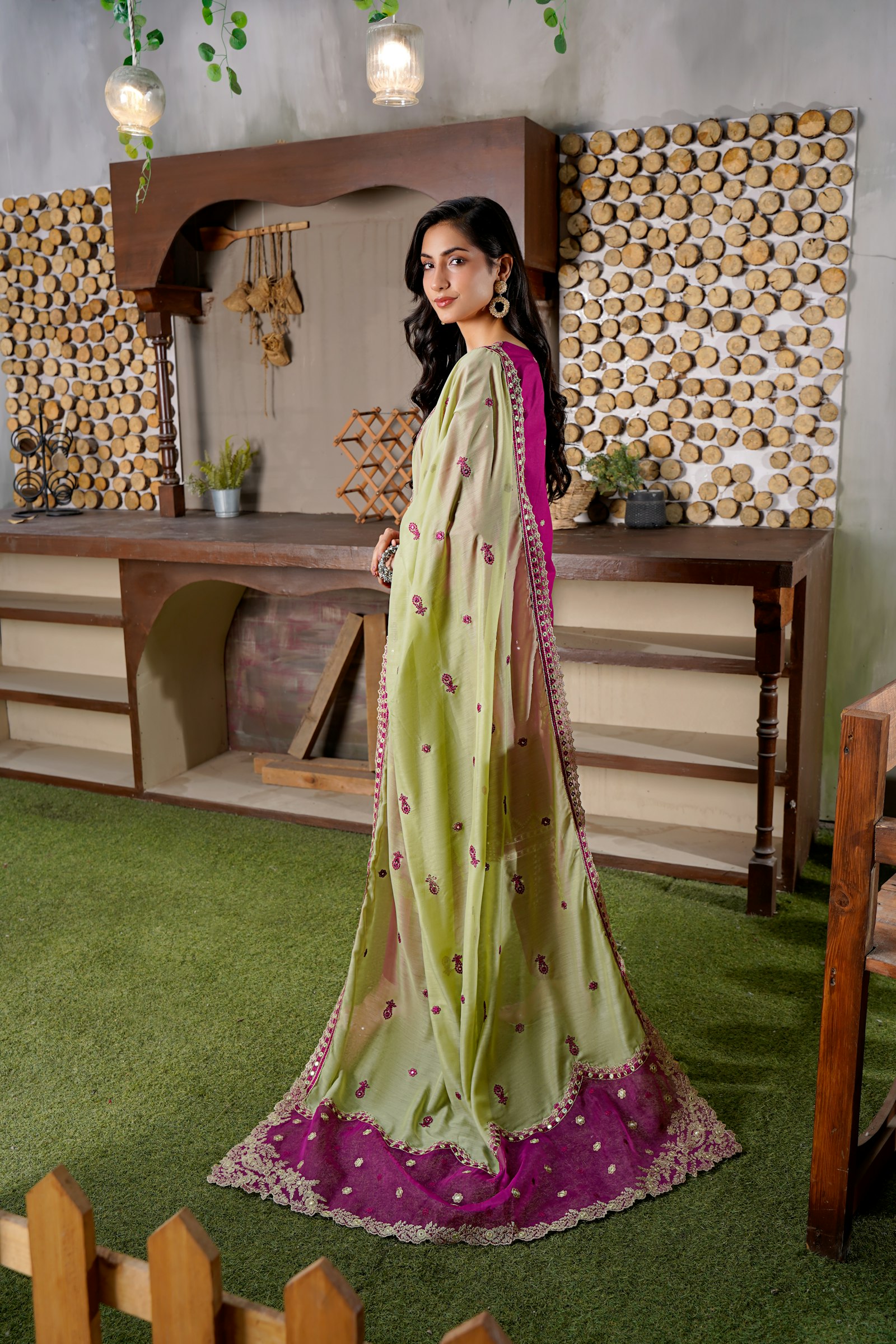
A Pakistani wedding is not one outfit. It is three nights with three jobs, and the houses that photograph as interchangeable are not. Mehndi, nikah and walima ask for different weight, different sparkle and different delivery dates. Elan, Maria B and Sana Safinaz are useful comparison points—not a moral ranking. Match the house to the night, not to last year’s campaign still.
Want the walima to read from the back of the hall and the nikah to still look like a face? Those are often two different receipts. Decide before the first deposit.
— PakStyles bridal desk
Mehndi is not the night you automatically save on
Families still treat the mehndi as the place to economise, then spend the saving on a walima skirt nobody can sit in. Reverse the logic when you can: a mehndi you can dance in, a nikah you can breathe in, a walima that does not need a handler for the train. Yellow and green still lead colour-wise. Weight should not.
Maria B often reads as festive from a phone at the back of a lawn. Elan can read as campaign-sharp under lights. Sana Safinaz frequently rewards daylight—the light a daytime mehndi actually gets. Dance for ten minutes in the trial with the real shoes. If the stylist treats movement as optional, leave with your deposit still in your account.
Mehndi checklist before the deposit
- Can you sit on the floor or a low seat without the blouse fighting you?
- Does the dupatta stay manageable while you greet people with stained hands?
- Is the hem clear of the dance floor when you turn?
- Have you tested the colour in daylight, not only boutique LEDs?
Nikah: keep the face as the subject
The nikah is the night the face has to win. Heavy zardozi under a jaw can win an armour contest and lose the album. When the brief is a cleaner bridal—colour that is not only maroon, embroidery that can stop before the collarbone, a dupatta that is not a third person—Sana Safinaz is often the house people reach for first. Elan at a nikah can look as if the party started before the contract; sometimes that is intentional, often it is a screenshot meant for another evening.
Maria B nikah pieces can work if you edit sparkle down and measure the blouse with the jewellery already decided. Do not debut a jhoomar or bun-and-earring combination on the day. The first meeting between headpiece and hairstyle belongs in the trial, not at the registrar’s table.
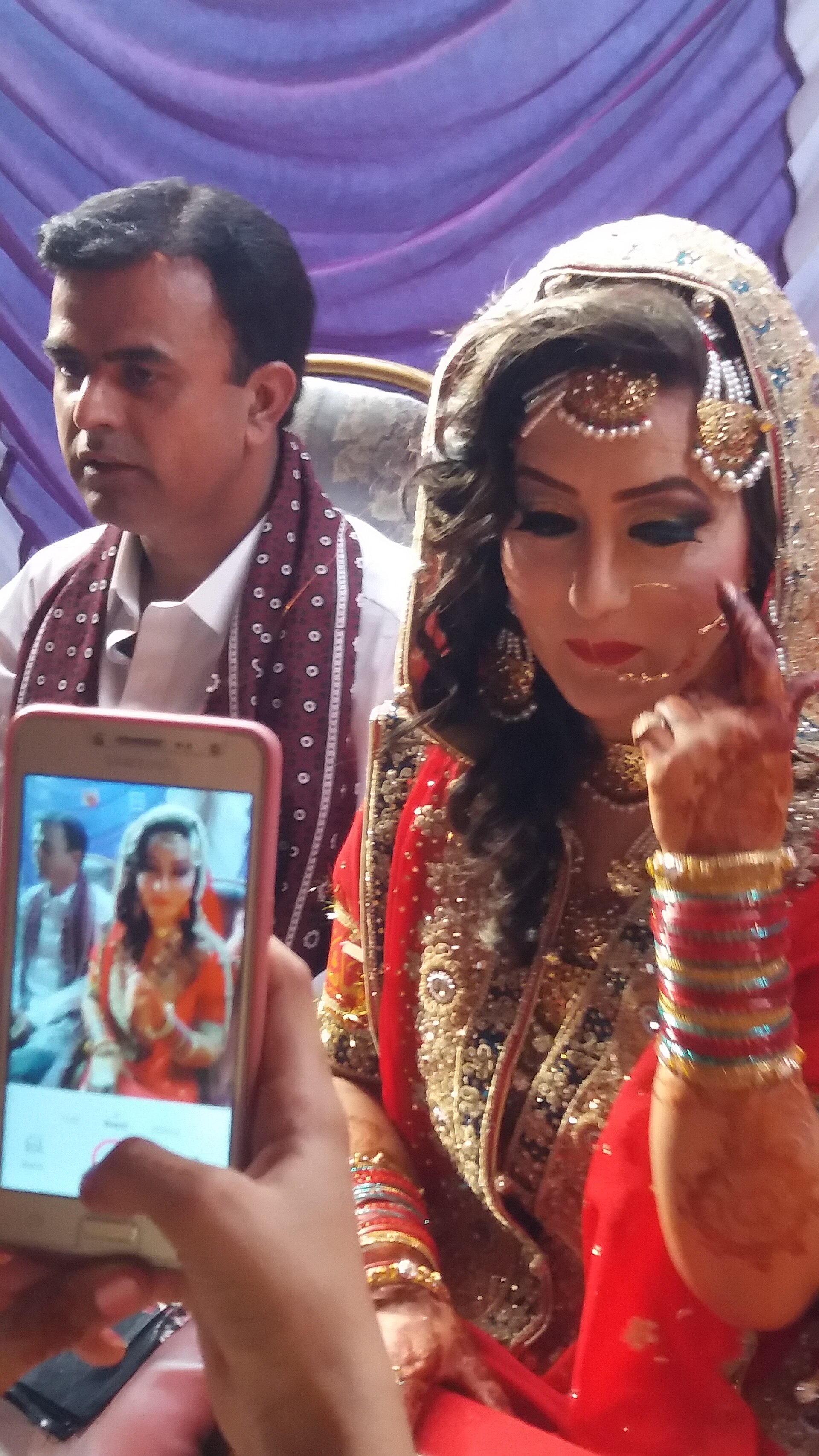
Walima, and who oversells shine
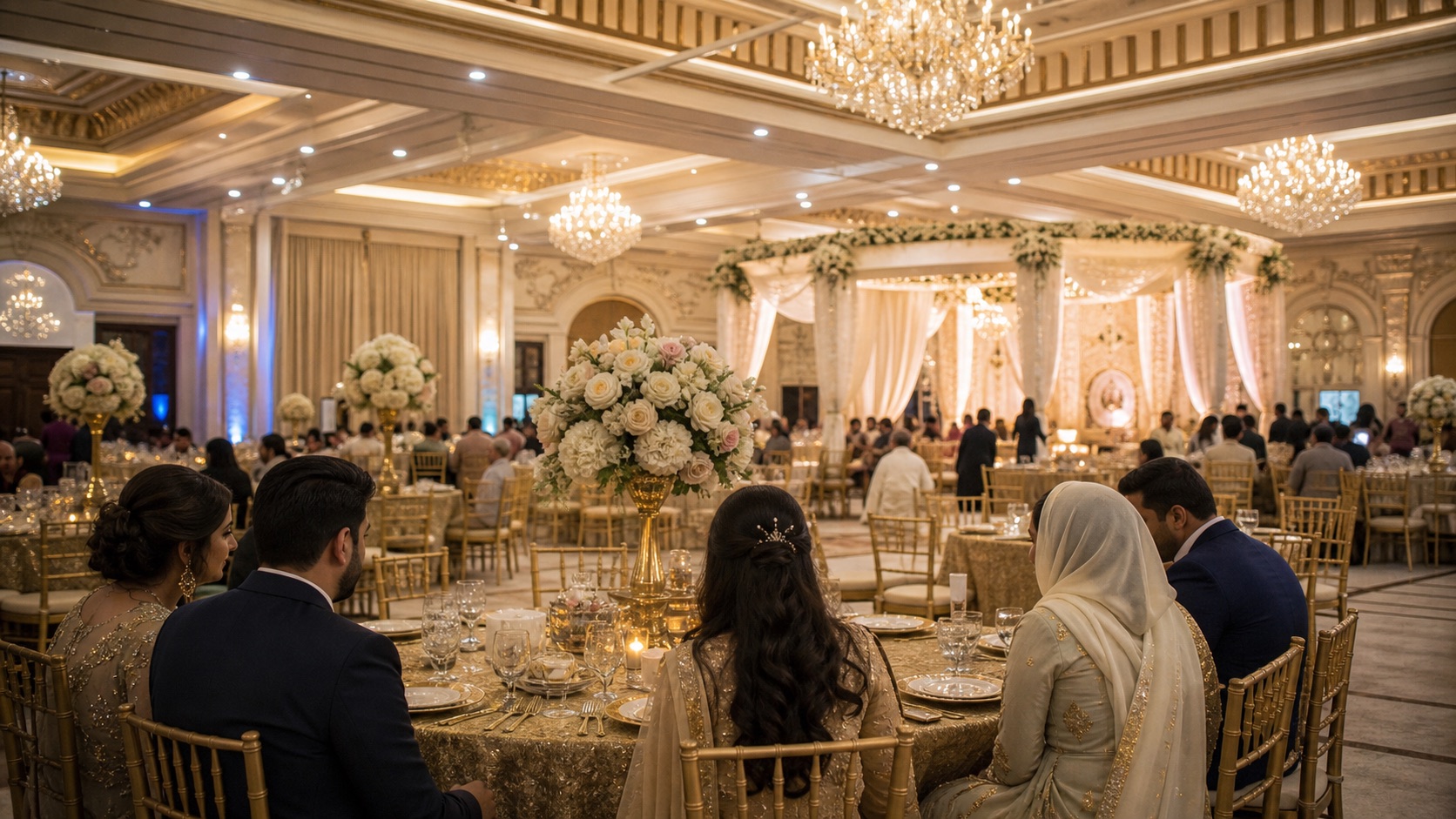
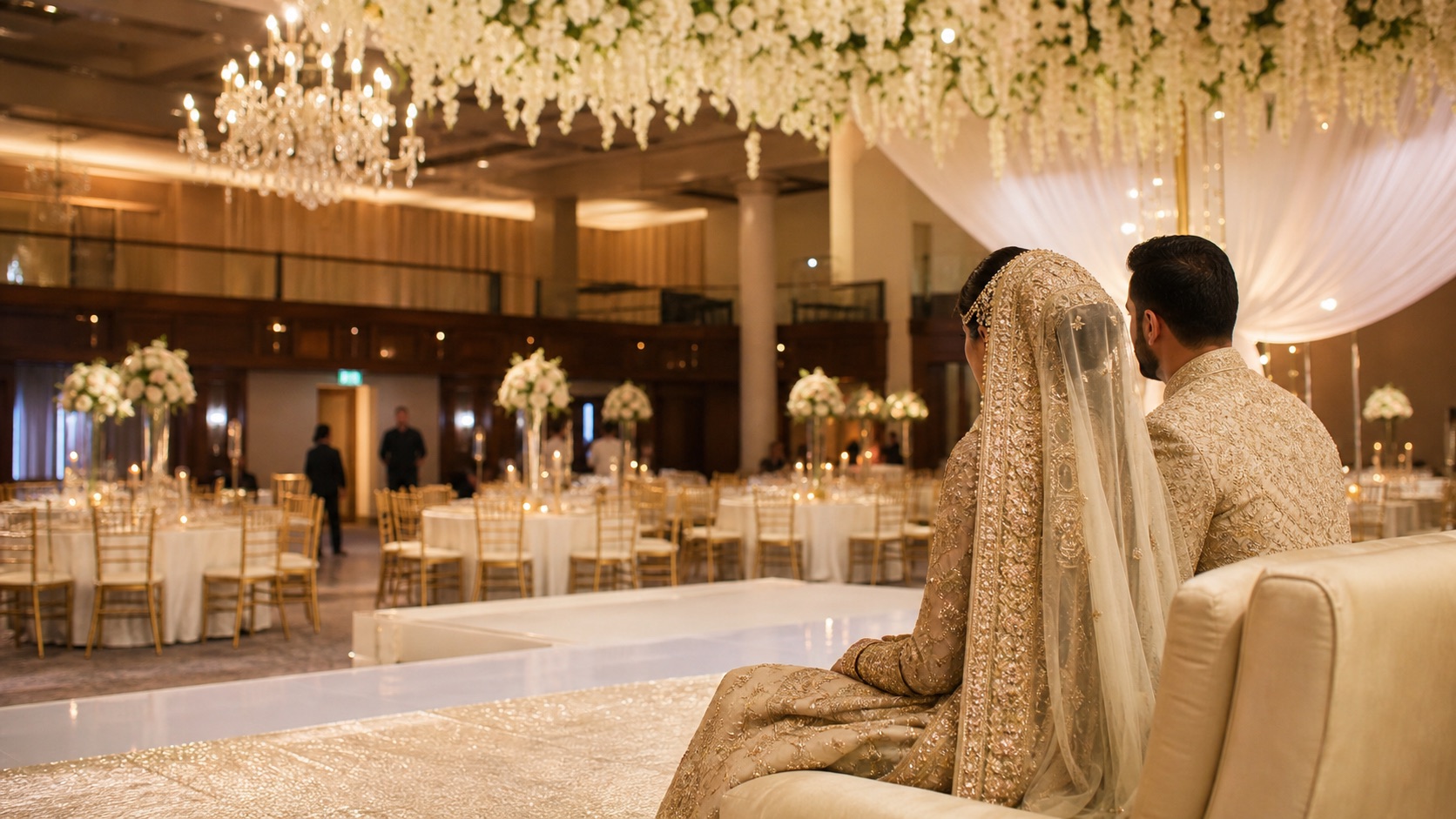
A hall that eats fine detail often wants Maria B’s volume and shine. A lawn that still has daylight often wants Sana’s restraint. A walima that will live mainly as a reel often wants Elan’s cut and gleam. This is merchandising for architecture and light, not a verdict on taste.
Quiet ivory can disappear in a long hall until a border or contrast travels thirty metres of air. Sparkle that looks like wealth under tent lights can look cheap under a phone flash on a staircase at 2 a.m. Ask to see cloth in hotel lighting, not only under boutique bulbs. Draw a family map before the deposit if cut-outs or midriff reveals will cause conflict—that is your constraint, not the house’s failure.
Weight, dates, the deposit
A nine-kilo lehenga photographs like armour and dances like homework. A practical working range many brides aim for is roughly 3.5 to 5 kilos, with a skirt that can be bustled and a blouse that does not need emergency sewing at 1 a.m. Elan’s constructions can sit at the heavy end; Maria B’s glitter can add its own weight; Sana’s cleaner pieces often leave more room for the person inside the cloth.
Get delivery dates in writing, with a consequence for missed milestones. Bridal week is spectacle; the morning after is a spreadsheet. Ask who is available the week your blouse needs a last dart. Price is a conversation you have sitting down. If a number makes the table silent, you are not ready to sign.
- Request a dance test: ten minutes, full jewellery, actual shoes.
- Photograph embroidery in daylight and in hotel lighting before you sign.
- Budget for blouse changes—humidity in June is not the muslin in January.
- Confirm whether the quoted look includes the dupatta treatment you saw on the sample.
- Ask what happens if a shipment delays a week before the event.
How to use the three houses without buying a personality
Think in climates, not loyalties. A daytime garden mehndi, a intimate nikah, and a large hotel walima are three lighting problems. Walk each venue—or honest photographs of it—before you fall in love with a campaign look shot in a studio. Then ask which house’s current bridal language solves that room.
Mixing houses is normal. A Sana nikah, a Maria B mehndi and an Elan walima is a map that often works because the nights ask for different volumes. Three of the same house can be a campaign, a safety blanket or a face-first brief—none of those is a moral ranking. They are temperatures.
Reading campaigns without buying the lighting fiction
Lookbooks compress bodies, venues and jewellery budgets. Pause on seams, blouse architecture and whether the model can sit. Ask the boutique which pieces are sample-only, made-to-order, or ready-to-ship for your date. Delivery language on a website is marketing until it is a dated clause on your receipt.
If relatives send you twenty screenshots from three houses at midnight, sort them by night first—mehndi, nikah, walima—before you sort by brand. Most family arguments are night-mismatch arguments wearing brand names as costumes.
Trials that prevent album regret
- Jewellery first or cloth first—but not both on the day. Decide the order and stick to it in fittings.
- Photograph yourself sitting, standing and turning. Still poses hide weight and blouse gap issues.
- Check the blouse under the exact undergarments you will wear. Bridal week is too late for architecture surprises.
- Walk stairs if your venue has them. Trains and heavy borders behave differently on steps.
- Bring the relative who will actually help you dress. A silent audience of ten opinions helps nobody.
Three nights, three receipts
Keep the person in the picture. Edit a motif. Keep a grandmother’s khussa. Refuse a veil you will only fight. Houses that cannot tolerate a point of view want a mannequin. Match the house to the night. Weight and a date on a receipt will matter longer than sparkle, and longer than a handler who has already gone home.
When the week is over, you will remember whether you could breathe, dance, greet people, and be recognised as yourself in the photographs. That is the brief. Everything else is merchandising.
Keep reading
Related stories
More from this desk, this beat, and the tags on this piece.
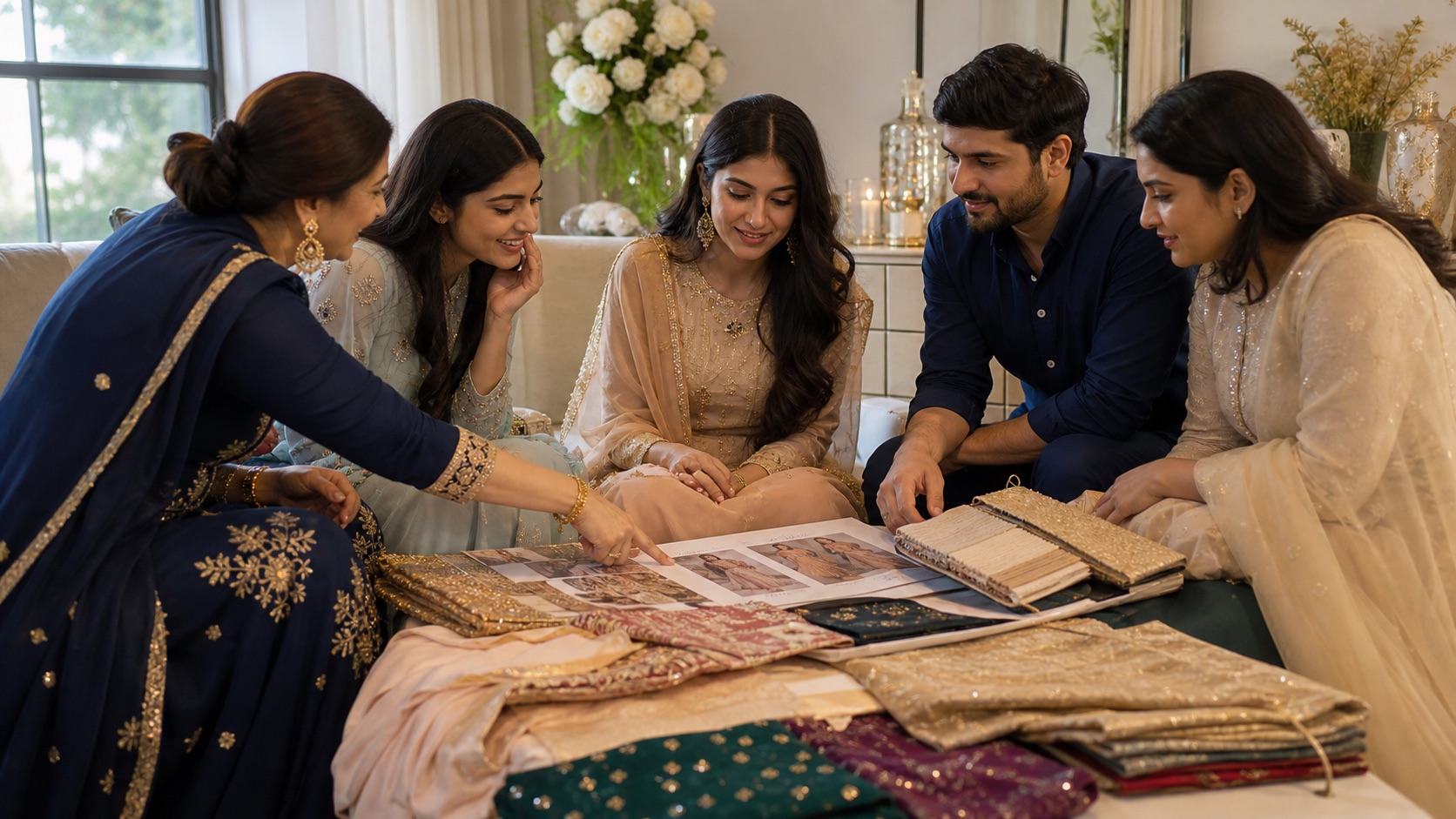
Pakistani wedding planning timeline: 12 months to the walima
Ayesha Khan · 21 Jul 2026 · 2 min
Readers
The conversation
0 notes
Anyone can leave a note. Guests add a name and email — no account required, and the email is never published.
No notes yet. Yours would be the first.