Khewra Salt Mine and the Salt Range: what UNESCO tentative status actually means
Khewra is both an industrial salt mine and a visitor attraction inside a much larger geological landscape. UNESCO tentative-list status applies to the Salt Range and Khewra proposal, not to an already inscribed World Heritage Site.
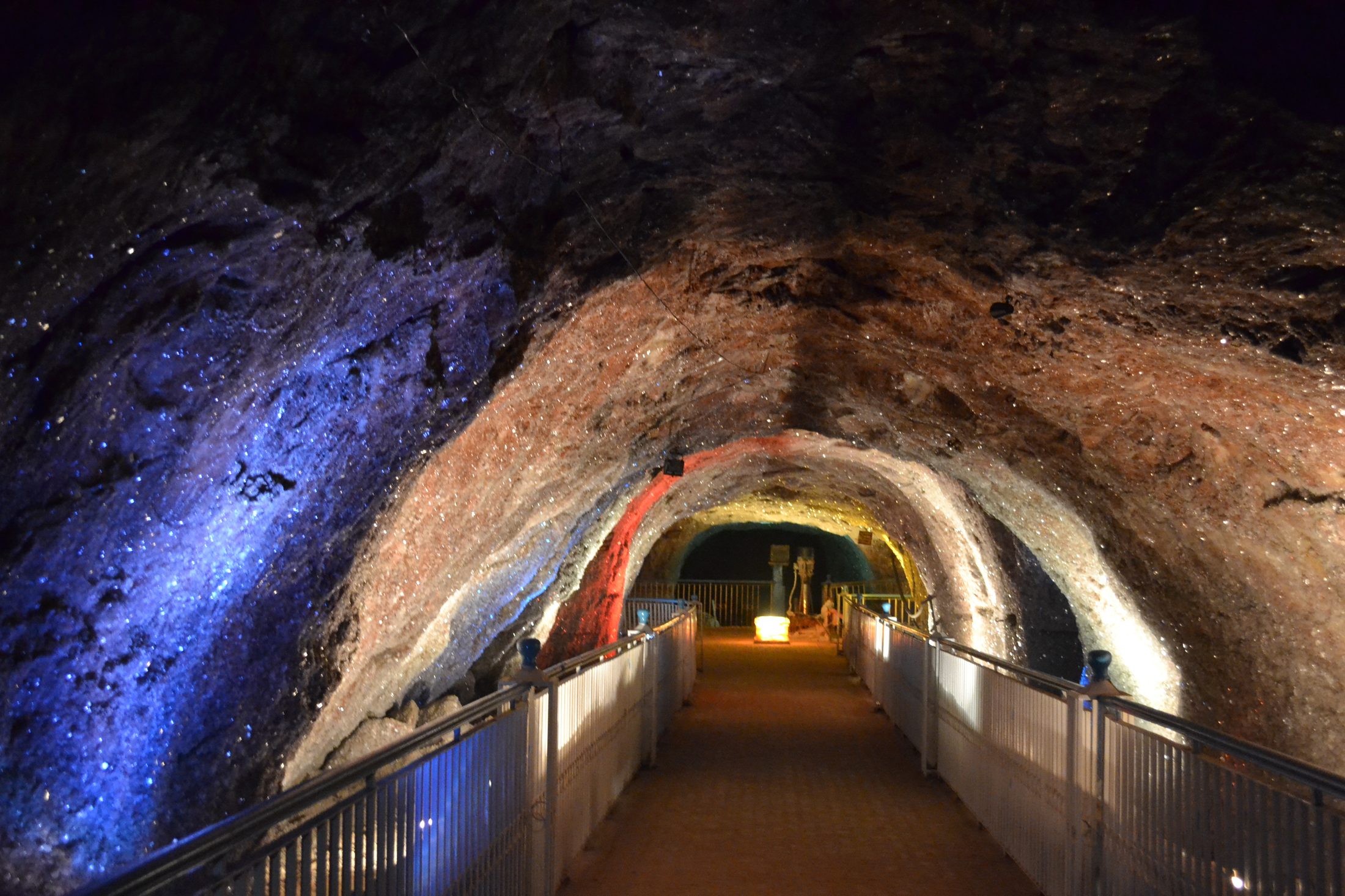
Khewra is often described online as a UNESCO World Heritage Site. It is not currently one of Pakistan's six inscribed properties. The Salt Range and Khewra Salt Mine have been on Pakistan's UNESCO tentative list, which is an important nomination step but a different status.
The distinction matters because factual travel writing should not turn tentative recognition into inscription. Khewra's real interest does not need the exaggeration: it combines ancient geology, long salt extraction and an operating mine with a public visitor route.
The Salt Range
The Salt Range runs across northern Punjab and exposes geological sequences that include extensive evaporite deposits.
Khewra's rock salt belongs to that larger geological story rather than being an isolated pink cave.
Why salt is here
Rock salt forms when saline water bodies evaporate and mineral layers accumulate, later buried and deformed through geological processes.
The colours in commercial Himalayan salt reflect trace minerals and impurities within halite, not a separate mineral species called pink salt.
Mining history
Salt extraction in the region has a long history, while large-scale organised mining developed under successive states and modern industrial administration.
Popular stories linking every tunnel directly to Alexander's army should be treated as tradition unless supported by specific evidence.
An operating industrial site
Khewra is not only heritage; it remains a mine. Visitor routes represent a controlled fraction of a working extraction environment.
Industrial safety rules therefore matter differently from ordinary museum etiquette.
The tourist railway and chambers
Visitors encounter illuminated tunnels, rail infrastructure and salt-built displays designed for tourism.
These attractions should be distinguished from the geological and industrial significance of the mine itself.
Pink salt marketing
Himalayan pink salt is exported globally and often marketed with broad wellness claims. Chemically, its major component is sodium chloride like other edible salt.
Trace minerals do not make unlimited sodium intake harmless.
Tentative-list status
A state places a property on its tentative list before a possible future World Heritage nomination. The site is not inscribed simply because UNESCO hosts the proposal.
Pakistan's tentative list was updated in 2026 and includes many properties beyond Khewra.
What a future nomination would need
World Heritage nomination requires a case for Outstanding Universal Value, boundaries, comparative analysis, protection and management.
The committee can inscribe, defer, refer or decline a nomination.
Visitor health and accessibility
Underground spaces involve steps, low light, enclosed environments and changes in temperature. People with mobility, respiratory or claustrophobia concerns should check current arrangements.
Follow mine staff instructions rather than wandering beyond the visitor route.
A better reason to visit
Visit to understand geology, mining and the regional salt economy rather than only to collect a photograph of a pink wall.
The working-landscape context makes Khewra more interesting than a wellness-product origin story.
Conservation and responsible visiting: Khewra Salt Mine and the Salt Range
Mining heritage has to reconcile extraction, worker safety, geology and tourism. Visitors should respect controlled areas and avoid removing salt or entering industrial zones without authorisation.
What to check before you go: Khewra Salt Mine and the Salt Range
- Remember tentative list is not World Heritage inscription.
- Follow mine safety instructions.
- Check accessibility before travelling.
- Treat health claims about pink salt separately from geology.
- Learn about the wider Salt Range as well as the visitor tunnel.
Khewra does not need to be mislabelled as UNESCO-inscribed to matter. Its real story connects deep geological time, industrial labour, global salt marketing and the practical challenge of opening a working mine to visitors.
A better way to leave the site: Khewra Salt Mine and the Salt Range
After visiting Khewra Salt Mine history UNESCO tentative list, write down three observations that came from the physical place and three things that remain uncertain. That small exercise separates what you actually saw from what you arrived already believing.
Read the site as evidence, not scenery: Khewra Salt Mine and the Salt Range
For Khewra Salt Mine history UNESCO tentative list, start by asking what physical evidence is actually visible: street alignment, masonry, water system, burial architecture, defensive wall, monastic cell or garden terrace. Heritage becomes more understandable when the visitor links each claim to a surviving feature rather than memorising a date detached from the ground.
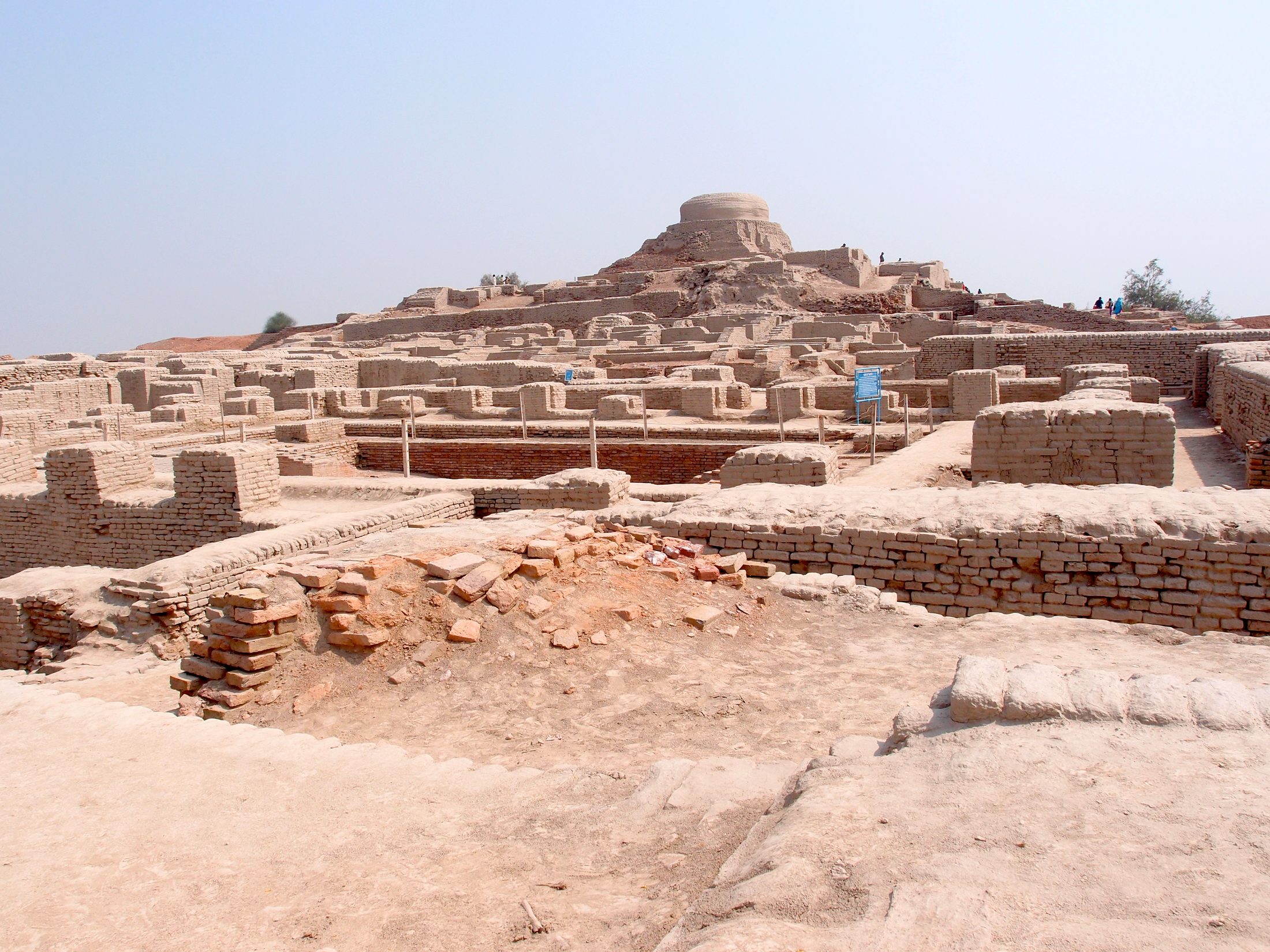
Photographs naturally favour monumental gates and panoramic views, but ordinary infrastructure often carries the stronger historical argument. Drains at Moenjodaro, cells at Takht-i-Bahi and water systems at Shalamar or Rohtas reveal how people organised daily life, not only how rulers presented power.
Chronology prevents several sites becoming one story: Khewra Salt Mine and the Salt Range
A place connected to Khewra Salt Mine history UNESCO tentative list may contain layers built centuries apart. Later religious buildings, colonial interventions, Sikh-period use, modern repairs or continuing settlement can sit beside the period that made the site famous. Treating every wall as contemporary creates a false historical picture.
UNESCO status has a specific meaning: Khewra Salt Mine and the Salt Range
World Heritage inscription connected to khewra salt mine and the salt range is based on a formal claim of Outstanding Universal Value under defined criteria, with boundaries and management obligations. It is not a tourism award, and UNESCO does not become the site's owner.
Conservation is an active present-day process: Khewra Salt Mine and the Salt Range
Historic sites associated with khewra salt mine and the salt range survive because people manage water, salt, vegetation, pollution, structural movement, visitor pressure and repairs. Conservation is therefore not a one-time restoration that returns a monument to a perfect original state.
Use guides critically but generously: Khewra Salt Mine and the Salt Range
A knowledgeable local guide can make khewra salt mine and the salt range much more legible by connecting spaces, pointing out construction details and explaining how routes work. Oral explanation is especially valuable at large serial or landscape sites where the visitor cannot carry the full plan in memory.
Travel logistics are part of responsible heritage use: Khewra Salt Mine and the Salt Range
Reaching khewra salt mine and the salt range can involve heat, long road travel, stairs, uneven ground or regions where official travel advice changes. A good heritage itinerary allows time for the physical setting instead of treating the monument as a 30-minute stop between photographs.
Economic value and preservation need each other: Khewra Salt Mine and the Salt Range
Visitor spending around khewra salt mine and the salt range can support guides, transport, crafts, food businesses and conservation attention. The challenge is ensuring that economic use does not physically consume the resource through uncontrolled building, litter, traffic or contact with fragile surfaces.
Choosing official tickets, reputable guides and locally rooted services helps move some value into the surrounding community. Responsible tourism is not only a list of things not to touch; it is also a decision about where travel money goes.
Photography can flatten historical scale: Khewra Salt Mine and the Salt Range
A camera frames khewra salt mine and the salt range into one composition, while the actual site may be kilometres wide or made of many components. This is especially important at Makli, Taxila, Rohtas and other landscape-scale heritage where no single image communicates the full spatial argument.
What not to claim: Khewra Salt Mine and the Salt Range
Heritage writing around khewra salt mine and the salt range should resist precise origin stories that outrun the evidence. Ancient sites rarely provide a named founder, exact ritual function and complete social hierarchy simply because modern readers want a tidy explanation.
Tentative-list status is not the same as inscription
UNESCO’s tentative list is a planning stage through which a state identifies properties it may consider nominating in the future. It does not mean Khewra has already become a World Heritage Site, and editorial copy should not use “UNESCO site” as shorthand. That distinction matters because tentative status is often flattened into a badge in tourism marketing.
When visiting the mine, separate the tourist experience from the wider geological and industrial story of the Salt Range. Illuminated chambers and visitor features are designed for access and spectacle; they are not the whole evidence base for the area’s history, geology or mining significance.
Ask what part of the story you are seeing
Visitor routes necessarily show a managed fraction of an active or historically worked environment. Use museum displays, official interpretation and wider reading to connect the accessible tunnels with extraction history, labour and the geology of the range. If a guide gives a very precise “oldest”, “largest” or discovery claim, check how the source defines it before repeating it as fact.
A final practical check: Khewra Salt Mine and the Salt Range
At Khewra Salt Mine and the Salt Range, slow the visit down enough to connect the object or building in front of you with the chronology described in the guide. A map, museum label or official site description can help separate construction phases, later alterations and modern restoration. That distinction is more valuable than collecting a large number of photographs without knowing what each one represents.
At khewra salt mine and the salt range, check current opening, route and conservation restrictions before travelling, and treat barriers as part of caring for the site. Where a guide gives a dramatic superlative or very precise historical story, ask what source supports it. Good heritage interpretation can admit uncertainty without making the place less interesting.
Sources and official profiles
Filed under
Was this helpful?
Keep reading
Related stories
More from this desk, this beat, and the tags on this piece.
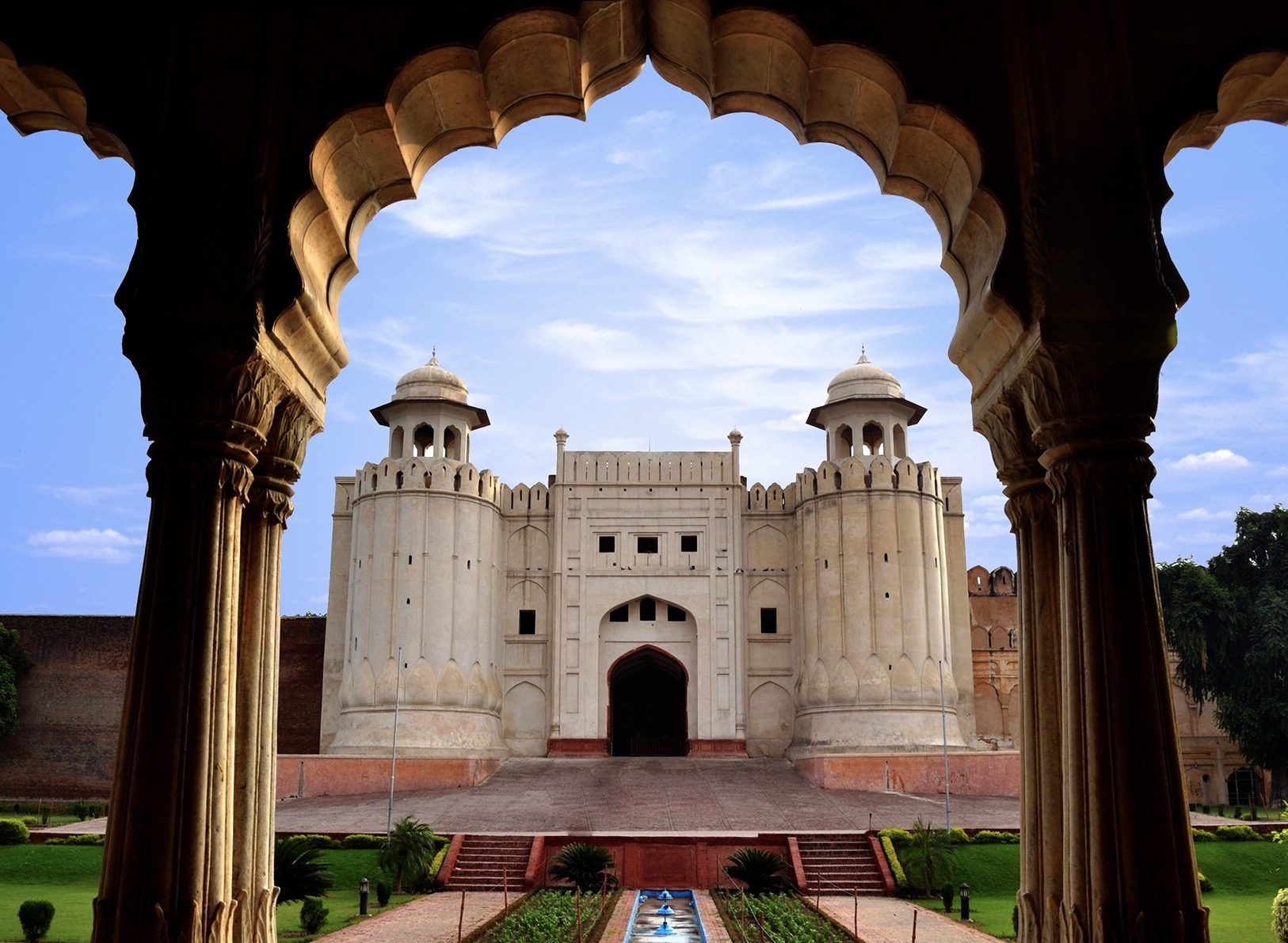
Lahore Fort is a timeline in stone: how Akbar, Jahangir and Shah Jahan changed it
Bilal Ahmed · 5 Oct 2026
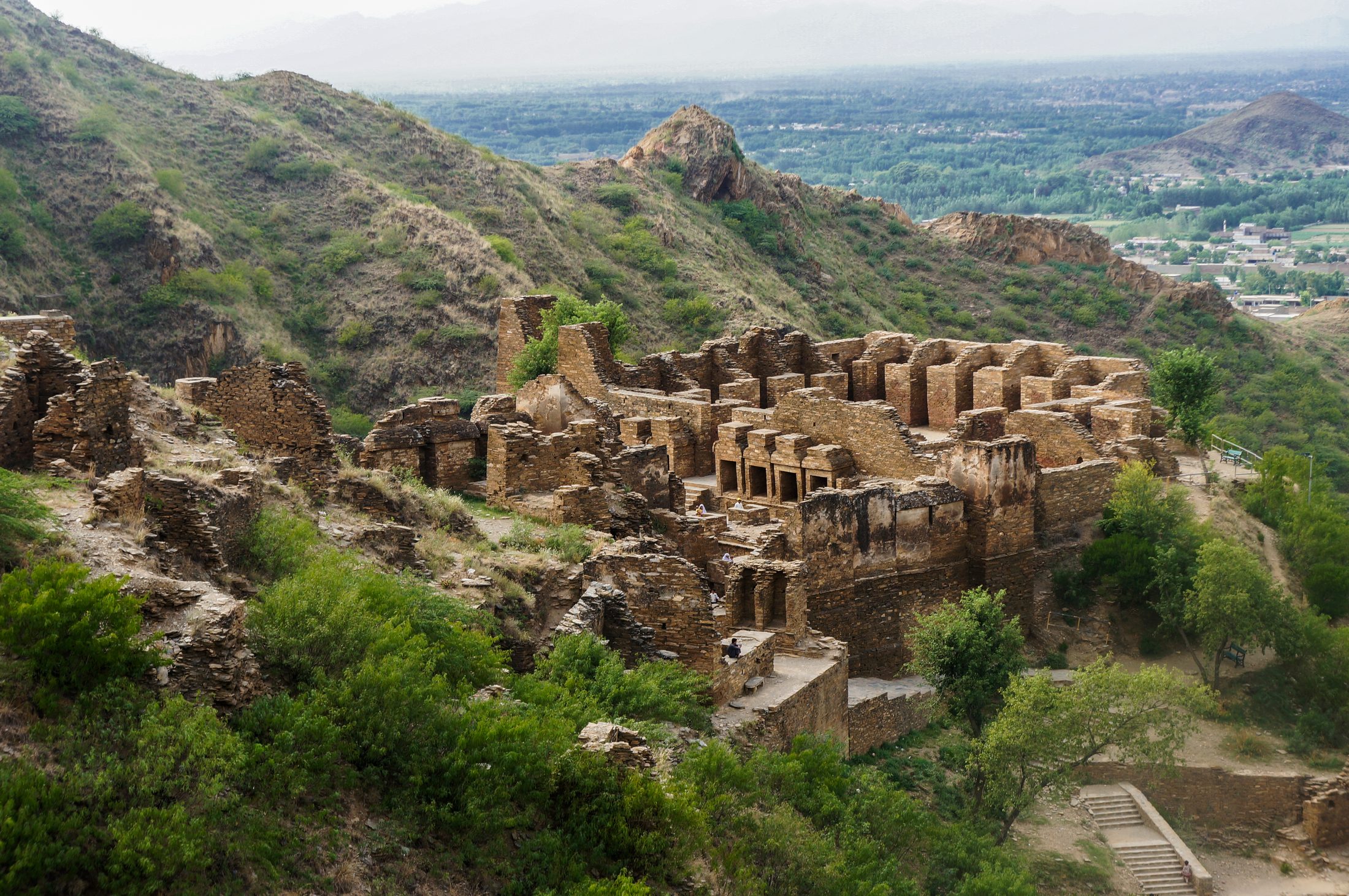
Takht-i-Bahi: why Pakistan's best-preserved Buddhist monastery sits on a hill
Bilal Ahmed · 3 Oct 2026
Zahoor ul Akhlaq: the artist who reshaped Pakistan's miniature debate
Mehreen Ali · 8 Sep 2026
Zubeida Agha: colour and the beginnings of modern art in Pakistan
Mehreen Ali · 18 Sep 2026

Stitched, unstitched, and semi-stitched Pakistani suits explained
Mehreen Ali · 12 Jun 2026
Readers
The conversation
0 notes
Anyone can leave a note. Guests add a name and email — no account required, and the email is never published.
No notes yet. Yours would be the first.