Ramadan
Pakoras for Ramadan: crisp batter without heavy oil
A Ramadan pakora guide that begins with the batter bowl and ends with the cook sitting down for iftar.
By Hassan Raza
Food editor
2 min read
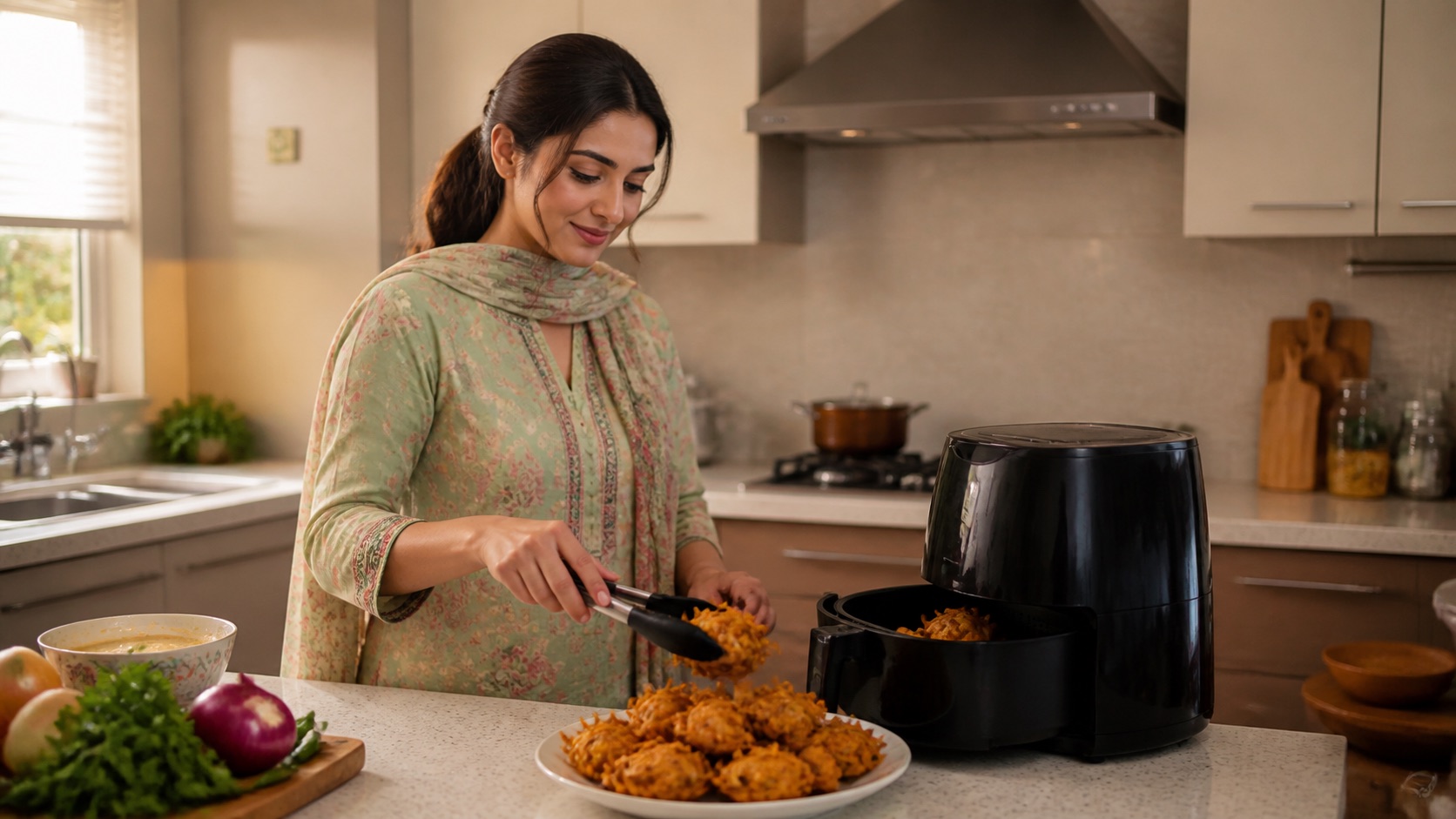
Pakoras become heavy before they touch the oil. A watery onion mixture, batter mixed too early and a crowded pan all guarantee that the fryer must work harder than the cook expected.
Slice vegetables evenly and dry them. Salt draws water from onion, spinach and potato, so combine them with batter close to frying time. Besan needs enough water to coat rather than bury: the mixture should fall reluctantly from a spoon, with vegetable edges still visible. Crushed coriander, ajwain, chilli and salt can season it; a pinch of bicarbonate changes texture but too much leaves an alkaline taste.
Let one pakora answer the questions
Drop a small test into properly heated oil. It should rise with active bubbles without turning brown immediately. Break it open. If raw batter remains around the vegetable, reduce thickness or heat slightly; if it drinks oil, check temperature and batter looseness. Correct the bowl before committing the rest.
Fry in small batches and allow the oil to recover. Move pieces only after their surface has formed, then turn for even colour. Keep children and water away from the frying area, use a stable deep pan, and know the correct response to an oil fire. Drain on a rack or absorbent paper without piling hot pakoras into a covered bowl.
Potato, onion, spinach and chilli do not need identical cuts or cooking times. Build batches around ingredients that finish together instead of turning the bowl into vegetable lottery. Leftover batter containing salted raw vegetables deteriorates quickly; cook an appropriate amount and handle leftovers according to current food-safety guidance. A crisp pakora is a brief pleasure. It should not demand the entire evening in return.
If guests arrive in waves, fry fewer pakoras more often instead of creating one mountain at sunset. Keep the uncooked mixture chilled between batches and never top old oil with fresh oil while the pan is crowded. Serve green chutney and imli separately so each pakora stays crisp until the person eating it decides otherwise.
Filed under
Keep reading
Related stories
More from this desk, this beat, and the tags on this piece.
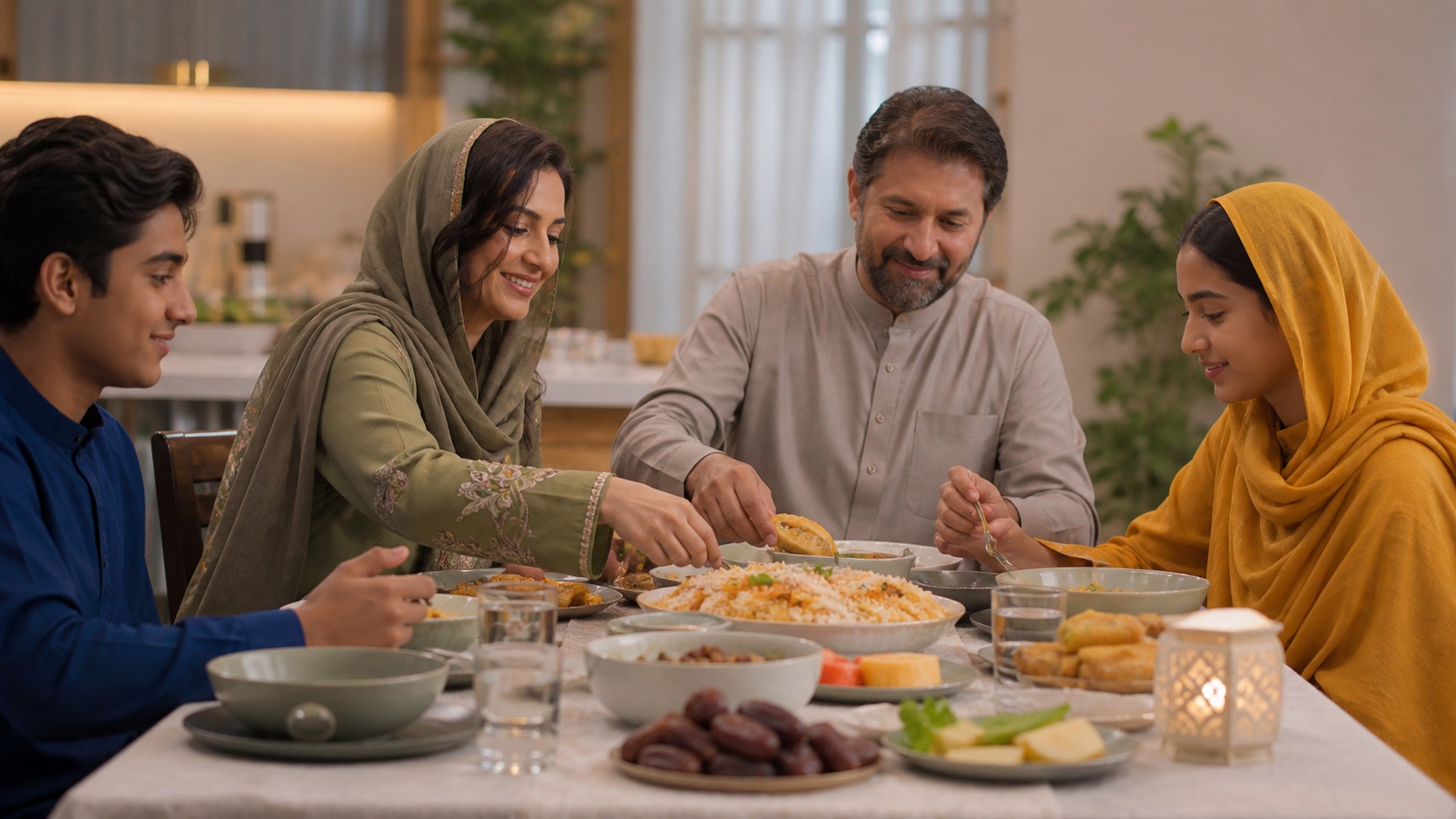
A Pakistani Ramadan meal plan that avoids daily exhaustion
Hassan Raza · 19 Jul 2026 · 2 min
Ramadan freezer prep: what freezes well and what does not
Hassan Raza · 13 Sep 2026 · 16 min
Family iftar timing when everyone comes home at a different hour
Hassan Raza · 13 Sep 2026 · 15 min
Readers
The conversation
0 notes
Anyone can leave a note. Guests add a name and email — no account required, and the email is never published.
No notes yet. Yours would be the first.