Sapphire: textiles, retail, and the making of a fashion brand
Sapphire sits where textile manufacturing meets accessible fashion retail. This guide separates fabric capability from campaign season and explains what that means for buyers.
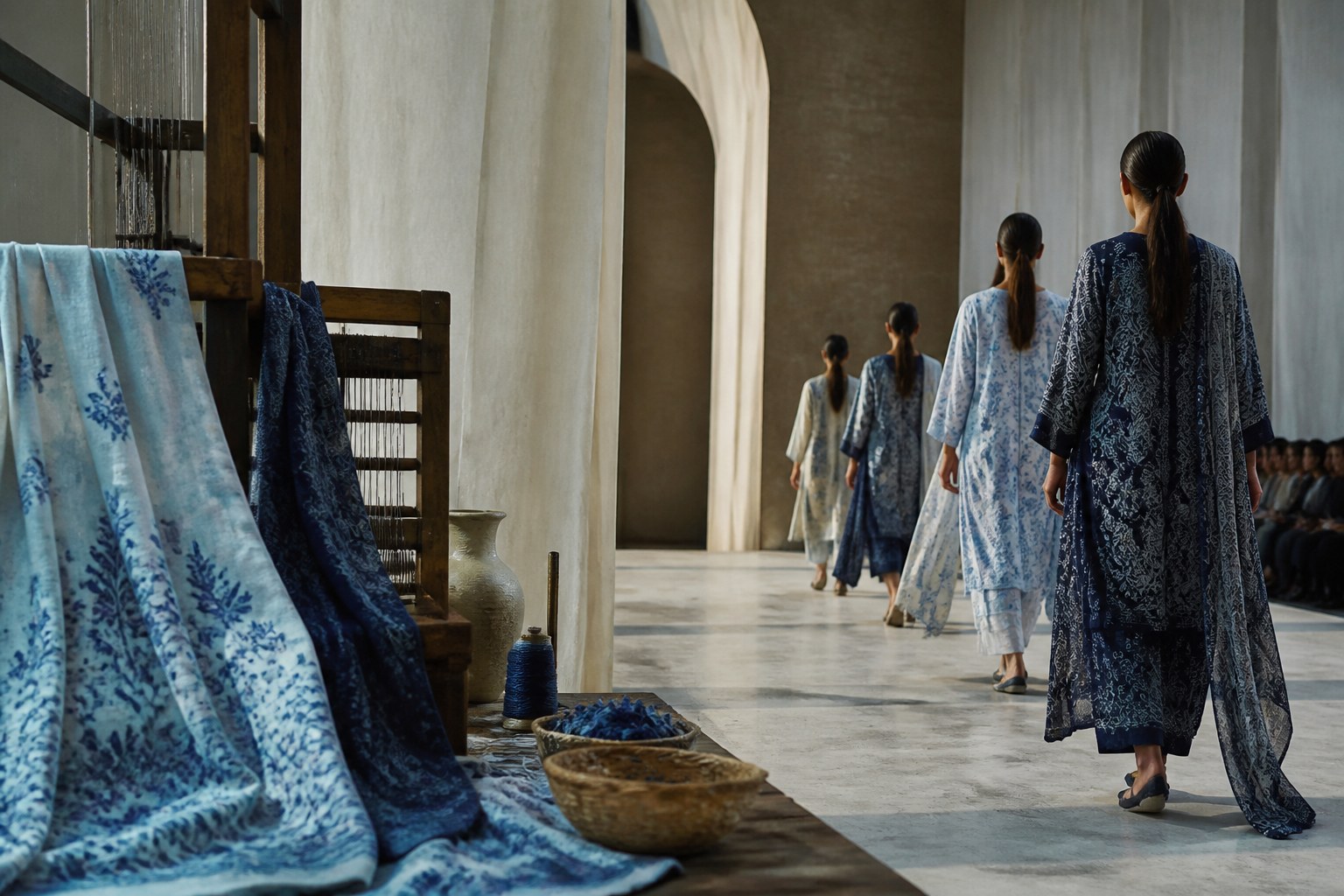
Sapphire sits where textile manufacturing, accessible fashion retail, and fast seasonal turnover meet. Knowing a brand’s manufacturing background should change how you judge its clothes: fabric hand, colour consistency, and replenishment logic are industrial facts before they are lifestyle moods.
Does knowing a brand’s mill heritage change how you read its retail rack—or only how you read its About page?
— PakStyles culture desk
Use Sapphire’s official retail site as the live catalogue for availability, care labels, and category structure rather than relying on forwarded screenshots.
From textile capacity to retail label
Textile groups that become fashion brands inherit mill strengths and mill temptations: they can control cloth quality more tightly, and they can also flood seasons with similar prints. Buyers should inspect fabric weight, transparency, and finishing on the actual SKU, not only on campaign video.
Unstitched and ready-to-wear solve different jobs. Unstitched rewards households with reliable tailoring; prêt rewards travellers and gift buyers who need a wearable garment quickly. Mixing those jobs in one cart creates return friction.
Store design and seasonal speed
Store visuals teach customers how to combine pieces. That education is useful when it discloses fibre content and care; it is less useful when it only teaches pose. Ask staff for the same facts you would ask a mill gate: composition, shrinkage expectations, and whether a print is pigment or reactive in practical terms you can verify on the label.
Seasonal speed has consequences. Fast drops can mean shorter decision windows and higher pressure to buy before a fitting. Build a personal checklist: occasion date, tailor date, wash test on a swatch if possible, and a hard no-list for fabrics that fail your climate.
How manufacturing literacy helps diaspora buyers
Diaspora buyers often order across climates. A lawn that thrives in Lahore spring may be icy in Manchester halls. Manufacturing literacy means matching cloth to weather and heating systems, not only to Instagram filters.
Compare Sapphire with peer textile-retail brands using the same questions rather than loyalty slogans: consistency between online swatch and delivered cloth, alteration friendliness, and honesty about stock location.
Sources and official profiles
Was this helpful?
Keep reading
Related stories
More from this desk, this beat, and the tags on this piece.




Readers
The conversation
0 notes
Anyone can leave a note. Guests add a name and email — no account required, and the email is never published.
No notes yet. Yours would be the first.