Skin cancer can happen on brown skin: the signs darker skin should not be taught to ignore
Melanin reduces ultraviolet injury but does not make brown skin immune to skin cancer. Some cancers in darker skin are diagnosed later, when outcomes can be worse.

Brown skin contains more melanin and has some natural protection from ultraviolet radiation, but it is not immune to skin cancer. The American Academy of Dermatology warns that people with darker skin can develop skin cancer and are often diagnosed later, which can make disease more dangerous.
An important reason awareness differs is that some melanomas in darker skin appear in places people do not associate with sun exposure, including palms, soles and beneath nails. Sun protection still matters, but so does looking beyond sun-exposed skin.
Lower risk is not zero risk
Melanin absorbs ultraviolet radiation and reduces some UV damage, so skin-cancer incidence is lower in many darker-skinned populations than in very fair skin.
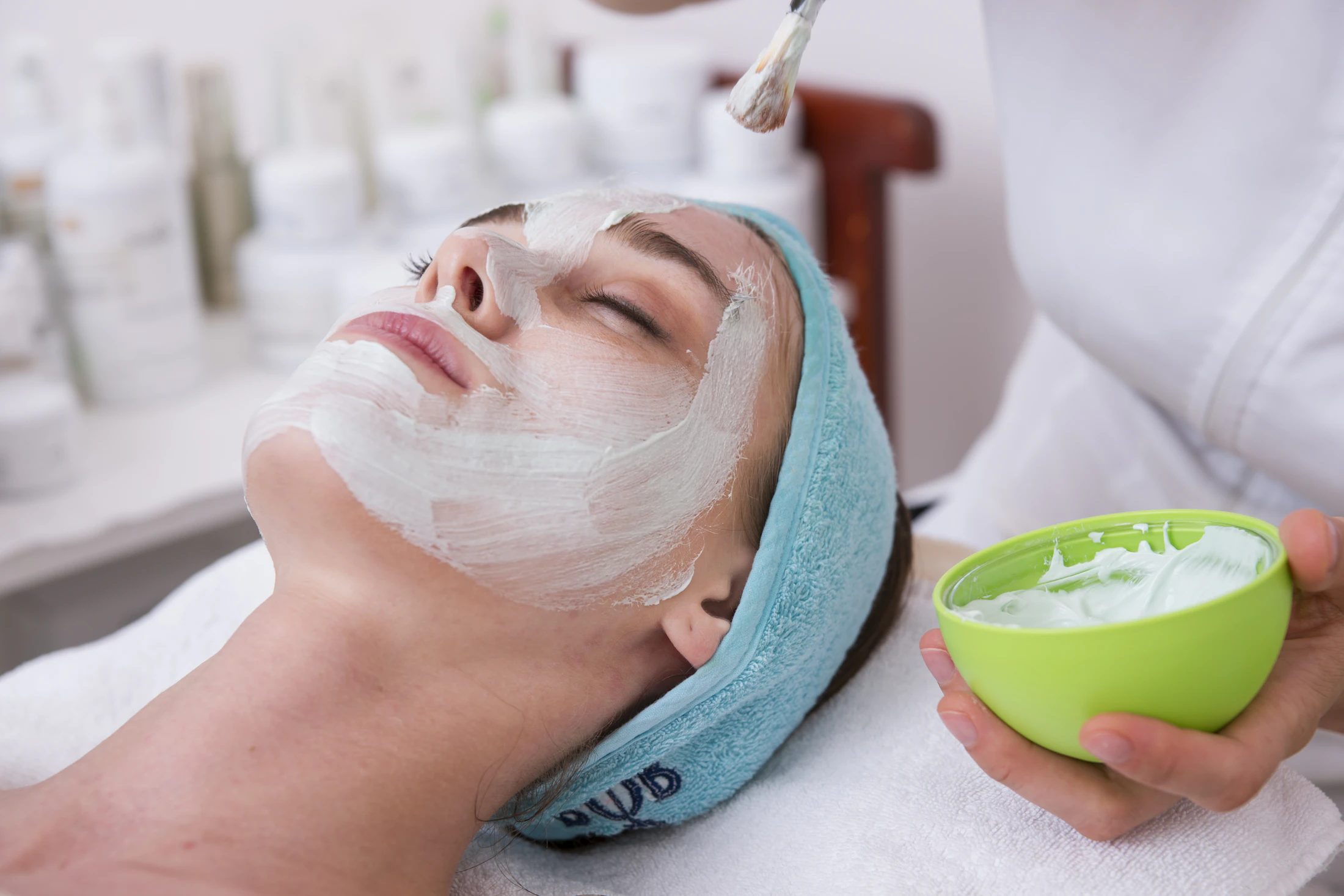
That protective effect is partial, not absolute.
Late diagnosis changes outcomes
AAD notes that skin cancer in people of colour is often diagnosed at a later stage.
Lower awareness, less routine inspection and cancers appearing in less expected locations can contribute.
Acral lentiginous melanoma
Acral melanoma can arise on palms, soles and nail units and represents a more important melanoma pattern in darker skin than in White populations.
It is not primarily explained by ordinary sun exposure.
Check the soles of the feet
A new or changing dark patch on the sole should not be automatically dismissed as bruising, friction or a stain if it persists.
Clinicians can distinguish benign causes from suspicious lesions through examination and, when needed, biopsy.
Nail changes
A new dark band in a nail can have many benign causes, particularly in darker skin, but widening, irregular pigment or change around the nail fold can require assessment.
Do not self-diagnose nail melanoma from photographs online.
The ABCDE rule is useful but incomplete
Asymmetry, Border irregularity, Colour variation, Diameter and Evolution are common melanoma warning tools.
Evolution—something changing or behaving differently—can be especially useful, while not every melanoma fits every letter.
Non-melanoma skin cancers
Basal and squamous cell carcinomas can also occur in darker skin, sometimes in scars or chronic inflammatory areas.
A sore that does not heal, persistent scaly patch or growing lump deserves review regardless of colour.
Sun protection remains worthwhile
Ultraviolet exposure contributes to skin cancer and photoageing across skin tones.
Use broad-spectrum sunscreen, shade and clothing for prolonged exposure without assuming sunscreen replaces skin awareness.
Do not let colourism enter prevention
Sun protection is not about becoming lighter. It is about limiting ultraviolet damage.
Messaging that equates healthy skin with fairness can obscure the actual health purpose.
When to see a GP or dermatologist
A changing mole, persistent lesion, unexplained bleeding, non-healing sore or suspicious palm/sole/nail change should be assessed.
Earlier review is more useful than waiting until a lesion becomes painful.
What the evidence does not justify
Photographs and checklists cannot diagnose skin cancer. Many benign moles, nail bands and pigment changes are common in darker skin, so the correct response to uncertainty is clinical assessment rather than panic.
Applied to this topic rather than as a general rule, PakStyles treats this as practical information, not a diagnosis or a promise of one health outcome. Individual medical conditions, medicines, allergies, pregnancy, age and total diet can change the advice, so consequential decisions should be checked with an appropriate clinician or dietitian.
Practical checklist
- Check palms, soles and nails as well as sun-exposed skin.
- Notice change over time.
- Use sun protection without assuming darker skin is immune.
- Seek review for persistent or changing lesions.
- Do not diagnose from colour alone.
The most important correction is simple: brown skin can develop skin cancer. Knowing that makes it easier to notice the locations and changes that deserve attention without turning every normal pigment variation into fear.
Traditional practice can be sensible without proving every explanation
Some habits connected with skin cancer signs darker brown skin developed through practical observation long before modern biochemistry. A method may work while the popular explanation for why it works is incomplete or wrong.
Respect for tradition and scientific scrutiny are compatible. The strongest article can say “this technique is useful” while also correcting an exaggerated mechanism.
Substitution matters more than removal
Nutrition questions around skin cancer signs darker brown skin often depend on what replaces a food rather than whether it disappears. Replacing saturated fat with unsaturated fat is different from replacing it with refined carbohydrate; moving tea away from a meal is different from removing all tea.
This is why useful advice describes the alternative behaviour instead of only naming something to avoid.
Measurement has limits
Numbers used in skin cancer signs darker brown skin—BMI, Brix, SPF, HbA1c, AQI, grams of protein or degrees of doneness—compress a complex system into a practical indicator. They are valuable when their scope is understood.
A single number should not be promoted into a universal quality score. Use it alongside the other variables that materially affect the decision.
Food and health safety outrank optimisation
When skin cancer signs darker brown skin touches raw meat, supplements, medication, sun exposure or suspected disease, the safety threshold matters more than squeezing out a small performance benefit. Refrigeration, appropriate dosing, diagnosis and sunburn prevention are foundational.
A cooking hack or wellness routine is not successful if it increases avoidable risk in order to improve texture, colour or convenience.
Use the highest-quality source available
For skin cancer signs darker brown skin, clinical or public-health claims should come from recognised health bodies or peer-reviewed research, while regulatory rules should come from the regulator. Retailers and lifestyle sites can be useful for examples, not for settling safety questions.
When studies disagree or address different populations, explain that rather than choosing the most dramatic number.
Who should get personalised advice
Pregnancy, childhood, kidney or liver disease, diabetes, cardiovascular disease, allergies, prescribed medicine and previous severe reactions can all change the advice around skin cancer signs darker brown skin.
The practical conclusion
The useful endpoint for skin cancer signs darker brown skin is a small number of behaviours supported by the evidence: change timing, choose a safer substitute, screen earlier, store food correctly, read the label or seek assessment for a warning sign.
Evidence-based writing becomes easier to trust when it leaves readers with proportionate actions rather than a list of alarming facts.
Separate mechanism from outcome
For skin cancer signs darker brown skin, it is useful to distinguish what can be measured in a laboratory from what has been shown to improve a real health or cooking outcome. A plausible mechanism—acid changing protein, polyphenols binding iron, melanin absorbing UV—helps explain a result but does not by itself quantify the size of that result in every person or recipe.
Research quality improves when mechanism, controlled experiment, observational association and clinical guidance are not blended into one level of certainty.
Dose and context change the effect
skin cancer signs darker brown skin is rarely an all-or-nothing exposure. The amount, timing, frequency, temperature, food matrix, skin type, disease status or baseline risk can change whether an effect is meaningful.
Population advice is not an individual diagnosis
Guidance linked to skin cancer signs darker brown skin can identify groups with higher average risk or recommend a safe preventive behaviour. It cannot tell one reader whether they personally have a deficiency, disease or future event without appropriate assessment.
How to use this article as a reference
Save the specific official or primary source that matters most for skin cancer signs darker brown skin, along with the date you checked it. If the subject is commercial, keep the product label or receipt; if it is administrative, keep the application reference; if it is health-related, write down the question you need to take to a clinician. This turns reading into a record you can use later.
Questions worth resolving before you act
For skin cancer signs darker brown skin, write down the exact decision you are making and the evidence that would change it. That may be a current fee, eligibility rule, test result, product composition, measured risk factor or official definition. Separating the decision from the background information helps prevent an interesting fact from being mistaken for the one fact that actually controls the next step.
Also check whether the article's strongest source is current for your use. A census figure can remain valid as a historical benchmark, while an immigration threshold or health guideline may change. The publication date of the source should therefore be treated as part of the evidence rather than invisible metadata.
Keep the next step proportionate
High-quality information should reduce uncertainty without creating unnecessary alarm. If skin cancer signs darker brown skin raises a low-risk practical question, use the official checklist and proceed. If it raises a potentially serious health, legal or immigration issue, move to the relevant professional or authority rather than stacking more secondary articles.
For readers using this skin guide, This proportionate approach is especially important for PakStyles readers because many topics sit between culture and formal systems. The cultural context can explain why the question matters; the authoritative source should still determine the legal, medical or administrative answer.
Sources and official profiles
Filed under
Was this helpful?
Keep reading
Related stories
More from this desk, this beat, and the tags on this piece.
Melasma on brown skin: why aggressive brightening can make the cycle worse
Nadia Shah · 5 Oct 2026




Readers
The conversation
0 notes
Anyone can leave a note. Guests add a name and email — no account required, and the email is never published.
No notes yet. Yours would be the first.