Street food
Midnight on Burns Road
A map of the stalls that still matter after 12am — nihari, paye, bun kebab — and the ones that have become theatre for people who will not eat standing up.
By Hassan Raza
Food editor
6 min read
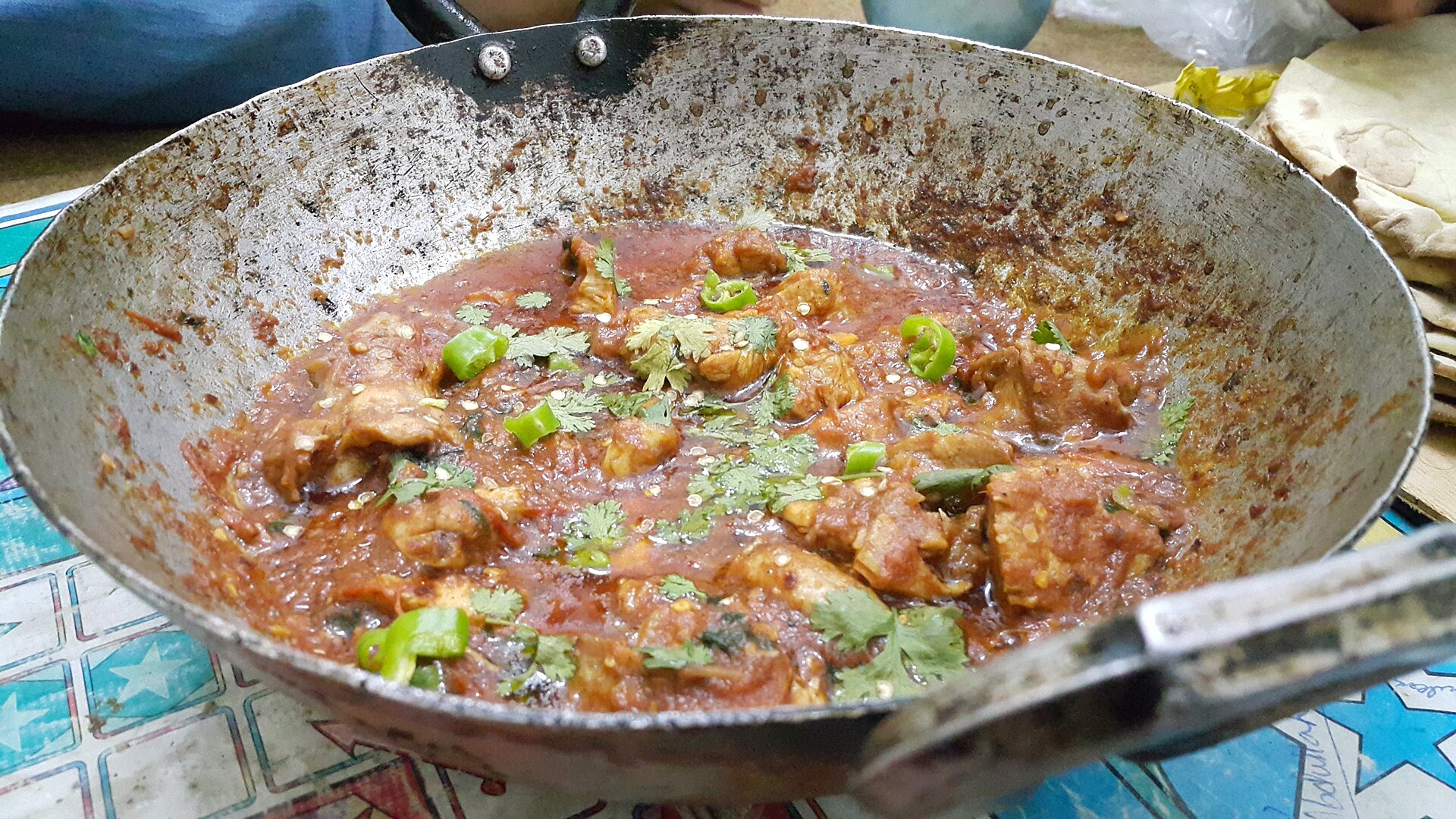
Burns Road is not a restaurant. It is a timeline with steam. Come at eight and you get families, a little ceremony, children who will not finish their nihari. Come at midnight and you get the city that works late, fights late, and wants a bowl that has been thinking about marrow since afternoon. The street still smells like ghee, wood smoke, and the particular sweetness of rabri that has not seen a fridge. This is Karachi eating standing up.
If you need a menu in English, you are in the wrong decade of this street.
— A server who has been there 19 years
After maghrib is a different street
The map you were sent in a WhatsApp group was drawn in daylight. Ignore it. Burns Road after maghrib is a set of queues that tell you more than any list: the nihari line that does not move because the pot is actually doing work; the bun kebab stall where the tawa never quite cools; the paye place that looks closed until you see the steam. Families peel off by ten. What remains is delivery riders, newspaper men, a wedding party in clothes that have already been through a hall, and the regulars who eat here because their kitchens are closed and because this is better than their kitchens.
Do not arrive hungry in the cinematic sense. Arrive with a plan. The street will feed you past fullness if you let every uncle decide. You need a dry start, a gravy, bread that can take a beating, a sweet if you have room, and tea that tastes like tea. That is the whole architecture. Everything else is tourism. Summer makes the plan stricter: heat sits in the lane and the oil sits heavier. Dress like you will sweat. Eat like you might share.
Start dry, or the gravy wins
Bun kebab is the honest beginning. The bun should complain when you press it. The patty is beef, spiced like someone meant it, with a chutney that is more heat than fruit. Eat it standing. If you sit for the bun kebab you have already misunderstood the tempo. Seekh from a stall that turns the skewers without a speech is the other dry start: fat, charcoal, a little give. Either of these buys you twenty minutes of stomach before the bowls arrive.
The mistake visitors make is opening with nihari because nihari is the famous word. Nihari at midnight is a commitment. It is flour and bone and time. If you have not eaten since lunch, it will put you on a plastic chair looking at your phone like a person who has been defeated by gravy. Eat something you can hold. Then sit. Then negotiate the rest of the night. Look at the tawa and whether the pile turns over; a stall that is slow at 12:40am in a Karachi summer is a stall I walk past.
Nihari that has been thinking since afternoon
The nihari that matters was not assembled at 11pm from a bag. It was built in the afternoon: shin, marrow, a masala that has been fried until the raw smell left, water that became body. By midnight the meat should surrender without a fight and the oil should sit on top like a statement, not a leak. Ask for a little extra maghaz if you eat brain. Ask for none if you do not. They will not be offended. This is not a tasting menu. It is a pot.
Paye is the other late bowl. Trotters, gelatin, a patience that restaurants pretend they have. The good paye coats a spoon. The bad paye is watery and ambitious. If the stall has been famous since your father was in college, that is data, not nostalgia. Fame on Burns Road is a kind of quality control: too many people have already complained, and the stall is still there.
I asked three cooks when they know the nihari is ready. All three said some version of: when the bone gives and the shop starts to smell like the shop, not like spice. That is a shift, not grams. If you cook this at home, brown properly and wait longer than you think. You are making a related stew. Stop calling it street food because you plated it in Defence.
Bread is a tool, tea is a dialect
Naan that can scoop. Kulcha if it is still arriving hot. Sheermal if you want sweetness against the heat of the gravy. Do not order four breads for two people and then photograph them. Order what you will finish. The tandoor is not a content backdrop. It is a working oven, and the man running it has a night to get through. A sheermal that has sat is a biscuit. A sheermal that has just left the heat is why this street still has an argument about bread.
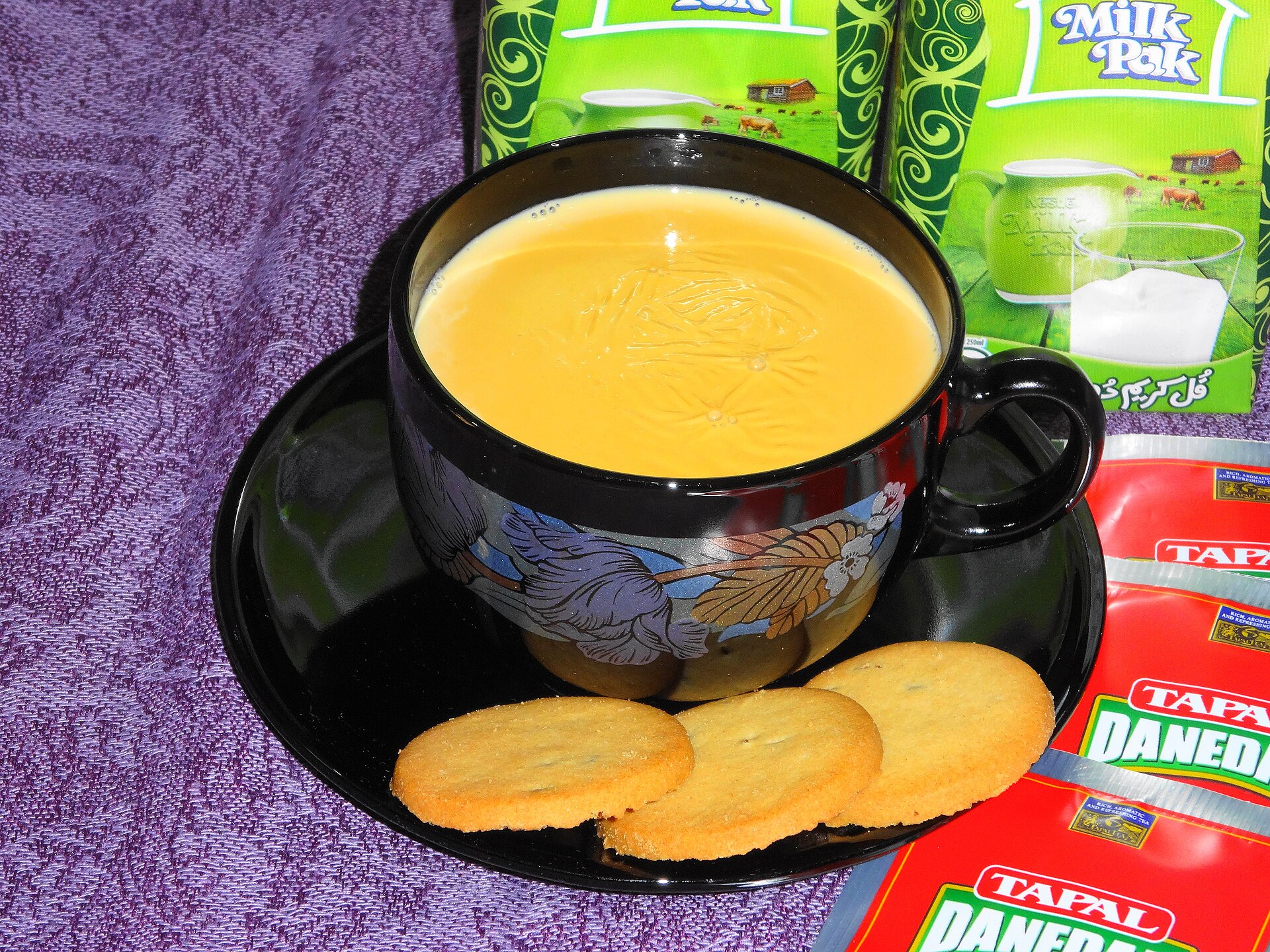
Doodh patti if you want comfort after spice. Kadak if you want the tea to argue with the ghee. Cutting if you are still standing. Cardamom is a choice, not a default. If the tea tastes like perfume, you have left the street and entered a version of the street designed for people who will not return. Rabri should be warm, slightly skin-on, not fridge-cold. If it is fridge-cold, walk. Fruit chaat at the edge of the road, mango in season, is a better last plate than another sweet you will regret on the drive home.
Theatre, and the stalls that are still shops
The stalls with plastic chairs and a crowd of uncle-age regulars are still the ones to trust. The stalls with neon, a security guard, and a queue of people filming the queue are serving a different product: the idea of Burns Road. Sometimes that is fine. You will get a clean table and a price that includes the idea. Know which you are buying. The street is large enough for both. It is not large enough for you to pretend they are the same bowl.
- Nihari: extra maghaz if you eat it, none if you do not. Say it once.
- Paye: if it does not coat the spoon, you are in the wrong shop.
- Bun kebab: standing, then move. This is not a date.
- Rabri: warm or walk.
- Share plates. This street was not designed for a single dainty order.
How to be a guest, not a set
Pay. Do not block the service line for a reel. If you photograph, photograph your own table. The people next to you did not come to be extras in your night. Cash still speeds things up. A little Urdu is how you get the bone you actually wanted. Brief visitors in the car: this is a street, not a reservation. Come back on a Tuesday if you liked a stall on Saturday. Tuesday is when the cook is feeding the neighbourhood. That is the bowl to remember.
Burns Road will outlive every listicle that names it. The only way to ruin it is to treat it like a set. Come at midnight. Eat in order. Drink chai that tastes like leaf. Go home smelling like ghee. That is the point.
Keep reading
Related stories
More from this desk, this beat, and the tags on this piece.
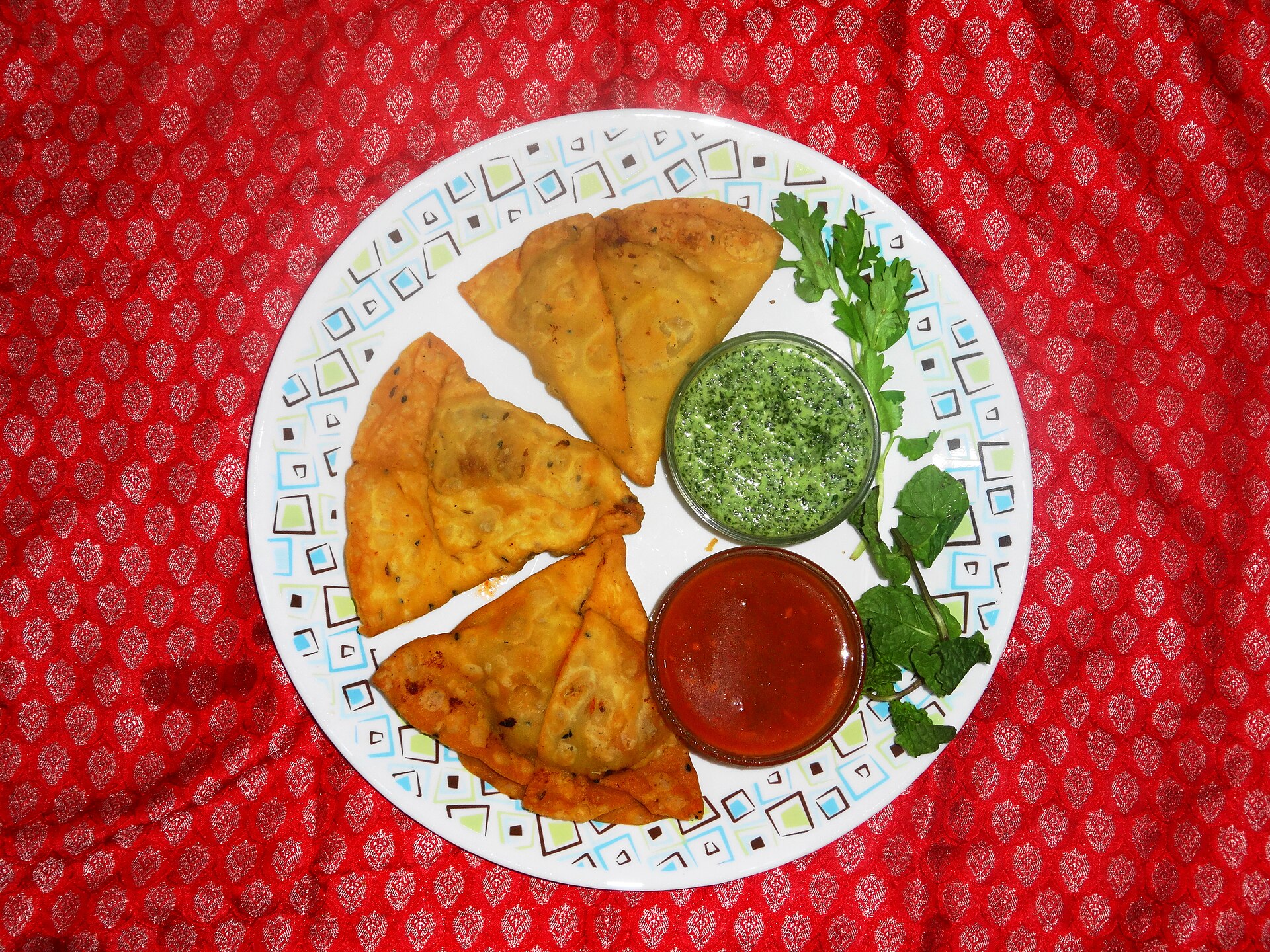
Papri chaat that stays crisp for more than five minutes
Hassan Raza · 13 Sep 2026 · 15 min
Readers
The conversation
0 notes
Anyone can leave a note. Guests add a name and email — no account required, and the email is never published.
No notes yet. Yours would be the first.