· Updated
Khaadi: how a Pakistani textile brand built a global retail identity
A business-history reading of Khaadi from Karachi handwoven roots to lifestyle retail and overseas stores, based on company-published milestones rather than hype.
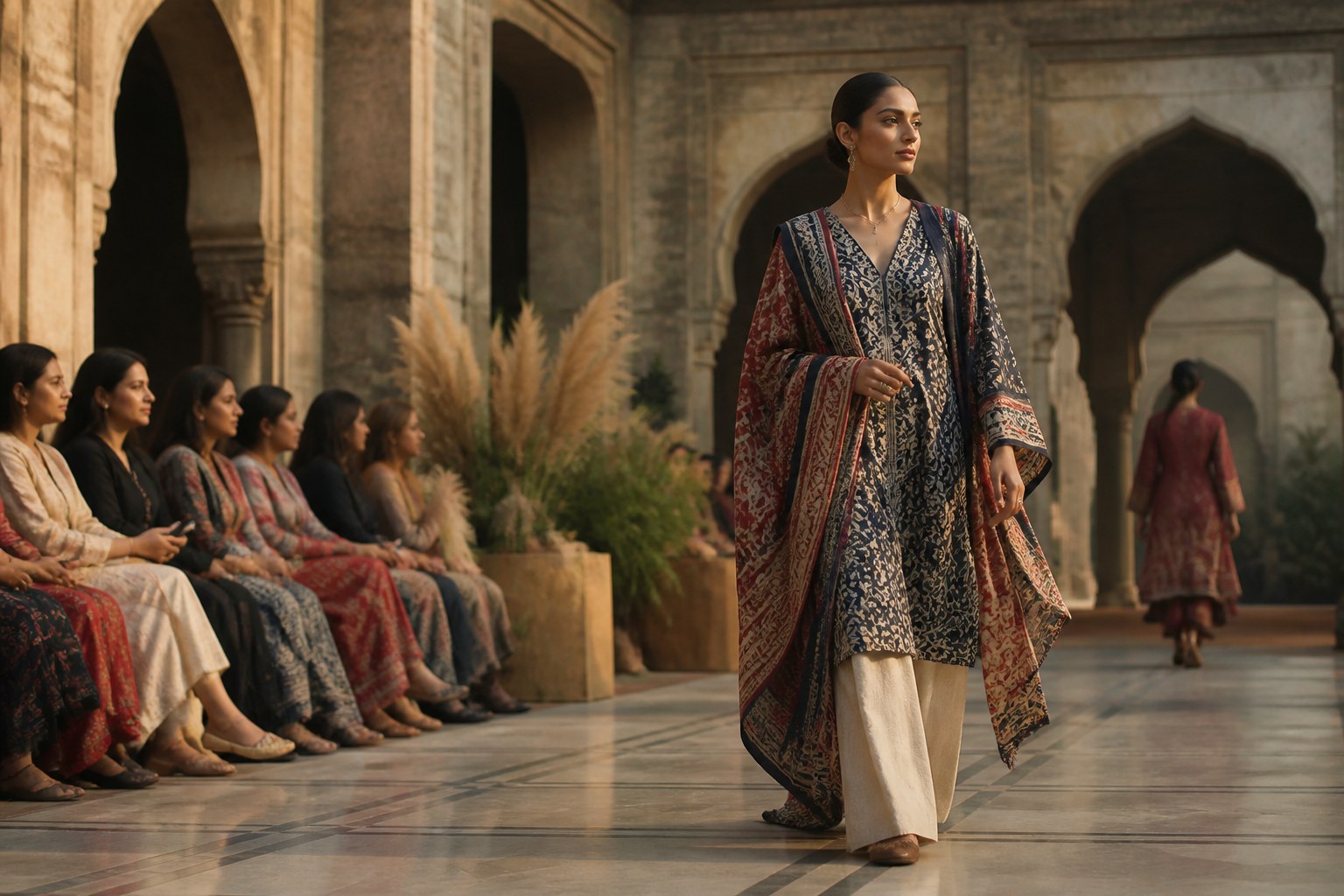
Khaadi is easy to meet as a mall presence and harder to read as a business history. Company materials place the brand's beginning in 1998 in Karachi under founder Shamoon Sultan, starting with handwoven fabric retail on Zamzama before expanding into ready-to-wear and, later, a wider lifestyle offering. The useful story is how a craft-rooted name became a multi-category retailer with overseas stores—without converting marketing language into independent fact.
From handwoven shop to lifestyle stack
According to Weaves/Khaadi corporate brand history, the company describes diversification into women's ready-to-wear by 2002, luxury wear under Khaas in 2008, fabric-focused fast fashion lines in 2012, home in 2013, accessories in 2016, and fragrances in 2019, with experience-store formats arriving later. Those dates are company-published milestones. They explain why a shopper today meets lawn, pret, homeware, and scent under one roof.
The word khaadi evokes handwoven cloth. Company storytelling leans on craft continuity even as the retail machine scales. A critical reader should separate handwoven select products from the broader industrial and import realities of a modern apparel chain. Asking what is handwoven on a specific garment is more useful than accepting atmosphere.
Overseas identity
Corporate milestone pages describe international expansion beginning with the UAE, then the UK, and later the US. Secondary fashion-trade profiles have described UK store counts and Dubai-based operational oversight for UK retail entities. Counts change; verify on the company's current store locator rather than freezing an old magazine figure. For diaspora shoppers, overseas stores matter because they turn a Pakistan trip brand into a local errand—with local return policies that still must be read carefully.
How to read Khaadi without hype
Use official lookbooks as product evidence, not as cultural proof. Compare fabric weight, opacity, and stitch finishing in person when possible. Lawn season intensity in Pakistan does not automatically translate to UK climate needs. Inclusion here is explanatory, not an endorsement that Khaadi is best.
Corporate pages also situate Khaadi inside Weaves Corporation's wider brand set. Parent/brand distinctions matter if you are comparing employment claims, store operators, or which legal entity issues a receipt in which country.
What shoppers should still verify in person
Campaign photography compresses fabric weight and opacity. Hold lawn and pret pieces to daylight, check stitch finishing at stress points, and read care labels before assuming UK machine-wash habits will match. Return windows differ by country and store versus online channel; screenshot the policy with your order.
Price comparisons should include alterations, delivery, and the risk of missing an event date. A cheaper overseas purchase that arrives late is not cheaper. Khaadi's retail identity succeeds partly because it makes Pakistani textile fashion legible in mall vocabularies; legibility is not the same as universal fit.
Reading growth claims
Store counts, experience-store language, and international milestones are useful as dated company claims. Recheck them on corporate or store-locator pages near publication if you are writing further. Secondary magazines may lag. This profile exists to explain trajectory, not to crown a winner among Pakistani apparel brands.
Keep expectations dated and revisable. Places, companies, and family systems change; a guide that cannot admit change becomes a liability.
When unsure between two stops, choose the one that preserves daylight and goodwill. Maps rarely measure either.
Sources and official profiles
Was this helpful?
Keep reading
Related stories
More from this desk, this beat, and the tags on this piece.





Readers
The conversation
0 notes
Anyone can leave a note. Guests add a name and email — no account required, and the email is never published.
No notes yet. Yours would be the first.