Pakistan travel guide
Plan travel in Pakistan by trip type, official advisories, documents, city versus northern pacing, family and solo routes, and clothing for real weather, not brochure itineraries.
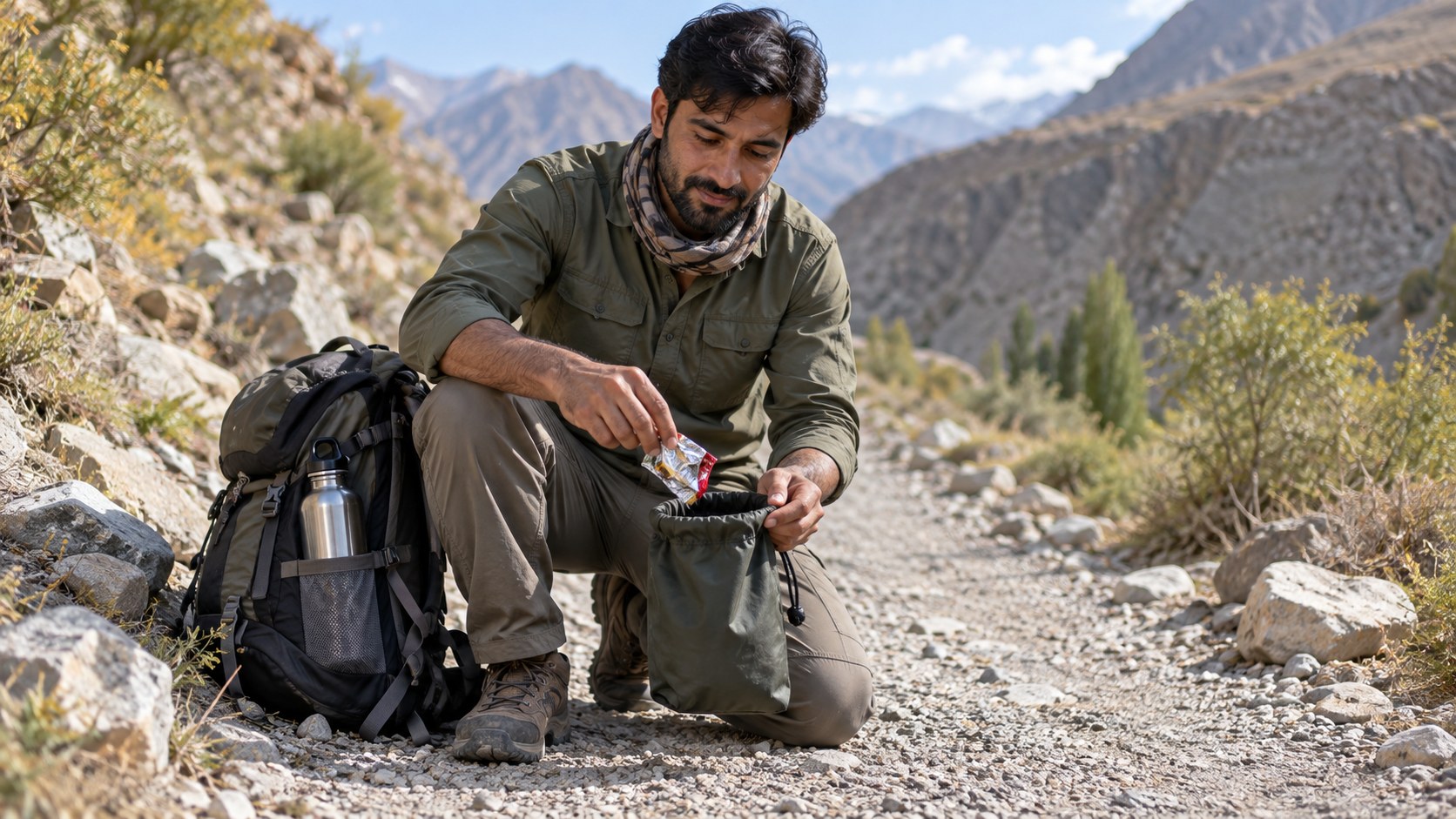
Pakistan rewards travellers who plan for heat, hospitality, uneven logistics, and geography that does not care about a brochure itinerary. The useful first question is not “how many cities can we colour in?” It is which trip you are actually taking: a first return to family, a first visit without relatives waiting at the airport, a northern mountain run, a city week built around food and heritage, or travel with children who will rewrite every day length.
This hub is the desk’s map for that choice. Supporting PakStyles pieces go deeper on first trips, family pacing, solo planning, clothing, and northern responsibility. Official travel advice changes. Check current government pages in the week you book and again in the week you fly rather than trusting last year’s screenshot in a group chat.
Read official advice before you romanticise the map
Safety planning starts with primary government sources for your passport, not with influencer bravado or inherited fear. British travellers should begin with the current FCDO foreign travel advice for Pakistan and its entry requirements page. The FCDO publishes region-specific advice, including areas where it advises against all travel or against all but essential travel. Insurance can be affected if you travel against that advice. Recheck the page close to departure; regional guidance is updated when conditions change.
US travellers should read the State Department’s Pakistan pages, including the country information at travel.state.gov’s Pakistan country information and the current travel advisory on travel.state.gov, before locking hotels or prepaid jeep days in sensitive districts. Advisories distinguish nationwide guidance from higher-risk areas. Do not treat a cousin’s uneventful trip to one city as clearance for a different province.
PakStyles does not replace those sources. We summarise planning questions. You still open the live pages for the districts you intend to enter.
Choose the trip type, then the cities
A first return to family in Lahore is not the same project as a first tourist week that tries to stack Karachi, Islamabad, and Hunza. Hospitality will expand meal times. Traffic will shrink daylight. Road and weather delays in the north will ignore your spreadsheet. Pick one primary job for the trip: family time, city culture, or mountains. Add a second job only if the calendar still has slack after you subtract rest days.
If this is your first return or first visit, begin with the first-trip planning guide. UK and US departures put different pressure on documents, jet lag, and phone setup. Market-specific companions on PakStyles exist because a packing list that ignores your departure airport is only half a plan.
For seasonal realism by region, use best time to visit Pakistan by region and trip type before you promise anyone snow passes in the wrong month or coastal humidity in the wrong week.
Documents, visas, and the dual-national trap
Entry rules belong to Pakistani authorities. Foreign visitors who need a visa should use official channels. The Government of Pakistan’s Pakistan Online Visa System is the online application route publicly linked by official pages; third-party lookalikes are a known risk. Confirm eligibility, fees, and processing times on the live portal for your nationality and purpose. Do not buy non-refundable mountain logistics until the visa outcome is real.
Dual nationals and diaspora travellers with Pakistani documentation should confirm which passport they will present on which legs, and what that means for local bureaucracy if something goes wrong. FCDO guidance notes that dual British-Pakistani nationals may face limits on the support the UK can provide in dealings with Pakistani authorities. Read the live “getting help” and entry pages for your situation rather than assuming a tourist template applies.
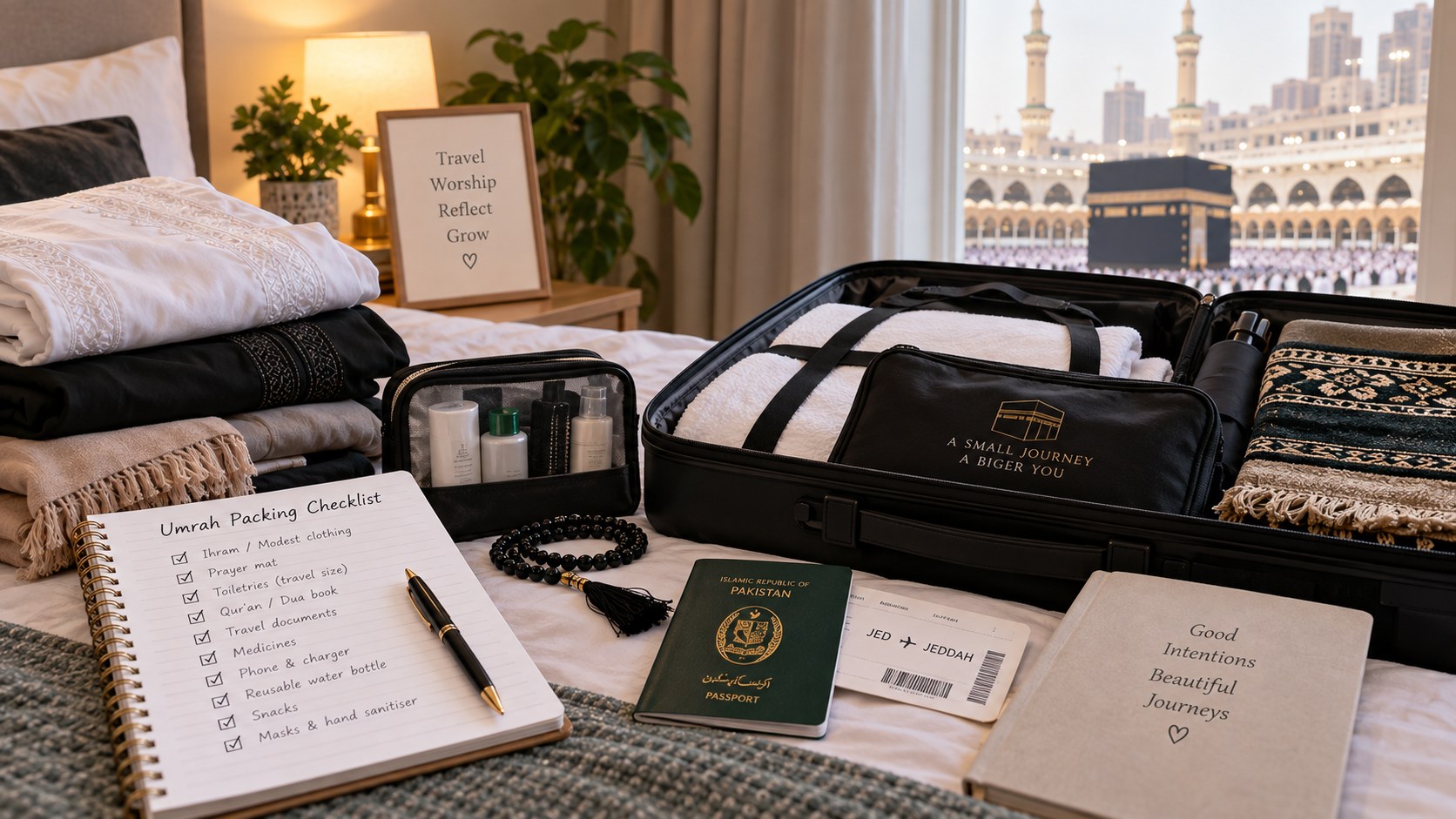
Carry copies of key documents separately from originals. Medicine should travel in original packaging with a clear list of names and doses. That is logistics, not a diagnosis.
Cities ask for different hours than the north
Lahore, Karachi, and Islamabad reward different rhythms. Heritage mornings, food evenings, and family obligations compete for the same calendar. Plan fewer neighbourhoods per day than a European city-break habit would suggest. Heat, traffic, and hospitality will take the rest.
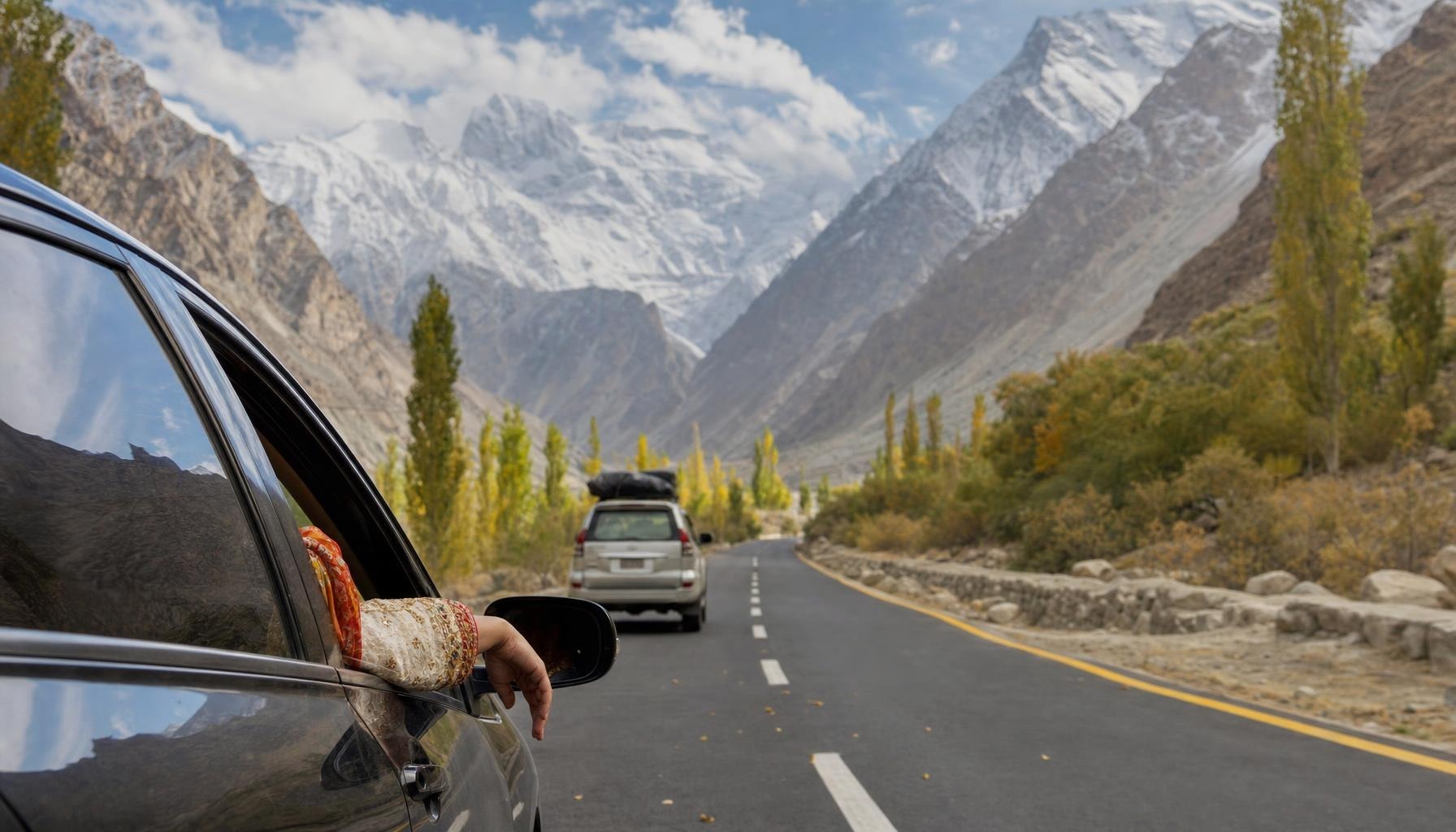
The north (Hunza, Skardu, Fairy Meadows and related routes) asks for altitude humility, road realism, and a plan that survives a cancelled jeep. Landslides, weather, and permit or access rules can move without caring about your prepaid nights. Choose one northern focus per trip unless you already know the roads. Read responsible travel in northern Pakistan before treating villages as a backdrop for content.
For corridor context on major highways inside Pakistan, monitor notices from the National Highway Authority rather than relying on a static map screenshot. For tourism orientation and official visitor information, the federal Pakistan Tourism Development Corporation / tourism.gov.pk pages are a starting point, not a substitute for local ground conditions.
| Trip shape | Primary risk to plan for | PakStyles next read |
|---|---|---|
| First visit or first return | Overpacking the calendar; document surprises | First-trip planning guide |
| Travel with children | Day length, food risk tolerance, hotel hopping | Pakistan with children |
| Solo female travel | Transport trust, clothing norms, evening movement | Solo female travel planning |
| Northern mountains | Weather, altitude, road closures, community impact | Responsible northern travel |
Family travel changes the physics of the day
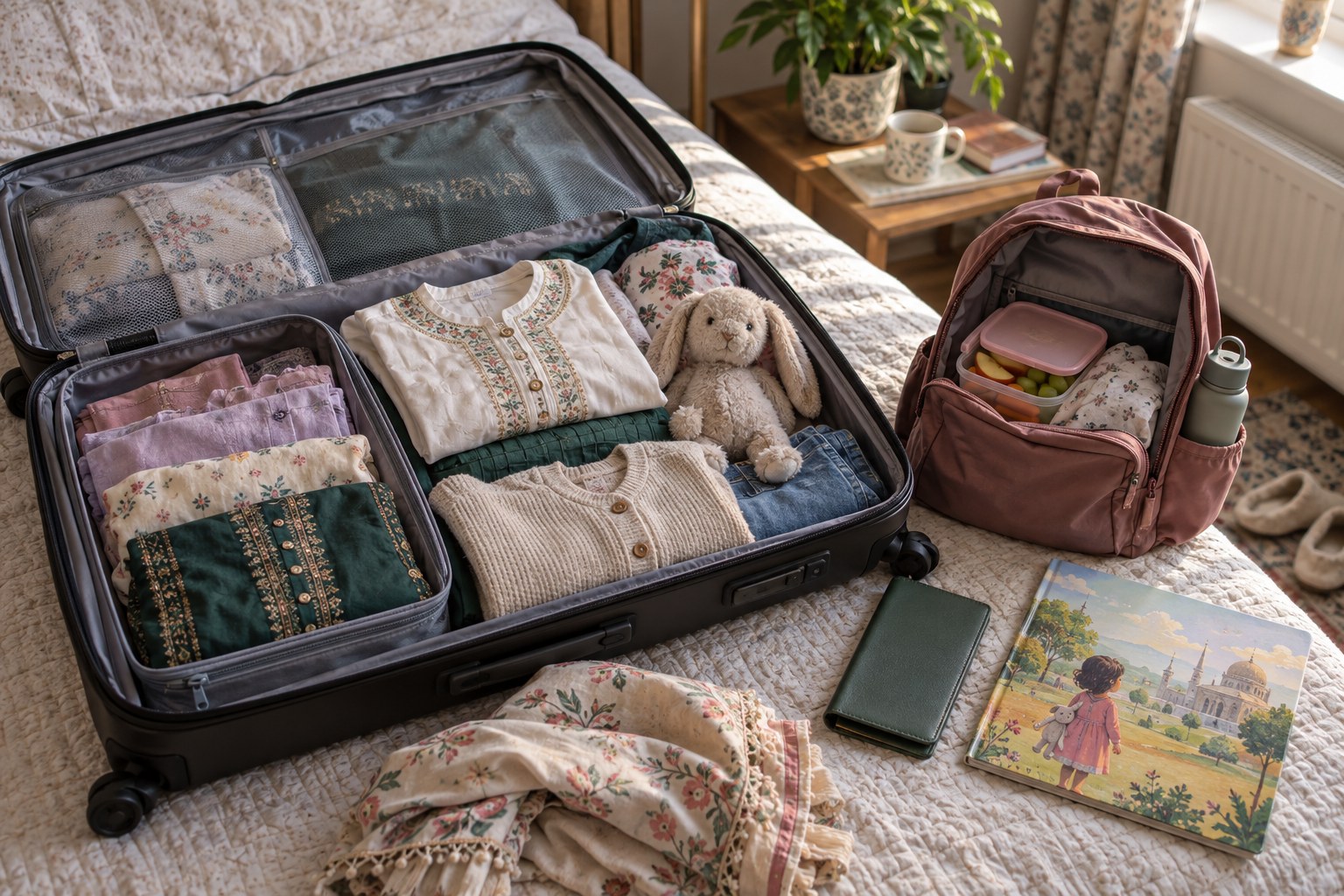
Children shrink how often you can change hotels and how late you can eat. Food risk tolerance usually tightens. Rest stops matter more than scenic detours that look short on a map. Read Pakistan with children before promising three cities in five days. A shorter trip that lands well beats a coloured map that produces meltdowns.
If relatives are hosting, agree early on quiet hours, gift expectations, and whether every evening is a social obligation. Hospitality is generous. It is also exhausting when it is nonstop. Build recovery mornings into the public plan so you are not negotiating rest as a personal failure.
Solo travel needs a risk line you can defend
Independent travel is possible with planning that respects local norms and your own risk line. Start with solo female travel in Pakistan rather than headline fear or social-media bravado. Trusted transport, daylight transfers for unfamiliar routes, and clear hotel confirmation details matter more than a dense itinerary. Do not publish live location details to strangers. Tell one trusted person your rough daily plan.
Clothing for the route you are taking
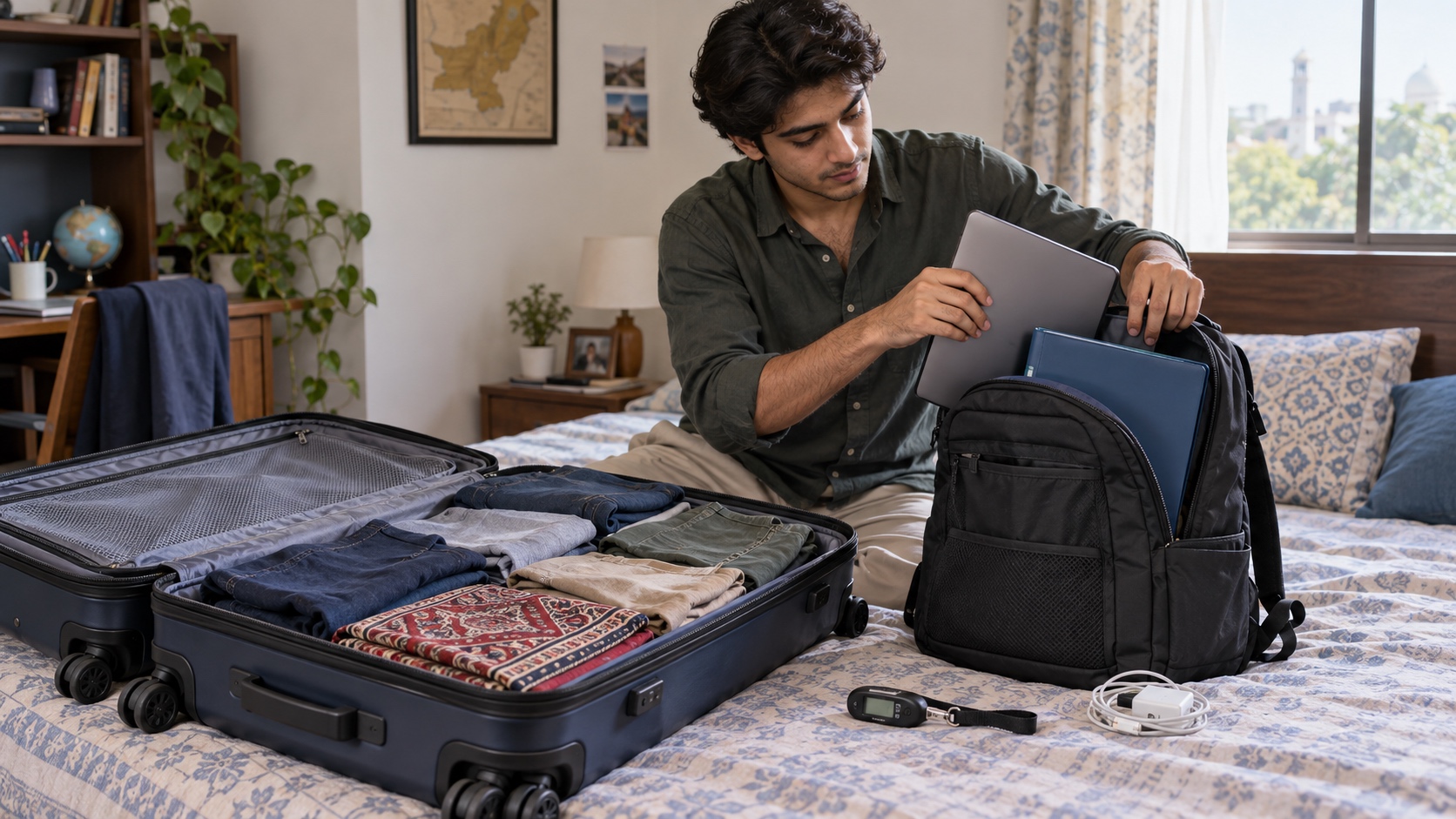
Pack for mosques, family dinners, heat, and weather that turns, not for a single “Pakistan outfit.” Modest coverage expectations vary by setting, city, and family. Mountain mornings can be cold when plains evenings are still warm. Read what to wear while travelling in Pakistan after you know which rooms and roads you will enter.
Comfortable closed shoes for uneven pavements and long family days usually beat decorative pairs that only survive a flat. A light scarf or shawl earns its luggage space more often than a third formal look.
Money, connectivity, and ordinary discipline
Plan how you will get local currency, which cards you will rely on, and what happens if a network is slow. Keep emergency cash in a separate place from your daily spend. Download offline maps for key legs where signal is unreliable. Register with your government’s traveller enrolment programme if one exists for your nationality, and store embassy or consulate contact details offline.
Safety for most visitors is mostly ordinary discipline: trusted drivers or booked cars for unfamiliar night movement, daylight for long transfers when you can, attention in crowded markets, and not arguing with officials. Terrorism and crime risks are real in parts of the country; that is why advisory pages exist. Your job is to read them for your route, not to pretend risk is uniform everywhere or nowhere.
Insurance that matches the itinerary you wrote
Buy travel insurance that covers the places and activities on your real plan, including medical care and evacuation if you are heading into remote mountain areas. FCDO advice notes that insurance can be invalidated if you travel against its guidance. Read exclusions for adventure activities, pre-existing conditions, and dual-national status before you assume a cheap policy is enough. Keep policy numbers offline as well as in your email.
If your trip is mostly family hospitality in major cities, say so when you buy cover. If your trip includes jeep tracks, high passes, or multi-day treks, say that instead. The policy should recognise the trip you are taking, not the trip you imagined in January.
How to use this hub
Pick the trip type first. Open the matching guide. Add city or northern pieces only after dates and companions are real. Recheck FCDO advice or your own government’s equivalent in the week you fly. A shorter itinerary that respects advisories, visas, and human energy will teach you more about Pakistan than a heroic route that collapses on day three.
Sources and official profiles
Filed under
Was this helpful?
Keep reading
Related stories
More from this desk, this beat, and the tags on this piece.
Readers
The conversation
0 notes
Anyone can leave a note. Guests add a name and email — no account required, and the email is never published.
No notes yet. Yours would be the first.